DbcultAccessing Vault...
5.8/10
Senior Film Conservator
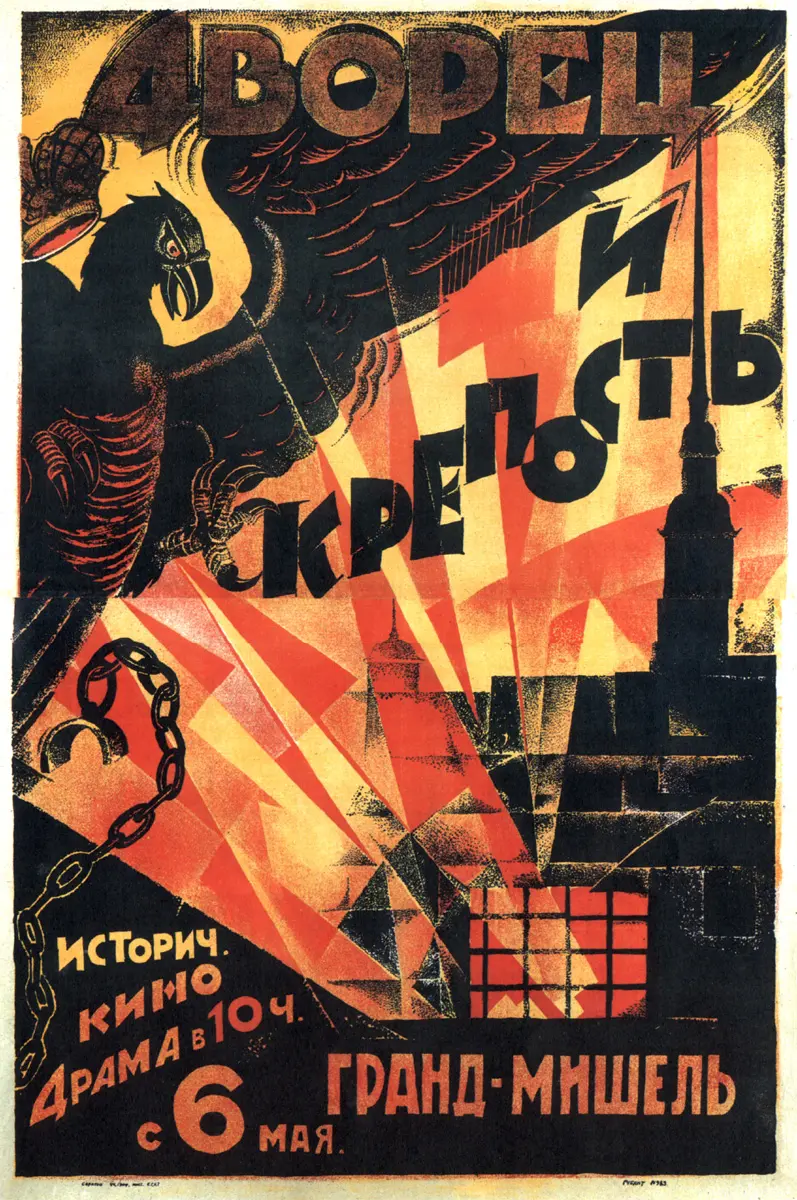
A definitive 5.8/10 rating for a film that redefined the boundaries of cult cinema. Dvorets i krepost remains a cornerstone of transgressive art.
The silent era, often unfairly relegated to the dusty archives of cinematic history, frequently gifted us with works of profound artistic ambition and searing social commentary. Among these, Dvorets i krepost, or "Palace and Fortress," stands as a monumental achievement, a film that transcends its historical context to speak volumes about the eternal struggle between freedom and oppression, idealism and brutal reality. Directed with an unflinching eye and penned by the insightful duo of Pavel Shchyogolev and Olga Forsh, this cinematic tapestry weaves together the threads of personal torment and grand revolutionary fervor against the majestic, yet grim, backdrop of late Imperial Russia. It’s a work that demands not just viewing, but active engagement, a journey into the soul of a nation on the precipice of seismic change.
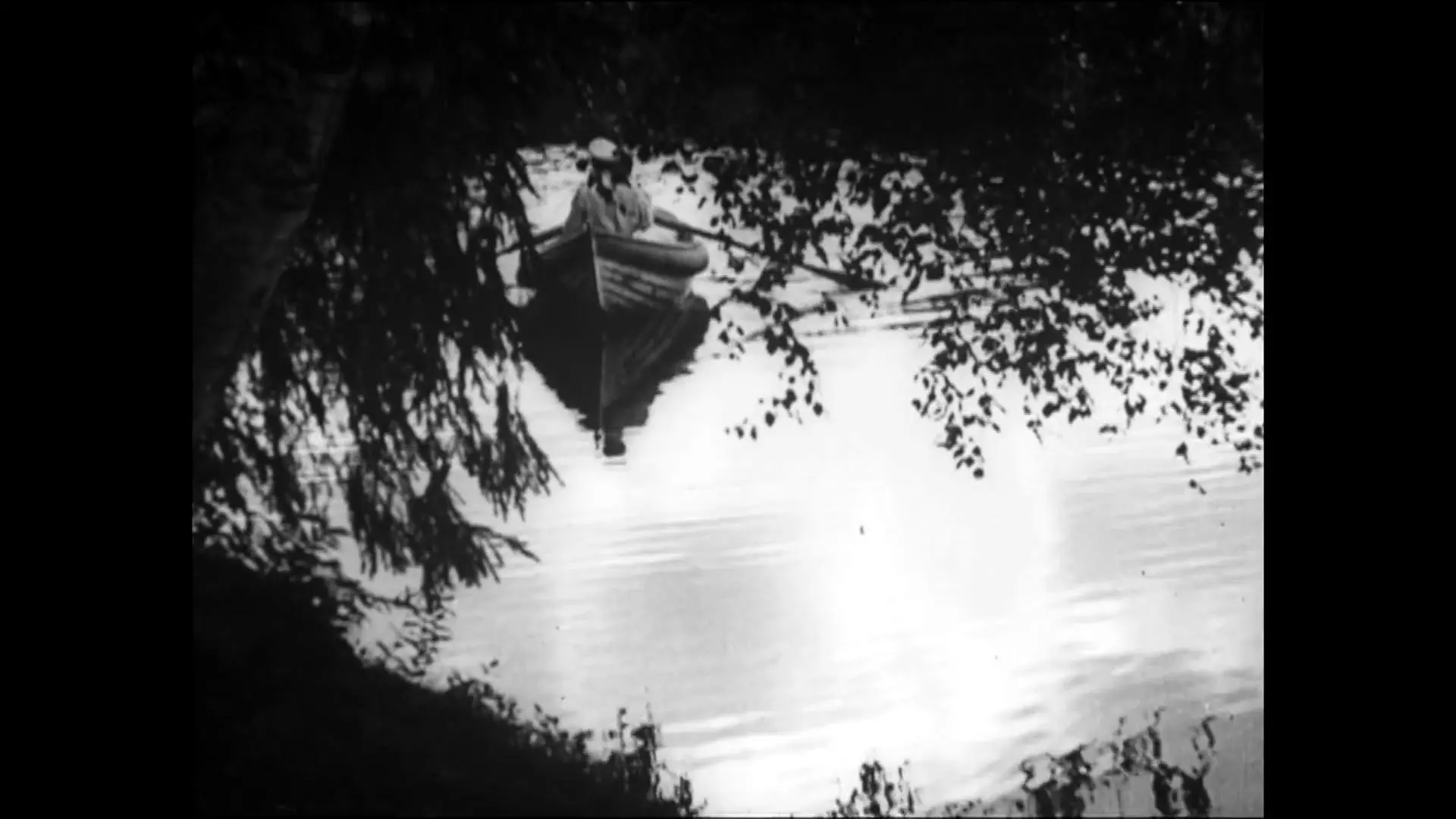
At the heart of this sprawling epic lies the performance of Aleksey Maseev as Andrei, a character whose trajectory encapsulates the very essence of the film's thematic concerns. Maseev imbues Andrei with a palpable, almost unbearable, sense of intellectual earnestness and youthful idealism that gradually gives way to a profound, internalized suffering. We witness his transformation from a hopeful, albeit naive, proponent of societal reform into a hardened, yet still defiant, political prisoner. His eyes, initially alight with the fire of conviction, slowly acquire the haunted, distant gaze of one who has stared into the abyss of human cruelty. This is not a performance of grand gestures, but one of subtle, agonizing internal shifts, communicated through the minutiae of facial expressions and body language—a masterclass in silent acting that rivals the intensity found in something like The Daredevil in its sheer physical commitment, albeit with a vastly different emotional register. The screen becomes a canvas for Maseev's anguish, his silent screams echoing through the very fabric of the film.
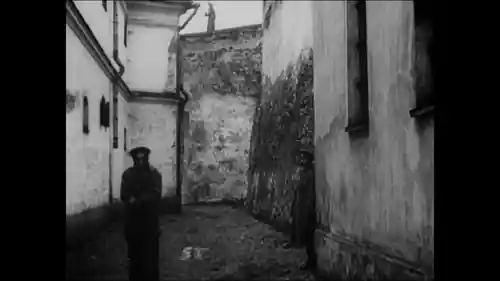
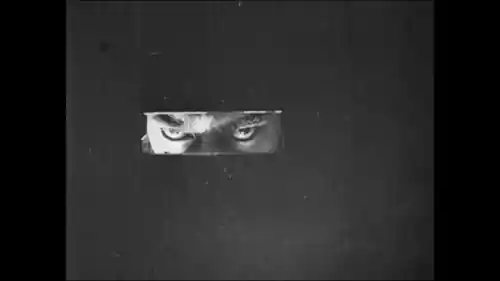
The film's title itself serves as a powerful metaphor, a duality that underpins every frame. The "Palace" represents the decadent, insulated world of the Tsarist aristocracy, a realm of gilded opulence and willful ignorance, where the suffering of the masses is an abstract concept, if considered at all. The scenes depicting the lavish balls and frivolous pastimes of the elite are rendered with a stark, almost satirical contrast to the grim reality unfolding elsewhere. These sequences, while brief, are crucial in establishing the moral bankruptcy of the ruling class, their superficiality highlighted by the very grandeur of their surroundings. In stark opposition stands the "Fortress," an embodiment of state repression and the crucible of revolutionary spirit. This is where Andrei, along with countless others, is broken, tested, and sometimes, paradoxically, strengthened. The cinematography of these prison scenes is breathtaking in its bleakness, utilizing shadow and stark angles to convey the claustrophobia and despair. The cold stone walls, the iron bars, the desolate courtyards—each element contributes to an overwhelming sense of entrapment, making the viewer feel almost as confined as the protagonists.
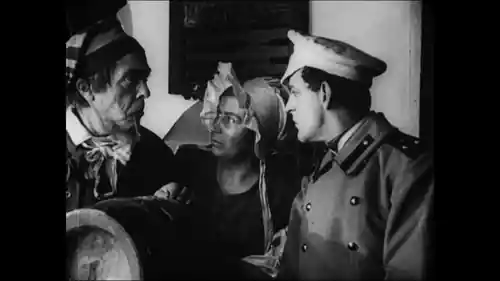
Marina Yuryeva, as Elena, provides a compelling counterpoint to Maseev’s Andrei. Her character embodies a more overtly resilient, perhaps even fiery, spirit of resistance. Elena is not merely a romantic interest; she is an ideological partner, a symbol of the enduring hope for a better future, even when facing seemingly insurmountable odds. Her interactions with Andrei, often through furtive glances or smuggled messages, are charged with an electric intensity, conveying a depth of connection that transcends mere words. Yuryeva’s performance is a testament to the power of understated conviction, her quiet defiance speaking volumes. The ensemble cast, including Yevgeni Boronikhin, Yuri Korvin-Krukovsky, and Gennadiy Michurin, further enriches the narrative tapestry, each portraying their respective roles—whether fellow revolutionaries, sympathetic guards, or callous officials—with a nuanced understanding of their place within the film's grand scheme. The collective weight of their performances creates a living, breathing world, fraught with danger and flickering with hope.
The narrative crafted by Pavel Shchyogolev and Olga Forsh is remarkably sophisticated, eschewing simplistic heroics for a more complex exploration of human endurance and ideological struggle. They delve deep into the psychological toll of political imprisonment, showing not just the physical deprivations but the insidious erosion of the spirit. The writers masterfully interweave moments of profound despair with fleeting glimpses of solidarity and hope, creating a dynamic emotional landscape. There are echoes of this detailed psychological examination in films like The City of Silent Men, which similarly explores the isolating and transformative effects of incarceration, albeit in a different social context. However, Dvorets i krepost distinguishes itself by rooting its narrative so firmly in the turbulent socio-political realities of early 20th-century Russia, offering a window into the ideological ferment that would ultimately reshape the world.
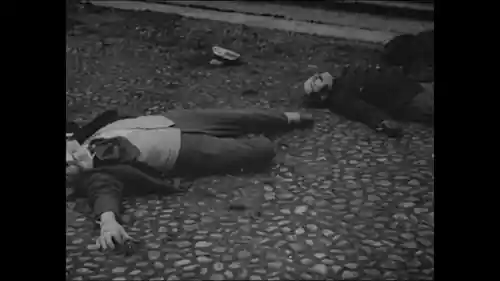
The thematic resonance of Dvorets i krepost extends far beyond its specific historical moment. It is a timeless meditation on the nature of power, the individual's role in challenging an unjust system, and the enduring human spirit in the face of overwhelming odds. The film’s portrayal of institutional cruelty and the resilience of those who resist it feels remarkably prescient, speaking to struggles that continue to unfold in various forms across the globe. The stark contrast between the haves and have-nots, the oppressors and the oppressed, is not merely depicted but explored with a forensic intensity, inviting viewers to critically examine the structures of their own societies. This intellectual rigor, combined with its emotional depth, elevates it beyond mere historical drama into the realm of profound philosophical inquiry.
The directorial choices throughout the film are consistently inspired. The use of symbolism is particularly potent, with recurring motifs of caged birds, flickering candles, and the vast, indifferent Neva River serving to deepen the narrative’s emotional and intellectual impact. The pacing, though deliberate, never feels sluggish; instead, it allows the viewer to fully absorb the weight of each scene, each silent exchange. The editing is sharp, creating a rhythmic tension that propels the story forward, building to moments of dramatic climax that are both inevitable and heartbreaking. One can draw parallels to the rebellious spirit captured in films like If...., though Dvorets i krepost approaches its subject with a more somber, historical gravitas, trading youthful anarchic energy for the grim determination of seasoned revolutionaries.
The film’s portrayal of the revolutionary movement itself is nuanced. It doesn't romanticize the struggle entirely but shows the personal sacrifices, the betrayals, and the profound moral dilemmas faced by those committed to radical change. The solidarity among prisoners, even in the face of extreme duress, is depicted with a moving authenticity, highlighting the human capacity for connection and mutual support even in the most dehumanizing environments. Conversely, the insidious nature of informants and the psychological warfare employed by the state are also explored, adding layers of complexity to the narrative. This realism prevents the film from descending into mere propaganda, instead offering a multifaceted view of a pivotal historical moment.
The historical authenticity, a hallmark of many Soviet-era historical dramas, is meticulously maintained here. From the costumes and set designs to the broader socio-political landscape, every detail feels carefully researched and thoughtfully integrated into the narrative. This dedication to realism grounds the more dramatic elements of the story, making the characters' struggles feel all the more immediate and visceral. It's a testament to the filmmakers' commitment to not just telling a story, but recreating a historical epoch, allowing contemporary audiences to peer into a world that, while distant, feels remarkably relevant.
In its entirety, Dvorets i krepost is a powerful, unforgettable cinematic experience. It is a testament to the enduring power of silent film to convey complex emotions and intricate narratives without the aid of spoken dialogue. The performances, particularly from Maseev and Yuryeva, are tour-de-forces, etched with a raw intensity that resonates long after the final frame. The screenplay by Shchyogolev and Forsh is a masterclass in historical storytelling, rich with thematic depth and psychological insight. While it might not possess the overt sensationalism of a film like Auction of Souls, its impact is perhaps even more profound, deriving its power from a subtle, yet relentless, exploration of human dignity under siege. This is not merely a historical document; it is a timeless work of art, a stark and beautiful lament for lost freedoms and a defiant ode to the unyielding spirit of revolution. Its legacy endures, a beacon from the silent era, reminding us of the cost of liberty and the eternal vigilance required to preserve it.

IMDb —
1921
Community
Log in to comment.