DbcultAccessing Vault...
Cult Review
Senior Film Conservator
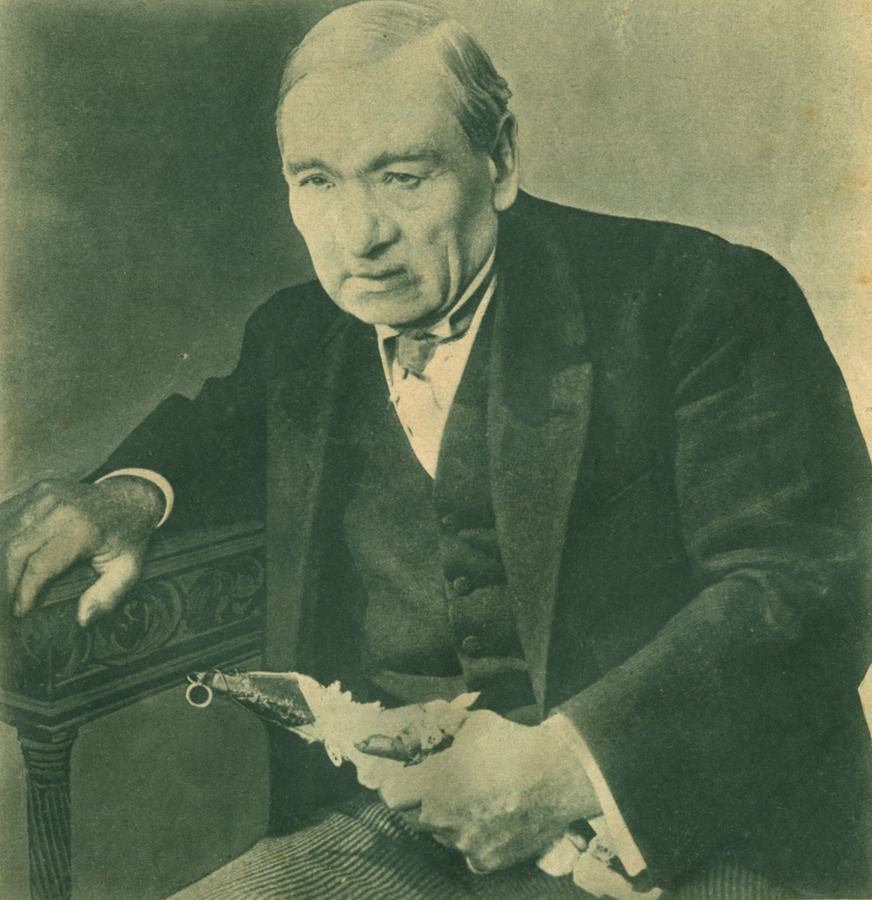
The flickering magic of early cinema often presents us with profound emotional landscapes, narratives woven not with spoken words, but with the eloquent language of gesture, expression, and the stark contrast of light and shadow. Among these treasures, René Hervil's 'Le secret de Polichinelle' emerges as a particularly compelling artifact, a silent French drama that, even a century after its creation, resonates with an unsettling familiarity, probing the enduring human anxieties surrounding reputation, lineage, and the corrosive power of hidden truths. It is a film that demands patient observation, rewarding the discerning viewer with a rich tapestry of human frailty and resilience.
To fully appreciate 'Le secret de Polichinelle' is to step back into a bygone era, where the societal structures were rigid, and the appearance of propriety often superseded genuine emotion. Hervil, alongside co-writer Pierre Wolff, crafts a narrative that is both melodramatic and deeply psychological, a testament to the sophistication of early cinematic storytelling. The film plunges us into the seemingly tranquil existence of the Valois family, pillars of Parisian society. Monsieur Valois, a figure of industrial might, and his wife, Genevieve, embody the era's ideals of success and domestic harmony. Their daughter, Annette, is the jewel in their crown, a symbol of their perfect union. Yet, beneath this polished veneer of respectability, a perilous secret festers, threatening to engulf them all in scandal.
The catalyst for this impending catastrophe is Henri Dubois, a specter from Genevieve's past, whose unexpected return ignites a powder keg of buried emotions and desperate measures. Dubois, embittered by his own misfortunes and perhaps a lingering sense of injustice, holds the key to Annette's true parentage—a truth that, if exposed, would not only shatter Annette's world but also dismantle the carefully constructed edifice of the Valois family's social standing. The film masterfully builds suspense, not through overt action, but through the escalating tension in Genevieve's eyes, the subtle shifts in her demeanor, and the growing chasm between her outward composure and her inner turmoil. This silent struggle is a powerful illustration of how the unsaid can often be more potent than any spoken word, a technique also powerfully explored in the stark emotional landscapes of Hate, where unspoken grievances drive much of the narrative's tragic momentum.
The success of 'Le secret de Polichinelle' rests heavily on the shoulders of its remarkable ensemble, particularly Jeanne Cheirel as Genevieve. Cheirel delivers a performance of breathtaking intensity and nuanced vulnerability. Her face becomes a canvas upon which every flicker of fear, every pang of guilt, and every desperate hope is meticulously etched. One can almost feel the weight of her secret pressing down on her, conveyed through a slight tremor in her hand, a fleeting shadow in her eyes, or a rigid posture that betrays her inner turmoil. She embodies the archetypal tragic heroine, caught in a web of her own making, yet deserving of our profound sympathy.
Jean Dehelly, as Henri Dubois, provides an equally compelling counterpoint. He is not merely a villain; he is a man driven by complex motivations, perhaps a sense of past injury, a yearning for recognition, or simply the crushing weight of circumstance. Dehelly's portrayal is devoid of simplistic malevolence, instead presenting a figure whose actions, however destructive, spring from a discernible human place. The silent screen demanded a particular kind of artistry, where broad gestures could easily descend into caricature. Yet, both Cheirel and Dehelly navigate this challenge with extraordinary grace, their performances achieving a level of psychological realism that transcends the limitations of the medium. Even the supporting cast, including Maurice Sigrist, Carrel, Catherine Fonteney, Gabriel Signoret, Maurice de Féraudy, Émile Garandet, and Andrée Brabant, contribute to this rich tapestry, each playing their part in the intricate dance of societal expectation and personal despair. Their collective ability to convey intricate emotional states without dialogue is a testament to the era's unique demands on its performers, a skill set that finds its parallel in the evocative, character-driven narratives of films like The Child of Paris, where the silent performances carried the entire dramatic weight.
René Hervil's direction is characterized by a keen understanding of visual storytelling. He uses the camera not merely to record events, but to immerse the viewer in the characters' psychological states. The choice of camera angles, the deliberate pacing of scenes, and the judicious use of close-ups all contribute to an atmosphere thick with tension and impending doom. Hervil understands the power of suggestion, allowing the audience to infer much from lingering gazes, significant objects, and the interplay of light and shadow. The Parisian settings, from the elegant interiors of the Valois home to the more somber, dimly lit spaces where secrets are exchanged, are meticulously rendered, adding to the film's authenticity and period charm.
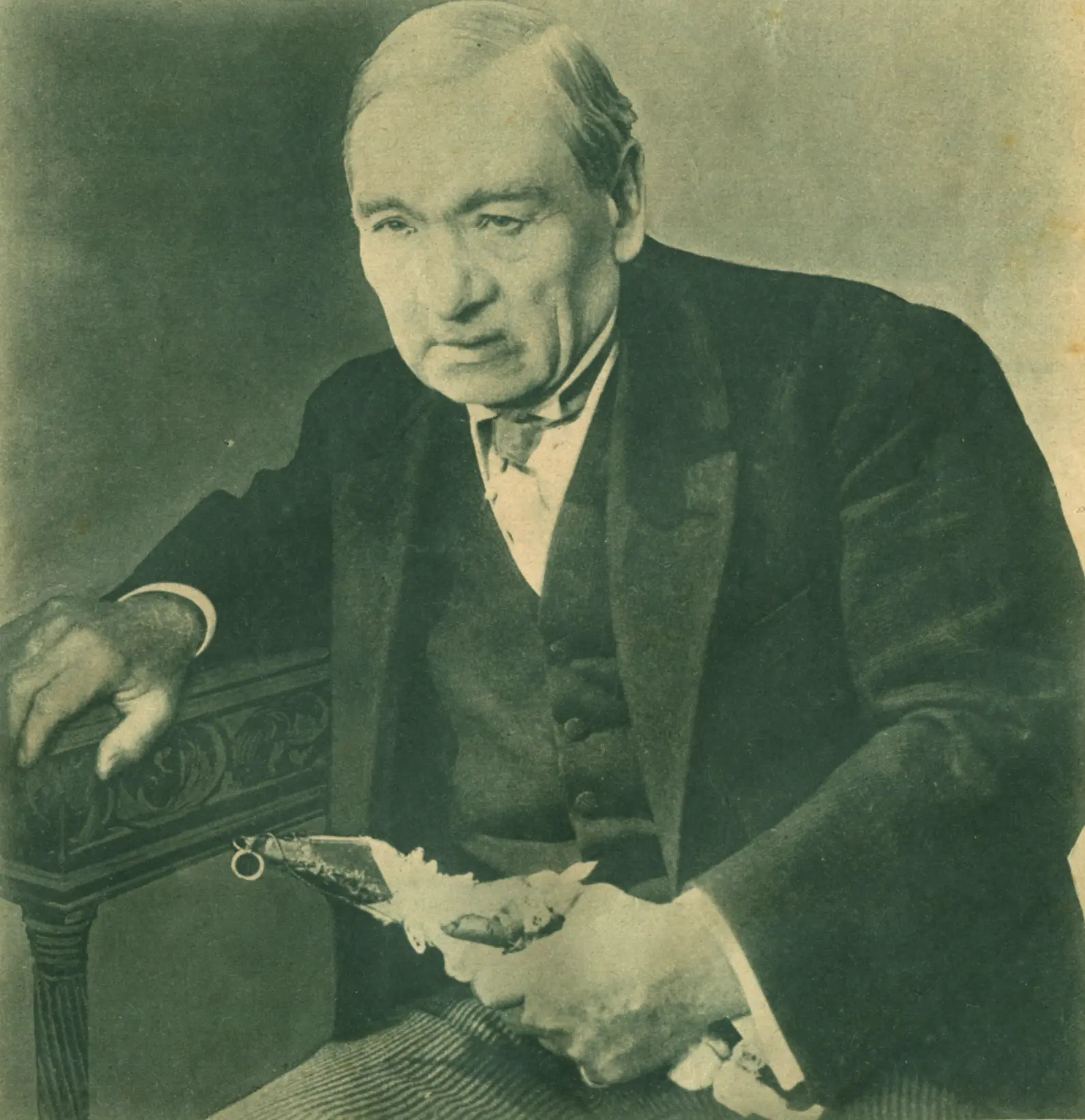
The intertitles, far from being mere plot devices, serve as poetic pronouncements, offering glimpses into the characters' thoughts and feelings, or providing crucial exposition with a dramatic flourish. They are carefully integrated into the visual flow, never jarring, always enhancing the emotional impact. Hervil's ability to orchestrate these elements—performance, setting, and intertitle—into a cohesive and emotionally resonant whole is what elevates 'Le secret de Polichinelle' beyond a simple melodrama into a work of considerable artistic merit. One can observe a similar meticulousness in the narrative construction and visual eloquence of films like Ircin románek I., where the director's vision guides the audience through complex emotional journeys with subtle, yet powerful, visual cues.
The title itself, 'Le secret de Polichinelle,' refers to a secret that everyone knows but pretends not to, a public secret. This concept is central to the film's thematic core. It delves into the societal hypocrisy that often demands outward conformity while condoning hidden transgressions, as long as they remain unacknowledged. The film brilliantly dissects the fragility of reputation, the suffocating grip of social expectations, and the destructive consequences of living a lie. Genevieve's agony is not just personal; it is a reflection of a society that punishes deviation from its rigid moral codes with unforgiving severity.
Beyond the immediate drama, the film explores universal themes of love, betrayal, sacrifice, and the often-painful path to redemption. It questions the lengths to which individuals will go to protect their loved ones and the inherent conflict between personal desire and societal duty. The narrative's unfolding also touches upon the inexorable nature of destiny, a force that seems to guide characters towards inevitable confrontations, much like the thematic undercurrents that define Più forte del destino, where fate's hand is an ever-present, shaping influence. The raw emotion, the intricate character studies, and the profound exploration of human morality ensure that 'Le secret de Polichinelle' remains a compelling watch, even for contemporary audiences accustomed to more overt forms of cinematic expression.
For too long, many silent films have been relegated to the archives, viewed as mere historical curiosities rather than vibrant works of art. 'Le secret de Polichinelle' serves as a powerful reminder of the rich storytelling capabilities and profound emotional depth present in this foundational period of cinema. Its rediscovery and appreciation are crucial, not only for understanding the evolution of film but also for recognizing the timeless narratives that continue to resonate across generations.
The film's exploration of family secrets, the pressure of maintaining appearances, and the ultimate cost of deception are themes that transcend its specific historical context. In an age where public image is meticulously curated and personal lives are often lived under the scrutiny of digital eyes, the anxieties depicted in 'Le secret de Polichinelle' feel surprisingly current. It prompts us to consider the secrets we keep, the facades we maintain, and the true meaning of honor and authenticity. This is not just a film; it is a profound meditation on the human condition, a testament to the enduring power of cinema to reflect and question our deepest values.
In its quiet intensity, its meticulous character development, and its unflinching gaze at the complexities of human morality, 'Le secret de Polichinelle' stands as a compelling argument for the continued exploration of silent cinema. It is a work that rewards patience and invites contemplation, leaving an indelible mark on the viewer long after the final frame has faded. It's a journey into the heart of a secret, and the enduring human struggle to reconcile truth with desire, a narrative as potent today as it was a century ago. Its nuanced exploration of domestic turmoil and the devastating impact of hidden truths can find echoes in the intense family dramas like Called Back, where personal histories dictate future suffering. This cinematic experience is a poignant reminder that the greatest dramas often unfold in the silent spaces between words, in the unspoken desires and fears that define us all.

IMDb —
1919
Community
Log in to comment.