DbcultAccessing Vault...
5.7/10
Senior Film Conservator
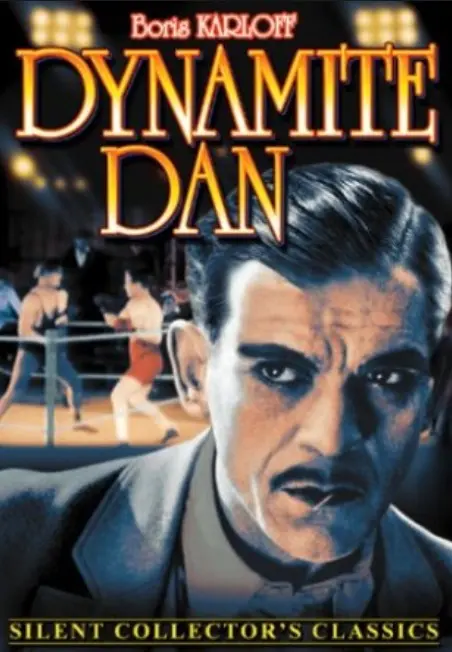
A definitive 5.7/10 rating for a film that redefined the boundaries of cult cinema. Dynamite Dan remains a cornerstone of transgressive art.
A deep dive into the 1924 classic that redefined the choreography of cinematic combat.
In the pantheon of early twentieth-century cinema, few genres captured the raw, unadulterated essence of the American spirit quite like the boxing melodrama. Dynamite Dan, released in 1924, stands as a quintessential artifact of this era—a film that eschews the polished artifice of later studio gloss in favor of a gritty, sweat-soaked realism that feels surprisingly modern. Directed with a keen eye for physical movement by Bruce Mitchell, the film serves as a vehicle for Kenneth MacDonald, whose portrayal of the titular Dan provides a blueprint for the underdog archetypes that would eventually populate the works of Stallone and Scorsese decades later.
The narrative scaffolding of Dynamite Dan is deceptively simple, yet it carries the weight of a thousand gymnasium stories. We witness the discovery of a phenom, a man whose natural aptitude for violence is harnessed and refined into a craft. Unlike the more fantastical elements found in contemporary serials like Fantomas - On the Stroke of Nine, Mitchell’s work here is grounded in the tactile. Every frame feels heavy with the scent of liniment and the humidity of a crowded arena. The film’s pacing mirrors the rounds of a championship bout: periods of strategic buildup followed by explosive bursts of action that leave the audience breathless.
While Kenneth MacDonald anchors the film with a performance of quiet intensity and physical prowess, the supporting cast provides a fascinating cross-section of 1920s talent. The presence of Mary Brian offers a necessary emotional counterpoint to the brutality of the ring. Her performance provides the romantic tether that prevents the film from descending into mere spectacle. There is a tenderness in the scenes between Dan and Brian that evokes the same kind of earnest sentimentality found in What Love Will Do, yet it is tempered by the looming threat of Dan's dangerous profession.
Of particular interest to modern cinephiles is the appearance of a young Boris Karloff. Long before he became the definitive face of gothic horror, Karloff was a versatile character actor, and his involvement here adds a layer of historical intrigue. Even in this early role, Karloff possesses a magnetic screen presence that draws the eye, hinting at the gravitas he would later bring to the screen. The ensemble, featuring veterans like Max Asher and Frank Rice, creates a lived-in world that feels far more expansive than its runtime suggests. They populate the background with the kind of characteristically rich faces that were the hallmark of silent cinema—faces that told stories without the need for a single title card.
The visual language of Dynamite Dan is one of high contrast and dynamic framing. The boxing sequences are not merely filmed; they are choreographed with a rhythmic precision that emphasizes the impact of every blow. The camera, often static in this era, seems to lean into the action, capturing the spray of sweat and the recoil of muscle. This isn't the static, stagey presentation one might find in The Fortune Teller; rather, it is a precursor to the kinetic cinematography that would define the sports genre.
The lighting, too, plays a crucial role. The gymnasiums are draped in shadows, with light cutting through the gloom to highlight the contours of the fighters' bodies. This chiaroscuro effect lends the film a noir-ish quality, suggesting that the ring is a place of both salvation and potential damnation. When Dan steps into the light of the arena, the shift in atmosphere is palpable—the transition from the private struggle of training to the public performance of the fight is handled with a sophistication that rivals the dramatic tension of Michael Strogoff.

At its core, Dynamite Dan is an exploration of the American Dream through the lens of pugilism. Dan is the Everyman, a figure who uses his only capital—his body—to escape the crushing weight of obscurity. This theme of upward mobility through grit and determination was a staple of the era, seen in various forms in films like Pure Grit. However, Mitchell and his writers, Enoch O. Van Pelt and Bruce Mitchell, infuse the story with a specific kind of urban anxiety. The city is a character in itself—a sprawling, indifferent machine that Dan must conquer one opponent at a time.
The film doesn't shy away from the darker aspects of the sport. We see the toll the ring takes on the human spirit, the isolation of the athlete, and the predatory nature of those who seek to profit from Dan’s success. It lacks the whimsical escapism of June Madness or the lighthearted antics of Call a Taxi. Instead, it offers a sobering look at the cost of fame. Dan’s rise is meteoric, but the film constantly reminds us of the gravity waiting to pull him back down.
The screenplay by Enoch O. Van Pelt is a masterclass in silent-era economy. Every scene serves a dual purpose: advancing the plot while deepening our understanding of Dan’s internal landscape. The dialogue—conveyed through sparse but impactful title cards—avoids the purple prose often found in melodramas like Her Moment. Instead, the writing is punchy and direct, much like its protagonist. The conflict is clearly defined, and the stakes are expertly escalated, leading to a climax that feels earned rather than manufactured.
The romantic subplot involving Mary Brian is integrated with a deft touch. It never feels like a distraction from the main action; rather, it provides the emotional stakes that make the final fight so resonant. We aren't just rooting for Dan to win a title; we're rooting for him to secure a future for himself and the woman he loves. This integration of domestic drama and sports spectacle is a difficult balance to strike, but Dynamite Dan manages it with a grace that puts many of its contemporaries to shame, including more sprawling narratives like Armenia, the Cradle of Humanity.
Viewing Dynamite Dan today is a revelatory experience. It serves as a reminder that the fundamental power of cinema—the ability to capture human movement and emotion in a way that transcends language—was fully formed even in the 1920s. While it may lack the technical wizardry of modern blockbusters, it possesses a soul and a sincerity that are often missing from contemporary fare. It doesn't need CGI to make us feel the impact of a punch; it uses editing, lighting, and performance to create a visceral reality.
The film also stands as a fascinating bridge between the different styles of the era. It has the ruggedness of a Western like Bull Arizona - The Legacy of the Prairie and the urban tension of Beatrice Fairfax Episode 9: Outside the Law. It is a synthesis of the various anxieties and aspirations of the 1920s, distilled into the story of a man who fights because he has no other choice.
Ultimately, Dynamite Dan is a triumph of silent storytelling. It is a film that understands the poetry of the body and the drama of the ring. It treats its characters with respect and its audience with intelligence. For those willing to look past the absence of sound, there is a symphony of emotion to be found in Dan’s journey. It is a work of art that, much like its hero, refuses to stay down, continuing to punch above its weight a century after its initial release. Whether you are a fan of boxing, a student of film history, or simply a lover of great storytelling, Dynamite Dan is an essential watch—a knockout in every sense of the word.
If you enjoyed the comedic timing of A Pair of Sixes or the frantic energy of Monty Works the Wires, you might find the intensity of Dynamite Dan a jarring but welcome shift. It is a stark departure from the lightheartedness of Don't Call Me Little Girl, offering instead a gritty, uncompromising look at the price of glory. It remains one of the most vital examples of early sports cinema, a testament to the enduring power of the underdog story.
IMDb 5.9
1930
Community
Log in to comment.