DbcultAccessing Vault...
4.1/10
Senior Film Conservator
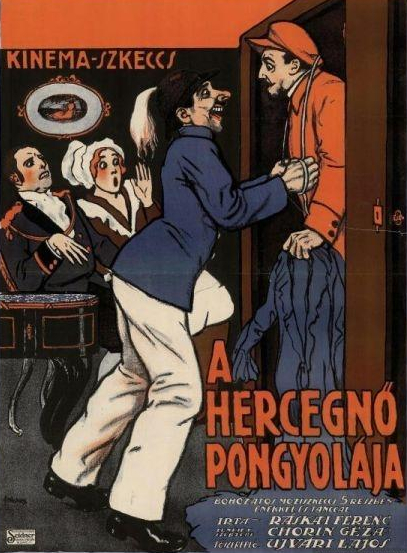
A definitive 4.1/10 rating for a film that redefined the boundaries of cult cinema. A hercegnö pongyolája remains a cornerstone of transgressive art.
A Shift of Stars and Ash
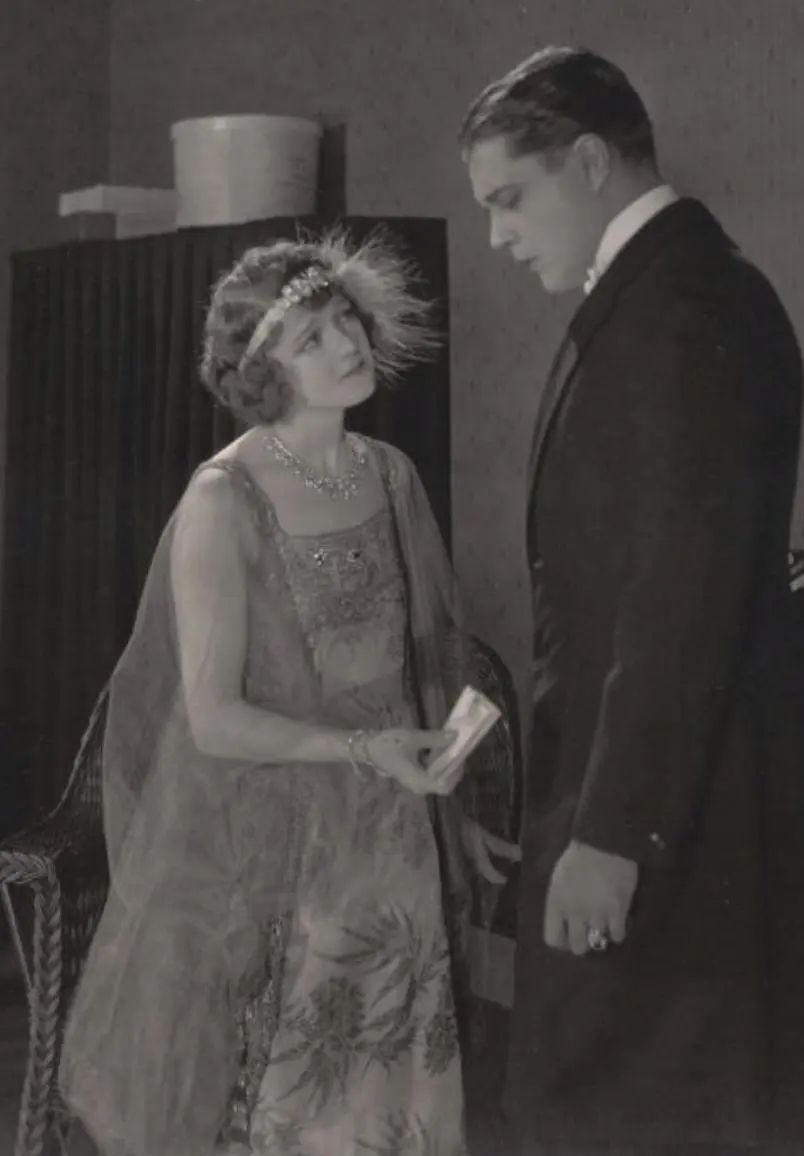
Strip away the velvet and what remains is linen soaked in gun-smoke dreams: Ferenc Ráskai’s screenplay, itself a clandestine pamphlet, lets Vilma Gombócz’s princess smuggle revolution under the guise of sleepwear. The pongyola—part nightgown, part shroud—becomes a palimpsest where dynastic crests are over-written with the salt of common sweat. In 1917, while Europe’s trenches devoured sons, Hungarian audiences watched a woman unravel empire with a needle; the irony still stings like chilled iron. The camera, static yet voyeuristic, lingers on hems and handshakes longer than on crowns, implying sovereignty is sewn, not ordained.
Károly Árnyay’s cartographer is no swashbuckler—his parchment skin seems forever on the verge of tearing along fault lines of hunger. When he spreads maps across the princess’s lap, the act feels more intimate than any kiss; borders blur under fingertips, geography becomes erotic archaeology. Their chemistry is a slow burn of ink and incense, recalling the doomed yearning in Love Everlasting yet trading fatalism for insurrectionary spark.
Margit Koppány delivers opium ennui with the precision of a watchmaker counting down to detonation. Watch her pupils dilate when the princess curtsies: the duchess sees not a royal heir but a mirror capable of reflecting her own unspoken treason. Koppány’s performance is a master-class in negative charisma—power maintained by withholding, not displaying.
Meanwhile, Lajos Ujváry’s jester pirouettes on the liminal edge between fool and prophet. His bells jangle out of sync with the orchestral score, creating a temporal stutter that anticipates post-modern foley experiments by half a century. Every somersault is a protest against linear time; every grimace, a prophecy of the empire’s collapse.
Cinematographer Ferenc Ráskai (pulling double duty as scribe) bathes corridors in pools of tallow-yellow, letting shadows devour marble like ideological termites. Note the sequence where the princess descends the spiral stairs: her silhouette bifurcates on damp stone, suggesting monarchy splitting into body politic and body corporeal. Such visual rhymes echo through Saints and Sorrows, yet here the moral binary collapses; everyone is both martyr and traitor.
The tinting—hand-applied cerulean for night, carmine for court—bleeds at the edges, as though color itself refuses to respect sovereign boundaries. This chromatic rebellion predates the expressionist jolts of Barbarous Mexico but achieves a quieter coup: the image mutinies while the characters still smile.
Contemporary exhibitors likely accompanied the reel with Liszt or a Csárdás, yet the film’s true score is the hush of thread through cloth, the clandestine scratch of quill on vellum. The silence is so assertive one begins to hear the projector’s sprockets as courtly intrigue—each click a footstep outside the bedchamber, each flicker a torch nearing the armory.
Compare this to the thunderous orchestration that propels Arizona; here, quietude weaponizes anticipation. When the coronation bell finally tolls, the shockwave is percussive precisely because the film trains us to dread silence.
Costume logic operates on dream-time causality: the pongyola appears plain at first, but candlelight coaxes out constellations stitched in hair-thin silver. Astronomers in the audience would recognize Orion askew—deliberate, a constellation not for navigation but for sedition. Embroidery becomes espionage; fashion, a future manifesto.
Contrast this with the sartorial bravado of One Wonderful Night, where gowns announce identity. Here, the gown conceals, then reveals, then disintegrates—mirroring the instability of monarchy itself.
What makes the film quietly radical is its refusal to equate femininity with fragility. The princess wields softness as insurgency; her needle pierces velvet like a dagger through parchment. Traditional fairy-tales groom heroines for matrimonial annexation—this princess eyes the atlas and rewrites it. Imagine Joan of Arc trading armor for lingerie yet retaining tactical ascendancy; that cognitive dissonance fuels every frame.
Scholars often cite Jess for proto-feminist swagger, but Jess’s revolt is individual. Gombócz’s heir catalyzes collective upheaval, her linen banner summoning multitudes, prefiguring the 1918 Aster Revolution by mere months.
Shot in the waning days of the Habsburg twilight, the production smuggled artillery-grade subtext past imperial censors. Reviewers of the time praised its “pastoral charm,” blind to the republican pollen dusting every scene. Modern viewers, hindsight-armed, can almost smell cordite beneath the lavender water; the film’s final tableau—palace doors flung outward—anticipates the 1918 proclamation of the First Hungarian Republic.
In this historical echo chamber, the princess’s gown functions like the red ribbon in Damaged Goods—a synecdoche for societal infection, yet here the disease is liberty, contagious and uncontainable.
Lost for decades, a nitrate print surfaced in a Transylvanian monastery in 1998, water-damaged but legible like a palimpsest of prophecy. The Hungarian National Film Archive’s 4K restoration rekindled colors using chemical forensics—spectrography of pollen grains caught in the emulsion guided the palette. The result: images shimmer like moths caught in lamplight, fragile yet persistent.
Unlike the pristine nostalgia peddled by The Remittance Man, this restoration preserves scars—every scratch a witness, every flicker a heartbeat. It invites viewers to savor decay as political testimony: empires rot, film rots, yet ideas—like linen-threaded stars—persist.
How do you measure a film that wears its insurrection inside a nightgown? It wins no epic battles yet topples dynasties in the viewer’s cortex. It sings no anthems yet leaves you humming the hush before revolt. It romances not with grand gestures but with shared glances across cartographic skin. A hercegnő pongyolája is less a movie than a lullaby soaked in gunpowder—once heard, the echo stitches constellations inside your eyelids, and every bedtime thereafter feels like a conspiracy.
Seek it out in the_archive’s streaming portal, project it on the widest wall you own, let the candle-yellow tints leak onto your furniture. When the final frame fades to sea-blue dusk, you may find yourself checking the seams of your own garments, wondering what maps and manifestos slumber in the fold.
IMDb —
1926
Community
Log in to comment.