DbcultAccessing Vault...
5.2/10
Senior Film Conservator
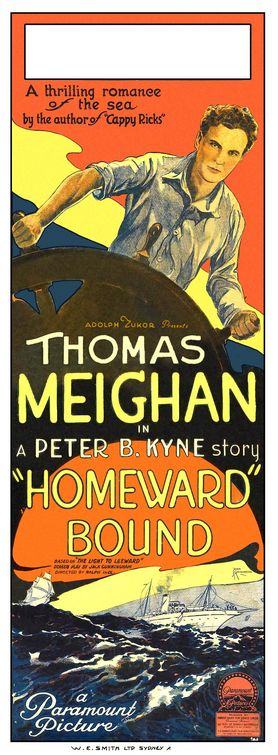
A definitive 5.2/10 rating for a film that redefined the boundaries of cult cinema. Homeward Bound remains a cornerstone of transgressive art.
The 1923 film Homeward Bound is a cinematic masterpiece that delves into the very essence of human existence. Directed by Paul Sloane, this silent drama tells the story of seven individuals from diverse backgrounds, who find themselves on a ship in the middle of an endless ocean, with no recollection of how they got there. The group, comprising Cyril Ring, Maude Turner Gordon, Lila Lee, Hugh Cameron, Charles S. Abbe, William P. Carleton, and Gus Weinberg, must navigate the treacherous waters, both physically and emotionally, in order to survive.
As the story unfolds, the group faces numerous challenges, from raging storms to dwindling supplies, forcing them to confront their own mortality and the true meaning of survival. The film's use of light and shadow creates a sense of tension and foreboding, drawing the viewer into the world of the characters. The cinematography, handled by Charles Rosher, is breathtaking, capturing the vast expanse of the ocean and the tiny, fragile existence of the human beings adrift upon it.
The cast delivers powerful performances, bringing depth and nuance to their characters. Thomas Meighan and Katherine Spencer stand out in particular, their on-screen chemistry palpable as they navigate the complexities of their relationship. The supporting cast, including Cyril Ring and Maude Turner Gordon, add richness and texture to the narrative, their characters' backstories and motivations slowly revealed as the story progresses.
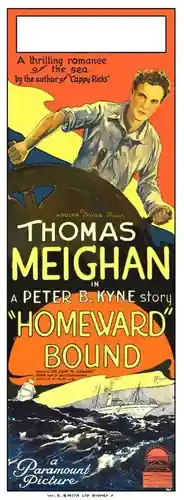
In comparison to other films of the era, such as A Motion to Adjourn and Black Oxen, Homeward Bound stands out for its thought-provoking themes and its use of the ocean as a metaphor for the human condition. The film's exploration of the unknown, both within and without, is reminiscent of The Heritage of Hate, while its use of suspense and tension is comparable to Éj és virradat.
The film's screenplay, written by Peter B. Kyne, Jack Cunningham, and Paul Sloane, is a masterclass in storytelling, slowly unraveling the mysteries of the characters' pasts and the circumstances that brought them to this desolate place. The narrative is full of unexpected twists and turns, keeping the viewer on the edge of their seat as they attempt to piece together the puzzle alongside the characters.
In addition to its technical merits and performances, Homeward Bound is also notable for its themes of survival, redemption, and the human condition. The film raises important questions about the nature of existence and the meaning of life, inviting the viewer to reflect on their own place in the world. The movie's use of the ocean as a symbol of the unknown is a powerful metaphor, highlighting the fragility and beauty of human existence.
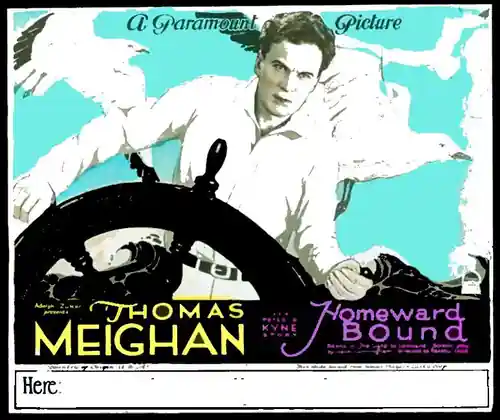
Other films, such as Fleeced for Gold and Camping Out, may touch on similar themes, but Homeward Bound stands out for its nuanced and thought-provoking exploration of the human experience. The film's influence can also be seen in later movies, such as Open Places and The Paleface, which also explore themes of survival and redemption in the face of adversity.
The movie's cinematography and direction are also noteworthy, with Paul Sloane demonstrating a keen eye for detail and a deep understanding of the medium. The film's use of light and shadow creates a sense of depth and texture, drawing the viewer into the world of the characters. The cinematography, handled by Charles Rosher, is breathtaking, capturing the vast expanse of the ocean and the tiny, fragile existence of the human beings adrift upon it.
In conclusion, Homeward Bound is a masterpiece of cinematic storytelling, a film that will leave viewers on the edge of their seats and invite them to reflect on the human condition. With its powerful performances, breathtaking cinematography, and thought-provoking themes, this movie is a must-see for anyone interested in the art of filmmaking. The film's influence can be seen in later movies, such as The Joyous Liar and The Light Within, which also explore themes of survival and redemption in the face of adversity.
The film's legacy can also be seen in the work of later directors, such as those who worked on Nip and Tuck and Charity Castle. The movie's use of suspense and tension is also reminiscent of The Flames of Justice, while its exploration of the human condition is comparable to Defense of Sevastopol. The film's influence can also be seen in the work of later writers, such as those who worked on Something to Think About.
IMDb —
1919
Community
Log in to comment.