DbcultAccessing Vault...
Cult Review
Senior Film Conservator
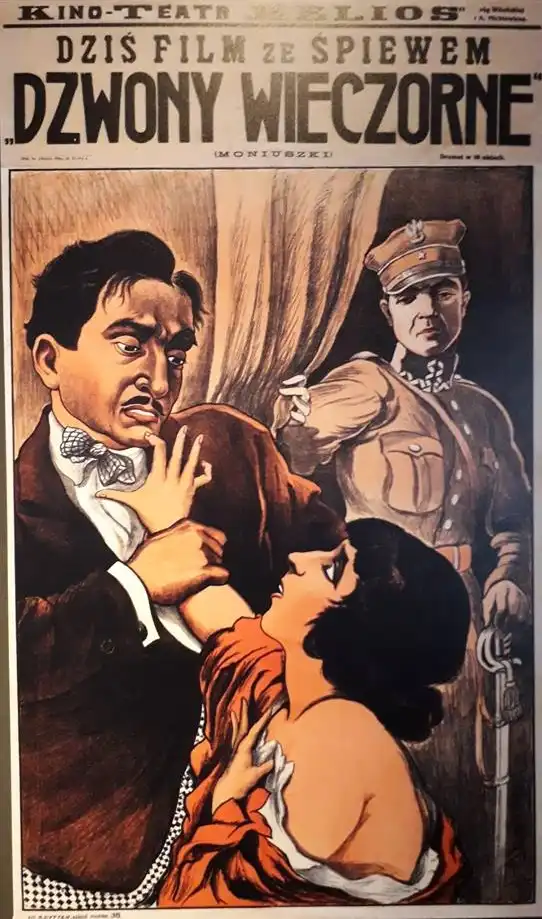
Is Dzwony wieczorne worth your time? For the average viewer, the answer is a firm no. This film is a stiff, overly sentimental relic that prioritizes theatrical posturing over genuine human emotion. It is a work specifically for those obsessed with the Polish interwar period or historians documenting the evolution of silent cinema in Eastern Europe. For anyone else, the experience is likely to be a test of patience.
This film works because it captures the specific, almost claustrophobic aesthetic of the Polish bourgeoisie in the late 1920s. It fails because the narrative is a collection of tired tropes about 'forbidden love' that felt dated even a century ago. You should watch it if you enjoy analyzing the transition from stage acting to screen performance, or if you want to see the roots of the Polish soap opera tradition.
The plot of Dzwony wieczorne is as subtle as a sledgehammer. Director Antoni Zagórski leans heavily into the 'roses and thorns' metaphor, treating every romantic gesture as a setup for immediate misery. Nina Wirska plays the lead with a level of wide-eyed desperation that was common in the era but feels exhausting by the second act. Every time she reaches for a rose, you can practically hear the director shouting from the sidelines that she is about to be pricked.
Unlike more sophisticated silent films of the same year, such as the works coming out of the German Expressionist movement or the Soviet montage school, Dzwony wieczorne feels trapped in the past. It relies on long, static shots and an abundance of intertitles to explain emotions that the actors aren't quite capable of conveying through movement alone. The 'forbidden' nature of the romance is never truly felt; it is merely stated as a fact of the screenplay.
The performances by Feliks Kalinowski and Antoni Zagórski are particularly wooden. They move through the sets with a rigid formality that makes them feel less like people in love and more like mannequins being moved from one high-society drawing room to another. There is a lack of the kinetic energy found in contemporary films like Protéa or even the lighter, more agile storytelling of La La Lucille.
The chemistry between the leads is non-existent. When they look at each other, they seem to be looking at the marks on the floor rather than into each other's souls. This emotional void makes the tragic ending feel unearned. If we don't believe in the love, we certainly don't care about the thorns that follow. The film treats the 'evening bells' almost like a horror movie jump-scare, signaling the arrival of morality just when the characters are on the verge of doing something interesting.
To give credit where it’s due, the cinematography by the uncredited camera team is competent for the period. There are moments in the final cathedral scene where the lighting creates a genuine sense of dread. The shadows are long, and the composition of the shots finally begins to tell a story that the script cannot. However, these flashes of visual insight are too few and far between.
The pacing is the film's greatest enemy. It lingers on mundane transitions for far too long, as if the director was afraid the audience wouldn't understand that a character had walked from one room to another. Compared to the pulp energy of La secta de los misteriosos, this film feels like it is moving through molasses. It lacks the punchy, direct editing that makes silent cinema survive the test of time.
Pros:
- Strong production design that captures the era's bourgeois aesthetics.
- A few sequences of effective, moody cinematography.
- Interesting as a historical artifact of Polish film production.
Cons:
- Predictable, cliché-ridden plot.
- Leads have zero screen chemistry.
- Excessive use of intertitles to explain simple emotions.
- Pacing that makes 90 minutes feel like three hours.
Dzwony wieczorne is a film that exists more as a footnote than a living piece of art. It is a reminder that not every silent film was a step forward for the medium; some were merely content to repeat the tropes of the stage in front of a camera. Unless you have a professional reason to watch it, you are better off seeking out the more adventurous works of the late 1920s like The Dagger Woman. This one is for the archives only.
Community
Log in to comment.