DbcultAccessing Vault...
6.2/10
Senior Film Conservator
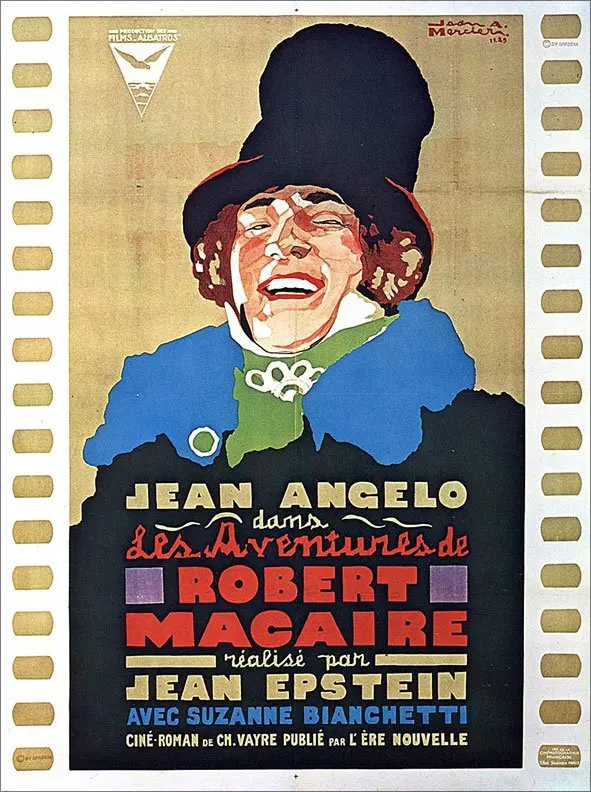
A definitive 6.2/10 rating for a film that redefined the boundaries of cult cinema. The Adventures of Robert Macaire remains a cornerstone of transgressive art.
There is a specific, electrifying alchemy found within the frames of 1920s French cinema, a period where the medium was shedding its theatrical chrysalis to become something hauntingly modern. Jean Epstein’s 1925 opus, The Adventures of Robert Macaire (Les Aventures de Robert Macaire), stands as a monumental testament to this evolution. To approach this film is to step into a world of curated chaos, where the boundaries between the hero and the villain are blurred by the sheer charisma of the protagonist. Unlike the rigid moral dichotomies found in contemporary American works like The Black Stork, Epstein embraces a picaresque fluidity that celebrates the outlaw as a philosopher of the road.
Robert Macaire, portrayed with a magnetic, almost predatory elegance by René Ferté, is not merely a bandit; he is a force of nature. He represents the ultimate subversion of bourgeois stability. When he and Bertrand (the incomparable Alex Allin) arrive in town, they do not simply commit crimes; they orchestrate social disruptions. The film captures the essence of the 'gentleman thief' long before the trope became a cinematic cliché. In this regard, the camaraderie between Macaire and Bertrand mirrors the dark, eccentric chemistry observed in The Unholy Three, yet it trades the grotesque for a certain Gallic wit and rhythmic physicality.
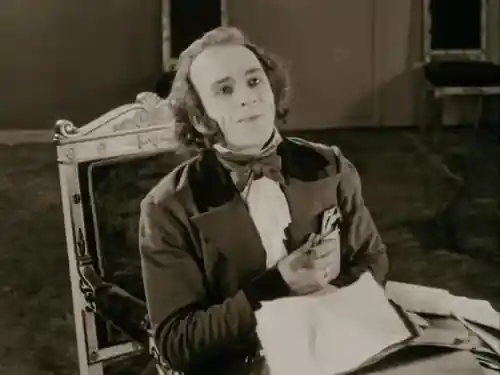
One cannot discuss this film without acknowledging Jean Epstein’s obsession with photogénie—the idea that the film camera reveals a hidden soul within objects and movements. The way the light catches the dust in a rural inn, or the fluttering of a lace handkerchief, is not accidental. It is a deliberate attempt to elevate the pulp material of a serial adventure into the realm of high art. The cinematography by Jean-Pierre Stock and his team utilizes the natural landscapes of France not as mere backdrops, but as active participants in the drama. There is a kinetic energy here that rivals the stylized freneticism of The Wildcat, though Epstein favors a more grounded, textured realism over Lubitsch’s expressionistic geometry.
The editing patterns in Robert Macaire are surprisingly sophisticated for 1925. Epstein employs rhythmic cutting to heighten the tension during the duo's narrow escapes, creating a pulse that the viewer feels viscerally. This isn't the static, proscenium-arch style of earlier silents; it is a film that breathes. We see the influence of this dynamic approach in other contemporary works that attempted to break the fourth wall of emotional distance, such as Caught in the Act, yet Epstein’s work possesses a lyrical depth that few could replicate.
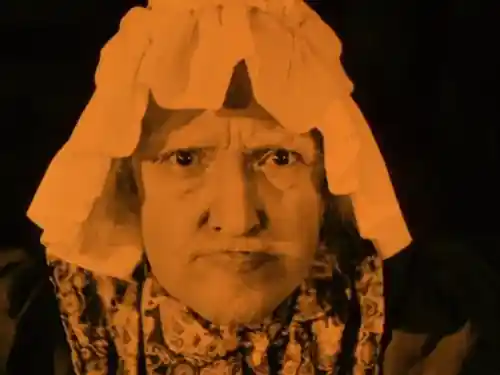
The narrative engine of the film shifts gears significantly when the element of romance is introduced. For Macaire and Bertrand, love is not a sanctuary; it is a complication. The women they encounter—portrayed with nuanced sensitivity by the likes of Suzanne Bianchetti and Marquisette Bosky—serve as the catalysts for a burgeoning conscience. This thematic pivot raises the stakes from a simple game of cat-and-mouse with the law to an internal struggle for identity. Can a man who has lived by his wits and his blade ever truly settle into the domestic tranquility hinted at in films like Pick Out Your Husband?
The romantic subplots are handled with a surprising lack of sentimentality. Instead, they are imbued with a sense of impending doom. The shadow of the gallows or the prison cell always looms large, creating a chiaroscuro of emotion where joy is always tempered by the threat of discovery. This tension is reminiscent of the atmospheric dread found in The Italian, where the environment itself seems to conspire against the protagonist's happiness. In Robert Macaire, the conflict is both external (the law) and internal (the habit of the hustle).
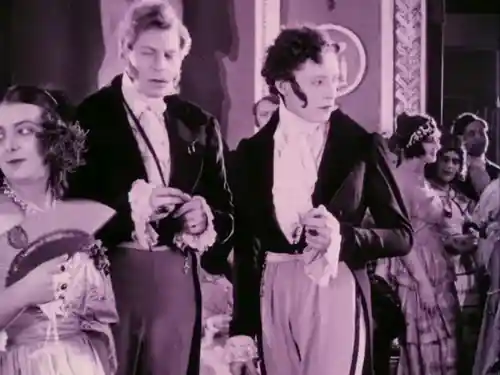
When we look at the broader landscape of 1920s cinema, The Adventures of Robert Macaire occupies a unique niche. It lacks the saccharine moralizing of Always in the Way, opting instead for a cynical, yet vibrant, worldview. It also avoids the heavy-handed melodrama of Gefangene Seele, finding humor even in the most dire circumstances. The character of Macaire himself is a precursor to the modern anti-hero, a figure who would eventually find echoes in the complex protagonists of films like The Courageous Coward.
The film’s length—originally released as a multi-part serial—allows for a luxurious exploration of character that a standard feature often misses. We see the slow erosion of Macaire’s cynicism. We see Bertrand’s loyalty tested not by gold, but by the burgeoning realization of their shared mortality. This expansive storytelling technique shares some DNA with the epic historical dramas of the time, such as Dorothy Vernon of Haddon Hall, though Epstein’s focus remains sharply on the psychological rather than the purely spectacular.
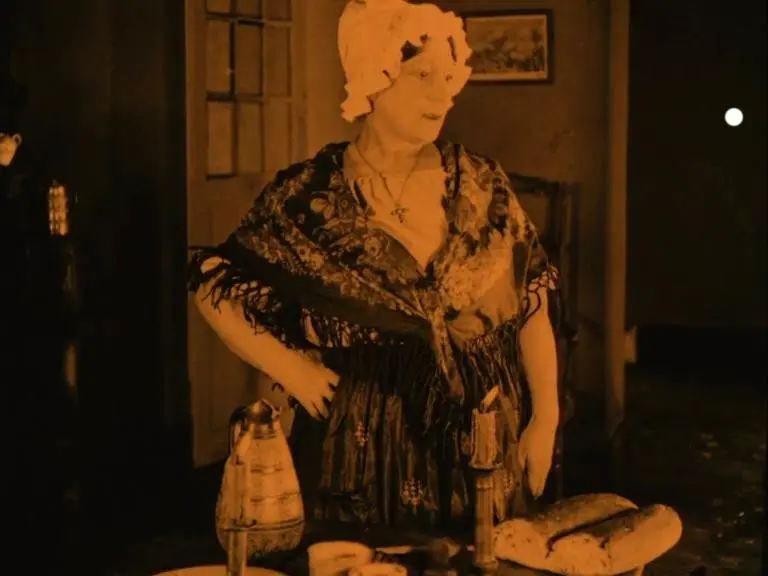
The production design of The Adventures of Robert Macaire is a masterclass in period evocation. The costumes, the carriages, the dusty roads of the French countryside—everything feels lived-in. There is none of the artificial 'cleanness' that sometimes plagues historical recreations. Instead, there is a tactile quality to the film. You can almost smell the gunpowder and the cheap ale. This level of detail is something we also see in the meticulously crafted worlds of Black Oxen, where the visual environment serves to ground the more fantastical elements of the plot.
Furthermore, the performances are remarkably restrained for the era. While silent film is often unfairly characterized by wild gesticulation, Ferté and Angelo bring a subtle intensity to their roles. Their chemistry is the bedrock of the film. They communicate volumes through a shared glance or a slight tilt of a hat. This sophisticated acting style is a far cry from the more overtly theatrical performances in The Girl and the Judge or Erlebnisse einer Sekretärin. Epstein clearly demanded a level of psychological realism from his cast that was ahead of its time.
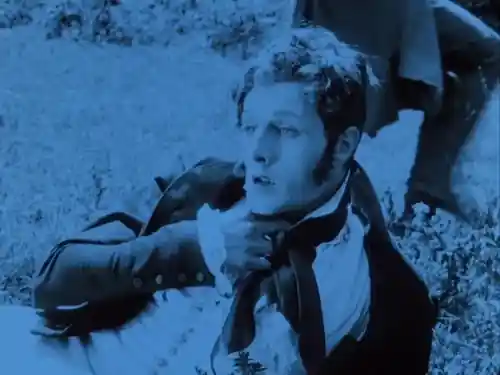
In the final analysis, The Adventures of Robert Macaire is more than just a relic of a bygone era; it is a vibrant, breathing piece of cinema that continues to challenge our perceptions of genre and morality. It is a film that refuses to be categorized. Is it a comedy? A thriller? A romance? A social commentary? It is all of these and more. It possesses the clockwork precision of a heist film like Time Lock No. 776, yet it is infused with a poetic soul that is uniquely Epstein’s.
As Macaire and Bertrand ride off into the metaphorical sunset, we are left with a sense of profound ambiguity. They have cheated death and the law once again, but the world is changing around them. The film captures a moment in history where the old world of bandits and stagecoaches was giving way to the new world of cinema and speed. Like Mouchy, it explores the fringes of society with a sympathetic yet unblinking eye. The Adventures of Robert Macaire remains a towering achievement, a reminder that even in the silence, there is a thunderous amount of story to be told. It is a mandatory viewing for anyone who wishes to understand the foundations of modern visual storytelling and the enduring allure of the charming rogue.
Critic's Verdict: A Masterpiece of Silent Subversion
"Epstein doesn't just film a story; he films the air between the characters, the tension in the stillness, and the inevitable tragedy of the free spirit."
IMDb —
1920
Community
Log in to comment.