DbcultAccessing Vault...
Cult Review
Senior Film Conservator
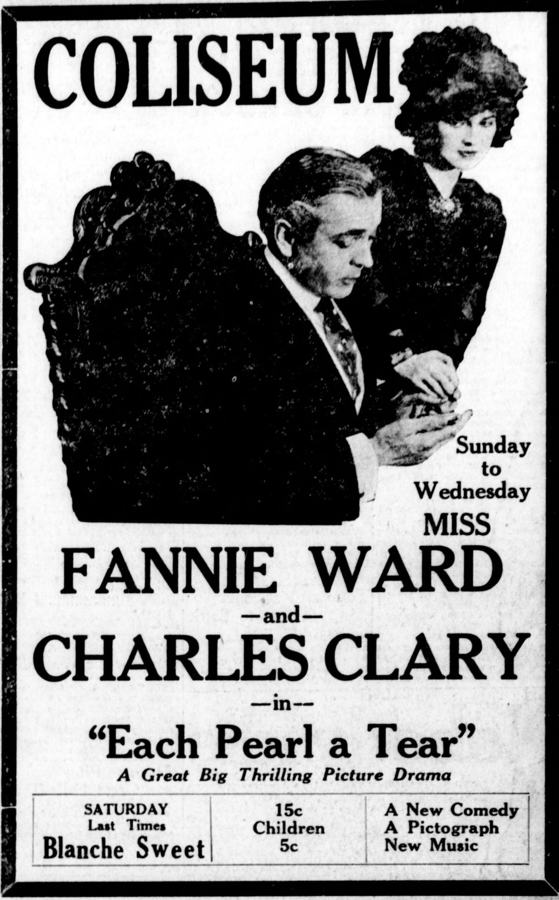
Stepping into the flickering glow of early cinema, one often finds narratives that, despite their age, resonate with a surprising contemporary relevance. Such is the case with 1916’s Each Pearl a Tear, a silent drama that delves into the often-unspoken power dynamics of its era. Directed with a keen eye for emotional nuance, this film, penned by E. Lloyd Sheldon, Leighton Osmun, and Beatrice DeMille, offers a compelling, if stark, glimpse into a world where social standing could dictate destiny and vulnerability was often exploited under the guise of opportunity. It's a fascinating artifact, not just for its historical context but for its enduring exploration of human nature's darker corners.
At its core, Each Pearl a Tear unfurls a tale of societal imbalance and the predatory impulses of privilege. We are introduced to a wealthy New York stockbroker, a man whose fortunes grant him a sense of untouchable authority and a belief in his own entitlements. This figure, portrayed with an unsettling blend of charm and menace by Charles Clary, becomes fixated on the daughter of a former employee. This isn't merely a fleeting attraction; it's a calculated pursuit, imbued with an undercurrent of control and perhaps a subtle, unspoken revenge for past slights, real or imagined. The narrative’s strength lies in its ability to paint this complex dynamic without the benefit of spoken dialogue, relying instead on the evocative power of visual storytelling and the nuanced performances of its cast.
Fannie Ward, a luminary of the silent screen, takes on the pivotal role of the young woman caught in this precarious web. Her performance is nothing short of captivating, a masterclass in conveying profound emotion through gesture, facial expression, and posture. In an age devoid of spoken words, the actor’s body became the primary conduit for character development and plot progression. Ward navigates the treacherous landscape of her character’s predicament with a delicate balance of innocence and burgeoning resilience. Her eyes, often wide with apprehension or burning with quiet defiance, communicate volumes about the internal turmoil she endures. One can almost feel the weight of societal expectations and the looming threat of compromise pressing down upon her, a testament to Ward's remarkable ability to transcend the limitations of the medium.
The silent film era demanded a unique theatricality, a larger-than-life expressiveness that could bridge the gap between abstract emotion and tangible audience understanding. Ward, like many of her contemporaries, honed this craft to perfection. Her character’s journey from a position of relative obscurity and vulnerability to one of potential defiance or tragic acceptance is charted with painstaking detail, each subtle shift in her demeanor contributing to the overarching emotional arc. It’s a performance that invites empathy and contemplation, drawing the viewer into her plight with an almost hypnotic intensity. The supporting cast, including Jack Dean, Ben Alexander, Paul Weigel, and Jane Wolfe, each contribute to the tapestry, their reactions and interactions serving to amplify the central conflict and the societal pressures at play.
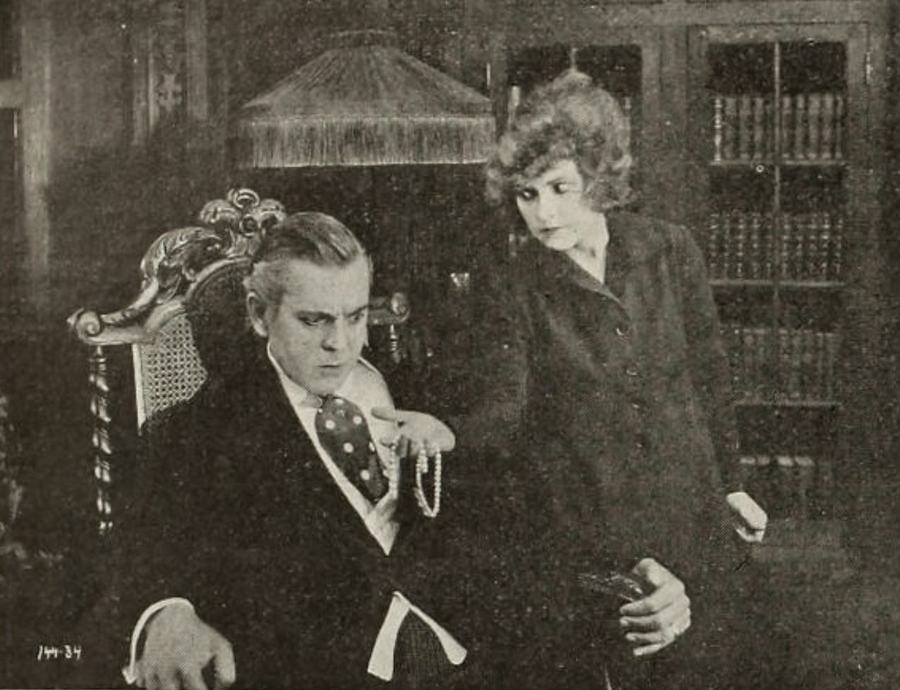
What truly elevates Each Pearl a Tear beyond a simple melodrama is its unflinching gaze at the social stratification prevalent in early 20th-century America. The stockbroker’s audacious pursuit is not merely a personal failing but a symptom of a larger systemic issue where wealth conferred near-absolute power, often at the expense of those less fortunate. The film subtly critiques this imbalance, portraying the vulnerability of individuals, especially women, who found themselves in precarious economic positions. This theme of exploitation, unfortunately, remains evergreen, making the film’s message resonate even today. The narrative explores the moral compromises forced upon individuals, the erosion of dignity, and the sheer audacity of those who believe their financial standing grants them dominion over others’ lives.
One might draw thematic parallels to other films of the period that grappled with similar issues. For instance, the stark portrayal of a woman’s struggle against societal and economic pressures in 1916’s The Sex Lure or the intricate dance of power and desire explored in Gold and the Woman, both resonate with the core anxieties present in Each Pearl a Tear. These films collectively form a fascinating cinematic dialogue about the challenges faced by women and the working class in an era of rapid industrialization and burgeoning wealth disparity. They highlight a recurring societal tension: the clash between personal integrity and the overwhelming force of economic necessity or the manipulative power of the affluent.
The directorial choices in Each Pearl a Tear are crucial to its impact. Without dialogue, the camera becomes the storyteller, its angles, compositions, and movements conveying not just plot points but also emotional states and thematic undertones. Close-ups are employed judiciously to highlight Fannie Ward’s expressive face, allowing the audience to intimately connect with her character’s inner world. Wider shots often emphasize the vast social chasm between the opulent settings of the stockbroker and the more modest surroundings of the young woman, visually reinforcing the power imbalance. The use of lighting, too, would have been paramount, with shadows often hinting at lurking danger or moral ambiguity, while brighter scenes might underscore moments of fleeting hope or deceptive charm.
The pacing of silent films, often dictated by intertitles that provided necessary exposition or dialogue, also played a significant role. Here, the rhythm likely builds gradually, allowing the tension to simmer before reaching its dramatic crescendo. The staging of scenes, the careful arrangement of actors within the frame, and their choreographed movements would have been meticulously planned to communicate narrative progression and emotional depth. It’s a testament to the ingenuity of early filmmakers that such complex stories could be told with such clarity and emotional force, predating the advent of synchronized sound. The visual language developed during this period laid much of the groundwork for cinematic grammar that persists even today, demonstrating a profound understanding of how to manipulate image for maximum narrative effect.
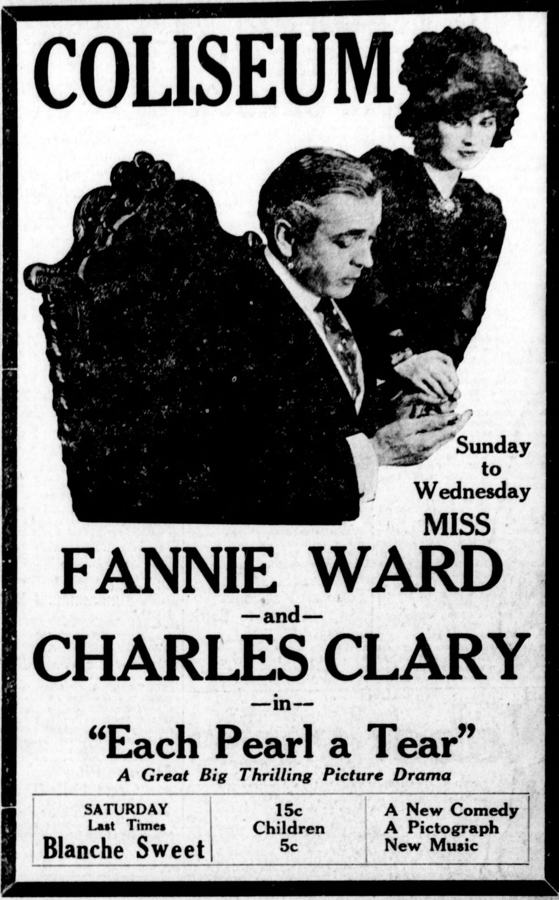
The contribution of the writers – E. Lloyd Sheldon, Leighton Osmun, and Beatrice DeMille – cannot be overstated. In silent cinema, the screenplay was not just a blueprint for dialogue but a detailed roadmap for visual storytelling. They had to conceive a narrative that could be effectively communicated through action, expression, and intertitles. Their ability to craft a compelling plot, develop characters with distinct motivations, and infuse the story with thematic weight, all within the constraints of the silent medium, speaks volumes about their talent. Beatrice DeMille, in particular, was a notable figure, contributing to a body of work that helped define early cinematic narratives. Her presence underscores the significant, though often overlooked, role women played in the foundational years of Hollywood, not just in front of the camera but behind the scenes as well.
The script for Each Pearl a Tear would have been a tightly constructed piece, relying on dramatic irony, escalating conflicts, and moments of intense emotional vulnerability. The simplicity of the core premise – a powerful man attempting to seduce a vulnerable woman – belies the sophisticated psychological undercurrents the writers undoubtedly wove into the fabric of the story. They understood that the most potent dramas often emerge from seemingly straightforward conflicts, amplified by the societal forces and personal stakes involved. Their collaborative effort forged a narrative that, while rooted in a specific time, explores universal themes of moral choice, resilience, and the corrupting influence of unchecked power. One can imagine the detailed scene descriptions and character notes that would have guided the director and actors, allowing them to bring the writers' vision to vivid, silent life.
While perhaps not as widely known as monumental epics like The Birth of a Nation, Each Pearl a Tear nonetheless holds a significant place in the tapestry of early American cinema. It represents a prevalent genre of the time, focusing on social issues and moral dilemmas, often with a melodramatic flourish. These films, though sometimes dismissed as simplistic by modern standards, were instrumental in shaping the nascent art form, experimenting with narrative techniques and developing the visual language that would become standard. They provided entertainment, but also, often subtly, offered social commentary, reflecting the anxieties and aspirations of the rapidly changing society.
Comparing it to another film like A Woman Wills, which also explored themes of female agency and societal constraints, highlights the shared cultural concerns of the era. The silent screen often became a battleground for these ideas, allowing filmmakers to explore complex human experiences through innovative visual means. Each Pearl a Tear is a poignant reminder of the enduring power of storytelling, even when stripped of one of its most potent tools—the human voice. It demonstrates that true cinematic artistry lies not just in what is heard, but in what is seen, felt, and understood through the universal language of human emotion and visual metaphor.
The film’s examination of wealth, power, and vulnerability remains strikingly relevant. In an age where economic disparities continue to widen and the influence of the powerful can often seem overwhelming, the struggles depicted in Each Pearl a Tear resonate with a disquieting familiarity. It serves as a valuable historical document, offering insight into the social mores and anxieties of its time, while simultaneously functioning as a timeless drama about human resilience and the insidious nature of moral corruption. For cinephiles and historians alike, revisiting such films is not merely an exercise in nostalgia, but a vital journey into the origins of cinematic expression and a deeper understanding of the societal narratives that continue to shape our world.
In its quiet intensity, Each Pearl a Tear offers a compelling argument for the artistic merit and enduring legacy of silent cinema. It’s a work that, despite its lack of audible dialogue, speaks volumes about the human condition, the complexities of social interaction, and the timeless struggle between good and evil, innocence and experience. It reminds us that sometimes, the most profound stories are told not with booming voices, but with the subtle flutter of an eyelid, the tense clench of a jaw, or the silent, agonizing drop of a single, solitary tear.
IMDb —
1935
Community
Log in to comment.