DbcultAccessing Vault...
6.2/10
Senior Film Conservator
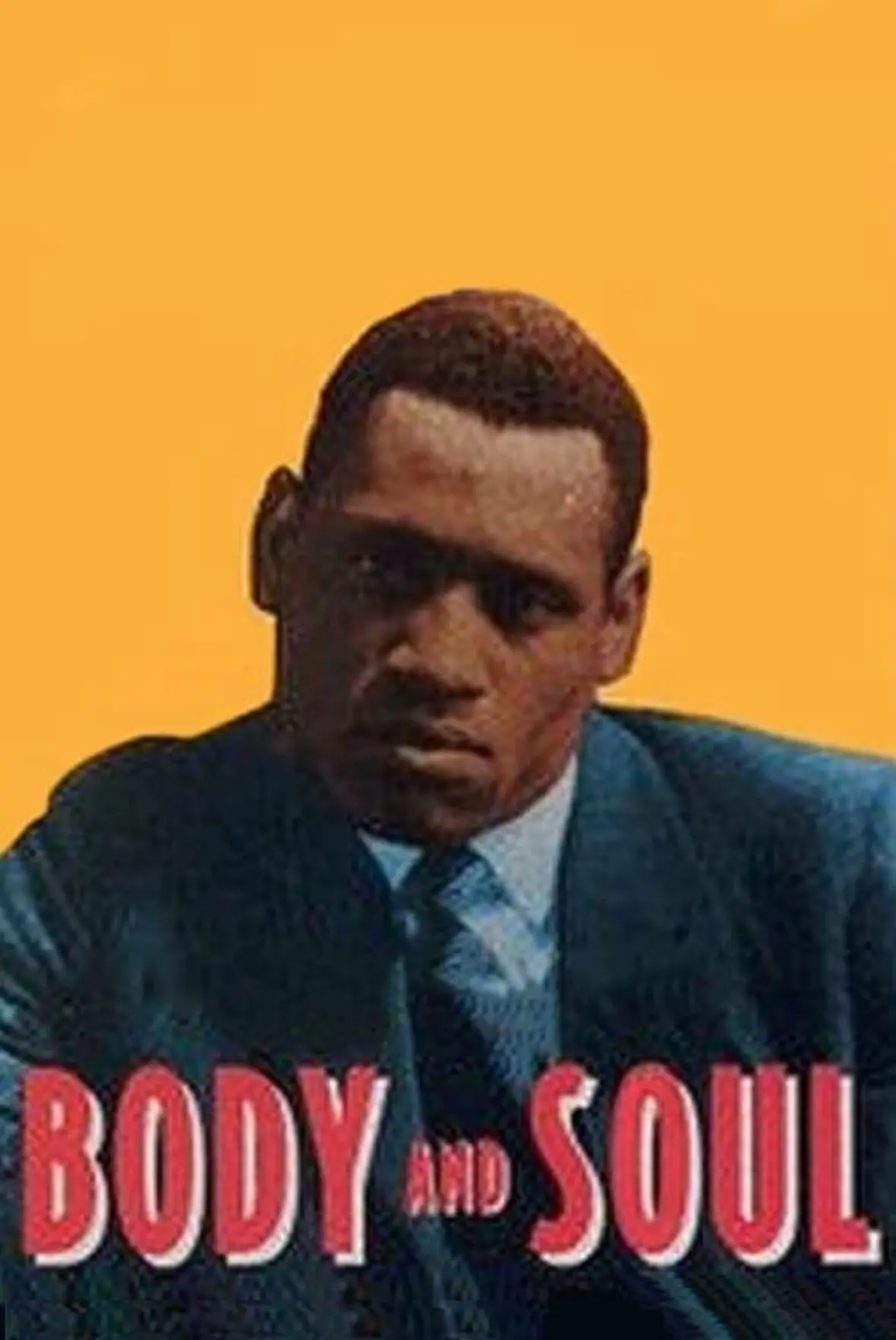
A definitive 6.2/10 rating for a film that redefined the boundaries of cult cinema. Body and Soul remains a cornerstone of transgressive art.
In the annals of American cinema, few figures loom as large or as courageously as Oscar Micheaux. A true pioneer, Micheaux defied the systemic racial barriers of his era, not merely to participate in filmmaking, but to carve out an entirely distinct cinematic landscape. His 1925 silent masterpiece, 'Body and Soul', stands as a testament to his audacious vision, his unflinching gaze into the complexities of human nature, and his commitment to portraying Black life with a depth and nuance rarely afforded by mainstream productions. This film is not just a historical artifact; it is a vibrant, searing drama that confronts moral corruption, spiritual hypocrisy, and the treacherous allure of deception, all while introducing the world to the immense talent of Paul Robeson in his unforgettable screen debut.
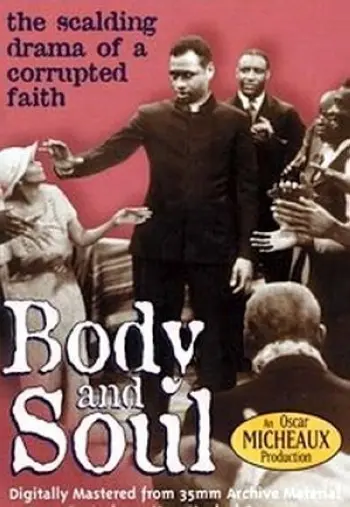
Micheaux, ever the astute observer of society, crafted a narrative that delves deep into the internal struggles within a community, rather than solely focusing on external racial conflict. This was a bold choice, distinguishing his work from many 'race films' of the period. He understood that human frailty and villainy are universal, capable of manifesting anywhere, even within the sacred confines of a church. The story he weaves is one of profound moral ambiguity, where appearances are deceiving, and the line between virtue and vice is perilously thin. It's a psychological drama that preys on the audience's assumptions, forcing a re-evaluation of what constitutes true faith and genuine character.
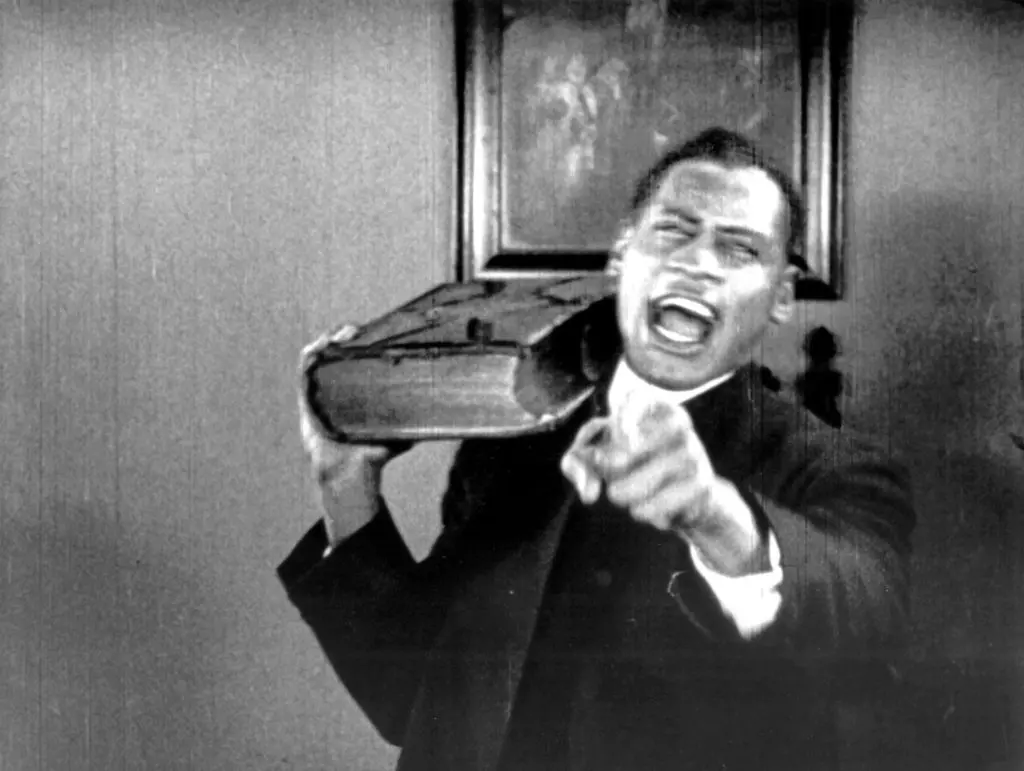
At the heart of 'Body and Soul' lies Robeson's astonishing dual performance as the Reverend Isaiah T. Jenkins and his upright, long-lost twin brother, Sylvester. Robeson, a man of colossal talent already renowned as a concert singer and stage actor, injects both roles with an electrifying presence that transcends the limitations of silent film. As Reverend Jenkins, he embodies an almost Mephistophelean charm, a serpentine charisma that draws people in even as his true intentions are nefarious. His gestures are expansive, his expressions a masterclass in controlled malevolence, conveying a character who is outwardly pious but inwardly rotten. He is a predator cloaked in clerical garb, a wolf in sheep's clothing, expertly exploiting the faith and vulnerabilities of his congregation for personal gain. This portrayal was so potent, so unsettling, that it famously drew the ire of censors, who found the depiction of a corrupt Black minister to be controversial, leading to significant cuts and alternative endings in different releases. This censorship only underscores the raw power and provocative nature of Robeson's performance and Micheaux's narrative.
In stark contrast to Jenkins, Robeson's portrayal of Sylvester is one of quiet dignity and unwavering moral fortitude. Sylvester represents the genuine article, the pure soul that Jenkins only pretends to be. While the film doesn't grant Sylvester as much screen time, his presence serves as a crucial moral anchor, highlighting the profound chasm between the brothers. This duality is not merely a clever plot device; it's a profound thematic exploration of good versus evil, temptation versus righteousness, and the internal struggle for one's soul. Robeson's ability to imbue two identical physical forms with such distinct spiritual essences is nothing short of brilliant, a performance that would be lauded in any era of cinema, let alone his very first film role.
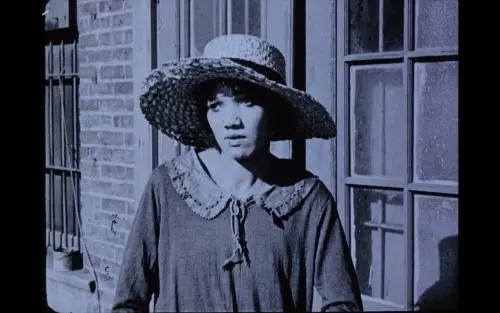
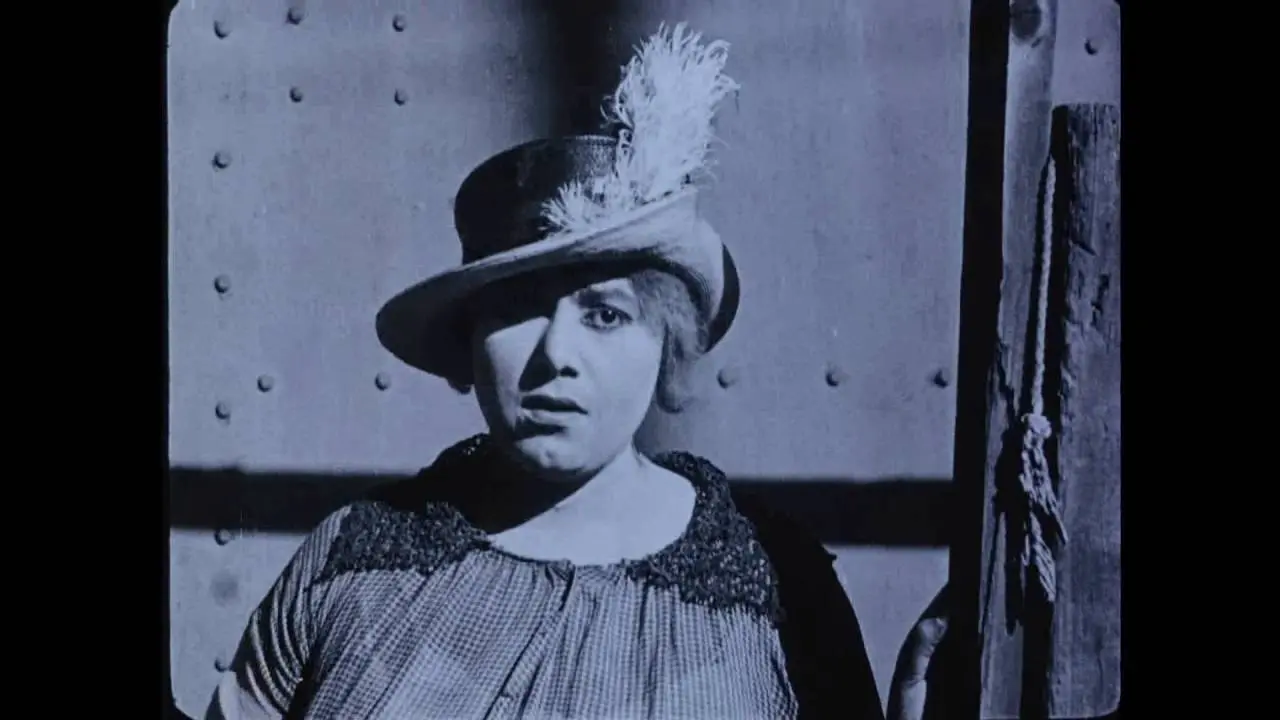
The object of Reverend Jenkins's sinister machinations is Isabelle, portrayed with poignant vulnerability by Mercedes Gilbert. Isabelle is devout, innocent, and tragically susceptible to the reverend's manipulative charms. Her love for Sylvester, the 'good' twin, becomes a devastating irony as she falls prey to the 'evil' twin's schemes. Gilbert's performance evokes a powerful sense of pathos, her wide eyes and expressive gestures conveying a woman caught in a web of deceit, her faith betrayed, and her spirit crushed. The emotional weight she carries is palpable, making her plight deeply affecting. The supporting cast, including Walter Cornick, Marshall Rogers, Lawrence Chenault, and Tom Fletcher, each contribute to the film's rich tapestry, creating a believable community fraught with both virtue and vice. Their reactions to Jenkins's sermonizing, their silent judgments, and their eventual disillusionment add layers of realism to Micheaux's vision.
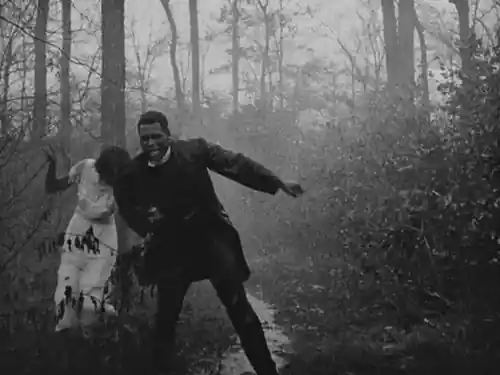
Micheaux's direction, while constrained by the technical limitations and shoestring budgets common to independent productions of the time, is remarkably effective. He understood the power of visual storytelling, utilizing close-ups to emphasize emotional states and employing a relatively straightforward, yet compelling, narrative rhythm. The film's pacing, even with its melodramatic flourishes typical of the silent era, maintains a gripping tension. He doesn't shy away from uncomfortable truths, presenting a narrative that challenges its audience to look beyond superficial piety and question the motives of those in positions of power. This boldness distinguished his work from many contemporary films, such as the more straightforward moral lessons found in 'The Majesty of the Law' or the romantic entanglements of 'Eyes of Youth', by daring to portray profound corruption within the Black community itself, a topic often avoided or sanitized.
The themes explored in 'Body and Soul' resonate with timeless relevance. It is a cautionary tale about the dangers of blind faith, the corrosive nature of hypocrisy, and the enduring struggle between good and evil. The film asks profound questions about redemption, justice, and the true meaning of spirituality. Micheaux's ability to weave these complex ideas into a compelling narrative, using the nascent language of cinema, is a testament to his genius. He wasn't just telling a story; he was engaging in a vital cultural discourse, pushing the boundaries of what was considered acceptable or even possible for Black filmmakers and actors in the 1920s.
Comparing 'Body and Soul' to other films of its era, one can appreciate its distinctive edge. While films like 'The West~Bound Limited' offered adventure and 'Little Italy' explored immigrant life, Micheaux's film ventured into much darker, more introspective territory. It shares a thematic kinship with works that explore human fallibility and the consequences of moral choices, such as 'The Betrothed' or the more direct moral quandaries of 'A kuruzsló' (The Quack), but does so with a unique cultural lens. Micheaux’s work consistently challenged the prevailing stereotypes and simplistic portrayals of Black characters, offering complex individuals capable of both profound virtue and egregious vice, a nuanced perspective that was revolutionary for its time.
The film's impact extends far beyond its initial release. It laid groundwork for subsequent generations of independent filmmakers and solidified Paul Robeson's status as a formidable screen presence. Despite the struggles with censorship and distribution, 'Body and Soul' endured, its message resonating through the decades. It stands as a powerful testament to Micheaux's unwavering dedication to telling authentic stories, even when those stories were challenging, uncomfortable, or controversial. His refusal to compromise his artistic vision in the face of immense pressure makes 'Body and Soul' not just a significant film, but a vital piece of cinematic history.
From a technical perspective, appreciating 'Body and Soul' requires an understanding of silent film conventions. The exaggerated acting styles, the reliance on intertitles for dialogue and exposition, and the often stark cinematography are all hallmarks of the era. Yet, Micheaux uses these tools with remarkable skill to convey a rich narrative tapestry. The visual language, while different from contemporary cinema, is incredibly expressive, allowing the audience to engage deeply with the characters' emotional journeys. The film's restoration efforts over the years have helped preserve its integrity, allowing modern audiences to experience Micheaux's original intent as closely as possible, free from the heavy hand of censors. It's a journey into a specific moment in cinematic history, but one whose emotional and moral core remains utterly universal.
Ultimately, 'Body and Soul' is more than just a film; it is a declaration. A declaration of artistic independence, of the power of storytelling, and of the enduring human capacity for both good and evil. It solidifies Oscar Micheaux's legacy as a cinematic trailblazer, a director who dared to challenge conventions and create a cinema that truly reflected the multifaceted experiences of his community. And it stands as a monumental showcase for Paul Robeson, whose electrifying dual performance remains one of the most compelling and complex portrayals in early film. For anyone interested in the history of American cinema, the evolution of Black representation on screen, or simply a powerful human drama, 'Body and Soul' is an indispensable and deeply rewarding viewing experience. It compels us to look beyond the surface, to question authority, and to seek out the true essence of a person, rather than being swayed by superficial charisma. It’s a film that stays with you, long after the final frame.
IMDb 7.4
1931
Community
Log in to comment.