DbcultAccessing Vault...
6.3/10
Senior Film Conservator
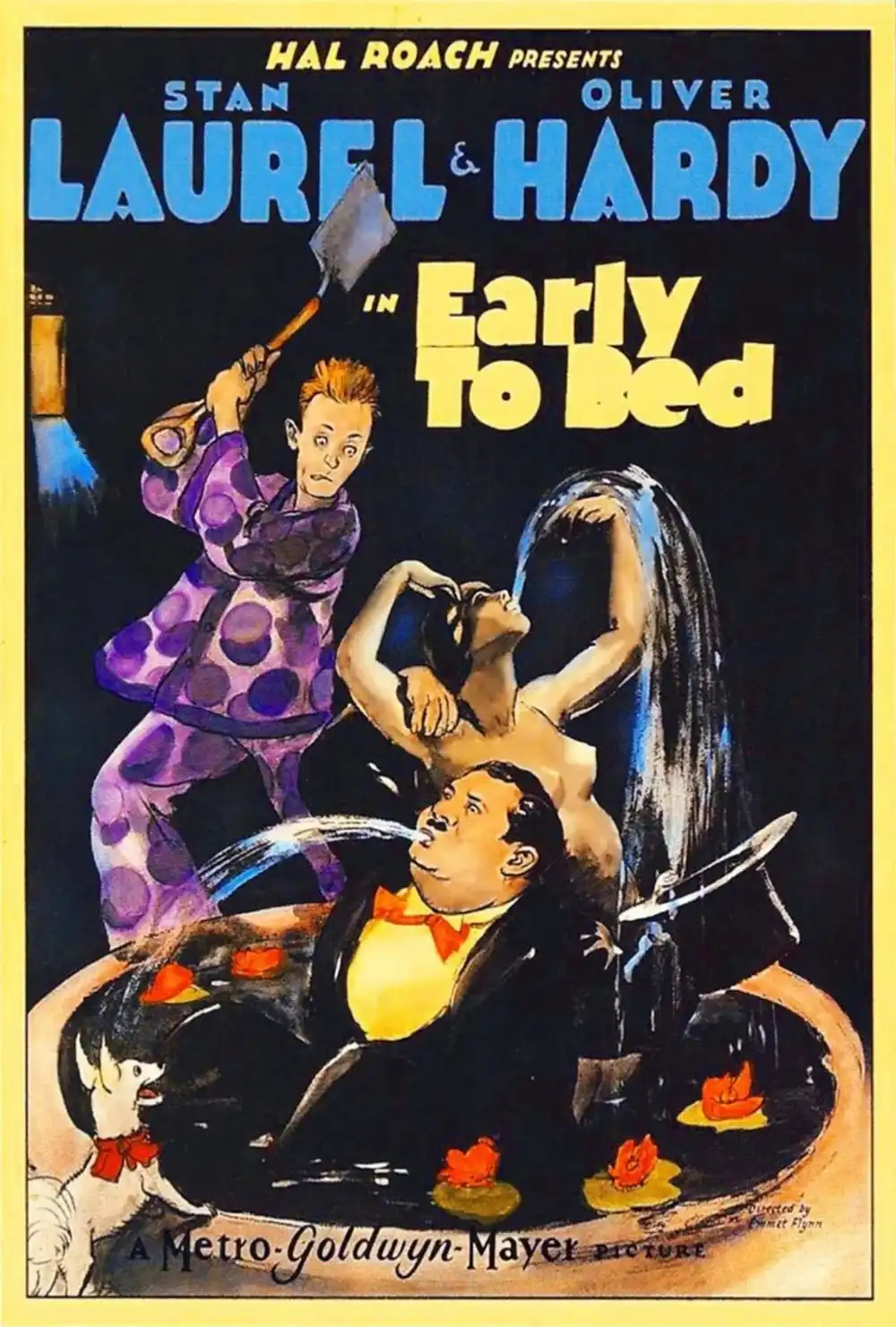
A definitive 6.3/10 rating for a film that redefined the boundaries of cult cinema. Early to Bed remains a cornerstone of transgressive art.
For anyone curious about the foundational dynamics of Laurel & Hardy’s legendary partnership, or simply in the mood for a pure, unadulterated dose of silent-era slapstick, 1928’s Early to Bed is absolutely worth watching today. This short film offers a stark, often brutal, but ultimately hilarious look at their early comedic synergy. It’s essential viewing for fans of the duo and silent comedy enthusiasts, providing a clear blueprint for the "bully and victim" dynamic that would define much of their work. However, viewers accustomed to modern pacing or those who find repetitive physical torment tedious might struggle with its relentless, cyclical nature. If you’re not already on board with silent film conventions, this isn't the gentle introduction you might be looking for.
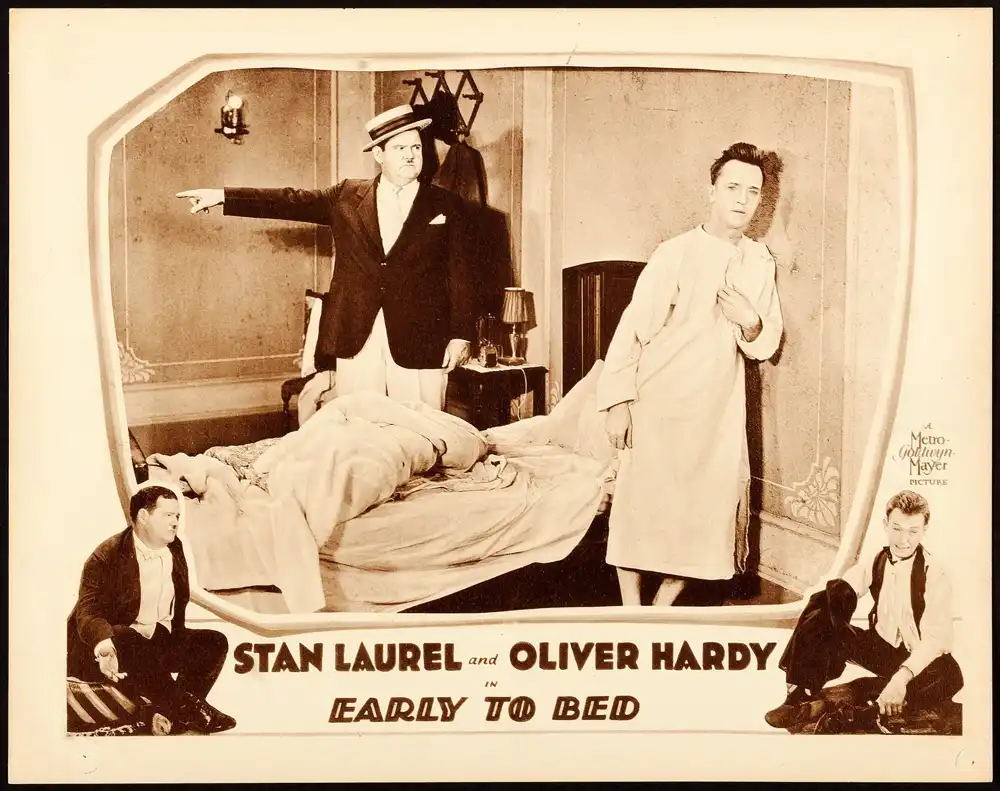
The film wastes no time establishing its premise: Oliver (Oliver Hardy), having suddenly come into money, immediately hires Stan (Stan Laurel) as his butler. From the moment Stan enters Oliver’s newly acquired, lavish home, the power imbalance is palpable, and Oliver’s smug delight in Stan’s impending misery is almost immediate. Hardy, even in these early shorts, already embodies the pompous, self-satisfied bully with an effortless grace. His expressions, from the raised eyebrow of exasperation to the slow, deliberate glare of contempt, are perfectly calibrated.
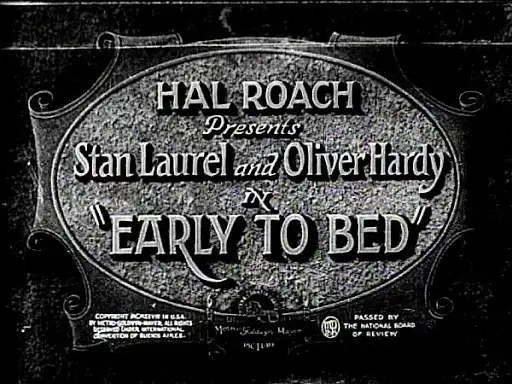
Stan, on the other hand, is the picture of wide-eyed, innocent incompetence. He’s not malicious; he simply cannot perform even the simplest task without turning it into a catastrophe. Laurel’s genius here lies in his commitment to the bit, his almost childlike attempts to please, which only serve to infuriate Oliver further. A standout moment, typical of their developing dynamic, involves Oliver instructing Stan to hang his hat and coat. Oliver carefully places the hat rack in the exact center of the frame, then turns his back with an air of expectation. Stan’s subsequent, inevitable struggle and the hat rack’s collapse feel both predictable and genuinely funny, largely due to Laurel’s frantic, escalating efforts and Hardy’s perfectly timed, slow-motion turn to witness the disaster.
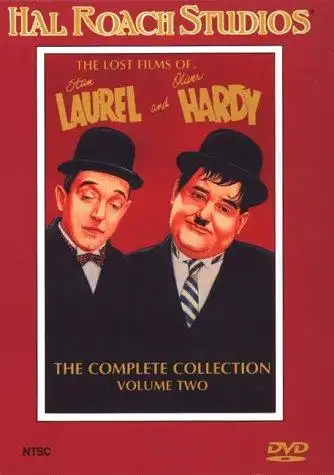
The pacing of Early to Bed is dictated by its core comedic engine: Oliver’s escalating demands and Stan’s escalating failures. The film often settles into a rhythm of Oliver presenting a task – serving breakfast, dusting, arranging furniture – Stan fumbling it spectacularly, and Oliver delivering a slow, exasperated reaction, often punctuated by a frustrated sigh or a dismissive wave. This can feel repetitive at times, a characteristic of many silent shorts designed for quick gags, but it’s precisely this repetition that builds the pressure cooker environment for Stan’s eventual eruption.
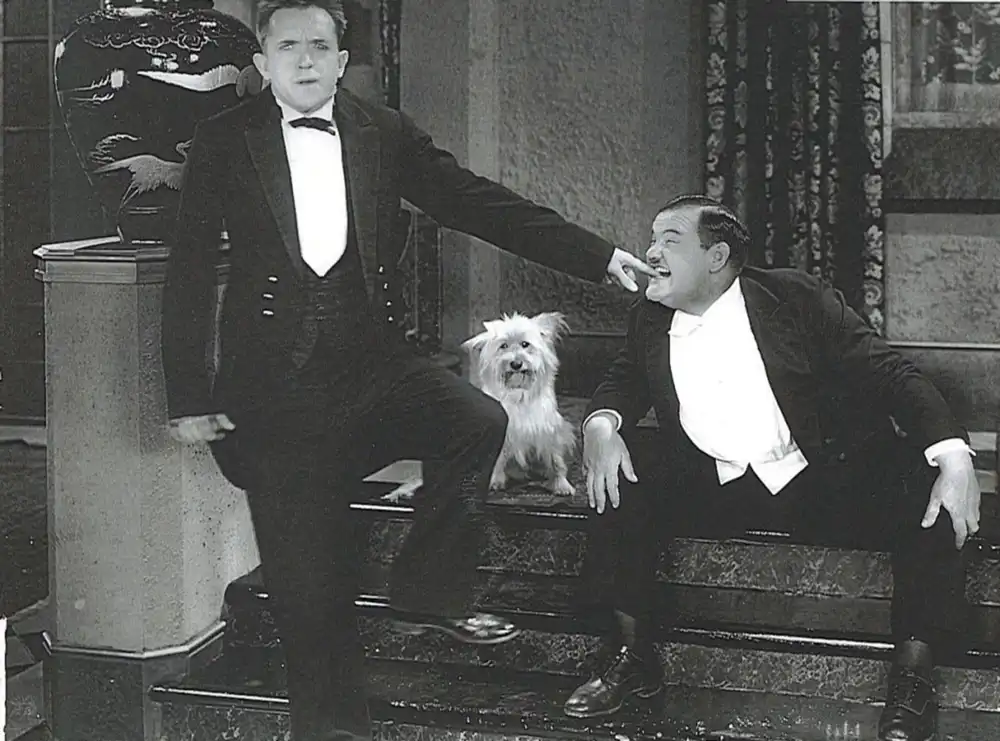
Visually, the film makes effective use of its opulent set pieces. Oliver’s mansion is filled with expensive-looking, breakable items: ornate vases, delicate lamps, grand furniture. The camera, mostly static, serves as a patient observer, allowing the physical comedy to play out in full view. The breakfast scene, in particular, is a masterclass in controlled chaos. Stan’s attempts to serve Oliver result in a cascade of dropped plates, spilled coffee, and a general dismantling of the table settings. The sheer volume of food and crockery that ends up on the floor, or on Oliver, is impressive, showcasing a commitment to practical effects that feels charmingly authentic today. There's a particular shot where Stan, attempting to carry a tray laden with food, stumbles backward into a wall, and the way the entire contents seem to defy gravity for a split second before crashing down around him is a testament to the choreographic precision required for such gags.
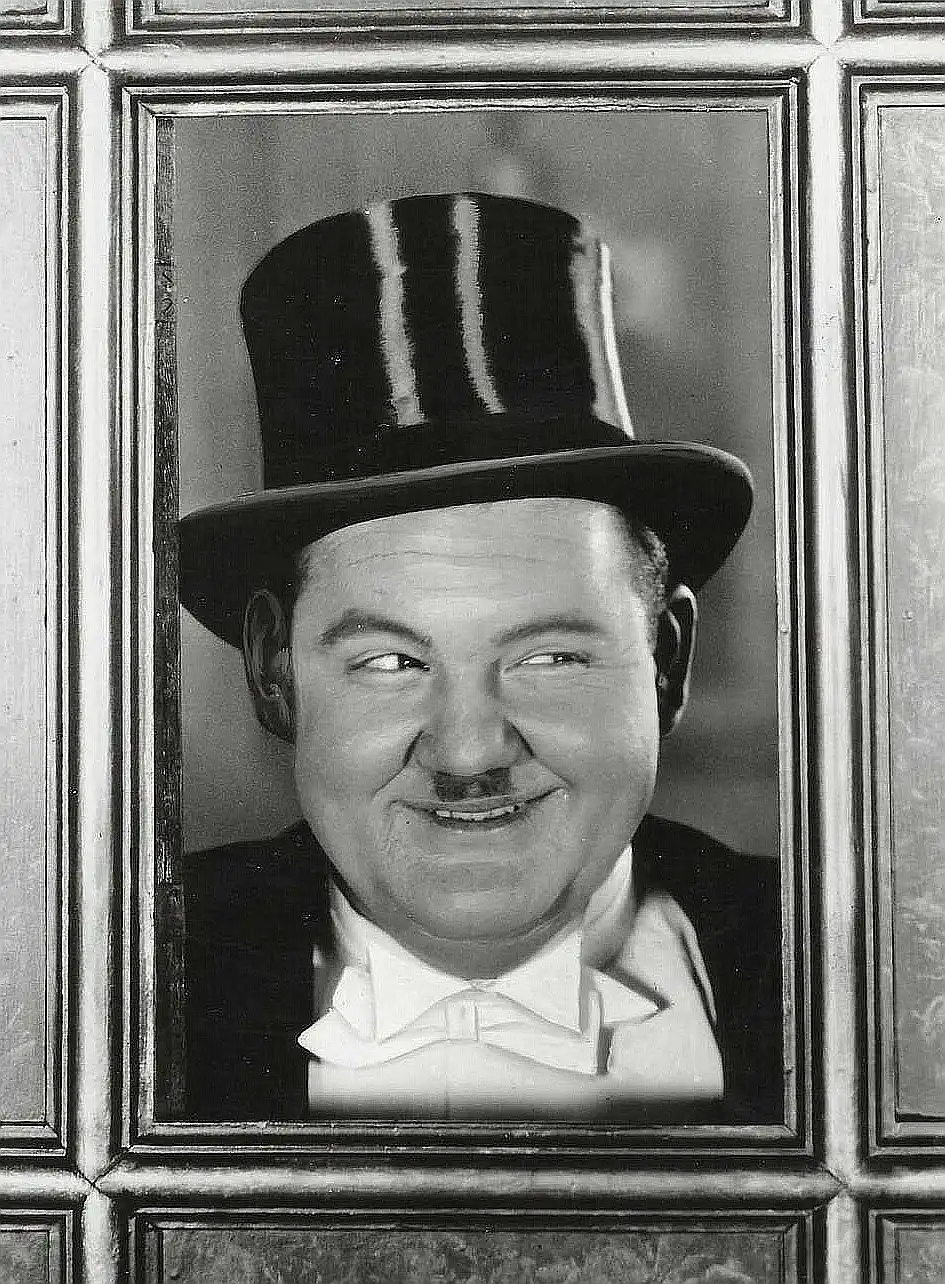
The film’s greatest strength, and its most satisfying payoff, comes with Stan’s ultimate rebellion. After enduring a relentless barrage of verbal abuse and physical humiliation – including being forced to sleep on the floor while Oliver enjoys a luxurious bed – Stan finally snaps. The transition from pathetic victim to vengeful destroyer is abrupt and exhilarating. His rampage through Oliver’s mansion, smashing every item in sight, is both cathartic and hilariously over-the-top. He doesn't just break things; he annihilates them with a gleeful, almost maniacal abandon. The sight of Stan, usually so timid, swinging a heavy vase like a club or gleefully tearing down curtains, is genuinely shocking and provides a powerful release after the sustained tension of his torment.
This climactic sequence is where the film truly shines, showcasing Laurel’s range beyond simply being the stooge. He channels a raw, destructive energy that feels earned. Oliver’s reactions, shifting from bewildered annoyance to genuine terror as his expensive possessions are systematically obliterated, complete the comedic reversal. The final moments, with the mansion in ruins and Oliver utterly defeated, solidify the duo’s dynamic: even when Stan loses, he wins, often by simply existing and pushing Oliver to his breaking point.
Early to Bed isn't just a historical curiosity; it's a vibrant, often brutal, and consistently funny piece of silent comedy that perfectly encapsulates the early stages of Laurel & Hardy’s iconic partnership. While the repetitive nature of Stan’s torment might test some modern viewers, the sheer inventiveness of the gags and the spectacular payoff of Stan’s rebellion make it an essential watch. It’s a foundational text for understanding their unique brand of physical comedy, demonstrating how two masters could extract maximum comedic value from a simple premise of power dynamics and escalating chaos. If you appreciate the art of silent slapstick and want to see Laurel & Hardy at their most primal and destructive, this short comes highly recommended.
IMDb 6.3
1926
Community
Log in to comment.