DbcultAccessing Vault...
7/10
Senior Film Conservator
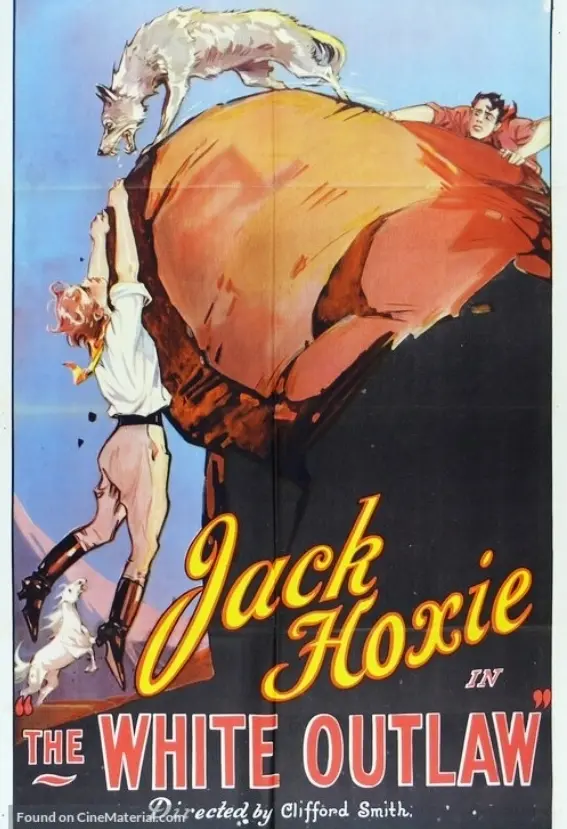
A definitive 7/10 rating for a film that redefined the boundaries of cult cinema. The White Outlaw remains a cornerstone of transgressive art.
Is The White Outlaw, a silent Western built around a majestic horse, worth watching in today’s cinematic landscape? Short answer: yes, but with significant caveats that anchor it firmly in its historical context. This film is a fascinating artifact for cinephiles, animal lovers, and those curious about early Hollywood's storytelling conventions, particularly its innovative use of animal stars. However, it will likely test the patience of viewers accustomed to modern pacing, complex narratives, and dialogue-driven performances.
It's a journey back to a foundational era of filmmaking, offering a unique glimpse into how emotion and plot were conveyed without a single spoken word. For audiences seeking a nostalgic trip or an educational experience, it delivers. For those expecting a thrill-a-minute contemporary Western, this might be a tougher ride.
This film works because of its pioneering spirit in animal-centric storytelling and its ability to evoke genuine empathy for its equine protagonist, Scout. The visual grandeur of the Western landscape, even in black and white, provides a timeless backdrop for a tale of freedom and injustice. It taps into universal themes that resonate beyond the silent film era.
This film fails because its narrative simplicity and the melodramatic acting style, typical of silent cinema, can feel dated and slow to modern audiences. The reliance on intertitles to convey dialogue and internal thought, while necessary, breaks immersion for contemporary viewers. Its emotional beats, while clear, often lack the nuanced depth we expect today.
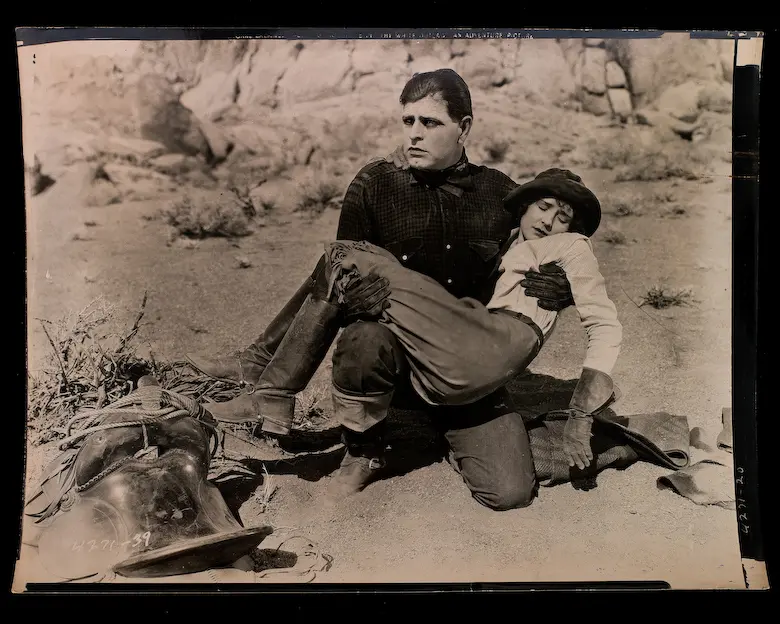
You should watch it if you appreciate the historical significance of early cinema, are fascinated by animal performances, or enjoy the foundational tropes of the Western genre. It's a valuable piece of film history, showcasing innovative techniques for its time. You should probably skip it if you require fast-paced action, intricate character development, or are generally averse to silent films.
At its core, The White Outlaw tells a surprisingly poignant story of animal abuse and liberation. Scout, a magnificent white horse, is not merely a prop but the undisputed protagonist. His initial subjugation under a cruel ranch hand, depicted with a stark, almost primal brutality, serves as the inciting incident for his dramatic escape. This isn't just a horse running away; it's a sentient being choosing freedom over torment, a powerful statement in a genre often focused solely on human struggles.
The film then elevates Scout to an almost mythical status, portraying him not just as a wild horse but as a natural leader. His ability to attract and command a herd of followers underscores his charisma, a quality remarkably conveyed through his on-screen presence. This transformation from victim to a symbol of untamed spirit is the film's most compelling narrative thread.
However, this freedom comes at a cost. The ranchers, seeing their own horses drawn to Scout's wild allure, misinterpret his actions as theft. This conflict between human ownership and animal autonomy forms the dramatic tension, leading to a relentless hunt for Scout. It’s a classic Western predicament, but viewed through the unique lens of an animal protagonist, it gains a fresh, if simple, moral complexity. The owner's internal struggle, caught between his bond with Scout and the demands of the community, provides the human anchor to this animal-driven drama.
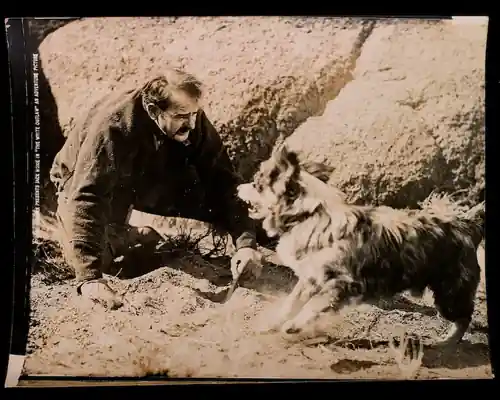
One cannot discuss The White Outlaw without acknowledging the extraordinary central performance by Scout the Horse. In an era where animal actors were increasingly becoming draws, Scout stands out. His ability to convey emotion, from fear and defiance to leadership and a longing for freedom, is genuinely remarkable. The director, working within the constraints of silent cinema, masterfully captures Scout's expressions and movements, allowing the audience to project human-like intentions onto him.
Consider the scene where Scout first makes his escape, his eyes wide with terror, his powerful muscles straining against the bonds of his captors. This isn't just a trained animal performing a trick; it feels like a genuine reaction to a dire situation. Later, as he gallops across the open plains, leading his burgeoning herd, there’s an undeniable majesty and assertiveness in his stride that commands the screen. He projects an aura of untamed power that human actors often struggle to achieve.
The film relies heavily on close-ups of Scout's face, particularly his eyes, to communicate his inner state. This technique, simple as it is, proves incredibly effective. We see his intelligence, his fear, and eventually, his fierce determination. It’s a testament to both the horse’s inherent expressiveness and the director’s skill in framing these moments. This focus on the animal's perspective is, in my opinion, a bold and unconventional choice for its time, predating many of the animal-centric narratives we see today.
While human actors often had to resort to exaggerated gestures and facial expressions in silent films, Scout’s performance feels refreshingly naturalistic. He doesn't have to overact; his presence alone is enough. This makes him, ironically, one of the more believable 'characters' in the entire production. His silent communication transcends the limitations of the medium, creating a powerful, wordless bond with the audience that endures even today.
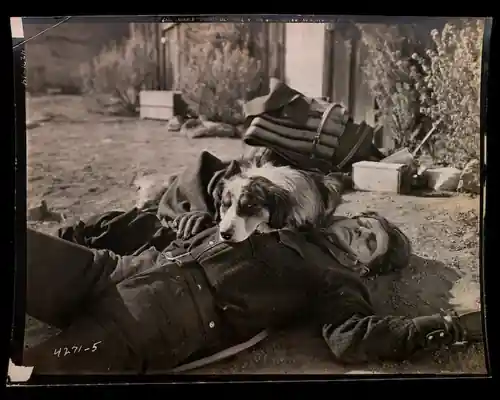
While Scout is the undeniable star, the human performances in The White Outlaw serve as crucial counterpoints to his wild freedom. The cast, including Floyd Shackelford, William Welsh, Duke R. Lee, Charles Brinley, Jack Hoxie, and Marceline Day, delivers performances typical of the silent era. Emotions are writ large across their faces, gestures are broad, and morality is often painted in stark black and white.
The sadistic ranch hand, whose cruelty drives Scout to flee, is a caricature of villainy. His sneering expressions and violent actions are designed to elicit immediate audience antipathy, a common trope to quickly establish good versus evil without dialogue. This character serves his purpose effectively, even if his portrayal lacks any semblance of modern psychological depth. His exaggerated malice provides the necessary catalyst for the entire plot.
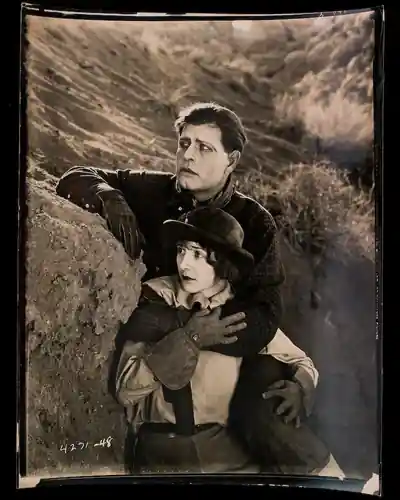
Conversely, Jack Hoxie, likely playing Scout's original owner, embodies the conflicted hero. His initial reluctant agreement to hunt Scout, followed by his secret plan, showcases the internal struggle. Hoxie's performance, while still broad, attempts to convey a sense of moral quandary through his furrowed brow and pained expressions. Marceline Day, as the female lead (likely a love interest or sympathetic figure), provides a touch of grace and often acts as a moral compass, her expressions conveying concern and compassion for Scout.
The ensemble of ranchers, led by figures like William Welsh and Duke R. Lee, represents the collective, often unforgiving, will of the community. Their determined pursuit of Scout is driven by a primal need to protect their livelihood, even if it means destroying a magnificent creature. Their performances are less about individual character and more about embodying the societal pressure that forces the owner's hand. It’s a simple, yet effective, portrayal of mob mentality versus individual conscience.
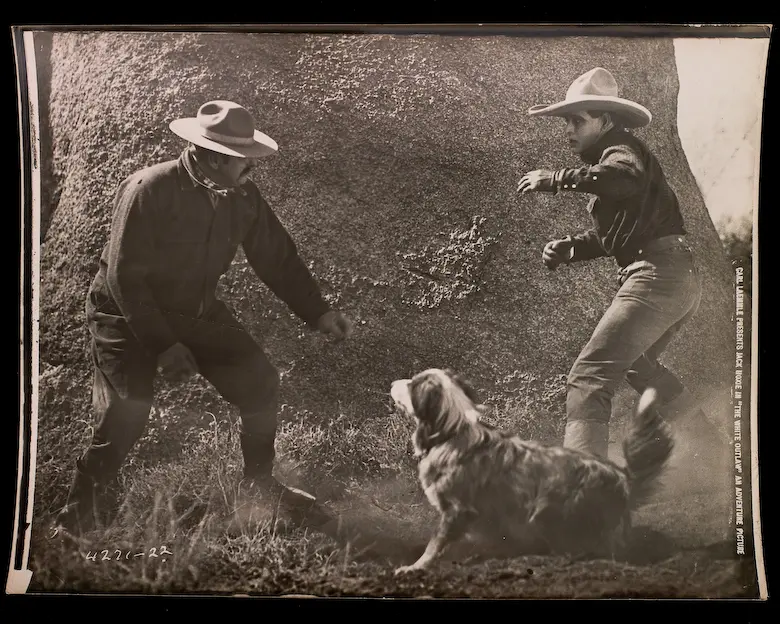
The visual language of The White Outlaw is where the film truly shines as a product of its time. The director, likely Isadore Bernstein who also wrote the script, demonstrates a keen understanding of how to use the vast, untamed landscapes of the American West to enhance the narrative. Cinematography in silent films was paramount, as it had to carry the entire weight of storytelling, atmosphere, and emotion.
The sweeping wide shots of Scout and his herd galloping across open plains are breathtaking. They emphasize the horse's newfound freedom and the sheer scale of the wilderness, making the herd appear both majestic and vulnerable against the grandeur of nature. These shots are not just pretty backdrops; they are integral to establishing the theme of wild independence versus human encroachment. The sense of scale they convey is often more impactful than many CGI-laden sequences in modern films.
Action sequences, particularly the pursuit of Scout by the ranchers, are staged with a surprising degree of dynamism for the era. The camera follows the riders and the herd, creating a sense of urgency and danger. While the editing might feel less frenetic than contemporary action, it’s effective in building tension through sustained shots and well-choreographed movements. There's a raw, visceral quality to these chases that speaks to the practical filmmaking of the period.
Lighting is also used effectively, particularly in scenes depicting Scout’s abuse or moments of peril. The stark contrasts of light and shadow enhance the dramatic mood, creating a sense of foreboding or highlighting the isolation of the wild. For example, a scene where Scout is cornered might use darker tones to emphasize his plight, contrasting sharply with the bright, sun-drenched freedom of the open range. It’s a masterclass in visual storytelling without the crutch of dialogue.
Beyond the thrilling chases and dramatic escapes, The White Outlaw delves into surprisingly profound themes, particularly the tension between freedom and ownership. Scout's journey from a domesticated, abused animal to a wild, free leader is a powerful allegory for individual liberty. The film asks us to question the very nature of ownership when it infringes upon the right to exist without suffering.
The ranchers' pursuit of Scout, driven by economic concerns and a territorial mindset, represents the human desire to control and categorize nature. They see their horses as property, and Scout’s influence as a form of theft. This conflict, while presented simply, resonates deeply even today, especially in discussions around animal rights and conservation. It's an early cinematic exploration of human dominion over the natural world, and the moral ambiguities that arise from it.
The owner's internal conflict introduces the theme of empathy and the human-animal bond. His reluctance to see Scout harmed, despite community pressure, highlights a more compassionate perspective. This subtext suggests that true ownership might involve respect and care, rather than mere control. It challenges the audience to consider the perspective of the 'other' – in this case, a magnificent wild creature.
An unconventional observation: The White Outlaw, in its straightforward narrative, can be seen as an unwitting pioneer in advocating for animal welfare. Long before widespread animal rights movements, this film presented an animal protagonist whose suffering and desire for freedom were central to the plot, implicitly urging audiences to empathize with non-human creatures. It’s a simple message, but a powerful one, especially for its era.
The pacing of The White Outlaw is, like many silent films, deliberate. It allows moments to breathe, relying on visual cues and the audience's imagination to fill in the gaps. This can feel slow to modern viewers accustomed to rapid-fire editing and constant narrative progression. The intertitles, while crucial for exposition and dialogue, inevitably interrupt the flow, requiring the viewer to shift from visual immersion to reading.
The tone oscillates between dramatic pathos, particularly in Scout's early scenes of abuse, to thrilling adventure during the chase sequences, and finally, a more redemptive, albeit melancholic, conclusion. The melodrama is palpable, a hallmark of silent cinema, where emotions were often amplified to ensure they registered without spoken words. This isn't a flaw; it's a stylistic choice that defined an entire era of filmmaking.
It works. But it’s flawed. The simplicity is its strength, yet also its greatest challenge for contemporary engagement. The film's overall mood is one of earnest sincerity, a quality that makes it endearing even when its techniques feel antiquated. It never winks at the audience; it genuinely believes in the emotional weight of Scout's story.
Yes, The White Outlaw is worth watching for specific audiences. It offers a valuable window into early Westerns and silent film techniques. Animal lovers will connect with Scout’s story. Historians of cinema will appreciate its pioneering animal-centric narrative. However, expect a slower pace and silent film conventions that might not appeal to everyone.
The White Outlaw is more than just a relic; it’s a testament to the enduring power of visual storytelling and the timeless appeal of a compelling animal narrative. While it demands patience and an appreciation for its historical context, the film offers genuine emotional resonance through Scout's journey. It might not rival the complexity of modern cinema, nor does it attempt to. Instead, it offers a raw, heartfelt tale of survival and freedom in the untamed West.
It’s a film that reminds us of cinema’s foundational ability to evoke empathy without words, making it a valuable watch for those willing to step back in time. Much like other silent classics such as The Vampires: The Poisoner or even the early narrative experiments of its time, it carved a path for future filmmakers. Give it a chance, and you might find yourself surprisingly moved by the plight of a white outlaw stallion.
IMDb —
1920
Community
Log in to comment.