DbcultAccessing Vault...
Cult Review
Senior Film Conservator
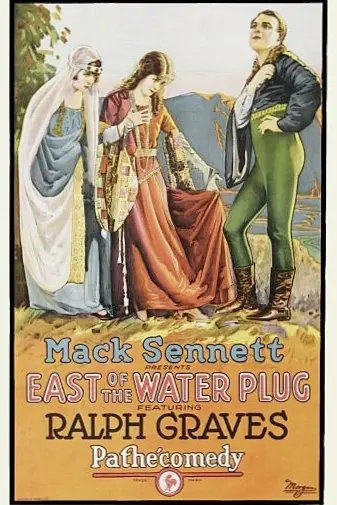
In the languid, sun-dappled landscapes of small-town America, a group of amateur actors converges to create something truly remarkable. East of the Water Plug, directed with a keen eye for detail, presents a cinematic tapestry that is at once humorous, poignant, and deeply human.
The film's narrative, penned by John A. Waldron, eschews traditional dramatic structures in favor of a more organic, character-driven approach. As the story unfolds, we are introduced to a diverse ensemble of thespians, each bringing their unique personality, quirks, and motivations to the table. Vernon Dent, Louise Carver, and Elsie Tarron, among others, breathe life into their respective characters, imbuing the film with a sense of authenticity and vulnerability.
At its core, East of the Water Plug is a film about the pursuit of artistic expression and the power of community. The opera house, with its ornate architecture and rich history, serves as a symbol of the town's cultural aspirations. As the amateur actors navigate the challenges of production, they must also contend with their own personal demons, ego clashes, and creative differences. It is within this crucible of artistic collaboration that the film's true magic is forged.
A notable aspect of East of the Water Plug is its thoughtful exploration of the human condition. The characters, flawed and relatable, grapple with the complexities of life, love, and artistic expression. This nuanced portrayal is reminiscent of other cinematic works that have tackled similar themes, such as Smile Please and Greater Than Fame. Each of these films, in its own unique way, captures the essence of human creativity and the struggles that accompany it.
The cinematography, while not overly flashy, is noteworthy for its ability to evoke the warm, inviting atmosphere of small-town America. The opera house, with its ornate details and rich history, serves as a visually stunning backdrop for the drama that unfolds. The camerawork, steady and unobtrusive, allows the actors to shine, capturing their performances with a sense of intimacy and immediacy.
One of the most striking aspects of East of the Water Plug is its thematic resonance. The film's exploration of artistic expression, community, and the human condition is both timely and timeless. As the characters navigate the challenges of production, they must also confront their own mortality, the fleeting nature of artistic achievement, and the enduring power of creativity. These themes, expertly woven throughout the narrative, add depth, complexity, and replay value to the film.
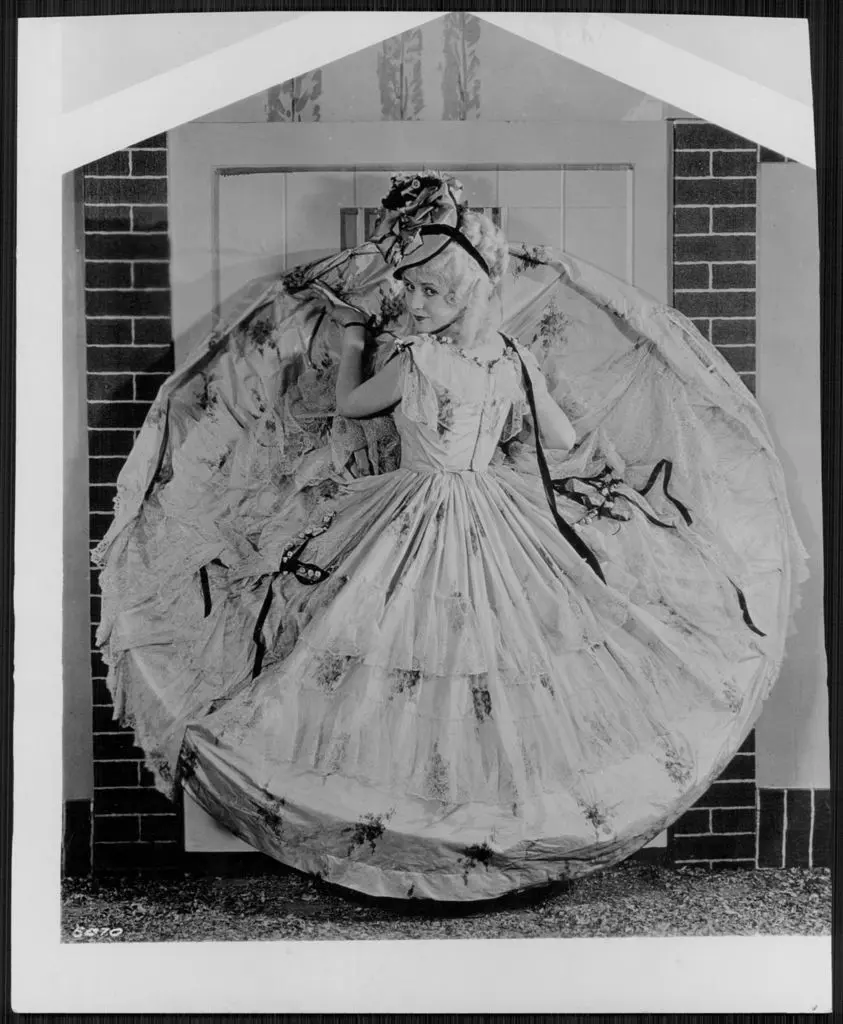
In terms of character development, East of the Water Plug presents a veritable feast of nuanced, multidimensional portrayals. Each actor, from veteran thespians like Vernon Dent and Louise Carver to newcomers like Elsie Tarron and Lois Boyd, brings a unique energy to their respective roles. The character arcs, while not always predictable, are satisfying and true to the narrative. The supporting cast, including Thelma Hill, Sunshine Hart, and Alice Day, adds further depth and richness to the film.
Upon reflection, it becomes clear that East of the Water Plug shares certain affinities with other films that explore the world of art, creativity, and human expression. Behind the Mask and Tarnish, for example, also probe the complexities of artistic endeavor, albeit in different contexts. Each of these films offers a distinct perspective on the creative process, highlighting the challenges, triumphs, and personal growth that accompany artistic pursuit.
The film's score, while not a dominant element, complements the on-screen action with a series of understated, period-specific cues. The music, much like the cinematography, serves to enhance the overall mood and atmosphere, never overpowering the actors or narrative. This subtle approach to scoring is a testament to the filmmakers' restraint and understanding of the audience's needs.
In conclusion, East of the Water Plug is a cinematic treasure that deserves to be discovered and cherished. This charming, character-driven film offers a thoughtful exploration of artistic expression, community, and the human condition. With its talented cast, nuanced character development, and rich thematic resonance, it is a must-see for anyone who appreciates the beauty of small-town life, the power of creativity, and the enduring magic of the theatrical arts.Ultimately, East of the Water Plug is a film that will leave you smiling, pondering, and perhaps even inspired to pursue your own creative passions.
For those interested in exploring further, Der Weltspiegel, The Storm, and Wolfe; or, the Conquest of Quebec offer additional insights into the world of art, creativity, and human expression. Each of these films, in its own unique way, expands upon the themes and ideas presented in East of the Water Plug, providing a richer understanding of the cinematic landscape.
The final shot of the film, a poignant tableau of the amateur actors on stage, is a lasting testament to the power of creativity and community. As the curtain falls, the audience is left with a profound sense of satisfaction, a renewed appreciation for the arts, and a deeper understanding of the human experience.
In the world of cinema, few films manage to capture the essence of small-town life, artistic expression, and the human condition with such nuance and sensitivity. East of the Water Plug is a true masterpiece that will continue to delight, inspire, and provoke audiences for generations to come.
IMDb —
1927
Community
Log in to comment.