DbcultAccessing Vault...
6.1/10
Senior Film Conservator
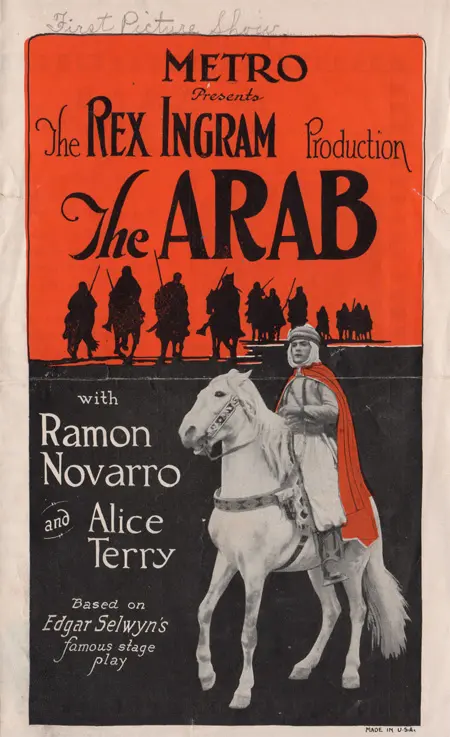
A definitive 6.1/10 rating for a film that redefined the boundaries of cult cinema. The Arab remains a cornerstone of transgressive art.
Ah, the silent era! A time when grand narratives unfolded across vast canvases, propelled by the sheer magnetism of human expression and the evocative power of visual storytelling. Among the luminaries of this golden age, Rex Ingram stands as a titan, a director whose artistic sensibilities and meticulous craftsmanship imbued his films with an almost painterly quality. His 1924 epic, 'The Arab', is a shimmering testament to this prowess, a sweeping adventure that transports us to the sun-baked, politically charged landscapes of the Middle East, a region often romanticized, yet here rendered with a surprising depth for its time. It’s a film that, despite its age, continues to resonate with themes of identity, redemption, and the universal struggle against oppression, all wrapped in a lavish spectacle that captivated audiences then and still holds a certain allure today.

At the narrative's heart is Jamil, portrayed with captivating intensity by the dashing Ramon Novarro. We first encounter him not as a hero, but as a deserter, a Bedouin soldier fleeing the chaotic theatre of war between Syria and Turkey. This initial characterization immediately subverts expectations, presenting a protagonist burdened by an ambiguous past rather than an unblemished moral slate. His flight leads him to a remote desert village, a seemingly tranquil oasis that conceals a burgeoning humanitarian crisis. Here, he stumbles upon an orphanage, a sanctuary of innocence diligently managed by American missionaries Dr. Hilbert (Jerrold Robertshaw) and his earnest daughter, Mary (Alice Terry). Their mission, to protect the vulnerable children caught in the geopolitical maelstrom, casts Jamil's own self-preservation into stark relief, planting the seeds of his eventual transformation.
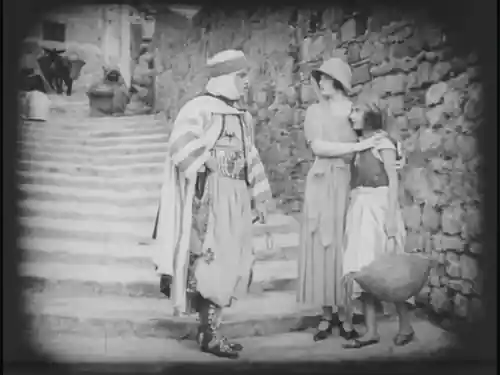
The fragile peace of this haven is, however, brutally ephemeral. The encroaching shadow of Turkish aggression looms large, threatening to engulf the village and its most defenseless inhabitants. The local ruler, a figure of craven expediency, rather than confronting the invaders, chooses a path of appeasement and treachery. He devises a heinous plot to hand over the children for slaughter, masking his monstrous intentions under the pretense of relocating them to the supposed safety of Damascus. This act of profound betrayal serves as the catalyst for Jamil's awakening. It is at this critical juncture, as the fate of the innocents hangs by a thread, that the Bedouin forces arrive, revealing Jamil’s true lineage: the son of their revered, recently deceased tribal leader. This sudden inheritance of leadership, coupled with the profound weight of his father's passing, galvanizes Jamil. The individualistic deserter is shed, replaced by a chieftain burdened with a newfound, formidable sense of responsibility. It's a classic hero's journey, yet rendered with a nuanced portrayal of a man grappling with a destiny he initially resisted.
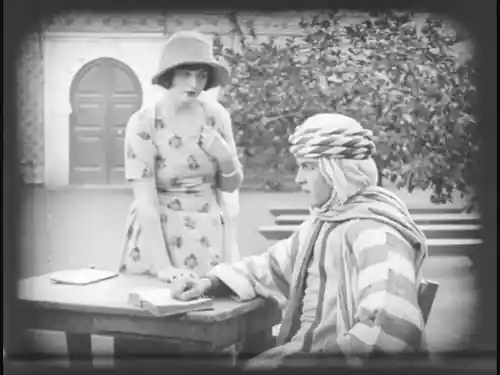
Ramon Novarro, a star whose charisma rivaled that of Rudolph Valentino, delivers a performance that transcends the limitations of the silent medium. His Jamil is a figure of brooding intensity, his expressive eyes and sculpted features conveying a spectrum of emotions from weary cynicism to noble resolve. Without a single spoken word, Novarro communicates the internal conflict of a man torn between personal freedom and tribal duty, a journey that culminates in a powerful, redemptive arc. His transformation from a solitary wanderer to a decisive leader feels earned, not merely presented, a testament to his nuanced acting. The physicality he brings to the role, particularly in the climactic action sequences, is both athletic and graceful, embodying the idealized heroism so cherished by silent film audiences. His portrayal here, much like his later work in Ben-Hur
IMDb —
1919
Community
Log in to comment.