DbcultAccessing Vault...
Cult Review
Senior Film Conservator
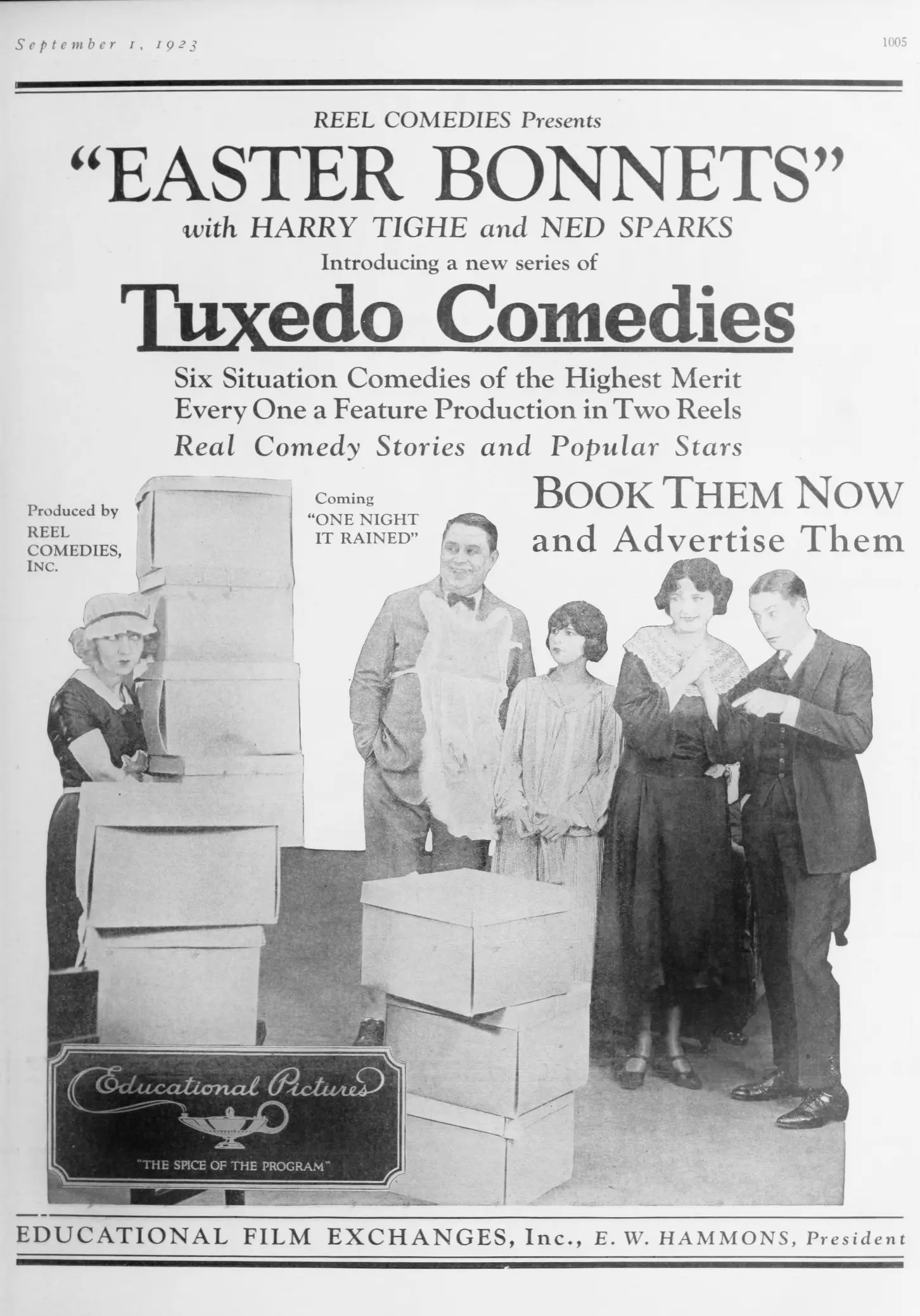
The sleepy hamlet of Willowbrook awakens each April to the scent of fresh lilies and the rustle of pastel ribbons. At the heart of this ritual stands Eleanor Whitfield (Doris Deane), a schoolmistress whose pedagogic poise masks a yearning for a love that transcends the chalk‑dust of her classroom. The town’s governance, embodied by the imperious Mayor Silas Griggs (Harry Tighe), insists on a pageant that adheres to an antiquated vision of propriety: bonnets of modest silhouette, embroidered solely with native wildflowers. Lila Griggs (Marion Harlan), the mayor’s own daughter, rebels against this constriction, yearning for a splash of Parisian chic that would signal her emancipation from paternal expectations.
Enter Jasper “Jolly” McCoy (Ned Sparks), a confectioner whose reputation for slapstick mishaps is as legendary as his pastries. Jasper’s ambition is two‑fold: he wishes to win Eleanor’s admiration and secure the coveted “Golden Whisk” award, a symbol of culinary excellence that would elevate his modest shop to regional fame. The plot thickens when Eleanor and Lila, in a clandestine meeting behind the town hall’s clocktower, devise a plan to merge traditional motifs with avant‑garde flourishes, thereby crafting bonnets that speak both to the mayor’s sensibilities and the younger generation’s desire for self‑expression.
Easter Bonnets operates on a dual plane: on the surface, it is a light‑hearted farce about headwear; beneath, it interrogates the tension between conformity and individuality that defined the Roaring Twenties. The film’s visual language, rendered in stark black‑and‑white contrast, leverages chiaroscuro to underscore the binary between the mayor’s rigid authority (bathed in shadow) and the luminous optimism of the younger protagonists. This aesthetic choice mirrors the broader cinematic shift of the era, where directors began to experiment with lighting to evoke psychological nuance—a technique later refined in classics such as The Scarlet Letter.
The film’s comedic beats, particularly those orchestrated by Ned Sparks, echo the slap‑slap rhythm of Brewster's Millions, yet they are infused with a uniquely Midwestern sensibility that feels both intimate and universal. Jasper’s culinary catastrophes—spilling batter onto the mayor’s polished shoes, mislabeling sugar as salt—serve as visual metaphors for the inevitable chaos that ensues when tradition is challenged. The audience is invited to laugh, but also to recognize the underlying commentary on societal change.
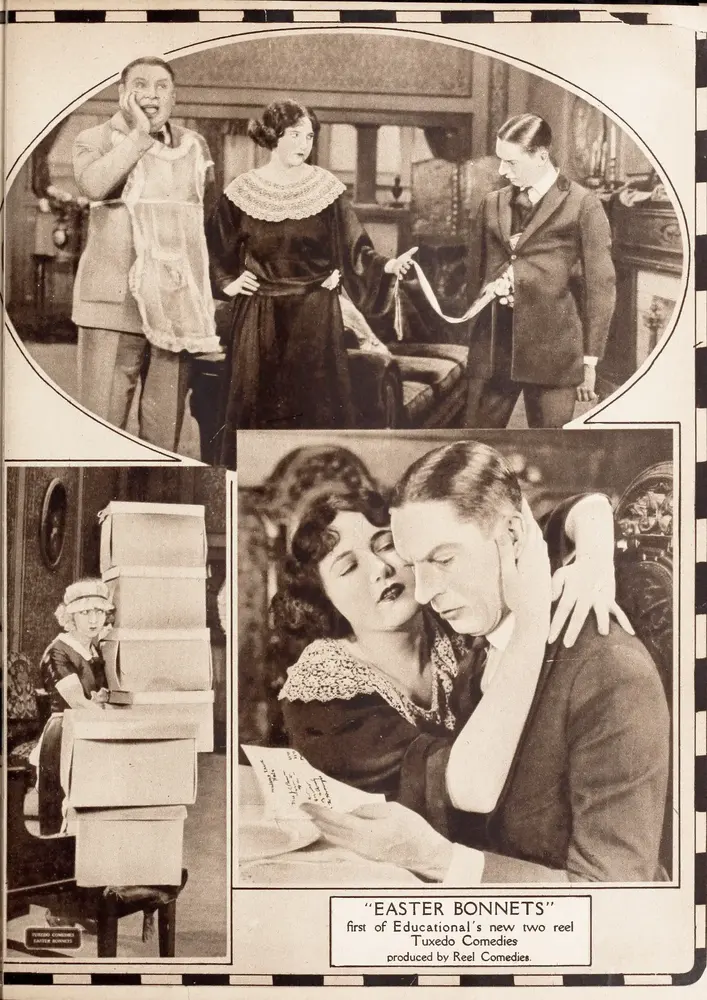
Doris Deane delivers a performance that balances demure restraint with a flicker of rebellious spark. Her eyes, often lingering on the horizon beyond the schoolyard, betray a yearning that transcends the script’s modest dialogue. Harry Tighe, as Mayor Griggs, embodies the archetype of the stern patriarch, yet his occasional softening—most notably when he watches the bonnets flutter in the wind—reveals a latent vulnerability that enriches his characterization.
Ned Sparks shines in his role as Jasper, employing his signature dead‑pan expression to amplify the absurdity of his culinary mishaps. Sparks’ timing is impeccable; a single raised eyebrow can convey a cascade of unspoken thoughts, making his scenes some of the film’s most memorable moments. Marion Harlan’s Lila is a breath of fresh air, her spirited defiance captured through swift, kinetic movements that contrast sharply with the mayor’s measured gait.
The cinematography, credited to an unnamed but evidently skilled director of photography, employs static framing interspersed with occasional tracking shots that follow the procession of bonnets down Main Street. The choice to linger on the intricate lacework of each bonnet invites the viewer to appreciate the craftsmanship that the characters themselves debate. Moreover, the film’s editing rhythm—quick cuts during Jasper’s kitchen chaos, lingering pans during the bonfire ceremony—creates a palpable ebb and flow that mirrors the narrative’s thematic push‑and‑pull.
The musical accompaniment, though absent in the silent medium, is suggested through intertitles that hint at a jaunty ragtime score, reminiscent of the era’s popular tunes. This implied soundtrack would have heightened the film’s buoyant atmosphere, aligning it with contemporaneous works such as The Masquerader, where music functions as an unseen character.
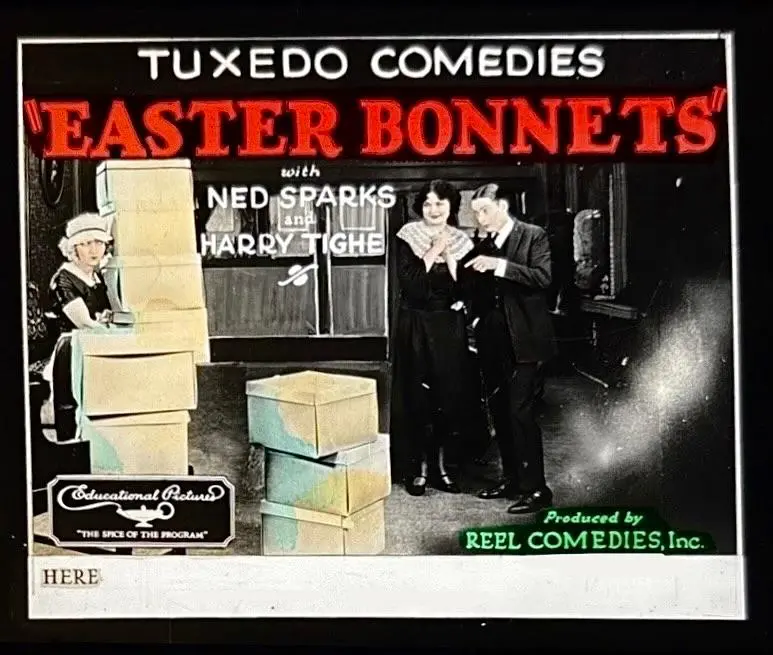
When juxtaposed with Times Have Changed, Easter Bonnets shares a similar preoccupation with generational conflict, yet it diverges by embedding its critique within a comedic framework rather than a melodramatic one. The film’s resolution—where the mayor ultimately endorses a hybrid bonnet design—echoes the conciliatory ending of Life's Whirlpool, where tradition and progress find common ground.
Furthermore, the film’s portrayal of a female protagonist taking agency over cultural symbols anticipates the feminist undercurrents present in later works such as The Bushman's Bride. Eleanor’s subtle defiance—her insistence on incorporating a single violet into each bonnet—serves as a quiet yet potent act of resistance, a motif that resonates with contemporary discussions about gendered expectations.
Although Easter Bonnets did not achieve the box‑office heights of its more flamboyant contemporaries, its nuanced exploration of societal constraints and its deft blend of comedy and pathos have earned it a modest cult following among silent‑film aficionados. The film’s emphasis on community collaboration, embodied in the collective creation of the bonnets, mirrors present‑day movements that champion inclusive artistic expression.
In an era where streaming platforms resurrect forgotten gems, Easter Bonnets stands as a testament to the power of modest storytelling. Its modest runtime, precise framing, and character‑driven humor provide a refreshing counterpoint to the spectacle‑driven blockbusters that dominate modern cinemas. The film invites viewers to contemplate how small acts of defiance—like stitching a single unconventional flower onto a bonnet—can ripple outward, reshaping communal identity.
Easter Bonnets is a delicate tapestry woven from threads of tradition, rebellion, and humor. Its cast delivers performances that feel both period‑appropriate and timeless, while its visual composition showcases an early mastery of cinematic language. For scholars tracing the evolution of American comedy, or for casual viewers seeking a charming glimpse into 1920s small‑town life, this film offers a richly layered experience that rewards repeated viewings.
IMDb 5.2
1922
Community
Log in to comment.