DbcultAccessing Vault...
Cult Review
Senior Film Conservator
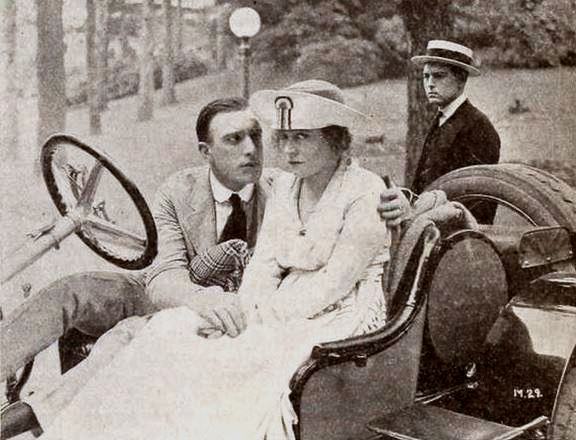
Picture a Manhattan that never sleeps because insomnia is fashionable—neon sputtering against wet asphalt, saxophones bleeding through velvet drapes, fortunes minted overnight and squandered before the last olive is swallowed. Into this fever dream glides Easy Money, a 1925 silent that Universal slipped into theaters with modest fanfare yet which now feels like a cracked mirror held up to our own influencer era. The film’s very title drips with sardonic venom: everyone here trades something—bodies, surnames, marble statues—for lucre, only to discover the exchange rate of the soul is lousy.
Director Wilfred Noy, a British import who knew how to stretch a nickel until it screamed, shoots the opening soirée like a Manet canvas come to life: top-hats bobbing above a sea of bare shoulders, champagne flutes catching the chandelier’s fractured spectrum, and at the epicenter Frank Mayo’s Richard Chanslor—ivory grin, patent-leather hair, the male equivalent of a penthouse view. Yet the camera noses in on his cuff-link tremor: the heir is broke. Enter the chorus girl Lily Lorraine (Eugenie Woodward), all cigarette smoke and predatory patience, the kind of dame who knows a bank balance by the cut of a man’s tuxedo.
The inciting telegram—grandfather’s threat of excision—arrives like a death warrant sealed with wax. Richard’s solution is both decadent and oddly entrepreneurial: outsource respectability via matrimony. He selects Lois Page (Ethel Clayton), a sculptress whose studio smells of wet clay, turpentine, and the stubborn integrity of the almost-famous. Clayton, often dismissed as merely "pretty" in fan magazines, gives Lois the brittle elegance of a woman who has learned to chisel her own image out of disappointment. Their negotiation scene—conducted over a half-finished bust of Prometheus—crackles with transactional candor. She agrees to the farce because rent is due; he agrees because he’s allergic to honest labor.
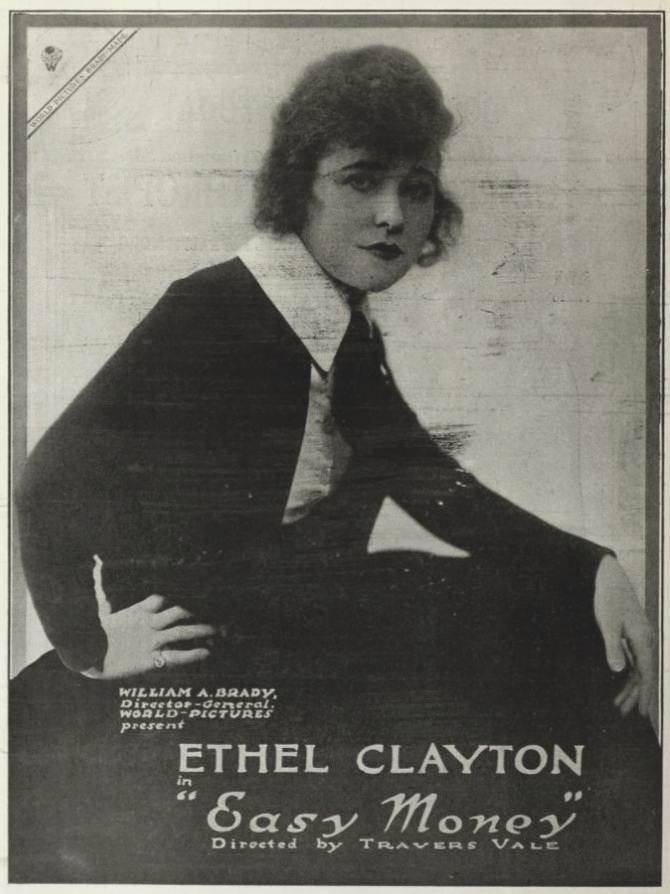
What follows is a master-class in pre-Code cynicism. The pair honeymoon in separate train compartments; Richard returns to Lily’s feather-trimmed boudoir while Lois accepts commissions and the flirtatious tutelage of Bob Hildreth (John Bowers), a Rodin-wannabe whose smolder is only outpaced by his sense of entitlement. Noy intercuts their parallel nights—Lois thwacking a mallet against limestone, Richard nuzzling Lily’s pearls—using match-cuts so precise they feel like slaps. The marital contract, typed on creamy bond paper, becomes a recurring prop, folded and re-folded until it resembles a ransom note.
Then the mercury drops. Richard, startled by his own reflection in a shop-window, realizes the emptiness behind the grin. Mayo lets the cockiness drain from his eyes frame by frame, a thaw so subtle you almost hear the crack of ice. He ghosts Lily, buys a library’s worth of sculpture monographs, and begins courting his wife with the clumsy earnestness of a schoolboy. Lois, however, has learned skepticism the way others learn languages—fluently, with native accent. She keeps meeting Hildreth beneath the elms of Central Park, chisels clinking like distant spurs.
The film’s visual grammar shifts. Cinematographer George Barnes swaps the earlier glitter for muted grays, allowing shadows to pool under eyes and in the corners of lavish rooms. When Hildreth invites Lily to that fateful country inn, the camera lingers on a wooden sign creaking in the wind—an omen so noir it could teach The Criminal a lesson in dread. Inside, lamplight smears across pewter tankards while rain lashes mullioned windows; the assault is suggested rather than shown—Lily’s glove torn, a shattered goblet, Hildreth’s silhouette rearing like Goya’s Saturn.
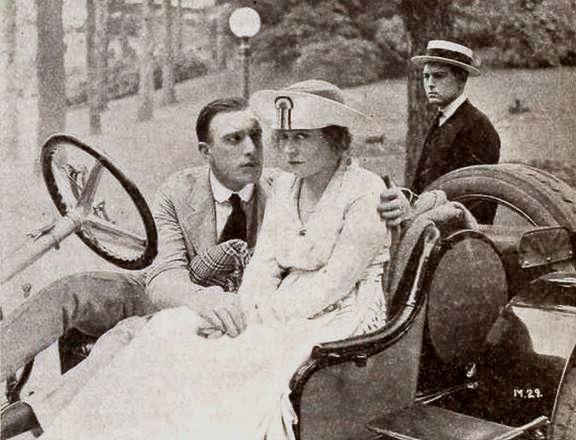
Richard’s rescue arrives not on white stallion but in a coughing roadster, headlights carving scythes through the tempest. The fight is brutal and intimate—no swashbuckling, just two men grappling over the right to define womanhood. Mayo and Bowers reportedly rehearsed the sequence until their knuckles bled, and the authenticity lands like a fist in the viewer’s solar plexus. Lois bursts in, clay-spattered coat flaring like a superhero’s cape, and the look she shoots her husband contains multitudes: gratitude, suspicion, the dawning horror that affection might be more dangerous than contempt.
Back in the city, the grandfather’s mansion glowers like a mausoleum. The old man, played by Charles Morgan with whiskers that seem weaponized, waits to sign the new will. Yet the couple, disheveled and mud-splashed, decline the bequest. Richard’s final line, delivered via intertitle in crimson letters: "We already spent the only fortune that matters." Roll iris-in on twin silhouettes walking toward a subway grate, steam billowing around them like cheap dry ice, yet somehow transcendent.
Viewers weaned on the souped-up melodrama of A Butterfly on the Wheel or the occult hokum of Zudora may scoff at Easy Money’s modest scale. Don’t. Beneath its unassuming Poverty Row trappings lurks a scalpel-sharp dissection of class vertigo that rivals the best of Lubitsch. Notice how costume designer Julia De Kowska drapes Lily in molten sequins while Lois sports linen smocks stained with Plaster of Paris—wealth as wearable neon versus labor as lived-in fabric. Or how the repeated motif of hands (Richard’s signing checks, Lois’s kneading clay, Hildreth’s groping paws) becomes a leitmotif for agency violated and reclaimed.
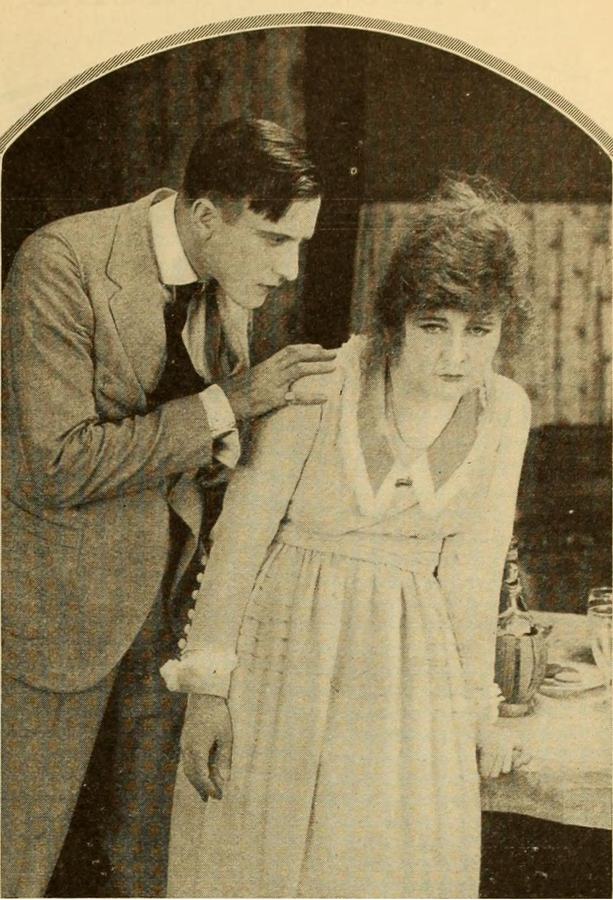
The performances ripple with silent-era semaphore. Clayton’s micro-expressions—an eyebrow arching like a cat stretching—convey a whole treatise on wariness. Mayo, often underrated amid the Valentino hysteria, gifts Richard a matinee-idle smile that erodes into something raw, almost Renoir-like. Bowers, saddled with the villain’s mustache-twirl, instead opts for seductive menace, the kind that makes you understand why women might linger despite warning bells. And Woodward, in a smaller role, etches Lily as both predator and casualty, a woman who weaponizes her desirability because the world refuses her a ledger.
Scriptwriter Gladys Johnson, one of the few female scribes at Universal that decade, laces the intertitles with flapper slang that zings ("Busier than a bee in a bobbed-hair shop"). More crucially, she refuses to punish her heroine for sexual autonomy; Lois’s closest cinematic cousin may be the proto-feminists populating A World Without Men. When the couple ultimately eschew the grandfather’s millions, the film sides with emotional capital over fiduciary—an ending so radical that preview audiences reportedly gasped.
Scholars hunting for queer subtext will feast on the intense mentor-muse dynamic between Lois and Hildreth, whose sculptural sessions feel more erotic than any clinch Richard shares with Lily. The camera frames their shared chisel like a conjugal object, clay ejaculations spurting suggestively. Meanwhile, Richard’s breakup with Lily carries the sting of romantic exile; watch how he fingers her discarded feather boa, grief-struck as any jilted lover.
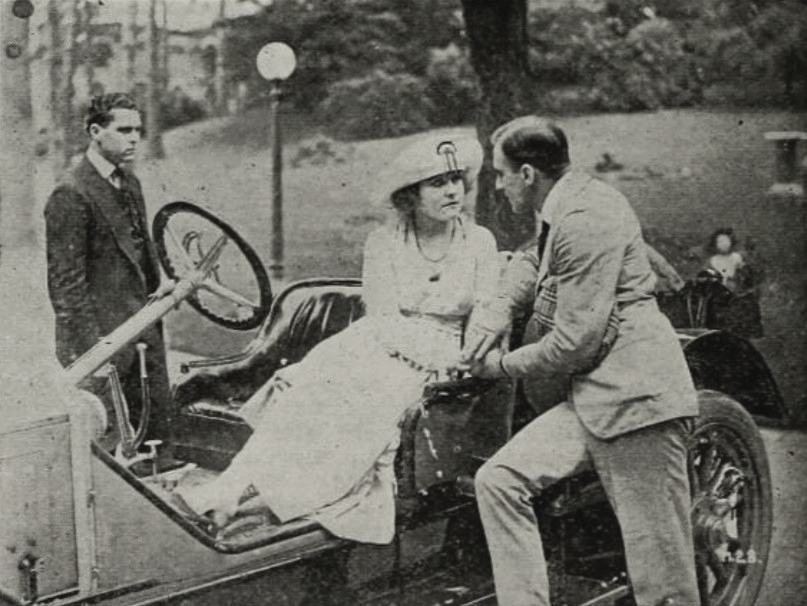
Technically, the film is a patchwork of ingenuity. Budget constraints forced Barnes to rely on reflected light—he bounced carbon-arc beams off tinfoil to simulate moon glow—yielding chiaroscuro textures that anticipate film noir by two decades. The negative was thought lost in the 1935 vault fire that devoured much of Universal’s silent heritage; a 16mm reduction print surfaced in a Buenos Aires basement in 1978, complete with Spanish intertitles that read like intoxicated haiku. Current restorations graft new English cards, though the Argentinean flavor lingers like ghost aroma.
Compare this rediscovery saga to the meandering serial The Broken Coin, whose fragments remain scattered across archives like puzzle pieces in a hurricane. Easy Money’s survival feels karmic—its thesis being that some transactions, once struck, echo beyond ledger books. Modern viewers will detect DNA splinters in everything from The Awful Truth to Marriage Story: the sparring spouses whose love language is mutual sabotage, the third wheels who exist to clarify desire, the climactic rescue that doubles as self-rescue.
Yet the film also operates as a sly cultural barometer. In 1925, America was drunk on margin loans and gin rickeys; five years later, the hangover would crater the economy. Richard’s initial belief that identity is purchas—able via wife, wardrobe, or Willkie—mirrors the national delusion that stocks only ascend. When he finally chooses messy authenticity over gilt-edged pretense, the movie whispers a prophecy: the crash is coming, but so is clarity.
Critic Imogen Sara Smith once argued that silent cinema excels at depicting thought, the close-up serving as a seismograph of cognition. Easy Money embodies that thesis in its final shot: Lois glances at Richard, then at her own clay-daubed hands, and finally toward the camera—an acknowledgment that identity, like sculpture, is never finished, merely abandoned. That open-endedness may explain why the picture refuses canonization; it’s too restless for nostalgia, too candid for comfort.
So seek it out—whether on a rickety YouTube upload, a 35mm archive screening, or the Criterion Channel once some brave programmer champions its cause. Watch how it pirouettes between drawing-room farce and psychological noir, between Jazz-Age pizzazz and Great-Depression sobriety. Revel in its cynicism, its tenderness, its conviction that the most reckless gamble is not tossing dice across green felt but wagering one’s capacity for change. And when the end credits—white letters on black, flickering like dying stars—finally fade, you may find yourself counting your own currencies: the love you bartered, the truths you hedged, the easy money you refused—or accepted.
IMDb 4.9
1930
Community
Log in to comment.