DbcultAccessing Vault...
Cult Review
Senior Film Conservator
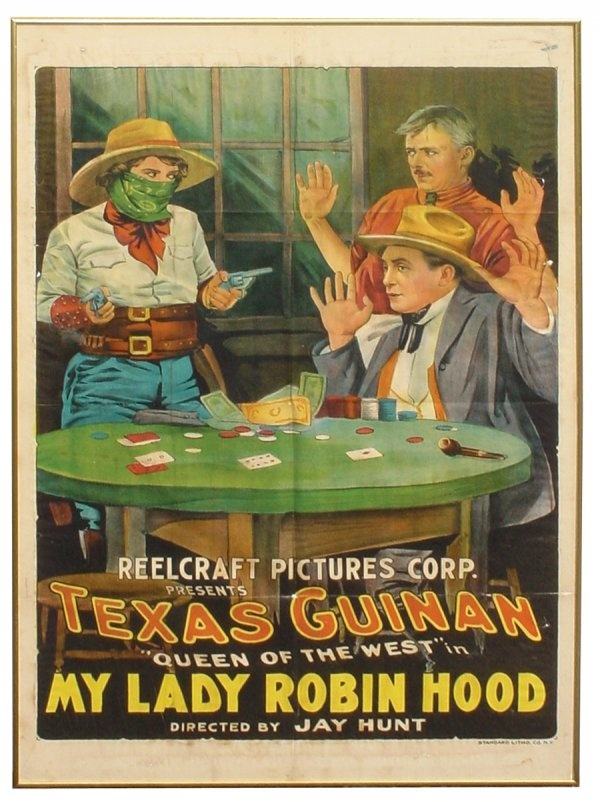
In the annals of early cinema, where the silent screen often amplified grand gestures and archetypal figures, a particular kind of heroism occasionally emerged from unexpected quarters. 'My Lady Robin Hood', though perhaps not as widely celebrated as some of its contemporaries, offers a fascinating glimpse into this era's capacity for subversive storytelling, particularly through the magnetic persona of its star, Texas Guinan. This isn't merely a tale of a woman who steals; it's a vibrant exploration of social conscience, female agency, and the performative nature of justice, all filtered through the unique lens of a silent film narrative. Guinan, a figure whose real-life larger-than-life personality often outshone her cinematic roles, finds a character here that perfectly encapsulates her spirited, unconventional essence. She embodies a force of nature, a woman who refuses to be confined by the restrictive societal expectations of her time, opting instead to forge her own path, one daring heist at a time.
The premise is deceptively simple, yet rich with thematic potential: a lady bandit, operating with a cunning that belies her demure appearance, targets the high-stakes world of illicit gambling. Her victims are not the innocent or the struggling, but those who operate on the fringes of legality and morality, or at least those willing to risk their fortunes on chance. This choice of target is crucial, imbuing her actions with a layer of moral ambiguity that elevates the narrative beyond simple good-versus-evil. She isn't just stealing; she's reappropriating, challenging the very notion of 'legitimate' wealth when it's amassed through ventures often considered vices. The true stroke of brilliance, however, lies in her motivation: every ill-gotten gain is meticulously channeled to a single, profoundly deserving cause – a poverty-stricken family struggling to care for a crippled daughter. This act of profound, selfless philanthropy transforms the bandit into a modern-day crusader, a silent avenger for the forgotten. It's a testament to the film's nuanced understanding that true heroism can emerge from the most unlikely of places, and that justice, in its purest form, sometimes demands a disregard for conventional law. The narrative avoids simplistic portrayals, instead painting a portrait of a woman driven by a fierce sense of empathy and a pragmatic understanding that the system often fails those who need it most.
To speak of 'My Lady Robin Hood' without extensively discussing Texas Guinan is akin to dissecting a diamond without acknowledging its facets. Guinan, a veritable phenomenon of her era, wasn't just an actress; she was an institution. Known for her boisterous personality, her signature phrase "Hello, suckers!" and her legendary speakeasies, she brought an unparalleled authenticity and vivacity to the screen. In this role, she channels that inherent dynamism into a character who is both formidable and deeply compassionate. Her performance is a masterclass in silent film acting – her expressive eyes convey a multitude of emotions, from steely determination to tender concern, while her physical presence commands every frame. She doesn't merely play a part; she inhabits it, infusing the Lady Robin Hood with her own indomitable spirit. One can almost hear her booming laugh even in the silence, a testament to the power of her screen presence. Her portrayal transcends the limitations of the medium, making the audience believe in a woman capable of outwitting hardened gamblers and simultaneously possessing the softest heart for the vulnerable. It's a performance that solidifies her status not just as a silent film star, but as an icon of female empowerment and defiance in an age that often sought to relegate women to more passive roles.
At its core, 'My Lady Robin Hood' is a profound meditation on justice, particularly in a society where the official channels often fail the most deserving. The film implicitly critiques the economic disparities of the early 20th century, where poverty could be a death sentence and charity a mere band-aid. By having its protagonist target gamblers, the narrative cleverly sidesteps the moral complexities of outright theft from the 'innocent.' Instead, it posits a world where those who profit from the vulnerabilities or excesses of others are fair game for a redistribution of wealth. This isn't just about money; it's about dignity, about providing a glimmer of hope to a family on the brink. The crippled daughter becomes a powerful symbol of society's neglected, and the Lady Robin Hood's actions become a visceral plea for empathy. Her methods, while illegal, are framed as morally superior to the systemic indifference she seeks to counteract. This thematic depth makes the film more than just an adventure story; it transforms it into a social commentary, a quiet but potent argument for a more equitable world. It asks us to question where true criminality lies – in the act of stealing from the privileged, or in the societal structures that create such profound need in the first place.
While specific directorial credits for such early films can sometimes be elusive or overshadowed by the star's wattage, the cinematic execution of 'My Lady Robin Hood' nonetheless deserves attention. The pacing, characteristic of the era, balances dramatic tension with moments of exposition conveyed through eloquent intertitles. These textual inserts are not mere necessities; they are integral to the storytelling, often imbued with a poetic or emphatic quality that guides the audience's emotional response. The cinematography, though perhaps not groundbreaking by modern standards, effectively captures the contrasting worlds of opulent gambling halls and humble, struggling homes. Close-ups on Guinan's face are particularly effective, allowing her expressive acting to shine through, communicating resolve, cunning, or tenderness without a single spoken word. The use of costuming also plays a subtle yet significant role, differentiating the Lady Robin Hood's various guises and emphasizing her ability to blend seamlessly into different social strata. The film's overall design, from set pieces to lighting, works in concert to build a believable, albeit heightened, world where such a daring figure could operate. It’s a testament to the ingenuity of silent filmmakers who, with limited technological means, managed to craft compelling and emotionally resonant narratives that continue to speak to audiences today.
Placing 'My Lady Robin Hood' within the broader tapestry of silent cinema reveals its unique position, particularly in its portrayal of a proactive female protagonist. While films like The Countess Charming might feature women navigating high society with wit, Guinan's character takes a far more direct, audacious approach to social commentary and action. Her spirit of independence and her willingness to challenge societal norms find echoes in other strong female characters of the era, though often with differing motivations. Consider Rowdy Ann, another film featuring a spirited, unconventional woman who bucks expectations, albeit in a more rural, less overtly philanthropic context. Both films champion a certain kind of untamed female energy, a refusal to be confined. However, where Rowdy Ann might be driven by personal justice or self-preservation, My Lady Robin Hood operates from a place of profound altruism, a distinction that elevates her character.
The theme of social injustice and the plight of the poor is a recurring motif in cinema, both silent and sound. While The White Sister might explore sacrifice and devotion within a religious framework, often in response to suffering, 'My Lady Robin Hood' presents a more secular, direct, and confrontational method of addressing human misery. The Lady's actions are a direct intervention, a pragmatic solution born of frustration with systemic failures, rather than spiritual resignation or institutional charity. This makes her character particularly resonant, as she actively reclaims agency in the face of societal indifference.
Furthermore, the film's depiction of the underworld, specifically gambling dens, offers a parallel to other narratives exploring the darker corners of urban life. While not as grim or sprawling as some crime dramas, it shares a certain fascination with the hidden economies and moral compromises that exist beneath the veneer of polite society. The contrast between these shadowy locales and the innocent suffering of the poor family is stark, amplifying the moral imperative behind the Lady Robin Hood's mission. Unlike films that might simply revel in the spectacle of crime, 'My Lady Robin Hood' always grounds its illicit activities in a clear, noble purpose, distinguishing it from purely exploitative or sensationalist narratives of the era. This unwavering moral compass, even in the face of illegal acts, is what grants the film its enduring power and distinguishes Guinan's character as truly heroic, rather than merely adventurous. The film avoids glorifying the act of theft itself, instead focusing on the profound impact of the redistribution, making it a story of social responsibility rather than mere thrill-seeking. The nuanced portrayal suggests a deeper societal critique, hinting that perhaps the true 'crime' is not the Lady's actions, but the conditions that necessitated them.
'My Lady Robin Hood', while perhaps not a household name today, remains a compelling artifact of silent cinema, primarily due to Texas Guinan's unforgettable performance and the enduring relevance of its themes. It’s a film that speaks to the timeless human desire for justice, the inherent compassion that can drive individuals to extraordinary lengths, and the power of one person to make a tangible difference in the lives of others. It reminds us that heroism isn't always found in capes and grand pronouncements, but sometimes in quiet, audacious acts of defiance against an unfair world. The film’s message transcends its era, resonating with contemporary discussions about wealth inequality and social responsibility. It serves as a powerful reminder of how early cinema, even without synchronized sound, could tackle complex moral questions with grace, wit, and profound emotional impact. Guinan’s Lady Robin Hood stands as a testament to the enduring appeal of the outsider hero, a figure who operates beyond the confines of established law to uphold a higher moral code. Her story is a vibrant challenge to the status quo, an exhilarating ride through the underbelly of society, all while carrying a torch for the most vulnerable among us. This blend of thrilling adventure and heartfelt social commentary ensures its place as a fascinating, if understated, classic.
IMDb 4.9
1930
Community
Log in to comment.