DbcultAccessing Vault...
5.7/10
Senior Film Conservator
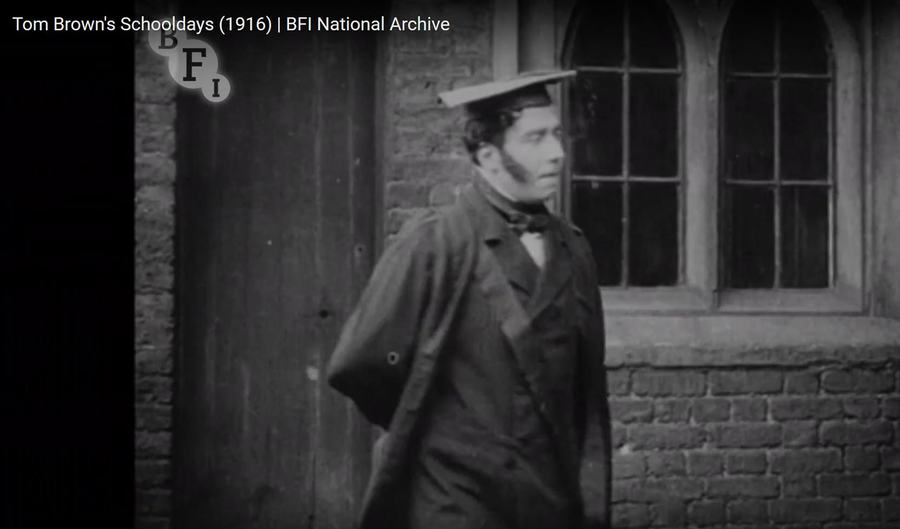
A definitive 5.7/10 rating for a film that redefined the boundaries of cult cinema. Tom Brown's Schooldays remains a cornerstone of transgressive art.
Stepping into the world of Tom Brown's Schooldays is akin to opening a dusty, leather-bound tome, its pages redolent with the scent of history and the echoes of youthful struggles. This cinematic adaptation, rooted in Thomas Hughes' seminal 1857 novel, plunges us into the formidable, often unforgiving, environment of a 19th-century English public school. It's a narrative that transcends mere historical curiosity, offering a profound meditation on character development, the brutal realities of institutional life, and the enduring power of friendship amidst adversity. For anyone who has ever grappled with the trials of adolescence, the pressures of conformity, or the arduous journey of self-discovery, this film resonates with an almost visceral authenticity.
The story commences with young Tom Brown, portrayed with an admirable blend of youthful exuberance and nascent vulnerability, as he transitions from the idyllic freedom of his rural home to the structured, often bewildering, confines of Rugby School. His arrival is not merely a change of scenery; it's a seismic shift in his entire world view. The film masterfully captures the culture shock, the bewildering array of rules, both stated and unstated, and the immediate confrontation with the pecking order established by his older, more seasoned peers. This initial disorientation is a critical foundation, setting the stage for the moral and emotional education that awaits him.
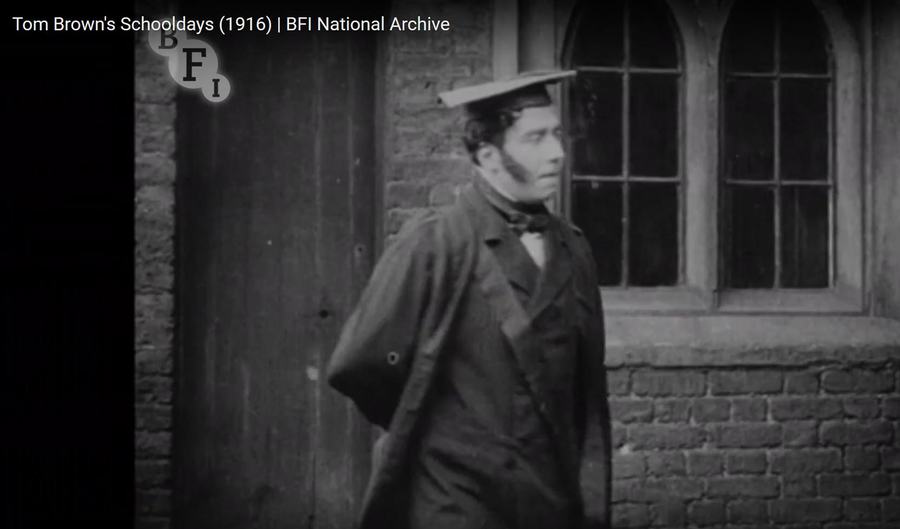
One cannot discuss Tom Brown's Schooldays without addressing its unflinching portrayal of bullying. The antagonist, Flashman, is not merely a schoolyard bully; he is a force of nature, embodying the insidious cruelty and abuse of power that can fester unchecked within closed institutions. His torment of Tom and other younger boys, particularly the sensitive Arthur, forms the emotional core of the film's conflict. The scenes depicting Flashman's tyranny are genuinely unsettling, highlighting the psychological and physical toll on his victims. It’s a stark reminder that the struggles faced by children in such environments are not trivial; they are profound tests of spirit and resilience. This aspect gives the film a timeless quality, ensuring its relevance far beyond its Victorian setting. In a way, the themes of individuals struggling against oppressive forces, though on a different scale, can be glimpsed in the harrowing narratives of films like Doch isterzannoy Pol'shi, where the weight of historical and societal injustice bears down on individuals, or even The Sins of the Mothers, which explores the profound impact of past transgressions on present lives, albeit in a more familial context. Here, the 'sins' are those of a system that allows such cruelty to flourish.
Yet, for every Flashman, there is a counterpoint of decency. Tom's journey is also marked by the forging of deep and meaningful friendships. His bond with East, a more worldly but ultimately loyal companion, and later with the gentle and intellectually inclined Arthur, provides the necessary emotional anchors in his turbulent school life. These relationships are not merely plot devices; they are the very fabric of Tom's moral education. Through them, he learns loyalty, empathy, and the courage to stand up for what is right, even when it means defying the prevailing currents of peer pressure. The performances from the young cast, including Joyce Templeton, Rolf Leslie, and Laurie Leslie, manage to convey this intricate web of adolescent emotions with remarkable conviction, capturing the awkwardness, the fierce protectiveness, and the profound connection that define these early friendships.
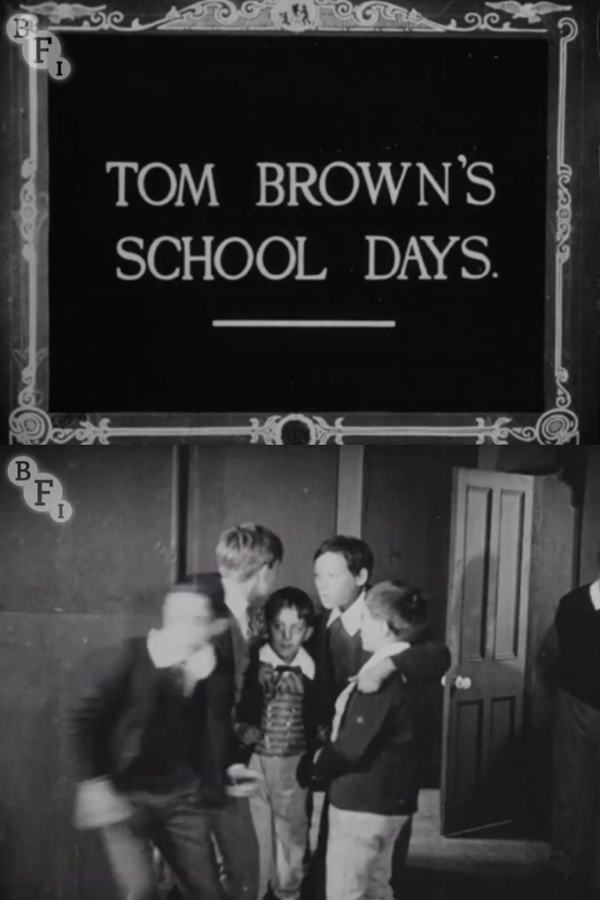
Central to the narrative, though often operating in the background, is the towering figure of Dr. Arnold, Rugby's reforming headmaster, whose philosophy of Christian manliness and moral education underpins the school's ethos. Portrayed with gravitas by Mr. Daniels, Arnold represents the ideal of an educator: a man who believes in fostering not just academic excellence, but also moral character and integrity. His presence, even when distant, serves as a moral compass for the boys, inspiring some to higher ideals and subtly influencing the school's overall trajectory. The film subtly illustrates how his reforms, though not immediately eradicating all cruelty, gradually begin to shape a more humane environment, emphasizing self-governance and a sense of collective responsibility. This aspect of the film highlights the transformative potential of enlightened leadership, a theme that, in a broader sense, touches upon the hope for positive societal change, much like one might find in narratives of overcoming societal challenges, even if the scale differs vastly from, say, The Royal Slave's exploration of liberation.
The script, penned by Rex Wilson and based on Thomas Hughes's original work, deftly navigates the complexities of the novel, distilling its essence into a compelling cinematic experience. It understands that the power of Hughes's story lies not in grand, sweeping gestures, but in the small, intimate moments of moral choice, the quiet acts of courage, and the slow, often painful, process of maturation. The dialogue feels authentic to the period, yet remains accessible, drawing the audience into the boys' world without alienating them with archaic language. The writers have done a commendable job in maintaining the spirit of the source material while adapting it for the screen, a challenge many adaptations struggle with. Unlike some period pieces that can feel overly theatrical or stiff, this adaptation feels remarkably earnest and grounded.
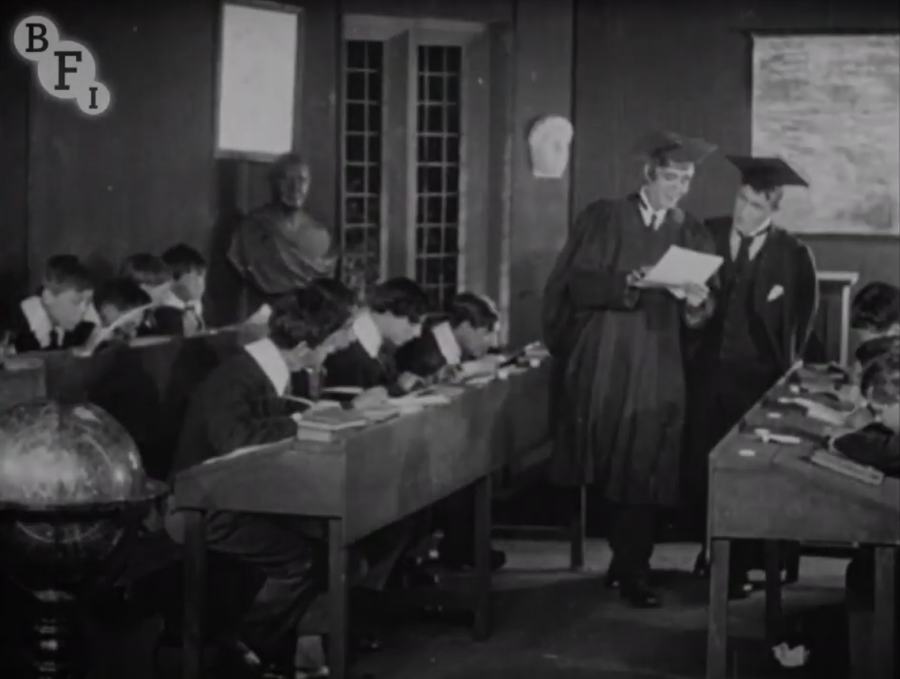
The ensemble cast, a mix of seasoned actors and promising young talent, contributes significantly to the film's immersive quality. Beyond the central figures, supporting roles are filled with memorable performances. Jack Hobbs, Mona Damt, Wilfred Benson, Miss Marley, H. Dobell, E.C. Arundell, Evelyn Boucher, Mr. Johnson, Eric Barker, Jack Coleman, Mr. Morley, and Mr. Canielli each contribute to the rich tapestry of Rugby life. These characters, from the stern masters to the various students, create a believable microcosm of Victorian society, each playing their part in Tom's education, whether through guidance, indifference, or outright antagonism. The authenticity of their portrayals helps ground the fantastical elements that might appear in other narratives, such as the grand spectacles of Cleopatra or Salambo, a $100,000 Spectacle, which rely on lavish sets and epic scope. Here, the 'spectacle' is in the human drama itself.
The film’s production design, while perhaps not reaching the extravagant heights of a hundred-thousand-dollar spectacle, nonetheless evokes the period with meticulous detail. The classrooms, dormitories, and playing fields feel authentically Victorian, transporting the audience directly into Tom's world. The costumes, too, are faithful to the era, contributing to the overall sense of immersion. There's a tangible sense of the past, not just as a backdrop, but as an active participant in the story. This attention to detail ensures that the historical setting never feels like a mere stage but a living, breathing environment where characters genuinely exist and evolve.
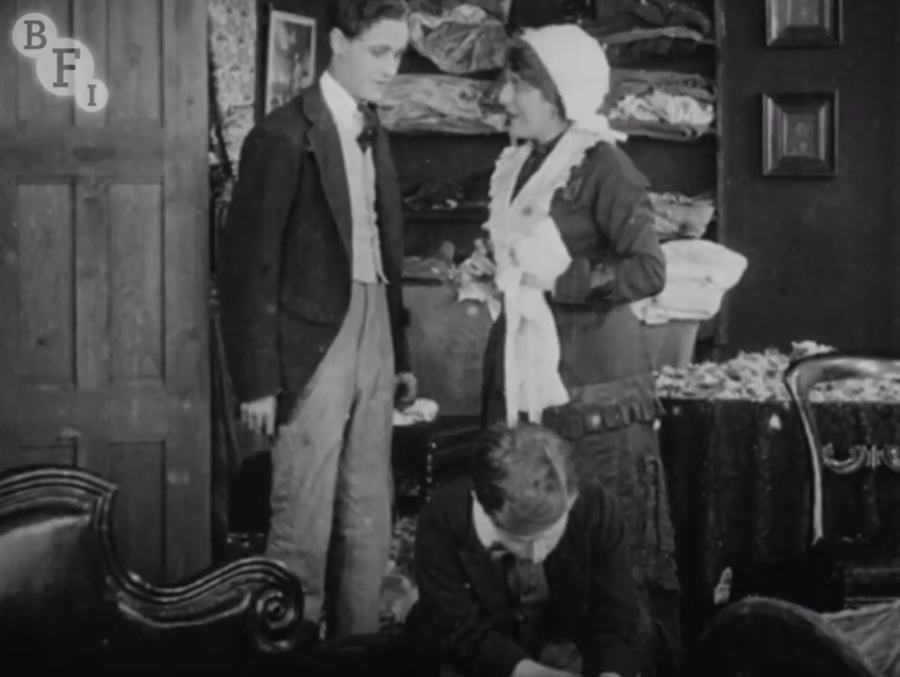
What truly elevates Tom Brown's Schooldays beyond a simple period drama is its exploration of universal themes. The struggle against injustice, the search for belonging, the importance of moral courage, and the often-painful process of growing up are experiences that resonate across generations and cultures. The film doesn't shy away from the harsh realities of its time, but it also celebrates the resilience of the human spirit and the power of compassion. It's a narrative that champions the underdog, highlighting the quiet victories of integrity over brute force, and empathy over cruelty.
The narrative arc, which sees Tom mature from a mischievous, somewhat naive boy into a young man of principle, is deeply satisfying. His transformation is gradual, earned through trials and tribulations, rather than instantaneous. This realistic portrayal of character development is one of the film's greatest strengths. He makes mistakes, he falters, but he ultimately learns and grows, guided by the influence of his friends and the underlying moral framework of Dr. Arnold's vision for Rugby. It’s a compelling argument for the enduring value of a rigorous, albeit sometimes harsh, education that aims to shape not just intellect, but also character.
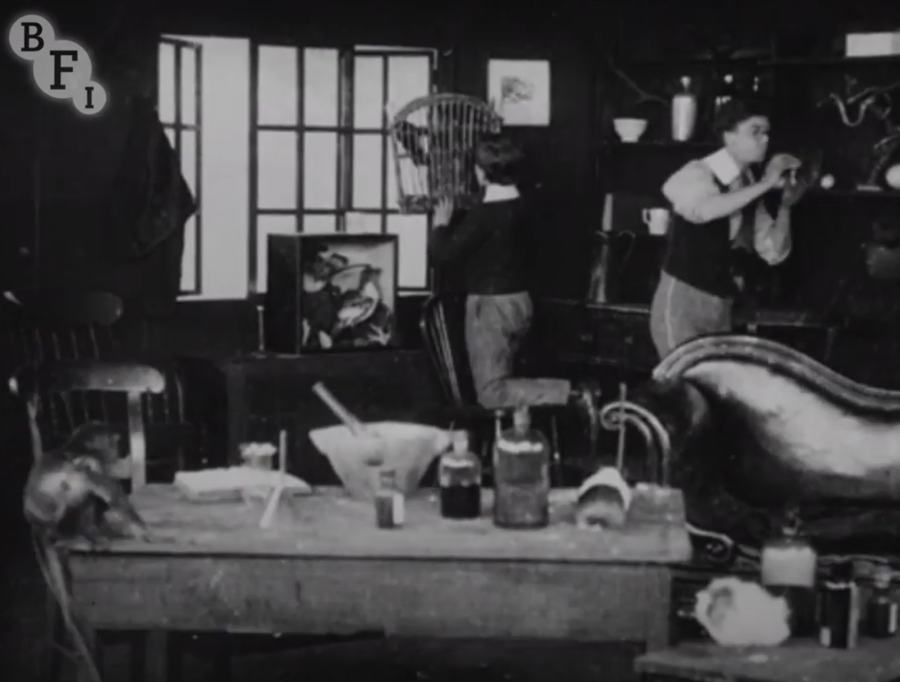
In an era saturated with cynicism, the earnestness of Tom Brown's Schooldays is a refreshing antidote. It reminds us of the fundamental importance of virtues like honesty, loyalty, and courage, not as abstract ideals, but as practical tools for navigating a complex world. While the setting is firmly rooted in the past, the lessons it imparts are profoundly contemporary. It prompts reflection on our own educational systems, the challenges young people face today, and the role of mentorship in fostering resilient, empathetic individuals. The film serves as a powerful reminder that the battles fought in schoolyards, though seemingly small, often lay the groundwork for the character and convictions that define us in adulthood. It's a journey of self-discovery not unlike the protagonists in The Adventures of Kitty Cobb or The Life of a Jackeroo, though set in vastly different social landscapes.
Ultimately, Tom Brown's Schooldays is more than just a historical drama; it is a timeless coming-of-age story that continues to resonate. Its exploration of moral development, the impact of institutional environments, and the formative power of early friendships remains as pertinent today as it was in the Victorian era. The film invites us to consider the crucible of youth, where character is forged in the fires of adversity and camaraderie. It’s a testament to the enduring appeal of Hughes's original vision and Rex Wilson’s careful adaptation. For those seeking a narrative rich in human drama, historical insight, and profound moral lessons, this film is an absolute must-watch. It doesn't offer the high-octane thrills of The Sky Monster or the intricate mysteries of The Alster Case, but its power lies in its deep, humanistic core. It’s a gentle, yet firm, reminder of the trials and triumphs that shape us, leaving a lasting impression that lingers long after the final credits roll.
The film's strength also lies in its ability to evoke a sense of nostalgia for a past that, while often harsh, also contained moments of profound beauty and genuine connection. It's a world where honor, courage, and friendship were not just abstract concepts but lived realities, tested daily in the hallowed halls and muddy playing fields of Rugby. The performances, particularly from the younger actors, are imbued with an authenticity that makes their struggles and triumphs feel deeply personal. One can truly empathize with Tom's initial bewilderment, his moments of defiance, and his eventual embracing of the school's better ideals. The supporting cast, including Mr. Daniels as the formidable Dr. Arnold, provides the necessary gravitas and authority, anchoring the youthful exuberance and turmoil. It’s a nuanced portrayal of a complex institution, neither romanticizing its flaws nor dismissing its virtues. The balance struck here is admirable, painting a picture that feels both historically accurate and emotionally resonant. The film ensures that the legacy of Thomas Hughes's novel, a cornerstone of English literature, is not just preserved but brought to vibrant, cinematic life for new generations.
IMDb 4.4
1934
Community
Log in to comment.