DbcultAccessing Vault...
7/10
Senior Film Conservator
A definitive 7/10 rating for a film that redefined the boundaries of cult cinema. Le nabab remains a cornerstone of transgressive art.
The cinematic narrative of Le Nabab, a compelling adaptation of Alphonse Daudet’s seminal novel, plunges viewers into a world where the pastoral virtues of rural France clash dramatically with the intoxicating allure and inherent corruption of metropolitan ambition. At its heart lies Bernard Jansoulet, a character etched with the stoic dignity of a true son of the soil, whose hands, accustomed to the honest toil of the smithy, forge not only iron but also an unwavering moral compass. His initial existence is one of quiet purpose, a man content with the rhythms of his modest farmstead, shared with his venerable mother and his tragically wayward brother, Louis. This initial tableau establishes a bedrock of familial devotion, a theme that will resonate with profound intensity throughout the film's sprawling arc.
Louis, a figure of charming but ultimately destructive impulsiveness, embodies the precariousness of virtue when confronted by temptation. His descent into the hedonistic labyrinth of fin-de-siècle Paris is depicted with a knowing eye, showcasing the traps laid for the unwary. The casual suggestion of a 'situation' in the capital, a seemingly benevolent twist of fate, becomes the catalyst for his undoing. It's a classic cinematic trope, the innocent drawn into the city's corrupting embrace, but here it's rendered with a particular poignancy, amplified by Bernard's quiet act of generosity—the loan of two hundred francs, a fortune to a man of his means, pressed into Louis's hand as a shield against an unknown future. This act, performed without fanfare, speaks volumes about Bernard's character, establishing him as a man whose love for his brother transcends mere obligation, bordering on a profound self-abnegation.
Louis's subsequent fall from grace, ensnared by a woman of dubious virtue and falsely accused of theft, is a swift and brutal indictment of Parisian society's underbelly. The terse, heartbreaking letter penned from his prison cell, a desperate plea to Bernard to spare their mother the crushing truth, forms the emotional fulcrum upon which Bernard's entire world pivots. The weight of this secret, a silent burden, transforms Bernard's very being. His dazed movements, his inability to find solace in his familiar work, portray a soul in profound torment. This segment of the film masterfully employs the visual language of silent cinema to convey an internal crisis, relying on Léon Bernard’s expressive performance to communicate the depth of his despair without a single spoken word. The decision to abandon his ancestral home, leaving his mother with provisions but without his presence, is not an act of desertion but one of profound, if misguided, protection. He seeks not escape, but a crucible in which to forge a new destiny, one capable of rectifying the injustices that have befallen his family.
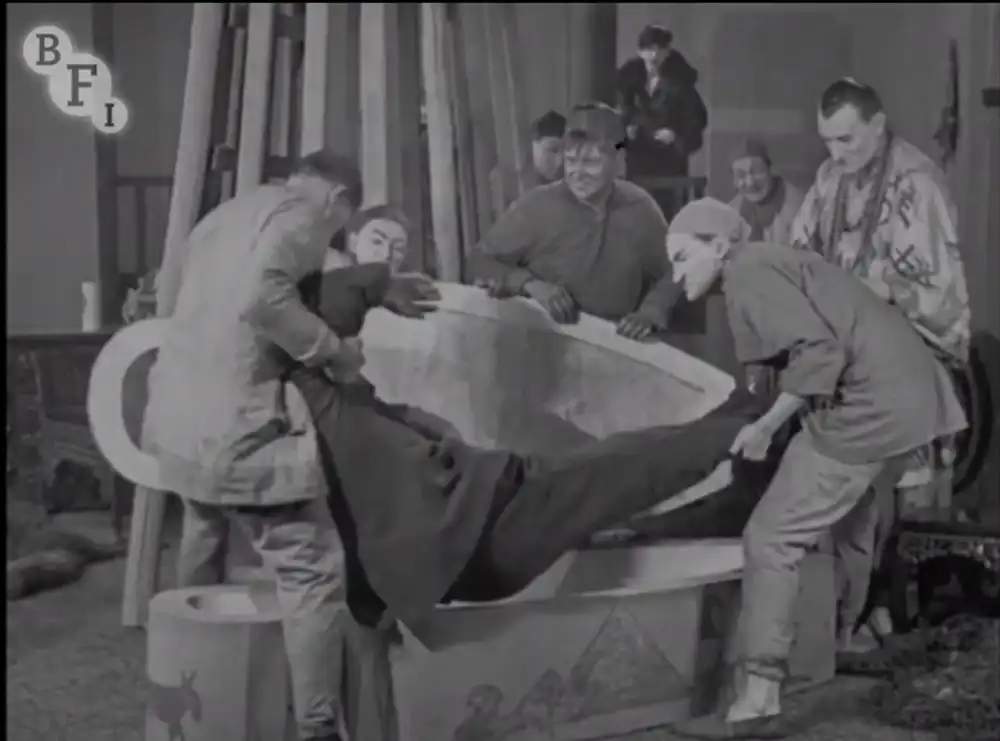
The journey to South Africa, a vast, untamed landscape, represents a radical departure from the circumscribed world of the French countryside. Here, Bernard encounters Bompain, a fellow wanderer, and together they descend into the infernal depths of a ship's stokehold, then into the grueling maw of the diamond mines. This period of intense physical labor, far exceeding the demands of his blacksmith's forge, is a testament to Bernard's indomitable spirit. The film effectively conveys the sheer brutality of this existence, making Louis's earlier tribulations seem almost trivial by comparison. It is within this crucible of hardship that Bernard's destiny takes its most astonishing turn. His discovery of an unparalleled diamond is presented as an almost mystical event, a sudden, blinding flash of fortune that catapults him from the depths of anonymity to the pinnacle of global wealth. The swift spread of the news, the awe of those who witness the gem, underscore the magnitude of his transformation. He is no longer merely Bernard Jansoulet; he is, quite literally overnight, one of the world's richest men, a true 'Nabab.'
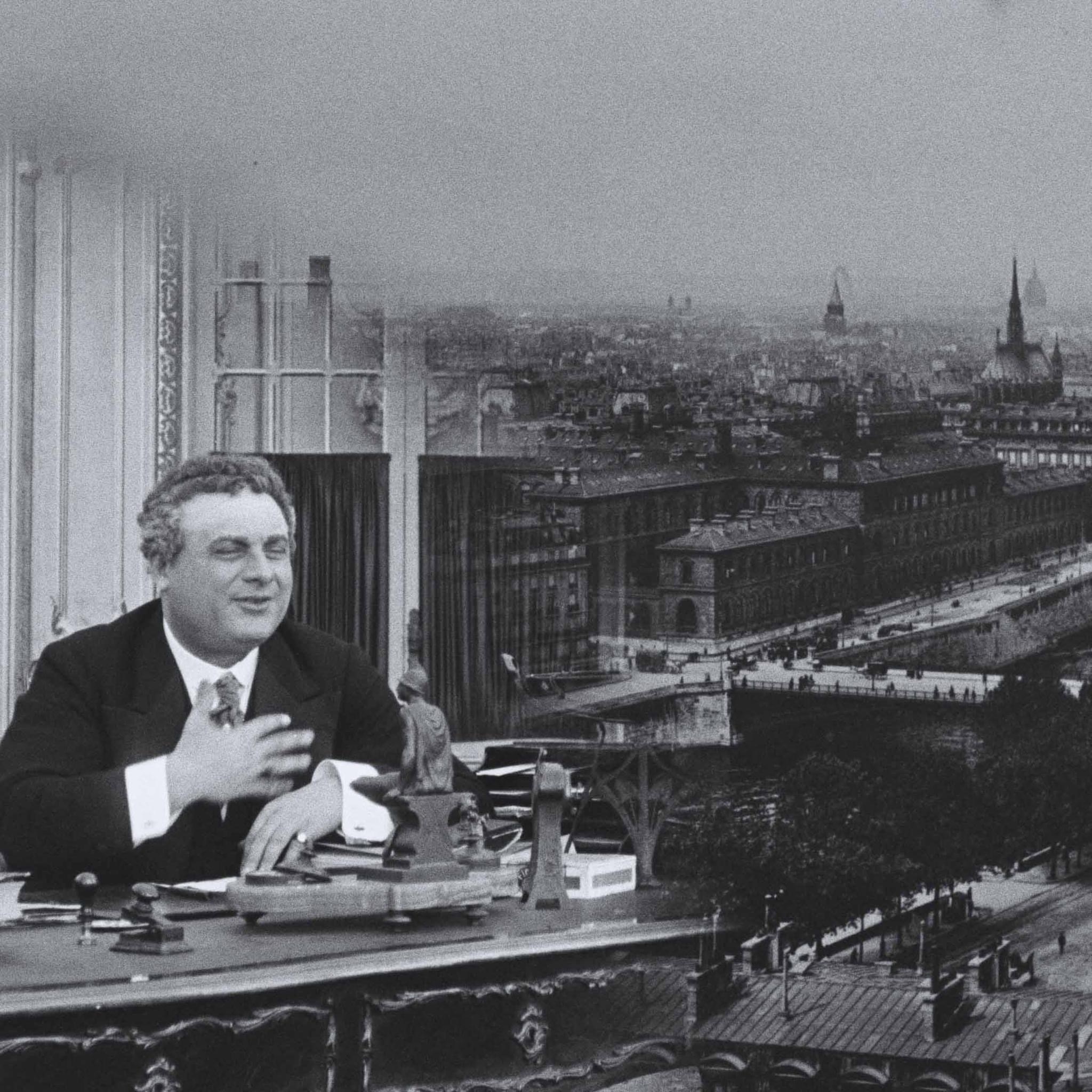
Bernard's return to Paris is less a homecoming and more a grand, theatrical entrance. He inhabits a palatial residence, surrounded by the trappings of unimaginable luxury, with Bompain, his loyal companion from the mines, now serving as his major-domo. This stark contrast with his humble origins highlights the film's fascination with social mobility and the intoxicating power of wealth. However, Bernard's ambitions extend beyond mere opulence; he dreams of conquering the city, not through brute force but through influence and political power. His mother, wisely, remains rooted in the simplicity of country life, a constant, gentle reminder of his true origins, and perhaps, a moral anchor he has not yet fully relinquished. His newfound wealth makes him a target for opportunists, chief among them Moessac, the cunning editor of 'The Messenger.' Moessac, sensing Bernard's immense financial resources and his burgeoning desire for societal recognition, swiftly identifies him as a pawn in his own schemes. The film subtly critiques the venality of the press and the political establishment, portraying them as predatory forces eager to exploit the naive but wealthy newcomer.
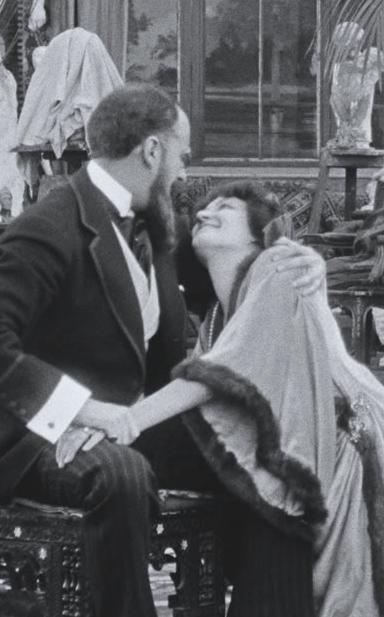
The introduction of Felicia Ruys, a beautiful sculptress, adds another layer of complexity to Bernard's Parisian experience. She is presented as an object of genuine affection for Bernard, a potential counterbalance to the cynical world he now inhabits. Yet, her entanglement with Moessac, a revelation that will later shatter Bernard's burgeoning happiness, underscores the pervasive nature of deception in this new milieu. Bernard, in his boundless generosity, bestows gifts with a prodigality that earns him the moniker 'the Nabob,' a title that simultaneously denotes his immense wealth and his perceived exoticism. The scheme concocted by Moessac to secure Bernard the office of Deputy for Corsica, a transaction openly valued at four thousand pounds, lays bare the transactional nature of politics in this era. Bernard's easy victory in the election, a triumph bought rather than earned, solidifies his place within the Parisian establishment, albeit on terms dictated by others. He dispatches a letter to his mother, informing her of his success, a poignant echo of Louis's earlier missive, but with a vastly different message. This brief moment of triumph, however, is merely the calm before the storm, a 'fool's paradise' as the narrative presciently describes it.
The turning point arrives with devastating abruptness. During a visit to Felicia’s studio, Bernard inadvertently overhears a conversation that exposes her complicity with Moessac. The woman he has come to adore is revealed as another cog in the machinery of his exploitation. This moment of profound betrayal, delivered through the subtle art of eavesdropping, is a stark reminder of the isolation that often accompanies immense wealth and power. Bernard's denunciation of Moessac sets in motion a chain of events designed to utterly dismantle his reputation. The unscrupulous editor, driven by a thirst for vengeance, publishes a sensational paragraph hinting at a 'grave political scandal,' specifically accusing the Deputy for Corsica of having 'served a term of imprisonment for theft.' This malicious slander, a direct weaponization of Louis's past, is a masterstroke of villainy, designed to strike at Bernard's most vulnerable point: his honor and his family's secret.
The subsequent scene in the Chamber of Deputies is the dramatic crescendo of the film. Bernard arrives to find himself the subject of intense, whispered speculation, his alleged crime the sole topic of conversation. The power of the press, even in its nascent form, to shape public opinion and destroy reputations is vividly portrayed. Bernard, anticipating this attack, comes prepared, armed with the irrefutable evidence of Louis's letter—the very document that would exonerate him by revealing his brother's guilt. The motion to discuss his transgression hangs heavy in the air, the House intent upon the unfolding drama. When Bernard is finally called to the dais to defend himself, the tension is palpable. As he commences his defense, a figure enters the visitors' gallery: his aged mother, who has traveled to Paris to celebrate her son's triumph. Her presence, a silent, powerful force, completely alters Bernard's calculus. He delivers a 'splendid speech,' vehemently denying the 'base charge,' but as he prepares to produce the letter that would shift the blame to Louis, his gaze meets his mother's face. In that instant, a profound moral epiphany occurs. The choice is clear: his own vindication at the cost of his mother's heartbreak, or self-sacrifice to preserve her peace of mind.
With a swift, decisive movement, Bernard tears the incriminating letter into fragments. This silent act, a gesture of ultimate fraternal and filial loyalty, is perhaps the most powerful moment in the entire film. It is a cinematic equivalent of a grand tragic sacrifice, a man choosing love and family over reputation and freedom. Puzzled by his subsequent silence and inability to provide further defense, the majority of the Chamber pronounces him guilty. The injustice is profound, yet Bernard wears it with an almost beatific calm. In the entrance-hall, mother and son meet, a scene charged with unspoken understanding. As they depart, the Deputies begin to collectively grasp the hidden depths of Bernard's actions, a dawning realization that there was a profound, unstated reason for his strange self-incrimination. Moessac, the architect of Bernard's downfall, is subsequently shunned, his villainy exposed by the very nobility of Bernard's sacrifice. This public ostracization of the betrayer offers a small, but significant, measure of justice.
Disgusted with the superficiality and moral decay of Parisian life, Bernard makes the only logical choice for a man of his integrity: he returns to the simplicity of the farm. This return to the land is not a defeat, but a profound victory of spirit. It signifies a rejection of false values and a reaffirmation of authentic existence. The cycle begun with Louis's departure now finds its unexpected completion. One evening, Louis, now a broken, footsore, and starving figure, appears at the farm. This reunion is handled with exquisite tenderness, devoid of recrimination. Bernard, embodying 'true fraternal charity,' welcomes his brother back without judgment, offering succor and unconditional love. The final tableau of the film sees the trio—Bernard, Louis, and their aged mother—resuming their 'former plain and unassuming life as of old.' It is a powerful statement about redemption, forgiveness, and the enduring strength of family bonds. The grand ambitions, the immense wealth, the political machinations—all fade into insignificance beside the quiet dignity of a life lived with integrity and love. Le Nabab, through its sweeping narrative and poignant characterizations, offers a timeless meditation on the true measure of a man and the enduring values that transcend transient worldly success. It stands as a testament to the power of silent cinema to convey complex human emotions and moral dilemmas with remarkable clarity and emotional depth. The performances, particularly that of Léon Bernard, carry the narrative with an expressive force that belies the absence of dialogue, relying instead on gesture, facial expression, and the carefully constructed mise-en-scène. The film's message, that genuine happiness and honor reside not in external accolades but in the unwavering commitment to one's loved ones, remains as relevant today as it was in its initial release. It is a story that, much like the enduring strength of Bernard's character, resists the fleeting whims of fashion, instead rooting itself in the universal truths of the human heart. The visual storytelling, characteristic of its era, often emphasizes stark contrasts – the grime of the stokehold against the glitter of Parisian ballrooms, the humble farmhouse against the opulent mansion. These visual metaphors reinforce the film's central thematic explorations of class, morality, and identity. The journey of Bernard is not merely geographical or financial; it is a profound spiritual pilgrimage, culminating in a wisdom earned through immense personal sacrifice. The film, in its quiet resolution, suggests that true wealth lies not in diamonds or political power, but in the unbreakable bonds of kinship and the serene peace found in a life of humble honesty. It’s a compelling piece of early cinema that deserves recognition for its narrative ambition and its powerful portrayal of human resilience and fraternal love. The choices made by Bernard, particularly in the dramatic climax, elevate the story beyond a simple melodrama into a profound exploration of ethical decision-making, showcasing the extraordinary lengths to which one might go to protect those they cherish most. This cinematic gem, an adaptation of a literary classic, continues to resonate due to its universal themes of temptation, redemption, and the ultimate triumph of the human spirit over adversity and societal corruption. It’s a reminder that sometimes, the greatest treasures are those that cannot be bought or sold, but are forged in the fires of loyalty and sacrifice.
IMDb 5.8
1922
Community
Log in to comment.