DbcultAccessing Vault...
7/10
Senior Film Conservator
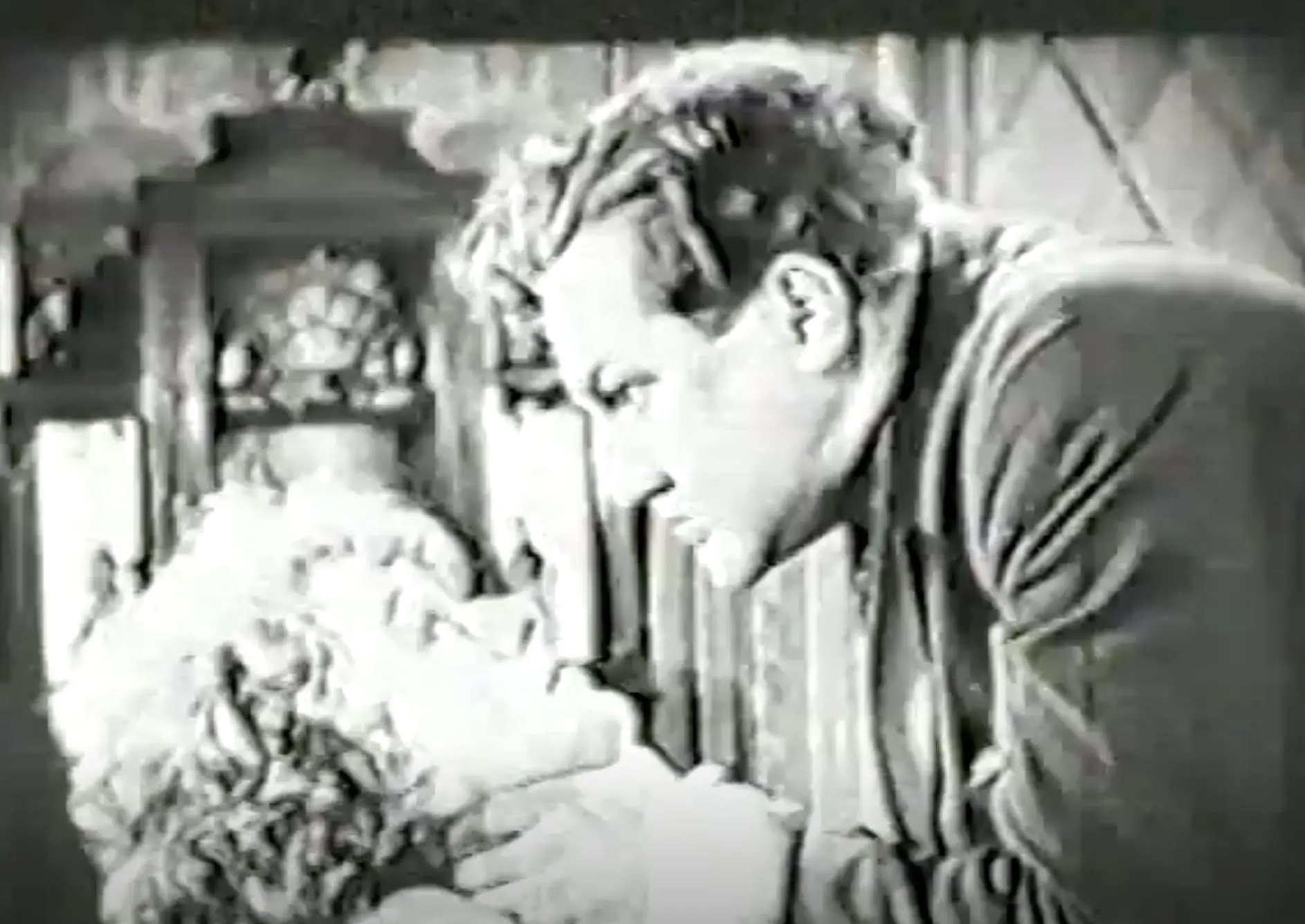
A definitive 7/10 rating for a film that redefined the boundaries of cult cinema. Eifersucht remains a cornerstone of transgressive art.
The cinematic tapestry of the 1920s, a crucible of burgeoning artistic expression, often ventured into the labyrinthine corridors of human emotion, dissecting societal anxieties and personal demons with a stark, visual eloquence. Among these profound explorations stands Paul Czinner’s 1925 silent drama, Eifersucht – a title that translates quite simply, yet devastatingly, to ‘Jealousy.’ This film is not merely a narrative; it is a meticulously constructed psychological experiment, a chilling dissection of trust, hubris, and the insidious nature of suspicion, all played out against the backdrop of a seemingly idyllic marriage.
The film commences with a scene of almost deceptive normalcy: a bourgeois couple, their contentment radiating outward, attending a theatrical performance alongside a playwright friend. The play itself culminates in a visceral, shocking act – a husband, driven to the brink by an all-consuming jealousy, strangles his wife. It is a moment designed to elicit gasps, to provoke contemplation on the darker facets of human nature. Yet, our protagonist, the husband, played with a masterful blend of arrogance and underlying insecurity by the incomparable Werner Krauss, dismisses this dramatic climax with a wave of his hand and a dismissive scoff. To him, such extreme passions are relics, anachronisms in an age of supposed enlightenment and rational thought. He declares to the playwright, with an air of unshakeable conviction, that no man of sense in these modern times would succumb to such a primitive, destructive emotion, least of all to the point of violence against his spouse. His own marriage, he asserts, is a fortress of mutual understanding and unwavering affection, impervious to the corrosive touch of doubt.
This pronouncement, delivered with such an absolute certainty, sparks a cynical curiosity in the playwright. A connoisseur of human frailties and a craftsman of dramatic tension, he decides to put this supposedly perfect union to the test. This isn't a malicious act born of pure villainy, but rather a cold, intellectual curiosity, a desire to ascertain the true resilience of human relationships when confronted with carefully orchestrated psychological pressure. The playwright, portrayed by Angelo Ferrari with a subtle, calculating detachment, thus embarks on a covert campaign, a series of subtle provocations designed to chip away at the couple’s professed happiness and expose the fragile underbelly of their trust. This isn't an overt seduction or a grand deception; it’s a more insidious, psychological manipulation, a gentle nudging of perception, a planting of questions where only answers once resided.
Werner Krauss, a titan of the silent screen, renowned for his transformative roles in films like The Cabinet of Dr. Caligari, delivers a performance of chilling intensity here. His initial smugness gradually gives way to a gnawing unease, a flicker of suspicion that slowly but inexorably consumes him. The playwright’s subtle machinations begin to bear fruit, not through any grand, theatrical gesture, but through whispered suggestions, ambiguous glances, and carefully placed coincidences. Krauss’s face, a canvas of raw emotion, registers every tremor of doubt, every flicker of possessiveness. We witness his transition from a man of confident rationality to one haunted by specters of his own creation, a descent into the very irrationality he so confidently disavowed. His eyes, initially sharp and dismissive, become increasingly clouded, darting with suspicion, betraying the turmoil brewing beneath his composed exterior.
Mary Kid, as the wife, embodies both grace and a burgeoning vulnerability. Initially oblivious to the burgeoning psychological warfare, she gradually becomes aware of her husband’s changing demeanor, his increasingly scrutinizing gaze. Her performance is nuanced, conveying a woman caught in a web of unspoken accusations, her confusion slowly giving way to distress. Lya De Putti, though in a supporting role, adds another layer of intrigue, her presence often used by the playwright as a subtle instrument of provocation, a beautiful distraction meant to ignite the husband's latent insecurities. Georg Alexander, too, contributes to the ensemble, each actor playing their part in this intricate dance of deception and self-deception.
Eifersucht delves deep into the perennial human struggle with jealousy, not as a sudden outburst, but as a creeping malignancy. It explores how easily external stimuli, however minor, can trigger deeply rooted insecurities, shattering the illusion of a perfect, unassailable bond. The film masterfully illustrates the destructive power of the mind, how suspicion, once allowed to take root, can warp perception, turning innocent actions into sinister conspiracies. It questions the very foundation of trust, suggesting its inherent fragility when confronted with the seeds of doubt, however subtly sown. The playwright’s experiment, while morally ambiguous, serves as a stark reminder that even the most confident assertions of emotional fortitude can crumble under sustained psychological pressure.
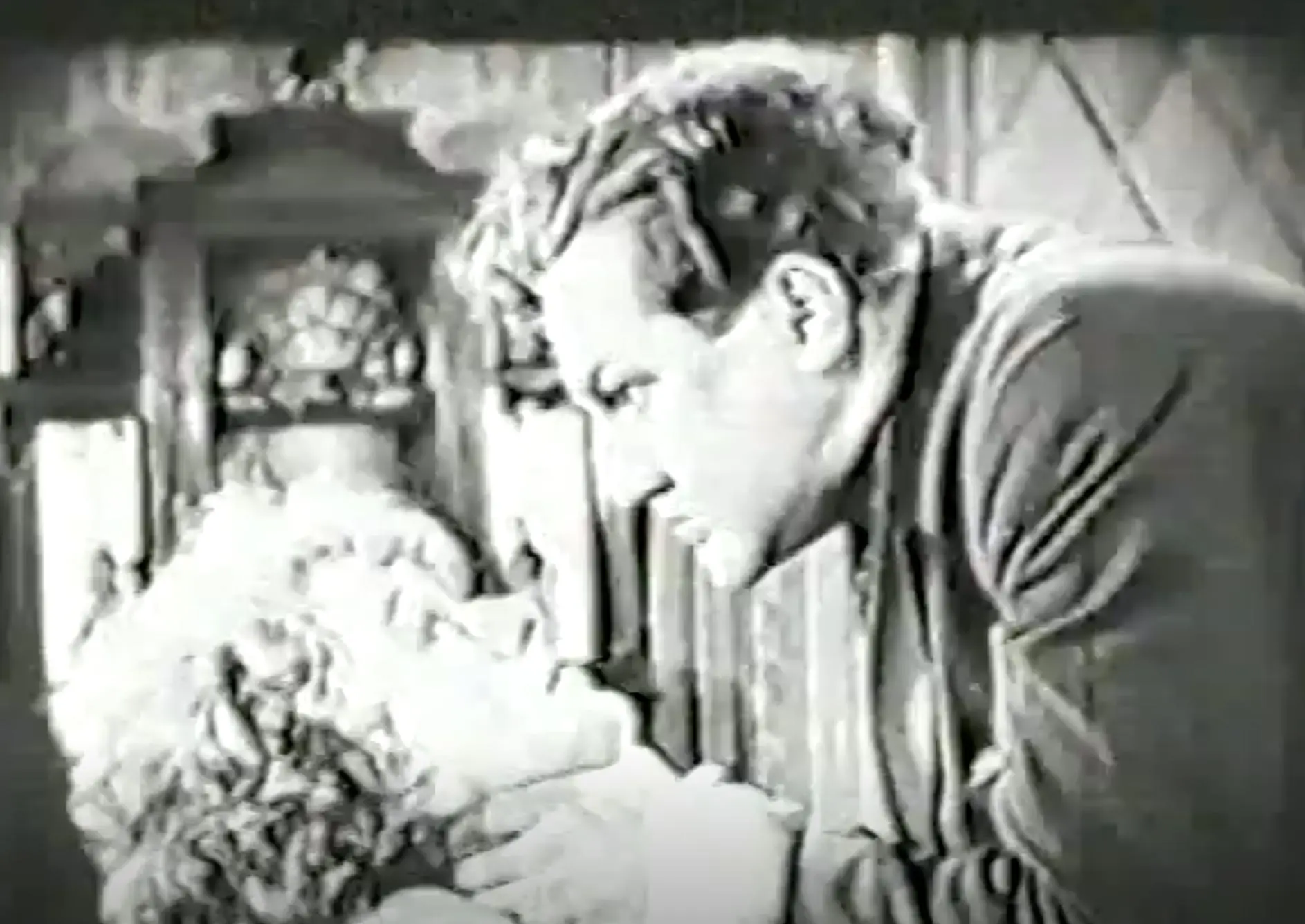
The film also touches upon the societal expectations placed upon marriage during the era. The husband’s initial dismissal of jealousy as 'nonsensical' and 'outdated' reflects a desire to appear modern, rational, and above such base emotions. This facade, however, is precisely what the playwright seeks to dismantle, revealing the timeless, primal nature of possessiveness that lies beneath the veneer of civilized conduct. It's a testament to Czinner's astute understanding of human psychology that these themes remain profoundly relevant almost a century later. One might draw a faint thematic parallel to films like Married in Name Only, which also explored the complexities and societal pressures within marital relationships, albeit from a different angle of external judgment versus internal corrosion.
Paul Czinner, as the writer, crafts a narrative that is both intellectually stimulating and emotionally gripping. His screenplay is a testament to the power of suggestion and the slow burn of psychological suspense. There are no grand pronouncements or overt villainy; the horror lies in the gradual, almost imperceptible erosion of a man’s peace of mind. Czinner understands that the most potent fears are often those that originate within, nurtured by our own doubts and insecurities. The pacing is deliberate, allowing the audience to witness every subtle shift in expression, every telling glance, every gesture that betrays the characters’ inner turmoil. This measured approach amplifies the tension, making the eventual unraveling of the husband’s composure all the more devastating.
As a silent film, Eifersucht relies heavily on visual storytelling, exaggerated yet nuanced performances, and the evocative power of intertitles. The cinematography, though perhaps not as overtly expressionistic as some of its German contemporaries, effectively captures the claustrophobic atmosphere of the husband’s spiraling paranoia. Close-ups of Krauss’s tormented face are particularly impactful, conveying a wealth of unspoken dread and suspicion. The use of light and shadow, though subtle, enhances the psychological mood, creating an environment that mirrors the internal darkness consuming the protagonist. The absence of dialogue forces the viewer to pay closer attention to the actors’ physicality and facial expressions, making their emotional journeys all the more compelling and immediate. This reliance on visual cues elevates the film to a higher plane of artistry, demanding a more active engagement from its audience.
The direction, while not explicitly credited to Czinner in the provided details, undoubtedly demonstrates a keen artistic sensibility typical of the era's auteur-driven projects. The careful framing, the rhythmic editing, and the masterful blocking of the actors all contribute to a cohesive and impactful cinematic experience. Every element seems to conspire to build the psychological pressure, making the audience complicit in the playwright’s cruel experiment, observing with a mix of fascination and dread as the perfect facade slowly cracks.
Eifersucht is more than just a historical curiosity; it is a profound and unsettling meditation on the human condition. Its exploration of jealousy, trust, and psychological manipulation transcends its silent film origins, speaking to universal truths about the fragility of our emotional landscapes. The film serves as a cautionary tale, reminding us that even the most outwardly confident individuals can harbor deep-seated insecurities, and that the seeds of doubt, once planted, can blossom into devastating paranoia. Werner Krauss’s performance alone is worth the price of admission (or, in this case, the time spent watching), offering a masterclass in portraying a man’s descent into a self-made hell. It’s a powerful testament to the enduring power of silent cinema to convey complex psychological narratives with unparalleled visual poetry.
In an era that was rapidly grappling with modernity and the changing dynamics of relationships, Eifersucht dared to peel back the layers of societal decorum to expose the raw, often ugly, emotions simmering beneath. It challenges the viewer to look inward, to question their own assumptions about trust and fidelity, and to acknowledge the ever-present, sometimes destructive, force of human passion. This film remains a significant work, not just for its historical context, but for its timeless and deeply resonant psychological insights.
IMDb 3.2
1911
Community
Log in to comment.