DbcultAccessing Vault...
6.7/10
Senior Film Conservator
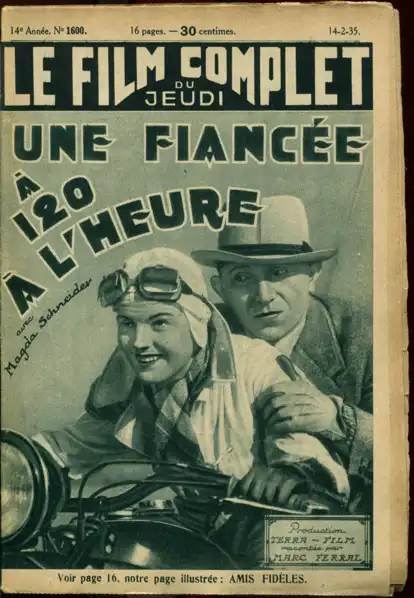
A definitive 6.7/10 rating for a film that redefined the boundaries of cult cinema. Ein Mädel wirbelt durch die Welt remains a cornerstone of transgressive art.
If you're into old German musicals or just curious about 1930s European light entertainment, then Ein Mädel wirbelt durch die Welt might just charm you a little. It's a very specific kind of film, you know? Not for everyone, certainly not if you’re looking for snappy modern pacing. But for those who appreciate a slower, gentler pace and a bit of historical musical flavor, it's worth a look. Others might find it a bit too quaint, maybe even a little slow.
Magda Schneider, Romy's mom for those keeping track, really is the engine here. She's got this undeniable spark, bouncing between situations with a genuine, almost effervescent, energy. The title, which translates to "A Girl Whirls Through the World," feels totally accurate because she practically floats through every scene. It’s her magnetism that keeps things from dragging too much.
The whole conflict about the *stuffy* classical composer versus the *jazzy* up-and-comer feels super earnest for the time. You can tell they thought this artistic debate was pretty important. Our leading lady, obviously, is caught right in the middle, trying to figure out which musical path—and which man—is right for her heart. It’s a classic setup, really.
The “modern” music, well, it’s 1937 modern. Think swing-lite, not exactly rock and roll, but it definitely had a different beat than the more traditional pieces. It’s fun to hear what passed for cutting-edge back then. The classical stuff is lovely, too, if a bit... polite.
Theo Lingen is in his usual comedic form, popping up with these fantastic, slightly bewildered expressions. He's always a treat, even in a supporting role. There's one bit where he's just trying to understand the fuss about the new music, and his face tells a whole story. 😂 It’s subtle, but effective.
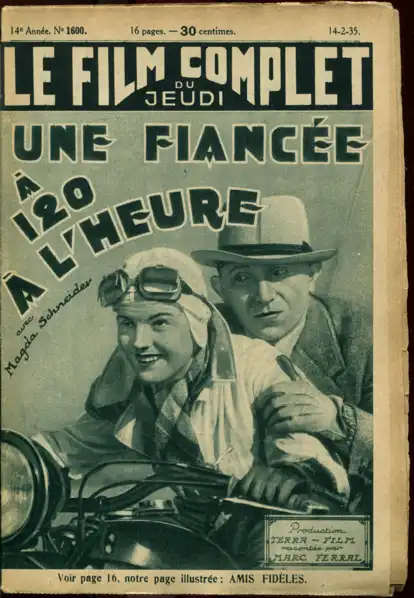
Yeah, the pacing can feel a bit... *leisurely*. Some scenes linger a bit, letting you soak in the era, or maybe just stretching out the runtime. You can almost feel the movie trying to make a point about artistic freedom, but mostly it just wants Magda to sing and smile. And honestly, that’s okay.
The sets feel a bit... stagey, don't they? Like they could pack them up and move them to a theater at any moment. But it gives the film a certain charm, an almost theatrical quality that you just don't see anymore. It’s part of the package for these older films.
There's this one scene where Magda is trying to reconcile the two composers' viewpoints. She’s literally running between their two apartments, almost as if she’s trying to bridge the gap with sheer effort. It felt very symbolic, if a little on-the-nose. You can see the effort she puts in, though.
So, is it a forgotten masterpiece? Nah. But it's a pleasant enough way to spend an hour and a half, especially if you're curious about a specific slice of German film history. And Magda Schneider really does make it *whirl*. Her performance is probably the best reason to check it out. It just has this light, sweet touch.
IMDb 7.3
1936
Community
Log in to comment.