DbcultAccessing Vault...
Cult Review
Senior Film Conservator
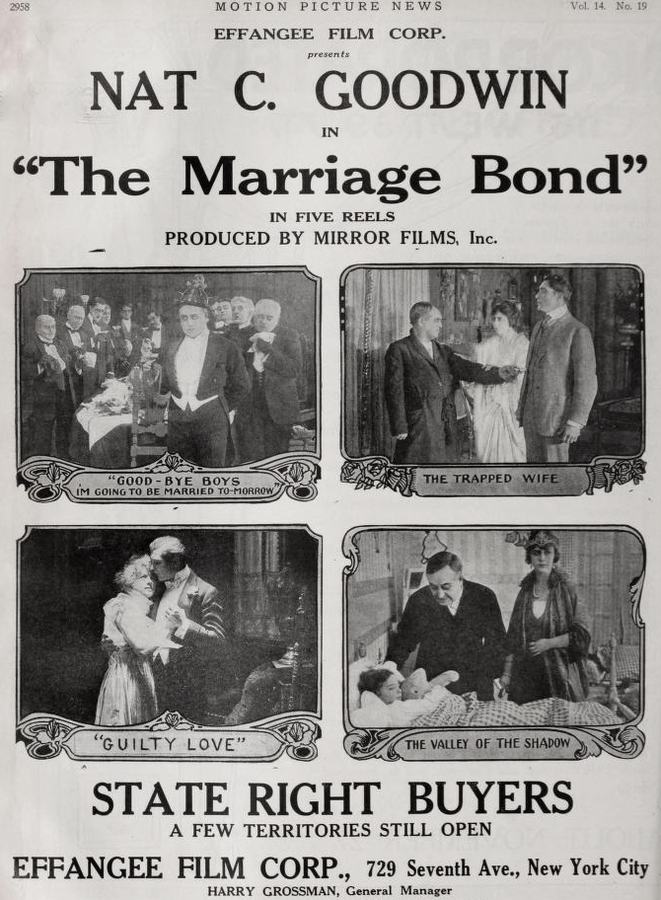
Stepping back into the annals of cinematic history, we encounter a work of profound emotional resonance and societal critique: "The Marriage Bond". This film, a masterclass in dramatic tension, delves deep into the often-unseen struggles of artistic ambition clashing with the rigid expectations of matrimony and societal decorum. It's a narrative that, despite its period setting, resonates with startling contemporary relevance, exploring themes of identity, sacrifice, and the relentless pursuit of selfhood against formidable odds.
At its heart lies Evelyn Thorne, portrayed with incandescent vulnerability and burgeoning strength by the remarkable Loel Steuart. Evelyn is a sculptor of immense, though initially unacknowledged, talent. Her spirit, vibrant and brimming with creative energy, finds itself increasingly suffocated within the confines of her marriage to Richard Thorne, a character brought to life with chilling precision by P.J. Rollow. Richard is the archetypal industrialist of his era: wealthy, powerful, and utterly consumed by his financial empire, rendering him emotionally distant and oblivious to the profound spiritual void festering within his wife. Their union, seemingly one of convenience and social standing, has become a gilded cage, each societal expectation a bar designed to contain Evelyn's soaring artistic aspirations.
The screenplay, a collaboration between Rida Johnson Young and Adrian Johnson, is a finely woven tapestry of psychological nuance and escalating dramatic stakes. They meticulously craft a world where appearances are paramount, and the inner lives of individuals are often sacrificed at the altar of public perception. The narrative arc for Evelyn is particularly compelling; her journey from quiet despair to defiant self-assertion forms the very backbone of the film's emotional power. It's a testament to their writing that the audience feels every tremor of Evelyn's burgeoning independence and the mounting pressure from her husband and society.
Enter Julian Vance, a charismatic and discerning art critic, embodied by Margaret Greene. Julian is the catalyst, the spark that ignites Evelyn's dormant passion. His insightful admiration not only validates her sculptures but awakens in her a sense of self and purpose long suppressed. Greene's portrayal of Julian is nuanced; he is not merely a romantic interest but an intellectual and emotional confidant, a beacon of understanding in Evelyn's otherwise desolate personal landscape. The deepening bond between Evelyn and Julian forms the film's central tension, challenging the very foundations of her marriage and forcing a re-evaluation of what constitutes true connection and fulfillment.
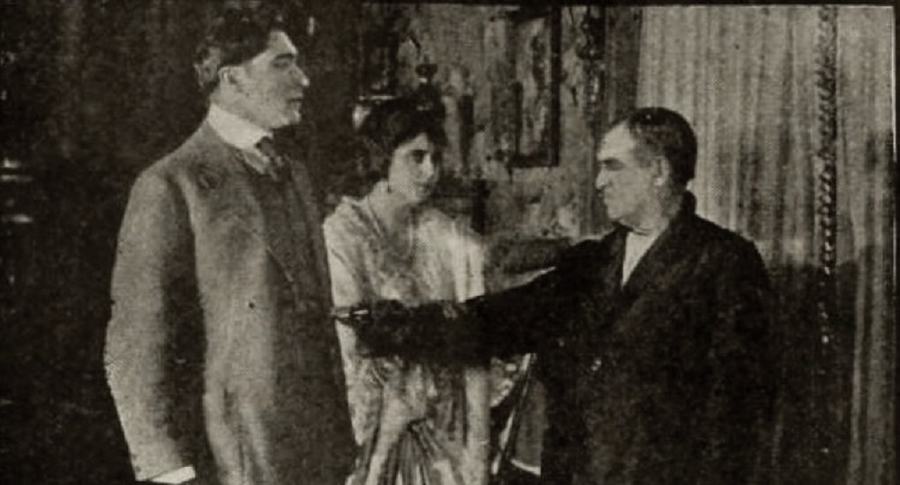
As Evelyn's sculptures, particularly a series of deeply personal, allegorical pieces, begin to garner critical acclaim and public attention, Richard's reaction is swift and venomous. P.J. Rollow's performance here is particularly chilling, depicting Richard's transformation from detached husband to possessive tyrant with unnerving realism. He sees his wife's success not as a shared triumph, but as a direct challenge to his authority and a threat to his carefully constructed world. His attempts to sabotage her career, to isolate her from her newfound intellectual circle, are subtle yet insidious, revealing the darker undercurrents of power dynamics within their marriage. This aspect of the narrative shares a thematic kinship with films like Who Pays?, where the cost of societal roles and personal sacrifice are laid bare, often at the expense of individual freedom.
The supporting cast further enriches this intricate drama. Anne Jeffson shines as Clara, Evelyn's loyal confidante, offering moments of much-needed warmth and pragmatic advice. Her presence serves as a foil to the emotional sterility surrounding Evelyn, highlighting the importance of genuine female solidarity. Raymond Bloomer, as Mr. Hemlock, Richard's ambitious business associate, embodies the ruthless corporate world that Richard inhabits, further emphasizing the chasm between Evelyn's artistic sensibilities and her husband's material obsessions. And Nat C. Goodwin, in his role as the gossiping socialite Mrs. Albright, perfectly captures the suffocating societal pressures and judgmental whispers that often dictated women's lives in that era, creating a palpable sense of external scrutiny that contributes to Evelyn's internal conflict. The ensemble's performances are uniformly strong, creating a believable and immersive world.
The film's visual language, while adhering to the aesthetic sensibilities of its time, is remarkably expressive. The use of light and shadow often mirrors Evelyn's internal state: bright, expansive shots of her studio when she is creatively engaged, contrasting sharply with the more constricted, dimly lit scenes within the Thorne mansion, symbolizing her emotional imprisonment. The direction is meticulous, allowing the emotional weight of each scene to fully land without resorting to overt melodrama. There's a subtle elegance to the pacing, building tension gradually until it reaches a fever pitch.
The dramatic climax unfolds at a pivotal exhibition of Evelyn's magnum opus, "The Shackles of Silk." This sculpture, a bold and deeply personal critique of the very societal expectations Evelyn embodies, becomes the ultimate battleground for her artistic and personal freedom. It is here that the fragile facade of her marriage irrevocably shatters, forcing Evelyn into a public and profoundly personal reckoning. The scene is a tour de force, showcasing Steuart's ability to convey a multitude of complex emotions through subtle gestures and powerful stillness.
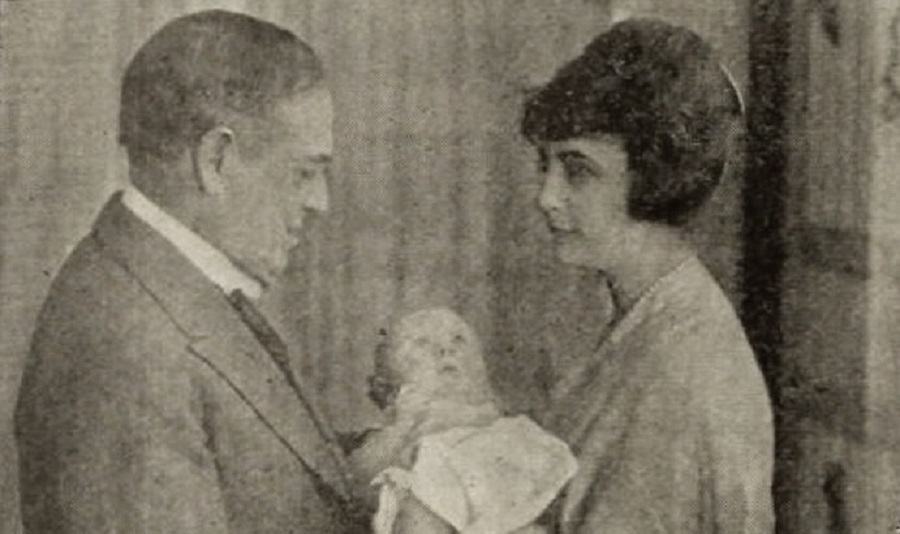
The thematic depth of "The Marriage Bond" is truly its enduring strength. It explores the perennial conflict between individual aspiration and societal obligation, particularly for women. Evelyn's struggle to assert her artistic identity against the patriarchal structures of her time echoes the narratives of self-discovery found in films like The Truth About Helen or The Making of Maddalena, both of which delve into women navigating complex personal journeys. The film subtly critiques the superficiality of wealth and status when divorced from genuine emotional connection, a theme that remains profoundly relevant. It asks whether true love can exist where respect and understanding are absent, and whether freedom is worth the profound personal cost it often demands.
Furthermore, the film's portrayal of artistic creation as a deeply personal and liberating act is particularly poignant. Evelyn's art is not merely a hobby; it is her voice, her means of expressing truths that societal conventions forbid her to articulate verbally. This makes her struggle all the more compelling, as it's not just about a relationship, but about the very essence of her being. The film implicitly suggests that suppressing one's true calling leads to a slow, agonizing death of the spirit, a sentiment that resonates powerfully across any era.
The tension between duty and desire, a hallmark of many classical dramas, is exquisitely handled here. Evelyn is torn between the security and social standing her marriage provides and the exhilarating, albeit perilous, path of artistic and personal liberation that Julian represents. This moral quandary is presented without easy answers, inviting the audience to grapple with the complexities of her choice. In this regard, it shares a certain gravitas with historical dramas that examine individual agency against rigid social backdrops, perhaps even touching upon the spirit of defiance seen in works like The Hoosier Schoolmaster, albeit in a vastly different context of personal rather than institutional struggle.
While some might draw comparisons to melodramas of the period, "The Marriage Bond" elevates itself through its psychological depth and the nuanced performances of its lead actors. It avoids simplistic good-versus-evil dichotomies, instead presenting flawed characters grappling with complex emotions and societal pressures. Richard, for all his villainy, is also a product of his environment, driven by the very values society deems successful, highlighting the tragic irony of his character. This complexity prevents the film from devolving into mere sentimentality, grounding it in a powerful, albeit often painful, realism.
Ultimately, Evelyn's decision not only redefines her own identity but exposes the profound compromises inherent in a life dictated by convention. The film concludes not with a tidy resolution, but with a powerful statement on the courage required to forge one's own path, even when it means shattering the bonds that once defined you. "The Marriage Bond" is more than just a period drama; it is a timeless exploration of the human spirit's yearning for freedom and authenticity, a poignant reminder that true liberation often comes at a significant, yet ultimately worthwhile, cost. Its impact lingers long after the final frame, prompting introspection on the nature of commitment, the pursuit of passion, and the ever-present dance between personal desire and public expectation.
IMDb 6.6
1914
Community
Log in to comment.