DbcultAccessing Vault...
5.9/10
Senior Film Conservator
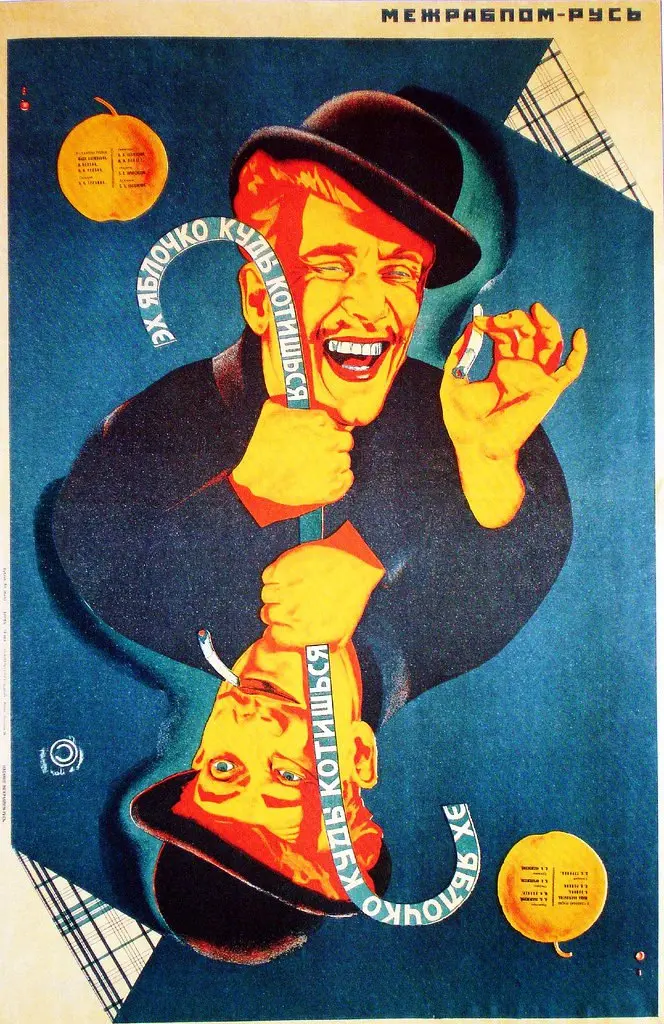
A definitive 5.9/10 rating for a film that redefined the boundaries of cult cinema. Ekh, yablochko! remains a cornerstone of transgressive art.
Short answer: Yes, but with a caveat. This film is a delightful exploration of rural Russian life, but its dated humor and political undertones may not appeal to modern audiences. Ekh, yablochko! is a 1930 Soviet comedy-drama that masterfully captures the essence of pre-revolutionary Russia. It's a film for those who appreciate the subtleties of social commentary and the charm of yesteryear's humor. However, its dated references and political undertones might not resonate with contemporary viewers.
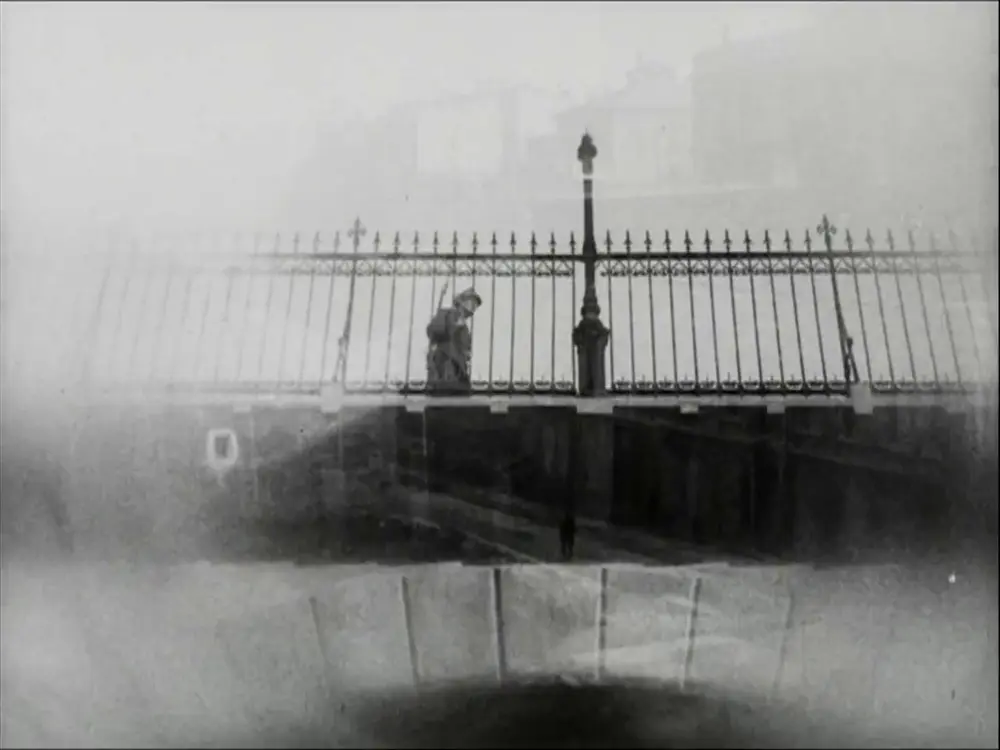
This film works because: It offers a vivid glimpse into the lives of rural Russians during a transitional period in their history. The film's vibrant depiction of the 19th-century countryside, combined with its heartfelt story and comedic elements, makes it a unique piece of Soviet cinema.
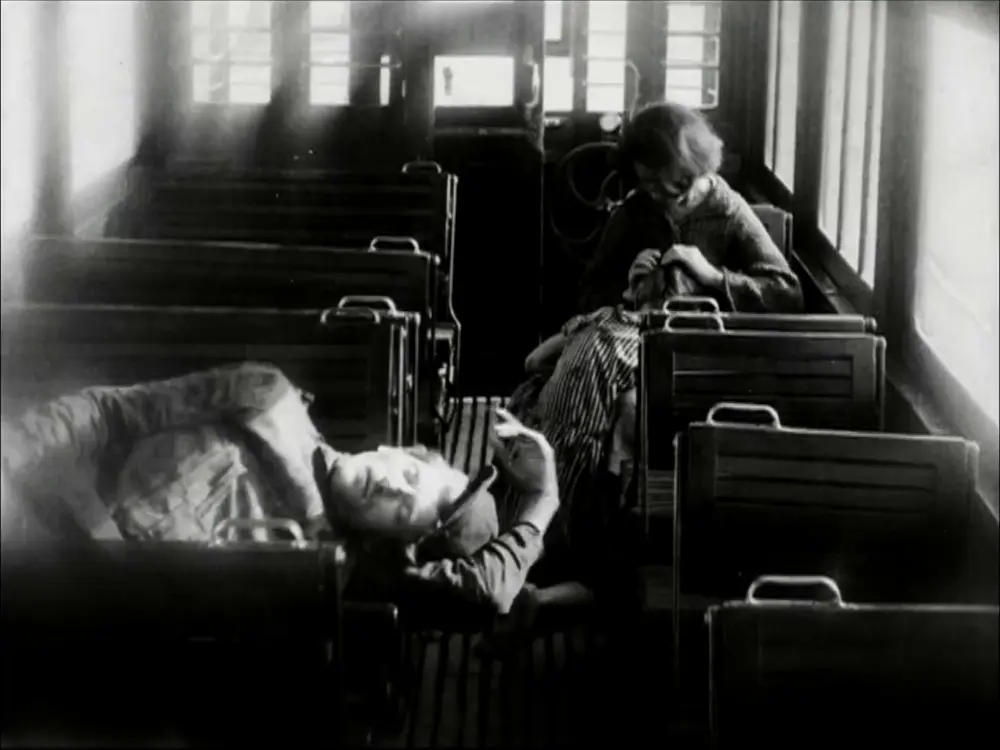
This film fails because: Its humor and political commentary are heavily rooted in the 1930s, which can feel jarring to modern audiences. The pacing, while deliberate, can sometimes drag, and the characters' motivations can feel somewhat contrived.
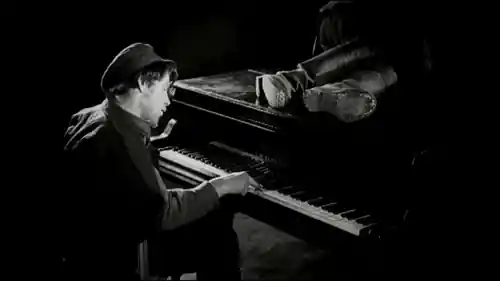
You should watch it if: You are a fan of Soviet cinema, enjoy period dramas, or are interested in the social and political dynamics of pre-revolutionary Russia. It's a film that rewards attentive viewers with its rich narrative and subtle humor.
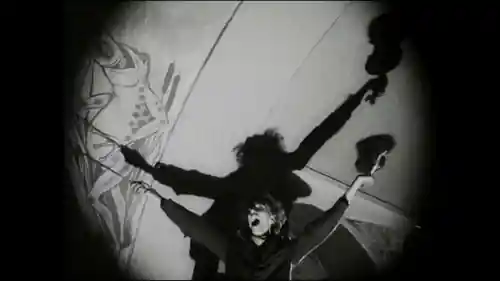
Pyotr Repnin delivers a nuanced performance as Mitya, the young peasant who sets out to win the heart of Alyosha's daughter, Varvara. His journey is filled with both comedy and heartache, and Repnin captures the character's growth and vulnerability admirably. Varvara, played by Varvara Popova, is a more complex character, navigating the expectations of her father and the allure of Mitya's sincerity. Vladimir Uralskiy, as Alyosha, brings a commanding presence to his role, embodying the landowner's wealth and authority.
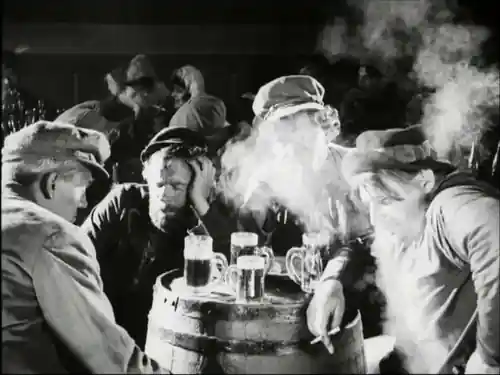
Director Pyotr Repnin's approach is grounded in the realities of rural life, and his direction is meticulous. The film's use of natural lighting and location shooting creates a sense of authenticity that is often lost in more polished productions. The cinematography, by Vladimir Uralskiy, is equally impressive, capturing the lush landscapes and the stark contrasts between the wealthy and the poor. However, the film's pacing can be slow at times, which may not appeal to audiences seeking fast-paced narratives.
The plot is centered around Mitya's quest to steal Alyosha's apple, a symbol of his worth and love. Along the way, Mitya encounters a series of obstacles, from political intrigue to personal challenges. The film's humor is subtle and often relies on the characters' interactions rather than overt punchlines. This approach can be both engaging and frustrating, as the humor may not always land with modern audiences.
The soundtrack, composed by a lesser-known artist, plays a crucial role in setting the mood of the film. The music is a mix of traditional Russian folk tunes and more modern compositions, creating a rich auditory experience that enhances the film's emotional depth. However, the music can sometimes feel intrusive, especially during the more dramatic scenes.
Ekh, yablochko! is a film that rewards those willing to engage with its subtle humor and social commentary. Its vivid depiction of rural Russian life and the nuanced performances of the cast make it a standout piece of Soviet cinema. However, its dated references and political undertones may not appeal to modern audiences. If you're willing to look past these elements, it's a delightful exploration of a bygone era, but if you're seeking a more contemporary cinematic experience, it may not be the best choice.
IMDb —
1916
Community
Log in to comment.