DbcultAccessing Vault...
6.8/10
Senior Film Conservator
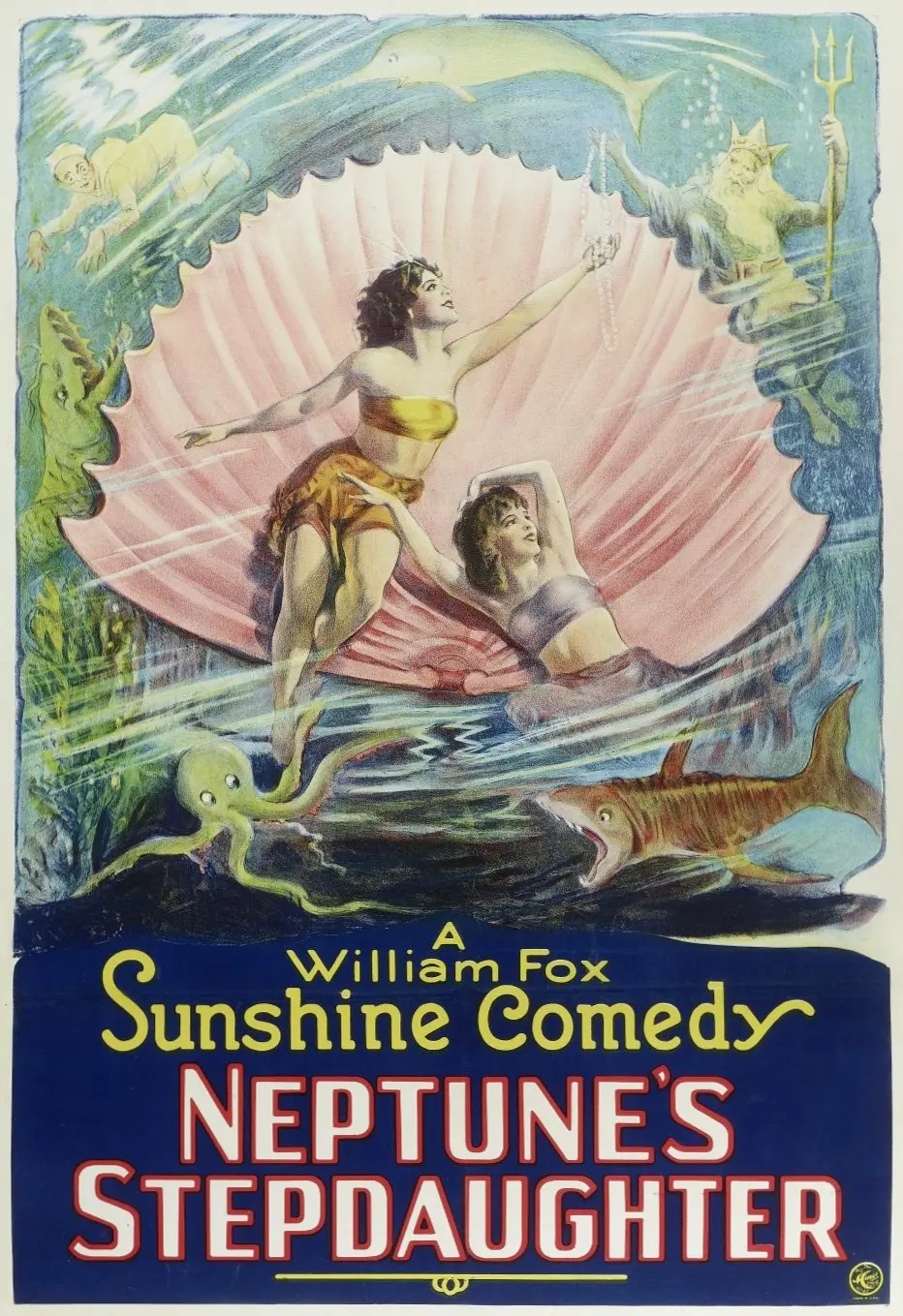
A definitive 6.8/10 rating for a film that redefined the boundaries of cult cinema. Neptune's Stepdaughter remains a cornerstone of transgressive art.
Stepping back into the nascent days of cinema, particularly the riotous realm of silent comedy, one often unearths peculiar gems that, while perhaps not monumental, offer invaluable glimpses into the genesis of screen humor. Such is the case with 'Neptune's Stepdaughter,' a cinematic curio from an era where visual spectacle and physical prowess reigned supreme. This film, featuring the inimitable Oliver Hardy in an early, formative role, serves as a fascinating artifact, showcasing the raw, unrefined energy that would eventually coalesce into the sophisticated slapstick of the golden age. It’s a work that blurs the lines between staged performance and chaotic reality, all set against the unpredictable backdrop of the open sea.
The premise itself is a stroke of comedic brilliance, a meta-narrative before the term became commonplace. We are introduced to a bombastic film director, a character who embodies the flamboyant excesses often associated with early Hollywood auteurs. His vision? To capture a dramatic sequence involving a cadre of beautiful women being 'kidnapped' by a band of theatrical pirates on a picturesque shoreline. The very act of filmmaking, with its inherent artifice and controlled chaos, forms the initial layer of humor. The director's earnest, almost self-important, attempts to orchestrate this fictional peril set the stage for the genuine pandemonium that is soon to erupt. It’s a playful nod to the nascent industry's self-awareness, even if unintentional, highlighting the often-staged nature of early cinema. One might even draw a parallel to the playful deconstruction of narrative found in later works, albeit 'Neptune's Stepdaughter' achieves it through sheer, unadulterated accident.
The true genius of the plot, however, lies in its audacious pivot. As the director bellows his instructions and the 'pirates' dutifully perform their mock abduction, an actual, bona fide gang of rough seamen observes the charade. This moment of observation is crucial; it’s where the film's reality is irrevocably fractured. These real ruffians, perhaps amused or simply opportunistic, decide to inject a dose of genuine peril into the proceedings. They swiftly and brutally overpower the ersatz buccaneers, don their theatrical regalia – a delightful touch that amplifies the absurdity – and proceed to genuinely kidnap the unsuspecting beauties. This transition from simulated danger to authentic terror is handled with a comedic timing that is both shocking and hilarious. The director, caught in his artistic fervor, remains blissfully unaware of the switch, continuously shouting 'great!' and 'magnificent!' at what he perceives as exceptionally convincing performances. This profound disconnect between perception and reality forms the comedic backbone of the entire film, a testament to the power of visual irony in silent cinema.
While specific details of Oliver Hardy's role in 'Neptune's Stepdaughter' might be obscured by the mists of time and the often-uncredited nature of early silent film productions, his presence alone suggests a certain comedic gravitas. Even in these nascent stages of his career, Hardy possessed a unique physical presence and an emerging talent for reacting to chaos with a blend of bewilderment and resignation that would later become his hallmark. One can imagine him, perhaps as one of the 'real' pirates, or an unwitting crewman, contributing to the unfolding pandemonium with his signature exasperated expressions and graceful clumsiness. His early work, much like that of many silent film pioneers, was a crucible where comedic personae were forged through trial and error, a process that eventually led to his legendary partnership with Stan Laurel. Films like Kids and Kidlets or Look Out Below! from the same era often showcased similar ensemble physical comedies, where individual talents like Hardy's began to shine even amidst a busy cast.
Once aboard the pirate vessel, the film truly embraces its 'rough-and-tumble comedy' descriptor. This section of the film is a masterclass in physical humor, a testament to the era's reliance on visual gags and broad comedic strokes. The confined space of the ship, the unfamiliarity of the 'captives' with their new surroundings, and the uncouth nature of their 'captors' create a fertile ground for escalating comedic scenarios. Imagine girls slipping on a slick deck, pirates comically tripping over ropes, or frantic chases across the narrow confines of the ship. The humor is derived from the inherent imbalance of power, the clash of social classes, and the sheer physicality of the interactions. It's a precursor to the elaborate shipboard shenanigans seen in later nautical comedies, demonstrating an early understanding of how environment can dictate comedic possibilities. The absence of dialogue forces a heightened emphasis on facial expressions, body language, and exaggerated movements, making every gesture a punchline. This kind of expressive acting was crucial in silent films, transforming simple actions into universally understood humor.
The comedic crescendo of 'Neptune's Stepdaughter' arrives in its truly unique underwater sequence. This finale transcends mere slapstick, venturing into the realm of the surreal and the inventively absurd. The villain, presumably the leader of the actual pirate gang, finds himself in a frantic underwater pursuit of the film's would-be hero. For a film of this vintage, an extended underwater sequence would have been a technical marvel, requiring specialized equipment and considerable skill. The visual spectacle of two figures struggling and chasing each other beneath the waves, their movements rendered gracefully clumsy by the water's resistance, would have undoubtedly captivated contemporary audiences. It adds an entirely new dimension to the physical comedy, transforming the conventional chase into an ethereal, yet still hilarious, ballet of aquatic struggle.
The ultimate twist, however, is the utterly unexpected intervention of a swordfish. This marine creature, a literal deus ex machina from the deep, joins the chase, adding an element of unpredictable animal comedy that is both unexpected and uproarious. It's a stroke of inspired lunacy, elevating the film from a simple pirate comedy to something far more memorable. The swordfish's participation could be interpreted as a final, ironic commentary on the chaos that has unfolded, a natural world element intruding upon and amplifying human folly. This kind of inventive, non-human comedic element wasn't entirely unheard of in silent films – animal actors often played pivotal roles – but the specific integration of a swordfish into an underwater swordfight is remarkably original. One can imagine the visual gag: the villain narrowly avoiding the hero's thrust, only to be narrowly missed by a swordfish's bill, or perhaps the swordfish inadvertently aiding the hero. It's a testament to the boundless imagination of early filmmakers, often working with limited resources but unlimited ingenuity.
While Oliver Hardy's name often garners the most recognition retrospectively, it's important to acknowledge the contributions of other performers like Hazel Howell, who would have been among the 'beauties' kidnapped. In the silent era, actresses often had to convey a wide range of emotions – from terror to comedic exasperation – solely through facial expressions and exaggerated body language. Howell, like many of her contemporaries, was a crucial part of the ensemble, providing the necessary foils for the male comedians and driving much of the plot's initial conflict. Their performances, though perhaps less celebrated today, were integral to the success of these early comedies, requiring a specific skill set that differed significantly from stage acting or later sound film performances. Without their reactions and contributions, the comedic beats would often fall flat. The dynamic between the distressed damsels and their bumbling (or genuinely menacing) captors was a staple of many early adventure-comedies, providing a reliable framework for gags and narrative progression.
'Neptune's Stepdaughter' exists within a rich tapestry of early silent cinema, a period characterized by rapid innovation and experimentation. It shares thematic DNA with other adventure and comedy shorts of its time, where simple premises were stretched to their comedic limits. While it might not possess the enduring artistic weight of, say, a Chaplin or Keaton masterpiece, it holds its own as a vibrant example of the era's popular entertainment. The film's reliance on physical gags, mistaken identity, and escalating chaos places it firmly within the tradition of slapstick, a genre that was defining American comedy at the time. Examining films like this helps us understand the evolutionary path of cinematic humor, illustrating how rudimentary concepts were refined and expanded upon by subsequent generations of filmmakers. It's a stepping stone, a fascinating piece of the puzzle that shows how the visual language of comedy was being developed, one outrageous stunt and one bemused expression at a time.
Ultimately, 'Neptune's Stepdaughter' is a delightful testament to the anarchic spirit of early cinema. It’s a film that thrives on misunderstanding, on the collision of intent and accident, and on the sheer visual spectacle of bodies in motion. The director's oblivious glee at the 'real' kidnapping is a sustained comedic highlight, a brilliant inversion of typical narrative tension. It reminds us that sometimes, the best comedy emerges when things go spectacularly wrong, especially when one character remains blissfully unaware of the unfolding disaster. The film's unique blend of meta-commentary, physical comedy, and an unexpectedly fantastical climax involving marine life ensures its place as a quirky, enjoyable relic. While it might lack the polished narrative or deep character development of later films, its raw energy and inventive gags are still capable of eliciting genuine laughs today. For fans of silent cinema and the foundational work of comedic legends like Oliver Hardy, 'Neptune's Stepdaughter' offers a charming, if chaotic, voyage into the origins of screen humor. It's a reminder that sometimes, the most memorable cinematic moments are born not from meticulous planning, but from the glorious spontaneity of pure, unadulterated absurdity, particularly when a swordfish decides to join the fray.
The simplicity of its premise, coupled with the escalating absurdity, makes it a fascinating case study in the power of visual storytelling. Without dialogue, every gesture, every fall, every wide-eyed stare from Hazel Howell, and every exasperated glance from Oliver Hardy had to convey meaning. This forced ingenuity often led to highly creative solutions, such as the surprising swordfish intervention. It's a film that encourages us to appreciate the foundational elements of comedy, stripped bare of modern complexities, and to revel in the sheer joy of a well-executed physical gag. In an era where films like Eine weisse unter Kannibalen (A White Woman Among Cannibals) might explore exotic adventure, 'Neptune's Stepdaughter' grounds its adventure in a more farcical, lighthearted vein, demonstrating the diverse range of narratives being explored. The film is a vibrant splash of early cinematic color in the monochrome world of the 1920s, proving that laughter, in its most elemental form, transcends time and technological limitations.
The enduring charm of 'Neptune's Stepdaughter' lies not in its profound messages or intricate plot twists, but in its unpretentious commitment to pure entertainment. It's a joyous romp that doesn't take itself too seriously, inviting the audience to simply sit back and enjoy the ride. The film’s ability to generate humor from a simple misunderstanding, and then amplify that humor through escalating physical comedy and an unexpected aquatic climax, speaks volumes about the timeless appeal of well-crafted slapstick. It's a valuable piece of cinematic history, offering insights into the early comedic stylings that paved the way for future generations of entertainers. Its uncredited writers, like many of their contemporaries, contributed significantly to the evolving grammar of screen comedy, laying groundwork that future comedic giants would build upon. Films such as Hick Manhattan or Up and Going from around the same period often explored similar themes of rural characters navigating urban chaos, or protagonists embarking on adventures, but 'Neptune's Stepdaughter' carves out its own niche with its unique blend of meta-narrative and nautical nonsense. It's a reminder that even in the earliest days of filmmaking, creativity and a sense of fun were paramount, resulting in works that, despite their age, can still bring a smile to our faces.
IMDb —
1935
Community
Log in to comment.