DbcultAccessing Vault...
4.1/10
Senior Film Conservator
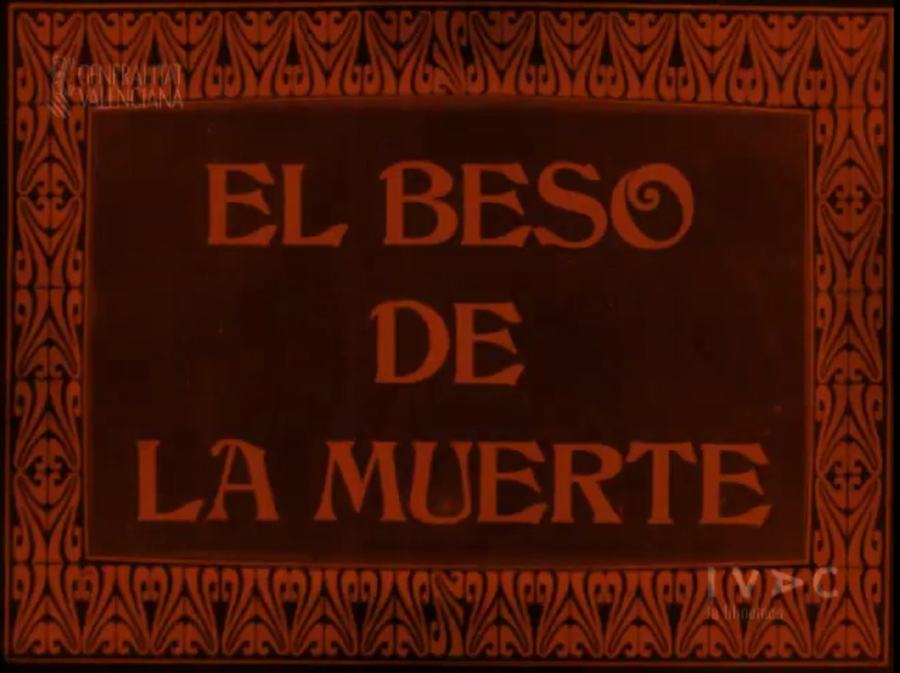
A definitive 4.1/10 rating for a film that redefined the boundaries of cult cinema. El beso de la muerte remains a cornerstone of transgressive art.
In the annals of early cinema, where narratives often grappled with the burgeoning complexities of modern life, El Beso de la Muerte (The Kiss of Death), a Spanish cinematic gem from 1914, stands as a compelling testament to the enduring power of classic melodrama. Penned by the insightful duo Magín Murià and Alberto Marro, this film, though perhaps overshadowed by more widely distributed contemporaries, offers a rich tapestry of themes: the precariousness of innocence, the alluring dangers of high society, and the cyclical nature of human folly. It's a journey into a world where charm can mask malevolence and where the past casts an inescapable shadow upon the present. As a critic, one is compelled to peel back the layers of this vintage production, not merely to admire its historical significance, but to discern the universal truths it so deftly explores.
The film commences with a scene imbued with a quiet pathos: Margarita, a young woman on the cusp of adulthood, is summoned from her cloistered existence at a boarding school. Her departure, a moment of bittersweet farewell with her friend Laura, daughter of Dr. Reyes, signals an irreversible shift. This initial setting, reminiscent of the societal confines explored in films like The College Orphan, immediately establishes a contrast between protected innocence and the harsh realities awaiting outside. The boarding school is a crucible, a sheltered garden from which Margarita is plucked, destined for a far less predictable landscape. This transition isn't just a change of scenery; it's a profound existential shift, marking the end of her sheltered adolescence and the beginning of her perilous immersion into the glittering, yet morally ambiguous, world of high society.
The writers, Murià and Marro, demonstrate a keen understanding of the psychological impact of such a transition. Margarita, portrayed with a delicate vulnerability by Teresa Pla, is not merely entering a new social stratum; she is entering a new state of being. The film implicitly asks: how does one navigate a world where the rules of decorum often conceal darker intentions? Her initial exposure to "sociable environments" is depicted not as a liberation, but as an exposure to a myriad of temptations. It's a classic narrative arc, one that has resonated across countless stories, from the cautionary tales of Victorian literature to the moral quandaries of early cinema. The subtle anxieties conveyed through Pla's performance, even in the limited expressive palette of silent film, speak volumes about the character's burgeoning awareness of a world far more complex than her school walls suggested.
And then, there is Luis de Castro. Ricardo Puga's portrayal of this character is nothing short of chilling, a masterclass in suave villainy. De Castro is not merely a cad; he is a soulless seducer, a predator whose charm is his most potent weapon. The film’s genius lies in establishing his history early on: he had already captivated Margarita's mother, the Duchess widow of Santauro, and now, with a chilling predictability, he sets his sights on the daughter. This generational repetition of seduction forms the dark heart of El Beso de la Muerte. It transforms a simple tale of temptation into a profound exploration of inherited patterns and the inescapable echoes of past mistakes.
De Castro embodies an archetype prevalent in early cinema, the 'love thief' or the 'social climber' who preys on vulnerability. One might draw parallels to the manipulative figures seen in films like The Love Thief or even the more overtly villainous characters in The Cheat, where deceit and exploitation are central to the plot. However, de Castro’s particular brand of villainy is nuanced by his prior relationship with Margarita's mother. This adds a layer of psychological complexity, suggesting a disturbing pattern of behavior that transcends mere opportunism. It hints at a deeper, more ingrained pathology, making his pursuit of Margarita not just a new conquest, but a re-enactment, a perverse echo across generations.
The film, through its visual language and the performances of its cast, particularly Puga's subtle menace, conveys the insidious nature of his influence. He doesn't wield a weapon; he wields words and gestures, manipulating emotions with surgical precision. The "kiss of death" of the title is not a literal kiss that ends life, but a metaphorical one that signifies the death of innocence, the corruption of spirit, and the entanglement in a web of deceit from which escape seems improbable.
Beyond the personal drama of Margarita and Luis, El Beso de la Muerte offers a trenchant critique of the societal environments it depicts. The "sociable environments" are not havens of refinement but arenas of moral compromise. The film subtly suggests that the very fabric of this high society is susceptible to the machinations of individuals like de Castro, where appearances often trump virtue. This resonates with the social commentaries found in other films of the era, such as Extravagance or The Dollar Mark, which similarly dissected the moral decay lurking beneath a veneer of affluence.
The film's exploration of temptation isn't limited to romantic entanglements. It encompasses the allure of wealth, status, and the perceived freedoms that come with shedding the strictures of a more conservative upbringing. Margarita's mother, portrayed by Celia Ortiz, is not merely a victim of de Castro's past charms but also a product of this environment, perhaps inadvertently setting the stage for her daughter's similar predicament. The film, in its quiet observations, paints a picture of a world where moral compasses are easily swayed, and where the line between pleasure and peril is dangerously blurred.
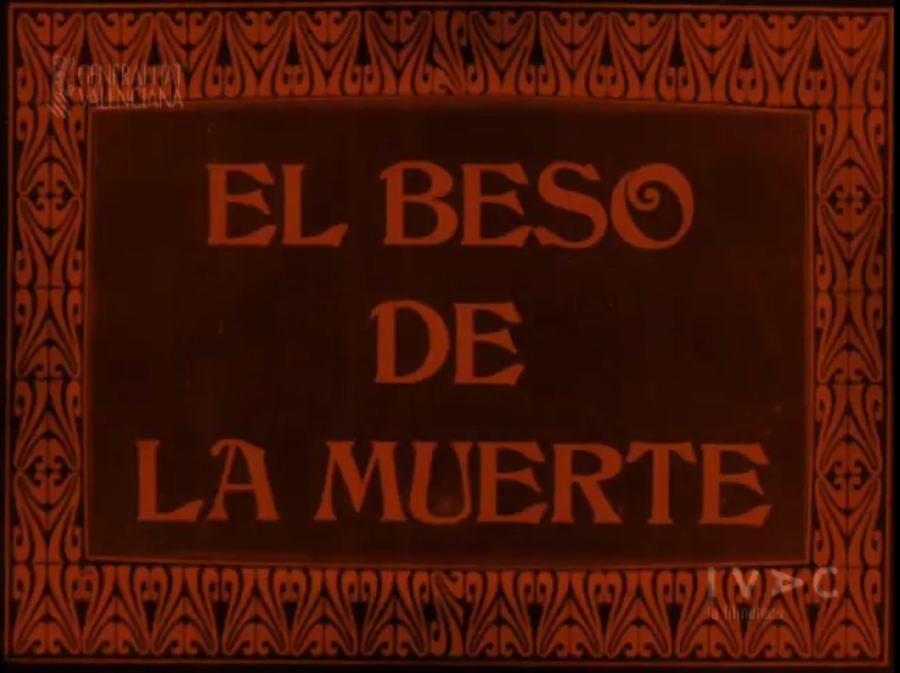
The ensemble cast, featuring names like Alexia Ventura, José Rivero, Elena Bernís, and the legendary Margarita Xirgu (whose presence alone lends significant gravitas, even in what might be a supporting role), contributes significantly to the film's dramatic weight. In the era of silent film, performance relied heavily on exaggerated gestures, facial expressions, and nuanced body language to convey emotion and intent. Teresa Pla as Margarita masterfully communicates her character's journey from naive optimism to burgeoning apprehension, her wide eyes reflecting the shock of a world suddenly stripped of its innocent veneer.
Ricardo Puga, as Luis de Castro, is a standout. His ability to project both charm and an underlying coldness is remarkable, making his character genuinely menacing. Without dialogue, the burden of conveying a complex villain falls entirely on his physical presence and expressive capabilities, and Puga rises to the challenge with a performance that is both captivating and repulsive. The subtlety with which he transitions from benevolent suitor to calculating predator is a testament to his skill and the director's guidance.
The direction, while adhering to the conventions of early cinema, demonstrates an effective use of framing and mise-en-scène to heighten the drama. Close-ups, though perhaps less frequent than in later eras, would have been employed to emphasize crucial emotional beats, particularly Margarita's moments of realization or de Castro's moments of calculated manipulation. The visual storytelling, characteristic of films from this period, would have relied on strong iconography and clear narrative progression to ensure the audience grasped the unfolding tragedy. One can imagine the use of symbolic imagery – perhaps a wilting flower or a shadowed doorway – to underscore the film's themes of lost innocence and impending doom, much like the evocative visual metaphors found in works such as Et Syndens Barn (A Child of Sin), which explored moral decline through symbolic representation.
One of the most profound aspects of El Beso de la Muerte is its exploration of generational cycles. The fact that Luis de Castro had previously ensnared Margarita's mother is not merely a plot device; it's a thematic anchor. It suggests a grim determinism, a feeling that some fates are inherited, or that the lessons of the past are tragically unheeded. This theme resonates with narratives like Father and Son, which often explore the complex inheritance of character traits or circumstances. Here, it’s not just an inheritance of wealth or status, but an inheritance of vulnerability to a particular type of danger.
The film poses uncomfortable questions about free will versus destiny. Is Margarita doomed to repeat her mother's mistakes? Or can she, through newfound awareness or external intervention, break free from this insidious pattern? The tension between these possibilities fuels much of the narrative's suspense. It's a testament to the writers' foresight that they imbued this early cinematic work with such psychological depth, transcending a simple good-versus-evil dichotomy to explore the more nuanced, and often heartbreaking, reality of human relationships and societal pressures.
Despite its age, El Beso de la Muerte remains remarkably relevant. The themes of innocence under threat, the dangers of unchecked ambition and manipulation, and the complex dynamics within high society are timeless. In an age where image and perception often dictate reality, the film's critique of superficial charm masking sinister intentions is as pertinent today as it was over a century ago. The narrative's careful construction, building tension through character interaction rather than overt action, speaks to a sophisticated understanding of dramatic pacing, even in a nascent art form.
The film's title itself is a stroke of poetic genius. "The Kiss of Death" evokes a sense of betrayal, a fatal embrace that looks like love but delivers destruction. It's a powerful metaphor for the deceptive nature of Luis de Castro's advances and the ultimate peril Margarita faces. This evocative title, much like The Leap of Despair, hints at the gravity and potential tragedy inherent in the story, drawing the audience into a world where choices carry immense, often irreversible, consequences.
Ultimately, El Beso de la Muerte is more than just a historical artifact; it is a vibrant piece of early Spanish cinema that deserves recognition for its thematic depth, compelling performances, and astute social commentary. It reminds us that the human heart, in its capacity for both profound love and chilling deceit, has provided fertile ground for storytelling since time immemorial, and that the dangers lurking beneath a polished exterior are often the most insidious. For those interested in the evolution of dramatic cinema and the enduring power of classic narratives, this film offers a fascinating and poignant viewing experience.
IMDb —
1927
Community
Log in to comment.