DbcultAccessing Vault...
Cult Review
Senior Film Conservator
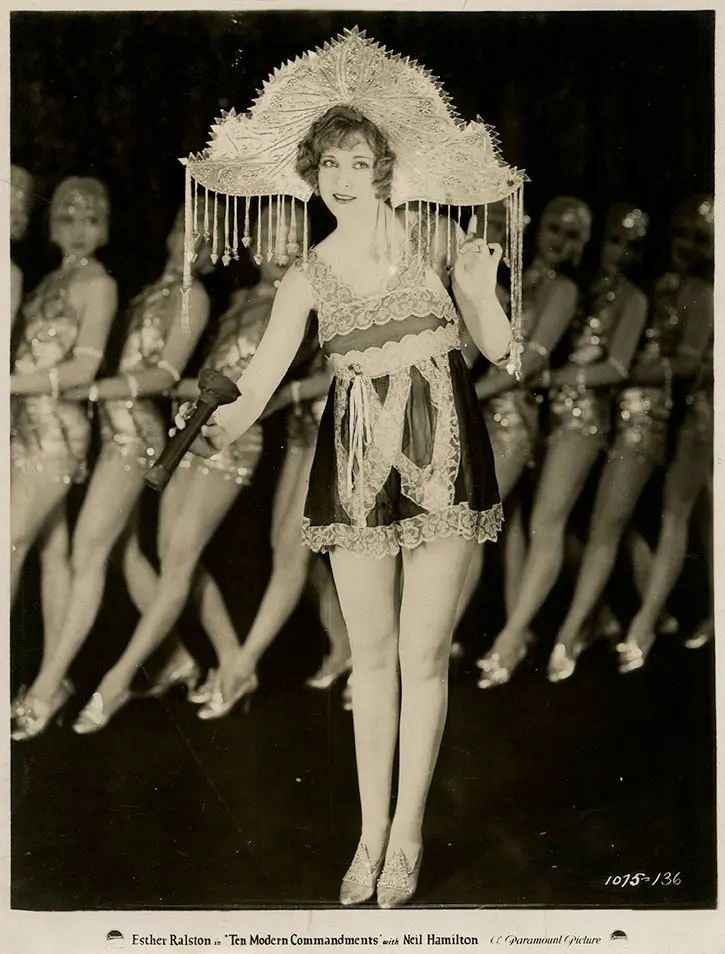
Is Ten Modern Commandments worth watching today? Short answer: Yes, but only if you appreciate the kinetic energy of late-period silent farce and the early sparks of Dorothy Arzner’s directorial genius. This is not a film for those seeking heavy-handed moralizing; it is a film for those who enjoy watching a woman outsmart an entire industry.
This film works because it treats its female protagonist as the engine of the plot rather than a passenger. This film fails because the male lead, Tod Gilbert, is essentially a prop for Kitten to move around the stage. You should watch it if you want to see how the 'screwball' template was being forged years before the talkies made it famous.
Kitten O'Day, played with a frantic, magnetic charm by Esther Ralston, is a fascinating study in character motivation. Most silent films of this era, such as The Painted Madonna, focus on women trying to climb the social ladder. Kitten is doing the opposite. She is running away from the stage, hiding in a boardinghouse, and scrubbing floors to avoid the shadow of her famous family.
This setup creates a delicious irony. The moment she falls for Neil Hamilton’s Tod Gilbert, she is forced to use the very theatrical skills she rejected. It is a classic 'hero’s journey' inverted. She isn't finding her voice; she is admitting she always had one. The scene where she first hears Tod’s song is played with a quiet intensity that contrasts sharply with the chaos that follows.
Ralston’s performance is physically demanding. She moves through the boardinghouse with a speed that suggests she is constantly trying to outrun her own identity. It’s a stark contrast to the more static, melodramatic performances found in films like Alone in London. Here, the movement is the message.
Dorothy Arzner was a rare bird in 1920s Hollywood: a woman behind the camera. In Ten Modern Commandments, her influence is felt in the pacing. While many silent comedies of 1927 felt bloated, Arzner keeps the narrative lean. She understands that the boardinghouse is a microcosm of the world, filled with eccentric characters like those played by Roscoe Karns and El Brendel.
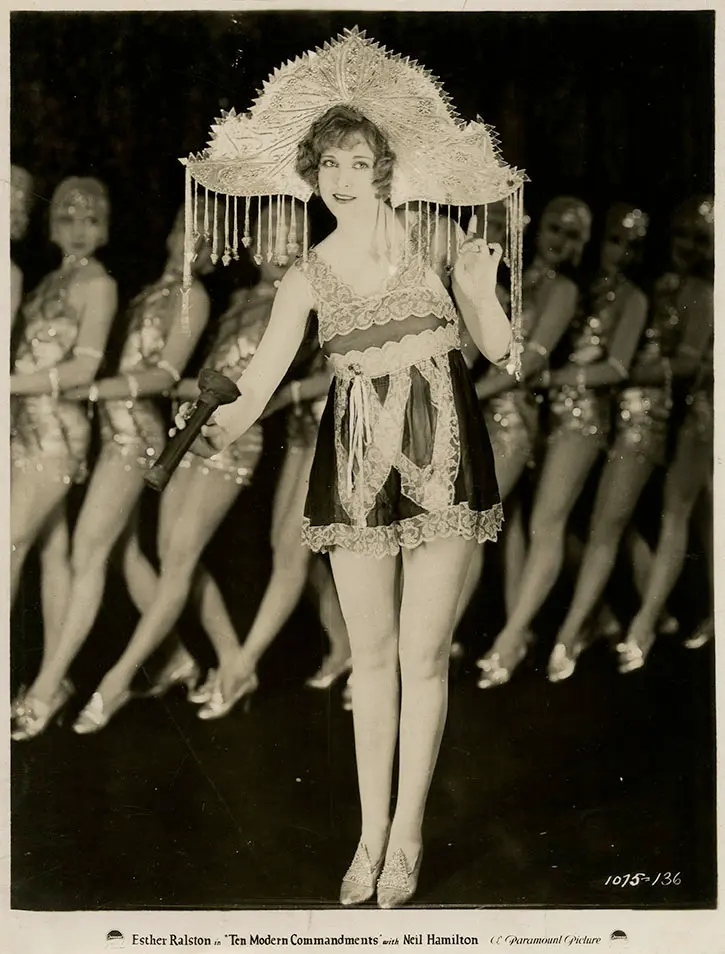
The way Arzner frames the theatrical manager, Disbrow, is particularly telling. He is presented as a looming, immovable object—the literal gatekeeper of the American Dream. By having Kitten lock him in a bathroom, Arzner isn't just creating a gag; she is visually and narratively humiliating the patriarchy of the theater industry. It’s a bold move that feels more modern than many films from the 1930s.
Compare this to the more traditional gender roles in The Abysmal Brute. In Arzner’s world, the woman is the fixer. The man is the dreamer who lacks the spine to make his dreams happen. It’s a cynical, yet refreshing, take on the romantic comedy formula.
The climax of the film is a masterclass in escalating tension. Kitten’s decision to lock Disbrow in the bathroom is the point of no return. It’s a brutally simple sentence in the language of cinema: action defines character. She doesn't ask for permission; she takes control.
The subsequent sequence, where Kitten has to perform the song herself because the prima donna refuses, is where the film earns its title. She is breaking the 'commandments' of the theater—stay in your lane, wait your turn, respect the star. The performance is captured with a series of medium shots that emphasize Ralston’s expressive face over the spectacle of the stage.
This focus on the individual over the ensemble is what makes the film feel personal. It lacks the sweeping scale of The Bride of Glomdal, but it gains a sense of intimacy. We aren't watching a 'show'; we are watching a woman fight for the man she loves by becoming the person she feared she was.
Neil Hamilton, decades before he became Commissioner Gordon, plays Tod Gilbert with a certain soft-edged desperation. He represents the 'modern' man of the late 20s—ambitious but fragile. His character is a bit of a wet blanket, honestly. He spends much of the film posing as a success while Kitten does the actual work of making him one.
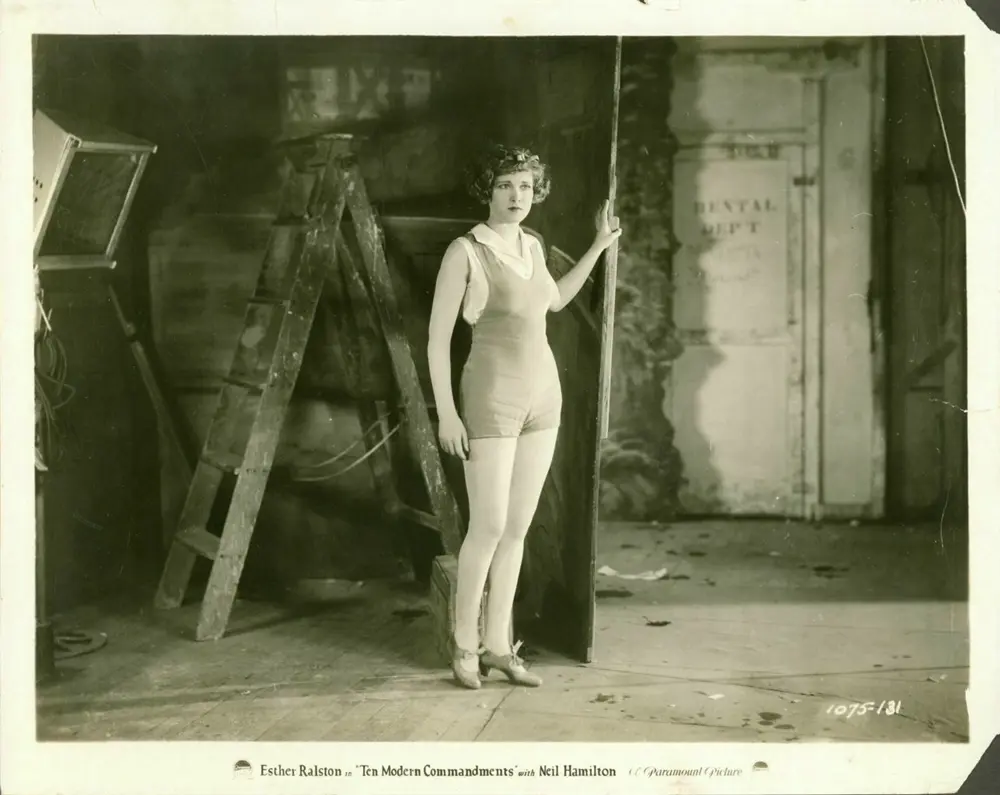
This dynamic is what makes Ten Modern Commandments a precursor to the screwball comedies of the 1930s. The 'strong woman, weak man' trope is in its infancy here. While Hamilton is serviceable, he lacks the charisma that Ralston brings to every frame. He is a secondary character in his own life story, which is a daring choice for a 1927 production.
In many ways, this film is a spiritual sibling to A Man's Man, exploring the anxieties of masculinity in a rapidly changing urban environment. But where that film leans into drama, this one leans into the absurdity of the hustle.
If you are a student of film history or a fan of Dorothy Arzner, this is essential viewing. It provides a roadmap for how the American comedy would evolve. However, if you struggle with the exaggerated pantomime of silent cinema, the boardinghouse antics might feel a bit dated. It works. But it’s flawed by the standards of modern pacing.
The film is a time capsule of 1927 Broadway. It captures the transition from the old-world theatricality seen in A Dolovai nábob leánya to the fast-paced, jazz-age energy of New York. It’s a film about the 'new' woman asserting herself in an 'old' industry.
Pros:
The bathroom farce is genuinely funny even 100 years later. The depiction of the theatrical boardinghouse feels authentic and lived-in. The film avoids the overly sentimental traps of contemporaries like Good Cheer.
Cons:
The subplot involving the prima donna Sharon Lee is a bit cliché. Some of the physical comedy involving the side characters (like the monkey-related humor common in that era, though handled better than in The Monkey Mix-Up) can be distracting from the main plot.
Ten Modern Commandments is a sharp, witty, and surprisingly progressive piece of silent cinema. While it may not have the historical weight of Johan Ulfstjerna, it possesses a vitality that many of its peers lack. It is a testament to the fact that Dorothy Arzner was always ahead of her time. The film doesn't just ask us to watch Kitten O'Day; it asks us to cheer for her as she burns down the old rules of the theater to build something new. It’s a loud film for a silent one, and it still resonates today.
IMDb 6.1
1926
Community
Log in to comment.