DbcultAccessing Vault...
5.8/10
Senior Film Conservator
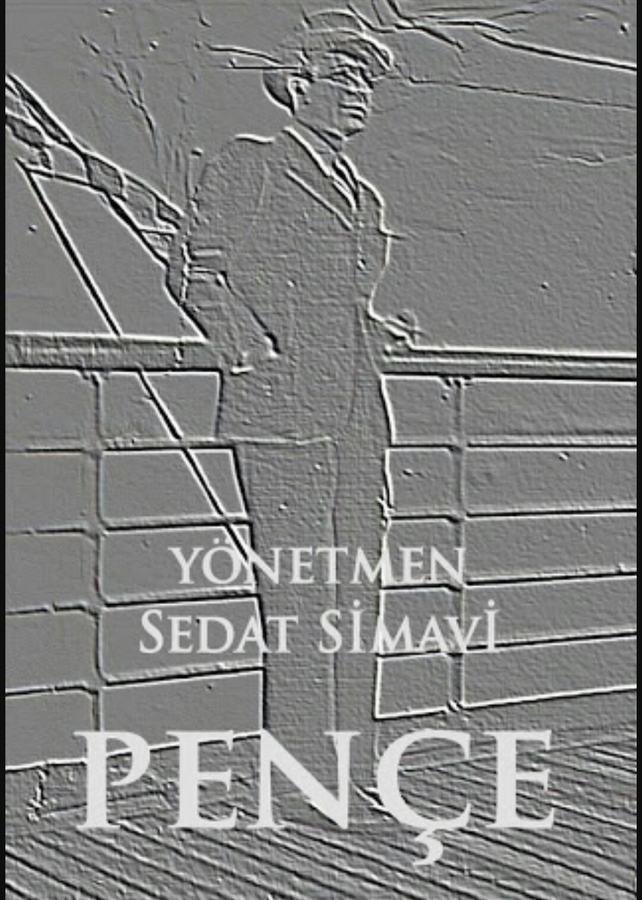
A definitive 5.8/10 rating for a film that redefined the boundaries of cult cinema. Pençe remains a cornerstone of transgressive art.
To witness Pençe (1917) is to step into a volatile period of Ottoman intellectual transition, where the medium of film began to grapple with the seismic shifts in domestic morality. Directed by the visionary Sedat Simavi and adapted from the sharp-tongued play by Mehmet Rauf, this film is not merely a drama; it is a surgical dissection of the male ego under the guise of social critique. The narrative’s heartbeat resides in the friction between Pertev and the societal expectations of 1910s Istanbul. Pertev, played with a simmering intensity by Nurettin Sefkati, represents a brand of modern disillusionment that feels surprisingly contemporary. He views the 'claws' of marriage not as a protective embrace, but as a predatory trap set by an ignorant society.
Unlike the more melodramatic offerings of the era such as The Warfare of the Flesh, which often leaned into heavy-handed moralizing, Pençe operates with a more nuanced, almost literary precision. The dialogue—though silent and conveyed through intertitles—carries the weight of Rauf’s psychological prose. The film sets up a fascinating triad of perspectives: Pertev’s radical rejection, Vasfi’s opportunistic infidelity, and Ferit’s staunch traditionalism. This isn't just a plot; it's a philosophical seminar played out in the smoky parlors and shadowed corners of a world on the brink of total transformation.
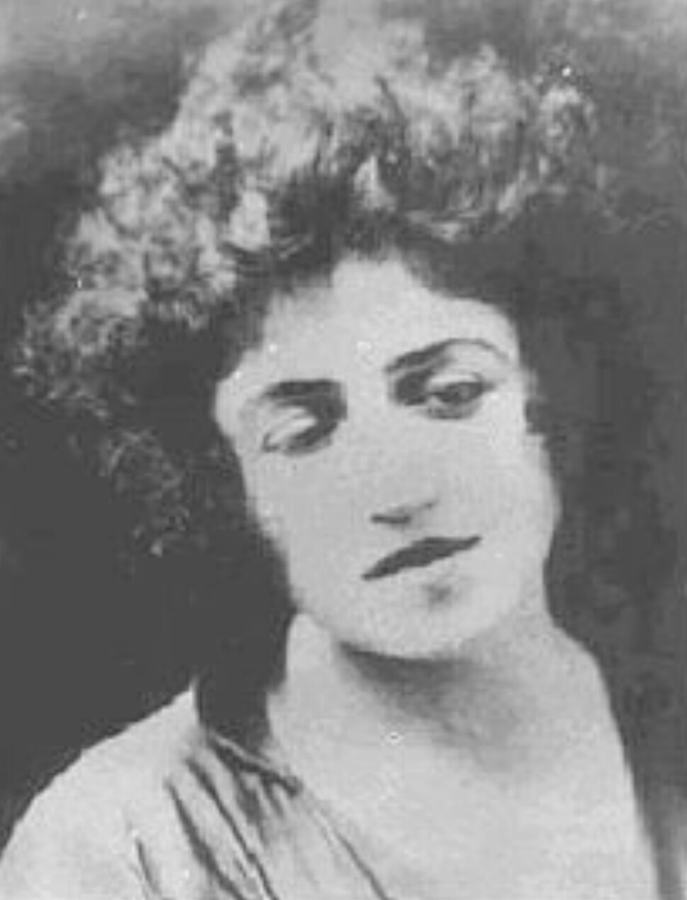
The tension within the film is built upon the verbal and ideological sparring between Pertev and his brother-in-law, Ferit. Ferit represents the 'Old Guard,' the belief that the family unit is the foundational stone of a healthy civilization. Pertev’s rebuttal is vitriolic, framing women as coarse anchors that drag a man’s intellect into the mundane. This misogynistic undercurrent is a fascinating artifact of its time, reflecting a specific brand of male anxiety regarding the changing roles of women in the late Ottoman era. When we compare this to the thematic structure of The Masked Heart, we see a similar preoccupation with the 'true' nature of the domestic partner, yet Pençe is far more aggressive in its skepticism.
However, the film’s brilliance lies in its second act, where the 'theory' of infidelity is put into practice. Pertev and Vasfi are not merely armchair philosophers; they are practitioners of the very chaos they preach. The introduction of a secret affair acts as the narrative’s 'claw'—the titular *pençe*. As the affair progresses, the liberation they expected turns into a suffocating web of paranoia and logistical nightmare. The film masterfully illustrates that the 'freedom' of the illicit is often more demanding than the 'slavery' of the sanctioned. The visual storytelling here, characterized by Simavi’s use of deep shadows and claustrophobic interior framing, mirrors the protagonists' encroaching realization that they have traded one cage for another.
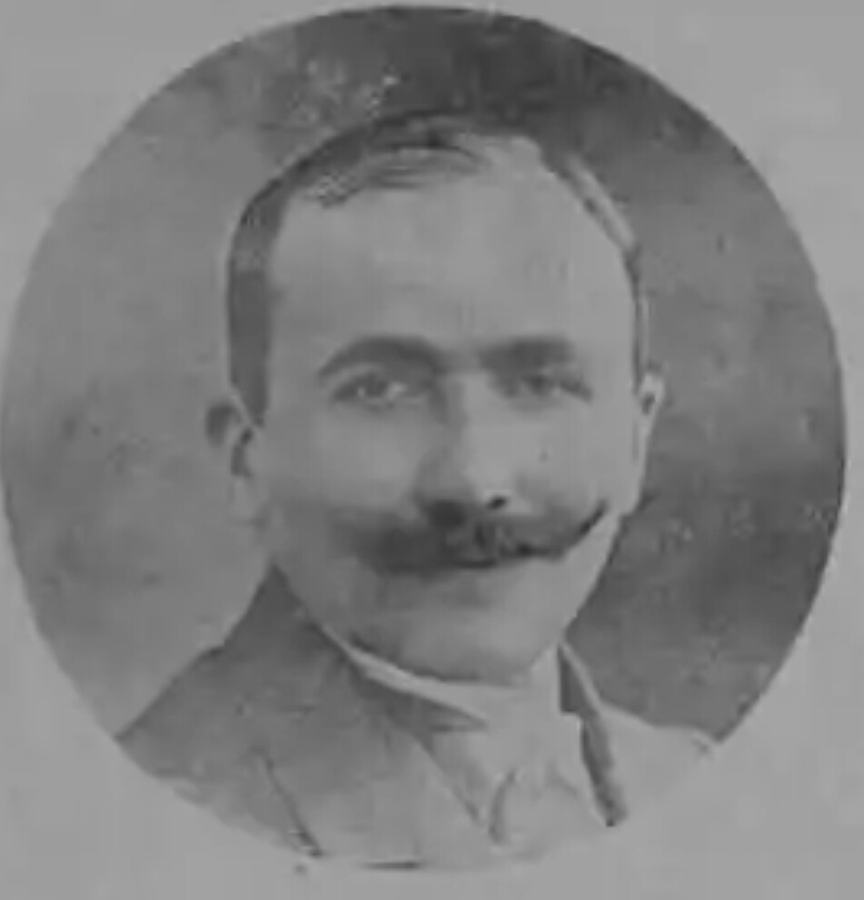
The cast of Pençe brings a theatrical gravitas that was the hallmark of early 20th-century cinema. Eliza Binemeciyan and Bedia Muvahhit provide performances that transcend the limitations of the silent screen. Muvahhit, in particular, carries a presence that hints at the burgeoning power of female characters in Turkish media, even when the script attempts to relegate them to the periphery of the male protagonists' existential crises. Their performances offer a counterpoint to the male-centric discourse, providing a silent but potent critique of Pertev’s arrogance.
In terms of technical execution, Simavi demonstrates a sophisticated understanding of pacing. While films like The Wager relied heavily on external action to drive the plot, Pençe is an internal film. The camera lingers on faces, capturing the micro-expressions of doubt that begin to flicker across Pertev’s visage. This focus on psychological interiority marks a significant departure from the more stage-bound productions of the time. The cinematography doesn't just record the play; it interprets it, using light and shadow to delineate the moral ambiguity of the characters' choices.
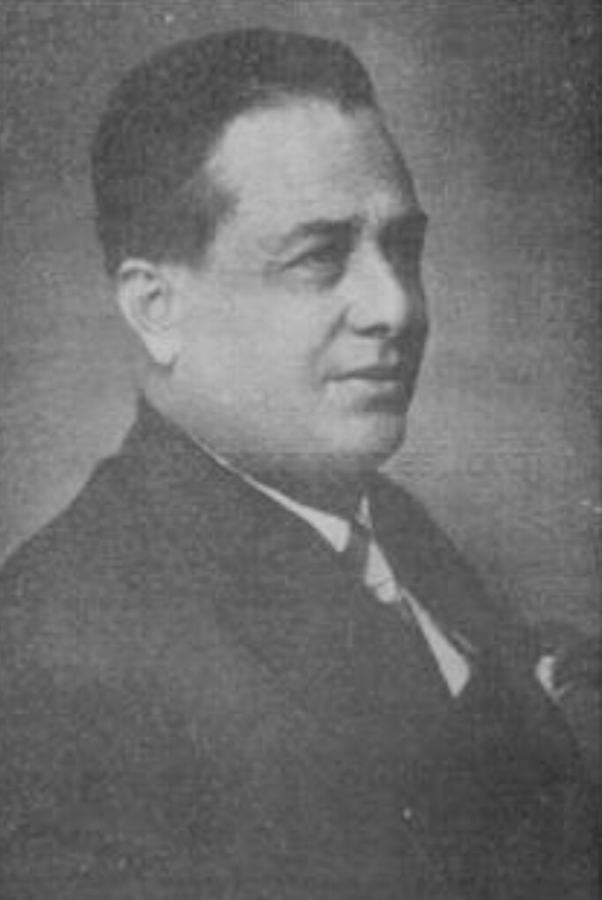
The climax of the film is not a grand explosion of violence, but a quiet, devastating collapse of conviction. As the secret affair unravels, the protagonists find themselves looking at the 'sanctity' of Ferit’s marriage with new, perhaps envious, eyes. It is a classic narrative arc, yet in the hands of Mehmet Rauf, it avoids the pitfalls of easy redemption. The film suggests that while marriage may be a 'claw,' the alternative is a lawless void that offers no sustenance. This thematic resolution echoes the moral complexity found in The Grasp of Greed, where the pursuit of personal desire leads to an ultimate bankruptcy of the spirit.
Pertev’s eventual rethink is not portrayed as a sudden religious awakening, but as a pragmatic realization of human limits. The 'evil things' he once attributed to marriage are revealed to be inherent to the human condition itself, regardless of legal status. This existential pivot is what elevates Pençe from a mere period drama to a timeless meditation on the friction between individual liberty and social responsibility. The film asks: is it better to be trapped in a known structure, or to be torn apart by the 'claws' of our own unbridled impulses?
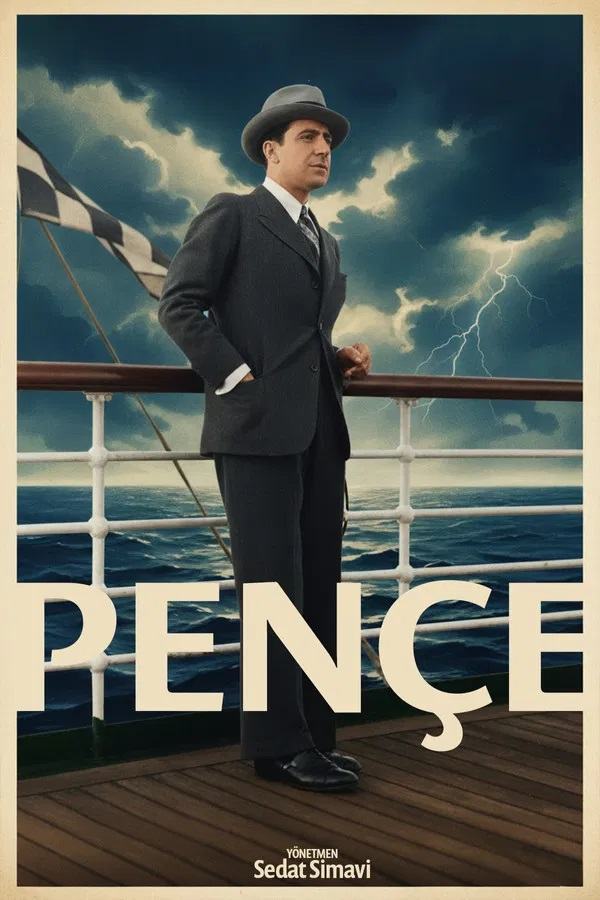
Reviewing Pençe today requires us to acknowledge its role as a pioneer. It was one of the first major narrative films of the Ottoman Empire, and its willingness to tackle such 'modern' problems as infidelity and marital disillusionment is a testament to the intellectual vibrancy of the era. While many contemporary films like The Clue were focused on mystery and external stakes, Pençe turned the lens inward. It challenged the audience to look at their own living rooms and question the foundations of their domestic lives.
In the grander scheme of film history, Pençe stands as a bridge between the 19th-century novel and the 20th-century cinema. The influence of Mehmet Rauf’s *Eylül* (the first psychological novel in Turkish literature) is palpable in the film's DNA. It treats the screen as a canvas for the soul's turbulence. For those interested in the evolution of cinematic storytelling, this film is an essential text. It proves that even in 1917, filmmakers were already mastering the art of the 'slow burn,' using character dynamics and ideological conflict to create a tension more palpable than any physical stunt.
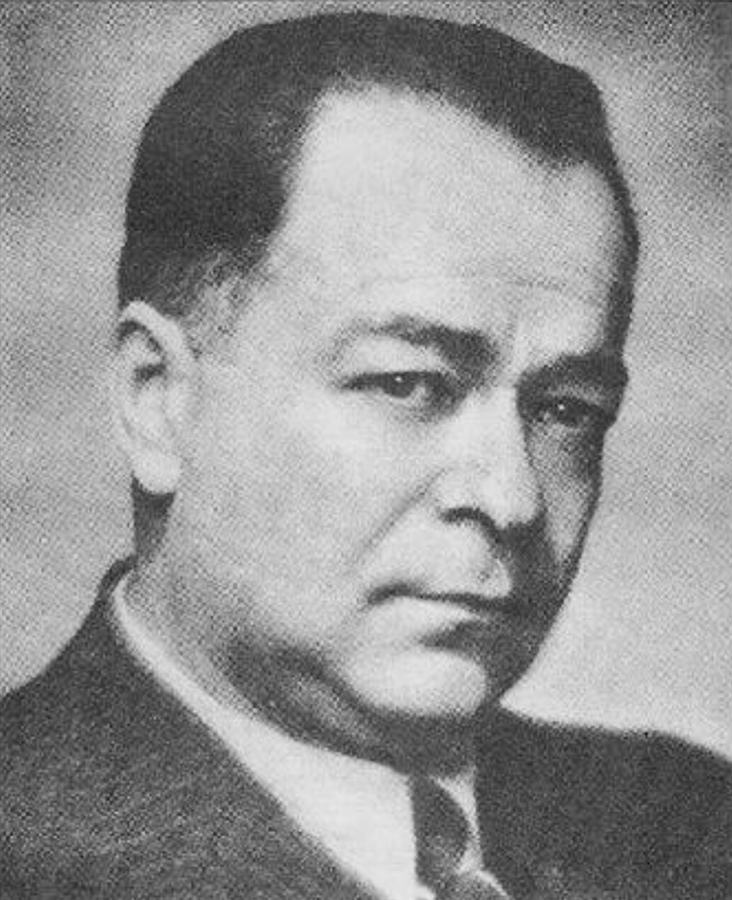
To dismiss Pençe as a relic of a bygone age would be a grave error. Its questions about the nature of commitment and the pitfalls of cynicism remain as sharp as ever. The 'claw' of the title is a multifaceted metaphor: it is the grip of tradition, the scratch of desire, and the painful hold of reality. Simavi and Rauf created a work that refuses to give easy answers, leaving the viewer—much like Pertev—in a state of contemplative unease.
In the pantheon of early silent cinema, Pençe deserves a place alongside the works of the great European and American masters. It possesses a psychological depth that rivals the best of its contemporaries, and a visual style that, despite the passage of over a century, still manages to captivate. It is a haunting, intellectual, and deeply human film that reminds us that the struggle between our desires and our duties is a story that never truly ends. Whether you are a scholar of Ottoman history or a devotee of classic cinema, Pençe is a mandatory experience—a film that reaches out across time and, true to its name, refuses to let go.
IMDb —
1926
Community
Log in to comment.