DbcultAccessing Vault...
Cult Review
Senior Film Conservator
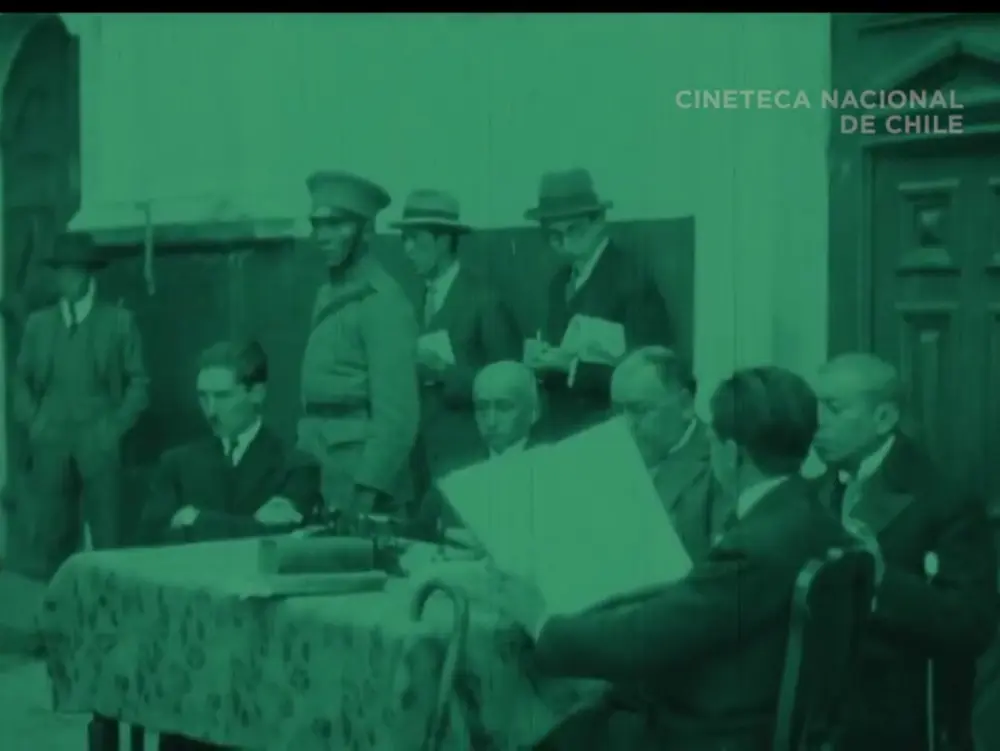
“El bolillo fatal o... el emblema de la muerte” is not a film for casual viewing. It is a stark, almost brutal piece of early cinema that exists less as entertainment and more as a raw document. You should watch it if you possess a deep, almost archaeological interest in the origins of filmmaking and how early storytellers grappled with conveying real-world events.
For anyone seeking narrative depth, character development, or even basic dramatic pacing by modern standards, this film will likely prove an exercise in patience, if not outright frustration. It’s a glimpse into the medium at its most primitive, a relic that challenges our contemporary expectations of what cinema can or should be.
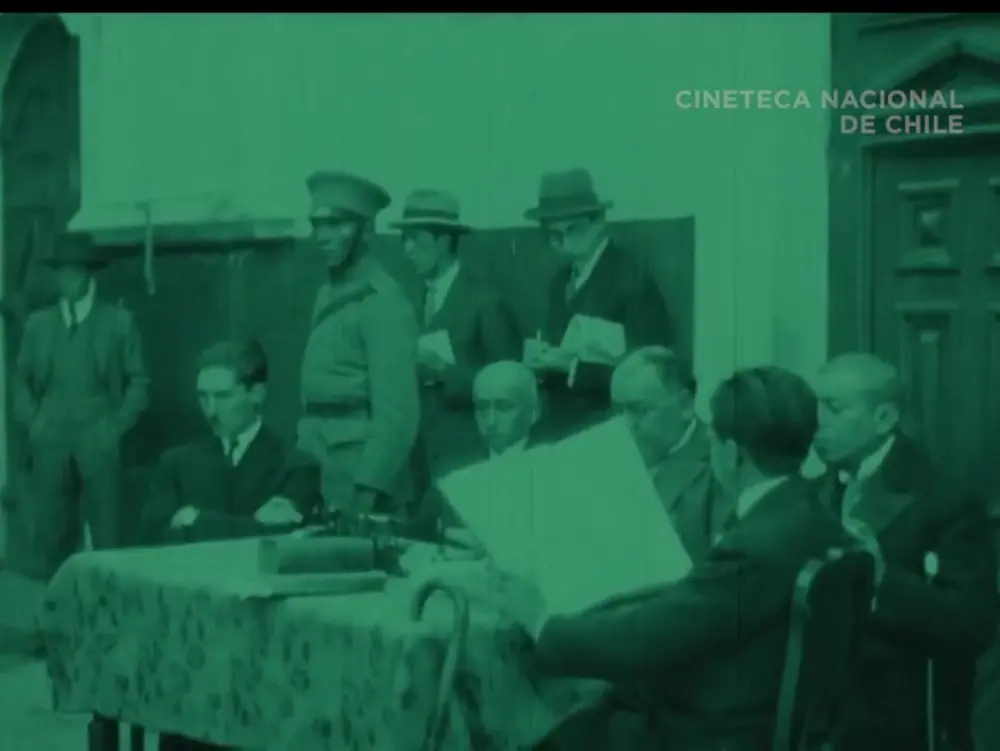
This film works because it offers an unblinking, almost journalistic account of a historically charged event, demonstrating cinema's earliest attempts to capture or re-enact reality. Its bluntness is its primary strength, cutting through any pretense of narrative flourishes to deliver its grim subject matter directly.
However, this film fails because its dramatic inertness and primitive execution make it incredibly difficult for a modern audience to engage with beyond a purely academic interest. The lack of context, character, or discernible artistic intent (beyond documentation) leaves it feeling hollow as a piece of art.
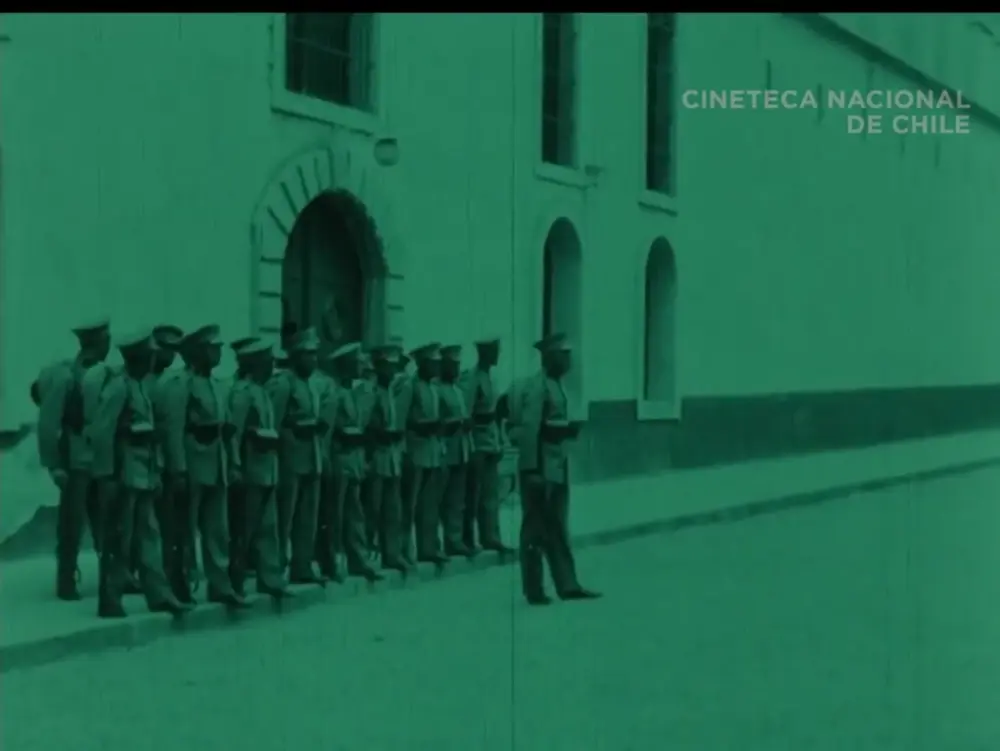
You should watch it if you are a film historian, a student of early South American cinema, or someone fascinated by the sheer audacity of early filmmakers tackling such weighty, real-world themes with nascent technology. You will appreciate its starkness as a historical artifact.
“El bolillo fatal” is less a film and more a stark, public record. The title itself – “The Fatal Baton or... The Emblem of Death” – speaks to a grim, almost allegorical intent, yet the execution on screen is surprisingly literal. It’s a direct address to the audience, presenting a violent act with minimal embellishment. The camera, likely static, simply observes. This isn’t about building suspense or empathy; it’s about witnessing an event, or at least a reconstruction of one.
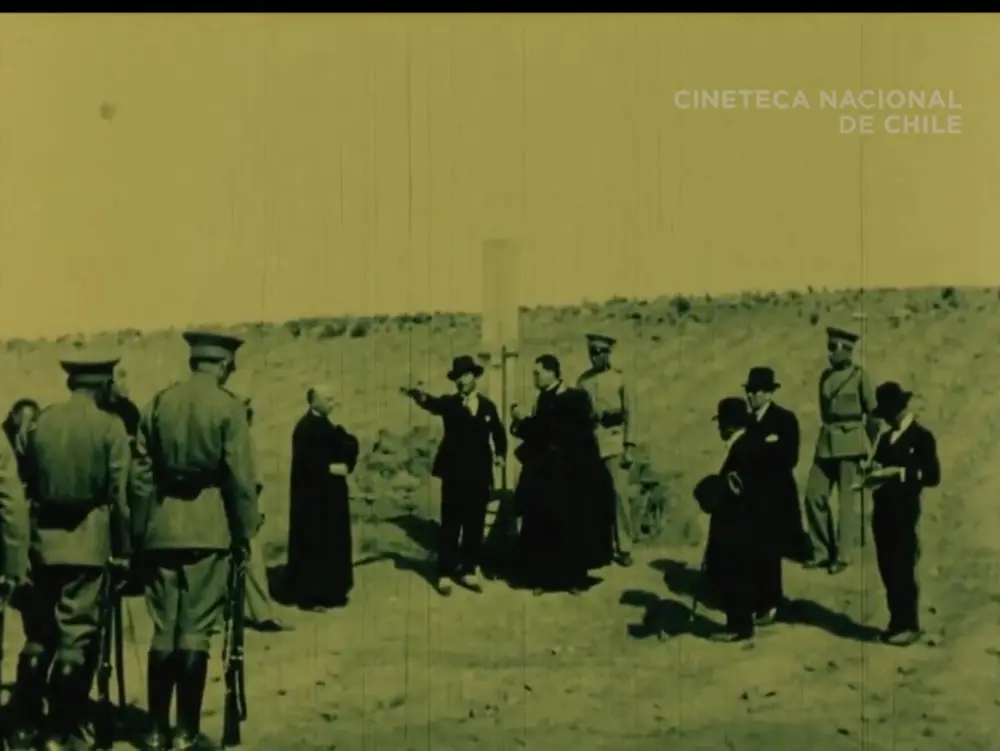
Luis Castillo, credited as the sole actor, presumably embodies the condemned man. What kind of 'performance' is possible under such circumstances? We're not talking about method acting or complex emotional arcs. It's more likely a physical presence, a body delivered to its fate. The impact comes from the sheer fact of depiction, not from any nuanced portrayal. It feels less like acting and more like a grim tableau.
The pacing is likely dictated by the event itself: a progression towards an inevitable end. There's no room for digressions or subplots. This directness, while primitive, possesses a certain blunt power. It forces the viewer to confront the subject head-on without the usual cinematic buffers. This is a film that demands you simply observe, even if what you observe is dramatically flat.
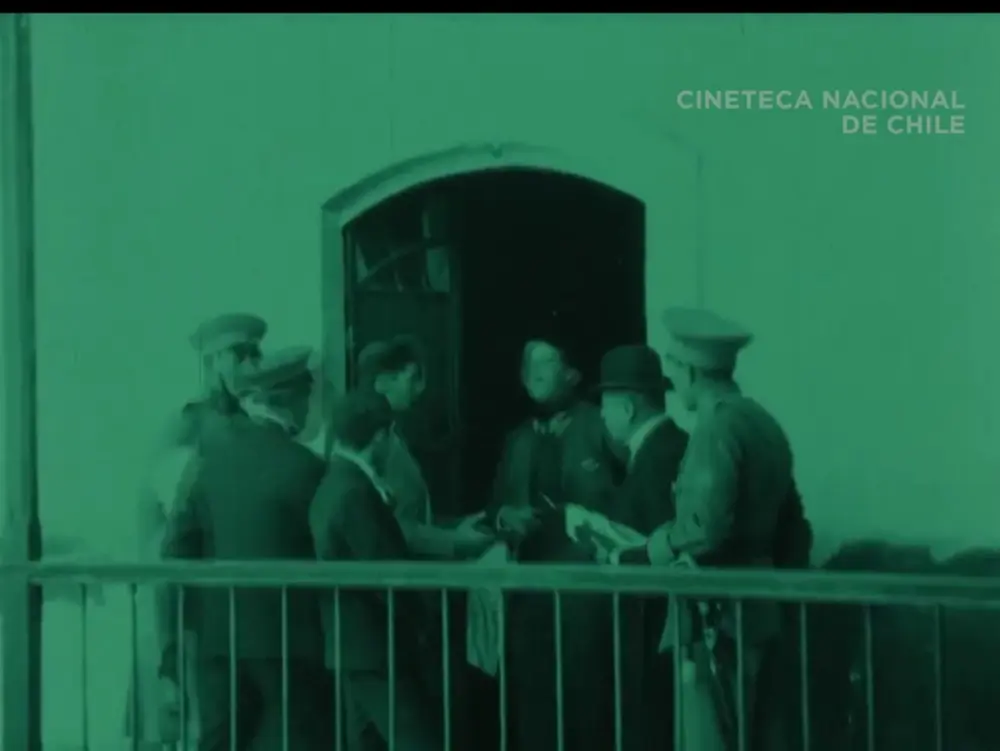
One could argue its starkness is a strength. It avoids the sensationalism that might have been tempting even in early cinema, opting instead for a cold, almost procedural recounting. This choice, whether deliberate or simply a limitation of the medium, gives it an uncomfortable authenticity. It doesn't ask for your tears; it just shows you what happened.
While its historical significance is undeniable, the film's dramatic weaknesses are equally apparent. There's no context for the assassination attempt, no exploration of the political climate, no humanization of the victim or the condemned. It presents a consequence without much of the preceding narrative. This makes it difficult to connect with on anything but an intellectual, academic level.
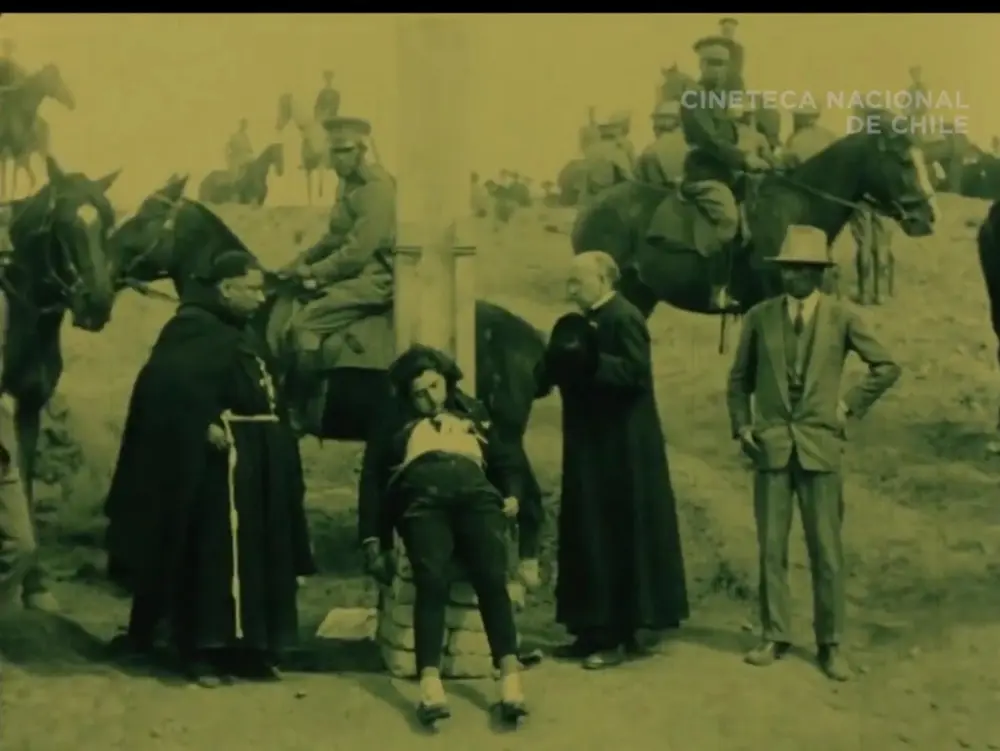
The film’s very existence raises questions: Was it propaganda? A newsreel? A morbid curiosity? Without more context about its original exhibition and reception, its true purpose remains somewhat elusive. It feels like a fragment, a single, powerful image torn from a larger, unwritten story. Its starkness borders on being dramatically unsatisfying, leaving too many blanks to fill.
Pros:
- Historical Authenticity: Offers a rare, direct look at how early cinema handled real-world, politically charged events.
- Unflinching Tone: Avoids sentimentality, presenting its grim subject matter with a blunt, almost documentary-like approach.
- Early Medium Exploration: A valuable example of cinema's nascent stages, showcasing technical and narrative limitations.
Cons:
- Lack of Dramatic Depth: Offers little in the way of character, plot, or emotional engagement, making it a challenging watch for modern audiences.
- Primitive Production Values: Expect static camera work, minimal editing, and a general rawness that can feel amateurish today.
- Limited Accessibility: Its appeal is almost exclusively to niche academic or historical interests; general viewers will find it tedious.
“El bolillo fatal o... el emblema de la muerte” stands as a testament to cinema's earliest, most direct impulses. It’s not a good film by any conventional metric. It’s stiff, dramatically weak, and offers little beyond its central, grim act. Yet, its very existence, its willingness to tackle such a brutal subject with the primitive tools available, makes it undeniably fascinating for a very specific kind of viewer.
For those who view film as a historical record, a window into how people perceived and depicted their world in its earliest days, it holds an austere power. For everyone else, it’s a curiosity best left to the archives. Its value is in its stark presence, not its cinematic artistry. It’s a document of death, plain and simple, and that’s precisely what makes it endure, however uncomfortably.
Community
Log in to comment.