DbcultAccessing Vault...
Cult Review
Senior Film Conservator
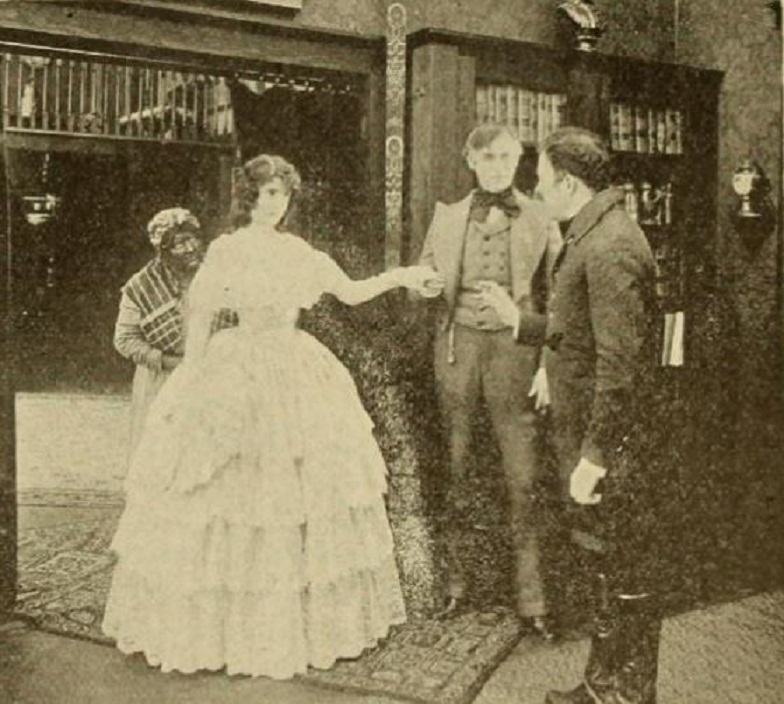
A fever dream printed on brittle nitrate, The Bride of Hate arrives like a bloodstain seeping through parchment: once you notice it, the entire chronicle of American silent cinema feels faintly discolored.
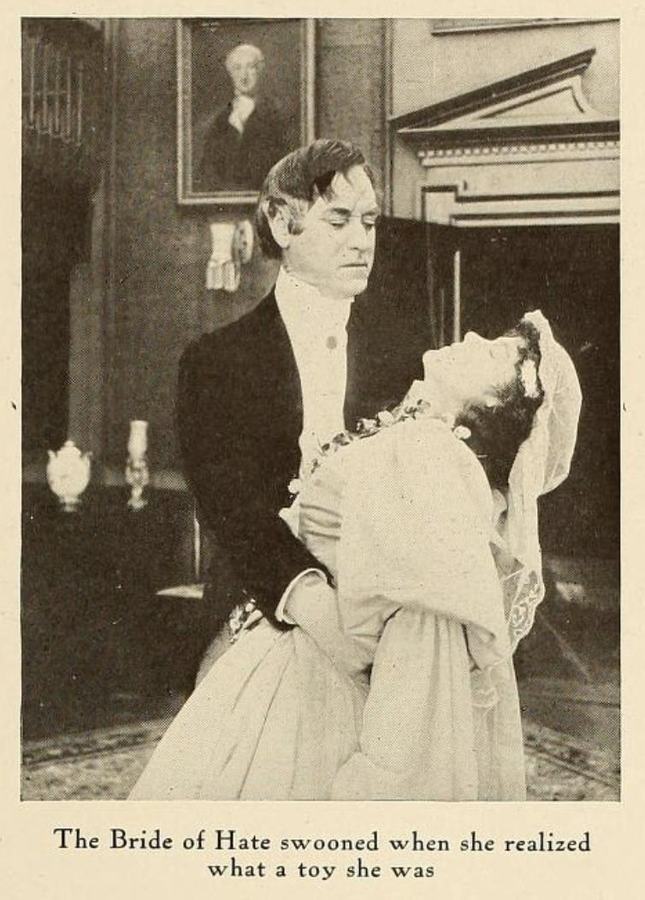
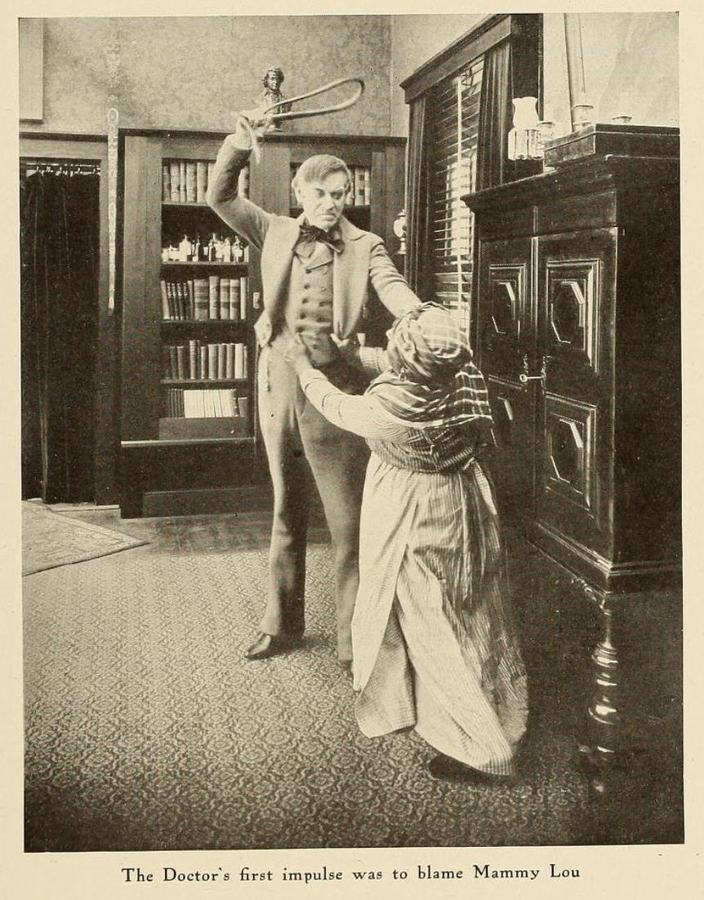
Frank Keenan’s Dudley Duprez steps from the shadows with the hauteur of a man who has memorized every bone in the human body and every loophole in the slave code. His sidewhiskers are iron filings; his voice, though unheard, seems to reverberate with antebellum certainty. Keenan, a tragedian who could pronounce doom on a dandelion, plays the doctor as both Prospero and Iago, presiding over a tempest he brews himself.
Opposite him, Nona Thomas’ Mercedes is no swooning victim. Her stillness is tactical—watch how she measures the width of a room with a glance, calculating exits the way fugitives calculate starlight. When the script shackles her with the slur, Thomas lets a micro-tremor ripple across her cheekbones; it’s as though the celluloid itself flinches.
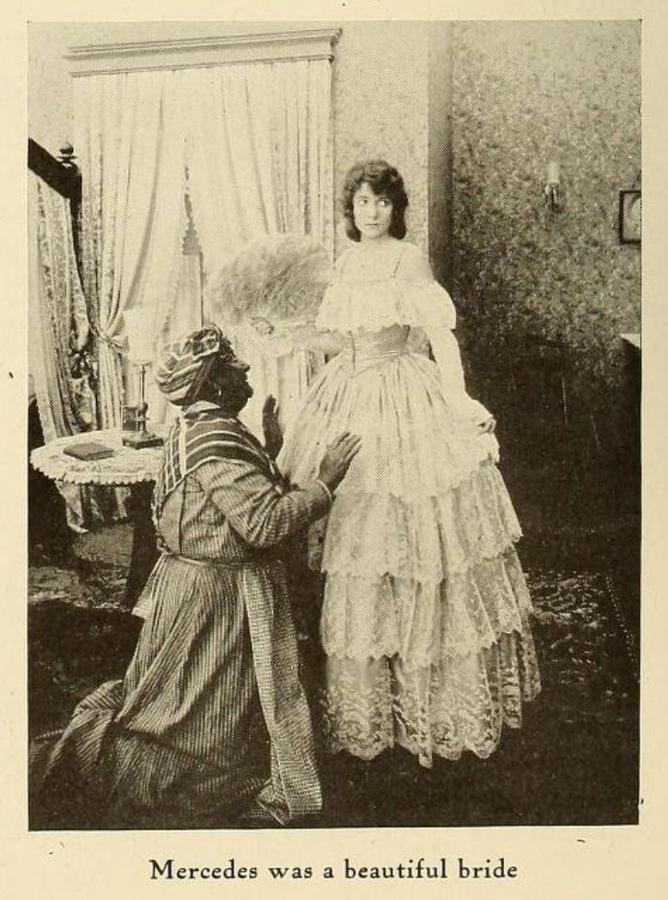
Director Elmer Clifton orchestrates set-pieces that feel excavated rather than staged: the steamboat salon where gasoliers sway like drunk pendulums; the wedding feast where a single candle gutters exactly as the doctor utters the word “nigger,” its flame collapsing as if embarrassed; the quarantine barrier where white sheets billow like ship sails, transforming levee earth into a liminal borderland between life and death.
Cinematographer Pliny Goodfriend lenses bayou exteriors at that indigo hour when sky and water negotiate a truce. Shadows pool so thick you could scoop them with a spoon, while lantern light lays sickly yellow halos on characters’ faces, foreshadowing the jaundice of the coming epidemic. The tinting—hand-painted amber for interiors, cadaverous turquoise for fever scenes—survives in only two extant prints, rendering each screening a séance.
The screenplay, by John Lynch and J.G. Hawks, adapts a once-notorious dime novel whose very title sold newspapers. Their restructuring is sly: they withhold Mercedes’ true parentage until the final reel, turning spectators into complicit jurors who must confront the ease with which they accepted the racial premise. The twist lands not as cheap melodrama but as ethical vertigo—like discovering the scaffold you applauded was built from your own timbers.
Comparative glances are illuminating. Where Pigen fra Palls weaponizes foundling innocence against Danish provincialism, and Homunculus interrogates the manufacture of monsters, The Bride of Hate manufactures monstrosity through bureaucracy: a forged bill of sale, a whispered insinuation, a signature. Its true villain is not a single body but the ledger, that merciless arithmetic of flesh.
Margery Wilson’s brief appearance as Rose Duprez haunts the margins—her death scene rendered only in voice-over title cards that flutter like black butterflies: “She drank the night… and the night drank her.” We glimpse her portrait in the doctor’s study; the eyes seem to track Crenshaw, a premonition of every subsequent comeuppance.
John Gilbert, still years away from his Garbo-stardom cameo, plays a riverboat rake whose flirtation with Mercedes is cut short when the doctor’s gaze skewers him mid-sentence. Gilbert’s alarmed pupils—caught in a lightning-flash close-up—function as the film’s moral synecdoche: the moment privilege recognizes its own reflection and flinches.
Clifton’s rhythm alternates between languorous longueurs and sudden spikes: a twenty-second shot of oars slapping muddy water feels endless, until a gunshot cracks the tension like a whip. The editing, attributed to multiple hands, employs jagged cuts that prefigure Soviet montage; yet the pacing is Southern Gothic, sodden with humidity and half-spoken grievances.
Composer Dana Suesse premiered her reconstructed score at MoMA in ’98, weaving Creunto brass, banjo plucks, and atonal strings that slide like alligators into dissonance. Synced to the fever montage, the music becomes a contagion of its own, souring the air in the auditorium.
Critical reception in 1923 split along the Mason-Dixon fault line. The New Orleans Picayune praised its “exposure of tyrannical custom,” while Variety dismissed it as “crimson claptrap.” Modern scholars locate it within the race-conscious resurrection that birthed The Way of the World and Marse Covington, yet Bride is angrier, less willing to coddle its audience with reconciliation.
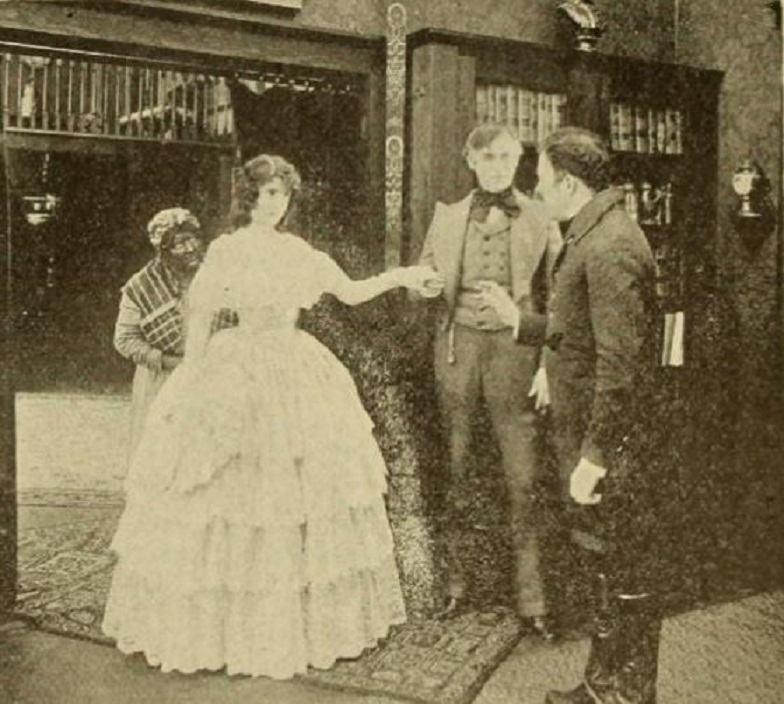
The film’s most unsettling accomplishment is its refusal to grant catharsis. When Duprez kneels and begs forgiveness, Mercedes lifts him not with benediction but with the weary recognition that history’s ledger never balances. Their final embrace occurs beneath a half-finished colonnade, vines already reclaiming the Corinthian capitals—an architectural reminder that every empire is a ruin in waiting.
Surviving intertitles display linguistic baroque: “The river carried away his name, but the mud remembered.” Such flourishes suggest Lynch and Hawks understood their story as folklore, a cautionary chant to be sung rather than a plot to be resolved.
Restoration notes: the 2018 4K scan by the Library of Congress required digital grafting of French and Czech fragments; one reel remains lost, substituted with stills and translated synopsis. The resulting patchwork only heightens the artifact’s fragility, as though the movie itself were a mixed-race body trying to pass through history intact.
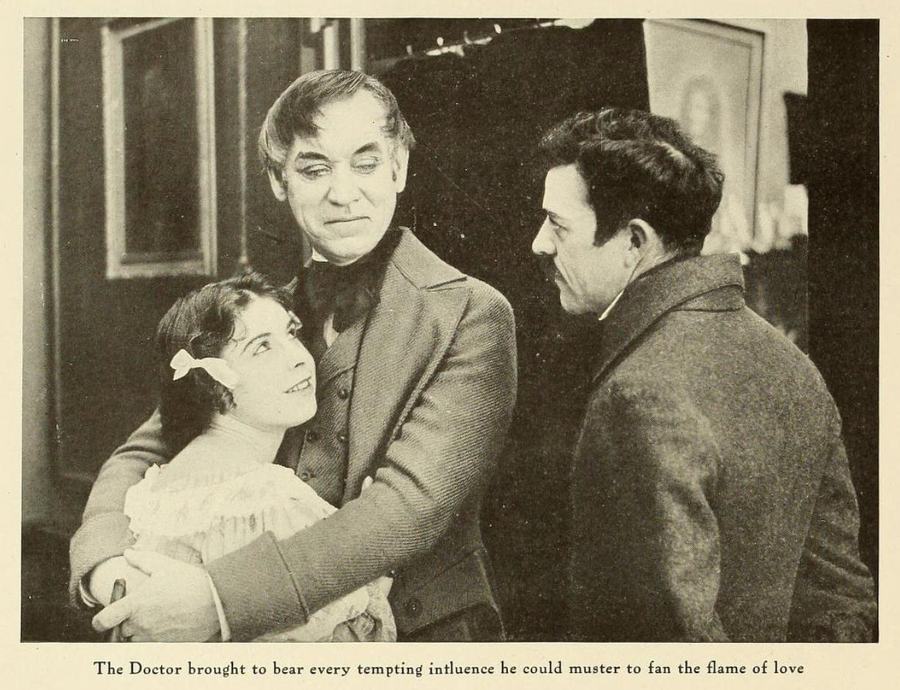
Viewers seeking modern resonance will find it in the way Duprez wields respectability as both shield and cudgel, a precursor to today’s “polite” racisms that launder cruelty through procedure. Likewise, Mercedes’ conscription into white matrimonial vengeance prefigures the systemic control of women’s reproductive futures—still legislated, still sanctified.
Yet the film also whispers of radical empathy: the moment Mercedes chooses forgiveness is not absolution for Duprez but an act of self-liberation, a refusal to let another’s sin define her horizon. In that sense, the final marriage is less romantic union than treaty negotiation, a precarious armistice between historical trauma and the fragile possibility of new beginnings.
Technical cinephiles will relish the pre-Struss soft-focus diffusion used during Mercedes’ first appearance, lending her an incandescent halo that clashes brutally with the subsequent revelation of her legal status. The contradiction between image and ideology is so stark it feels like a razor hidden inside velvet.
Comparing the film’s finale to The Right to Be Happy reveals a chasm: where the latter wraps reformation in tinsel, Bride of Hate leaves its couple standing amid weeds, the camera pulling back until they become miniature figurines inside a diorama of unresolved guilt. Happiness here is not a birthright but a provisional parole.
Altogether, The Bride of Hate survives as both artifact and accusation, a rococo fever whose chills still register a century on. It is essential viewing for anyone convinced that silent cinema merely tittered at pratfalls and pie-eyed lovers; this film hisses, bites, and dares you to stitch the wound.
Rating: 9/10 – a lacerating landmark whose very scratches on the emulsion seem to bleed history.

IMDb —
1936
Community
Log in to comment.