DbcultAccessing Vault...
4.4/10
Senior Film Conservator
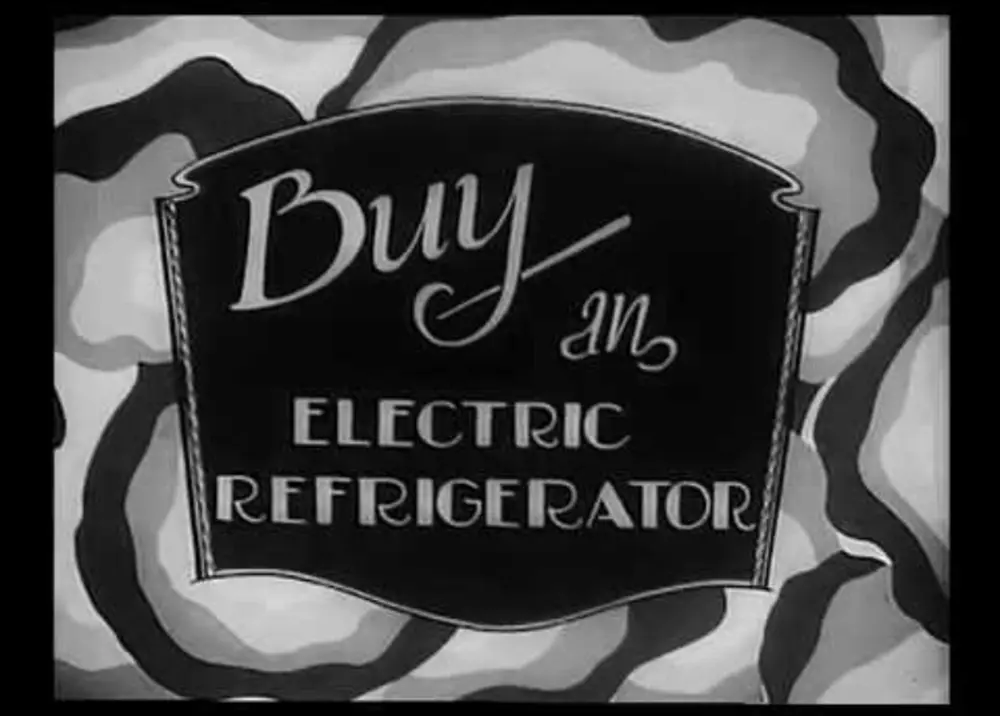
A definitive 4.4/10 rating for a film that redefined the boundaries of cult cinema. Buy an Electric Refrigerator remains a cornerstone of transgressive art.
Is this vintage industrial short worth your limited time today? Short answer: only if you view it as a historical artifact rather than a piece of entertainment. This is not a movie in the traditional sense, but a fossilized sales pitch from the Electric League of Pittsburgh that offers a fascinating, if dry, look at the birth of the American consumer dream.
This film is for the media historian, the lover of mid-century (or earlier) aesthetics, and those interested in how corporations first learned to colonize the domestic space. It is absolutely not for anyone seeking a plot, character development, or even a basic narrative arc. It is a 35mm brochure, nothing more and nothing less.
Before diving into the technicalities of this century-old commercial, let's be clear about its utility in the modern age.
The direction in 'Buy an Electric Refrigerator' is fascinatingly clinical. There is no attempt at the emotional resonance found in contemporary films like The Waif. Instead, the 'star' of the film is the appliance itself. The framing is tight, focused almost exclusively on the contents of the refrigerator. This is a deliberate choice; the Electric League of Pittsburgh wanted viewers to see the fridge as a cornucopia of health.
Consider the shot of the milk, lettuce, and grapes. In the context of the 1920s, this wasn't just food; it was a display of temperature-controlled stability. The lighting is flat and functional, designed to ensure that the metal trays in the freezer compartment gleam with a futuristic sheen. It lacks the moody atmosphere of The Dream Cheater, opting instead for a bright, antiseptic clarity that mirrors the 'health' benefits touted in the title cards.
When the woman in the apron enters the frame, her movements are stiff and choreographed. She doesn't act; she demonstrates. Her role is to validate the machine. By bending over and picking up the platter, she provides a scale for the appliance and a human face to the concept of 'convenience.' It is a performance of subservience—not just to a household role, but to the machine itself.
Compare this to the nuanced female struggles depicted in Just a Woman. In that film, the domestic sphere is a site of conflict and growth. In 'Buy an Electric Refrigerator,' the domestic sphere is a solved problem, provided you have enough capital to visit the show on Liberty Avenue. It is a hauntingly simple portrayal of the 'happy housewife' archetype before it became a tired trope.
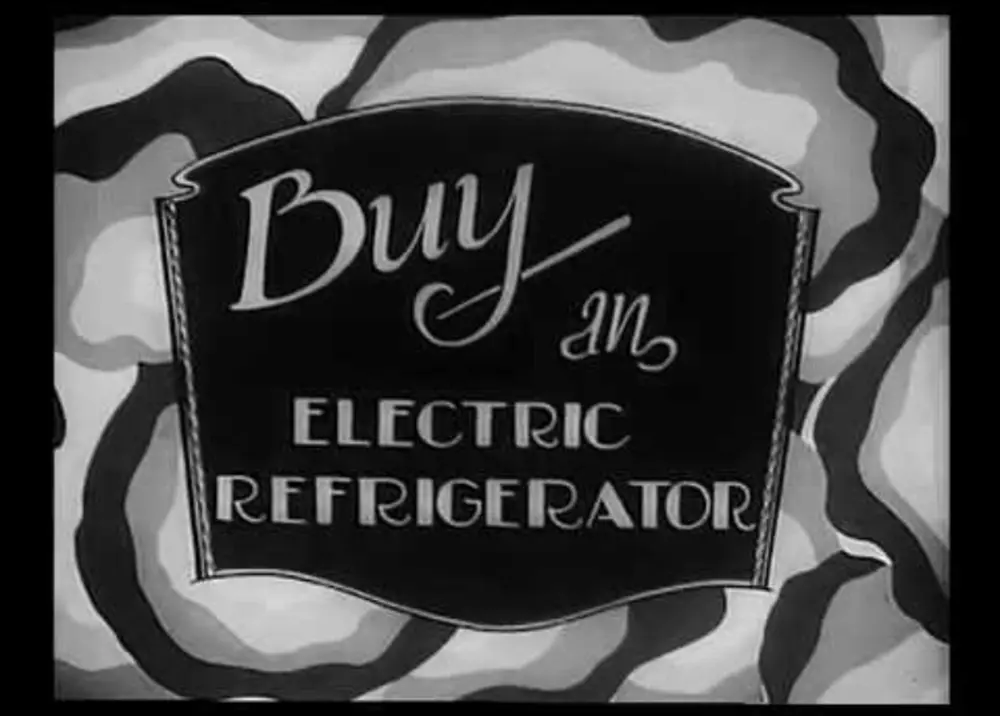
If you are looking for a story, no. If you are looking for a time machine, yes. Watching this short is like peering through a keyhole into a 1920s kitchen that has been scrubbed clean of any actual human mess. It is an essential piece of media for understanding the evolution of the 'infomercial.' It lacks the whimsy of Off the Trolley, but it possesses a raw, industrial honesty that is rare in modern advertising.
The most striking element is the scrolling text at the end. It reminds us that cinema was once a localized, communal experience. The invitation to Liberty Avenue suggests a world where 'free admission' to a refrigerator show was a legitimate Friday night plan. It is a brutal reminder of how much our standards for entertainment have shifted.
The pacing is, predictably, glacial. For a modern viewer accustomed to the rapid-fire cuts of a 15-second TikTok ad, the long, static shots of grapes and sliced meat will feel like an eternity. However, this slowness serves a purpose. It allows the viewer to absorb every detail of the product. The 'hand' that holds the door open is a particularly interesting technical flaw—or perhaps a deliberate choice to show the ease of use. It breaks the fourth wall in a way that feels unintentional and human.
The cinematography is purely functional. There are no sweeping pans or dramatic tilts. It is the visual equivalent of a technical manual. Yet, there is a certain beauty in its simplicity. It doesn't try to be art. It tries to be an argument. And as an argument for the superiority of electric cooling over the old icebox, it is incredibly effective.
Pros:
• Invaluable historical context regarding the electrification of America.
• Crystal clear visual representation of 1920s domestic ideals.
• Short enough to be studied frame-by-frame without much time investment.
Cons:
• Zero entertainment value in the traditional sense.
• The 'acting' is purely functional and devoid of personality.
• Title cards are repetitive and didactic.
'Buy an Electric Refrigerator' is a fascinating relic that belongs in a museum, not a multiplex. It is a cold, calculated piece of propaganda that successfully sold a dream of health and economy to a population weary of the melting icebox. While it lacks the soul of A Celebrated Case or the charm of Faint Hearts, it is a masterclass in early commercial manipulation. It works. But it’s flawed. Watch it to understand where our modern consumer culture began, but don't expect to be moved by anything other than the mechanical efficiency of a well-chilled lettuce leaf.
IMDb —
1917
Community
Log in to comment.