DbcultAccessing Vault...
Cult Review
Senior Film Conservator
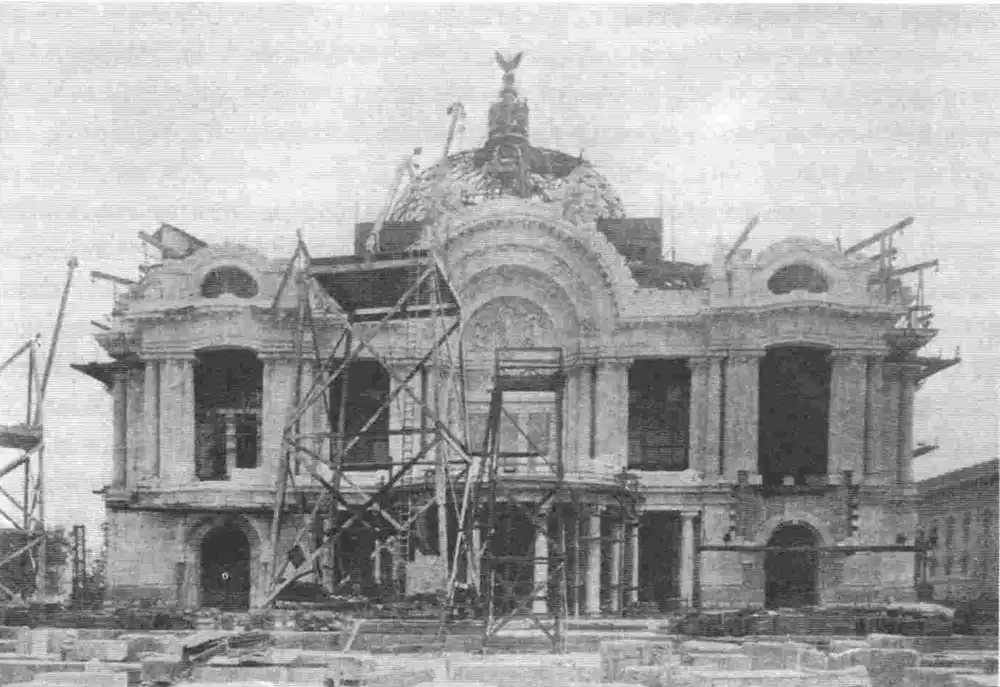
Alright, so El coloso de mármol isn’t going to win any awards for snappy dialogue or groundbreaking visuals, not today anyway. But if you’re into those older, more deliberate character dramas, especially from Mexican cinema’s golden age, you might find something here. It’s definitely not for folks who need constant action or tidy resolutions. You’ll probably hate it if you can’t stand a film that lets its silences do a lot of the talking. 🤔
The movie centers on Don Rafael (Manuel R. Ojeda), a man who, much like the imposing marble statue in the village square – the colossus, get it? – is revered but also a bit rigid, you know? He’s the kind of guy who everybody looks up to, but also kind of fears a little.
There’s this scene early on where he’s just sitting at his desk, staring out a window, and the camera just lingers. It goes on about 15, maybe 20 seconds too long, and you start to feel a little awkward, like you’ve walked in on something private. But then it hits you: that’s the point. This man carries a weight, and it’s right there on his face, even when he’s doing nothing.
Anita Ruiz plays Elena, who I took to be his daughter, or maybe a niece he raised. Her performance is really what grounds a lot of the film’s emotional stuff. She’s got this quiet strength that shines through, especially in moments where she’s just trying to mediate between Don Rafael and the younger, more hot-headed folk in the village.
There’s a particular exchange, it’s not even a big shouting match. It’s when she tries to talk to him about selling off some land, and he just cuts her off with a single, sharp glance. No words needed. That glance spoke volumes. It’s very old-school acting, but it works here.
Pacing felt a bit off sometimes. Like, that scene in the market, it just kinda… hung there. You see vendors, people milling around, but nothing really *happens* for a good chunk of it. It’s almost like the director wanted us to just soak in the atmosphere, which is fine, but it does make the movie feel slower than it perhaps needed to be. Maybe that’s the charm for some, a real slice of life.
Carlos Villatoro’s character, Miguel, arrives from the city, bringing with him new ideas and a challenging spirit. He’s the direct foil to Don Rafael, and their clashes, though often subtle, are the backbone of the narrative. One moment, Miguel is trying to explain some modern farming technique, and Don Rafael just keeps polishing a small, ornate desk ornament, not even looking up. Pure passive aggression.
The cinematography, for what it is, captures the village well. The dust, the old stone buildings, the way the light hits the plaza. It feels lived-in. There’s a shot of the church bell ringing in the morning that felt oddly peaceful, almost out of place given the brewing tension.
I found myself thinking about The Broken Gate a little, not for plot reasons, but just the way it tries to capture a very specific kind of small-town drama, where everyone knows everyone’s business, and old grudges run deep. This one leans heavier into the family dynamics, though.
One weird detail: Don Rafael has this habit of always adjusting the paintings on his wall, even if they’re perfectly straight. It’s a tiny thing, but it makes him seem so particular, so obsessed with order, even when his world is starting to tilt.
The film doesn't really offer a clean resolution. It sort of… ends. You're left to ponder the aftermath, which some will find frustrating. I actually appreciated it. It felt more like real life, you know? Not every big drama gets wrapped up with a neat little bow.
The writing, done by Manuel R. Ojeda himself and Gregorio Lopez y Fuentes, has moments of real poetry, especially in the more reflective voiceovers (yes, there are a few). But then other times, the dialogue can feel a bit stiff, like it was written for a stage play. It’s a mixed bag, but the stronger moments definitely stick with you.
Is it a must-see? Probably not for everyone. But if you’ve got an afternoon and an appreciation for films that aren't afraid to take their time, focusing on the quiet decay of a man’s pride rather than explosions, then give El coloso de mármol a look. It’s a flawed but strangely compelling piece. Like an old, slightly cracked statue that still commands attention. 🗿

IMDb —
1919
Community
Log in to comment.