DbcultAccessing Vault...
Cult Review
Senior Film Conservator
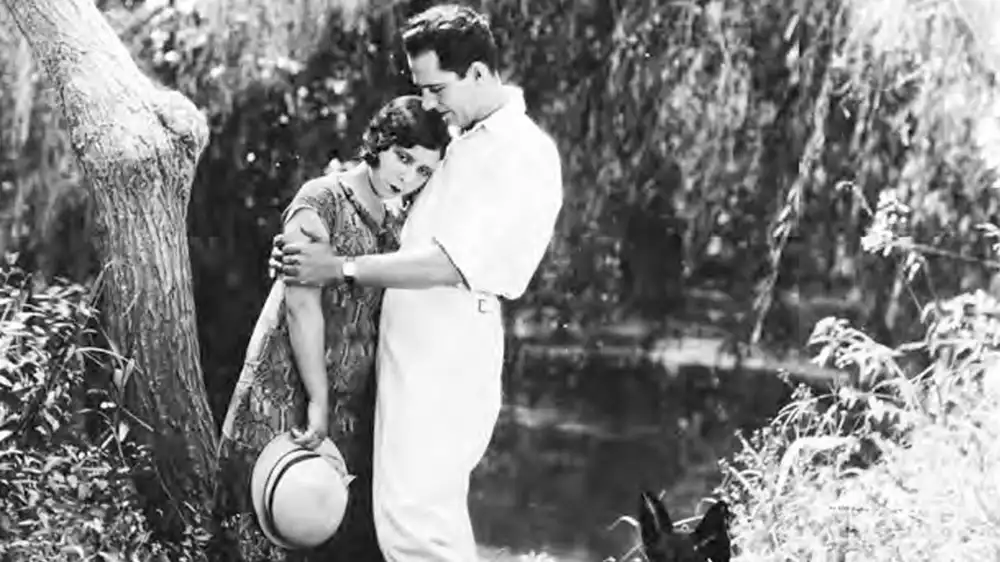
Alright, look, El poncho del olvido isn't a Friday night blockbuster. Not even close. If you crave action or tidy answers, you'll probably hate this. But if you're in the mood for something slow, deeply melancholic, and a bit unsettling, a film that really just *sits* with its feelings, then yeah, it's worth checking out. It’s for the patient, the reflective ones, maybe even those who’ve thought a lot about what it means to remember. 👵
The whole thing centers on this one, almost ancient looking poncho. It’s not flashy, just a worn, sort of reddish-brown thing, and it’s always draped over a chair in the corner of this very sparse living room. You know, like it’s just *waiting* there. The family treats it with this weird mix of reverence and a kind of quiet dread. You see it, and immediately, you get the feeling it’s more than just a piece of clothing. It’s got a presence.
When the grandmother, played with such a gentle sadness by Mary Clay, starts wearing it more often, things begin to… shift. It’s subtle at first. She forgets where she put her spectacles. Then she mixes up a story, telling it twice in the same breath.
The camera really lingers on her face during these moments. You can almost see the memory *slipping* away, right there in her eyes. It’s not over-the-top, just a quiet blankness that settles in.
There’s this one scene, oh man. Angel Boyano, as her son, is trying to remind her about a festival from last year. He’s showing her old photographs. And she just smiles, a really sweet, empty smile, and says, "Oh, was I there?" That line hits like a brick. He keeps talking, almost pleading with her to remember, and the scene goes on about 20 seconds too long, and the silence starts to feel awkward rather than emotional. But in a good way, you know? It really makes you feel his helplessness. His frustration is palpable.
The film just sort of *exists* in this dusty, quiet village. There’s a constant, low hum of cicadas in the background, and the sun always looks like it’s about to set, even in the middle of the day. It makes everything feel a bit… timeless, and also like time is running out. ⏳
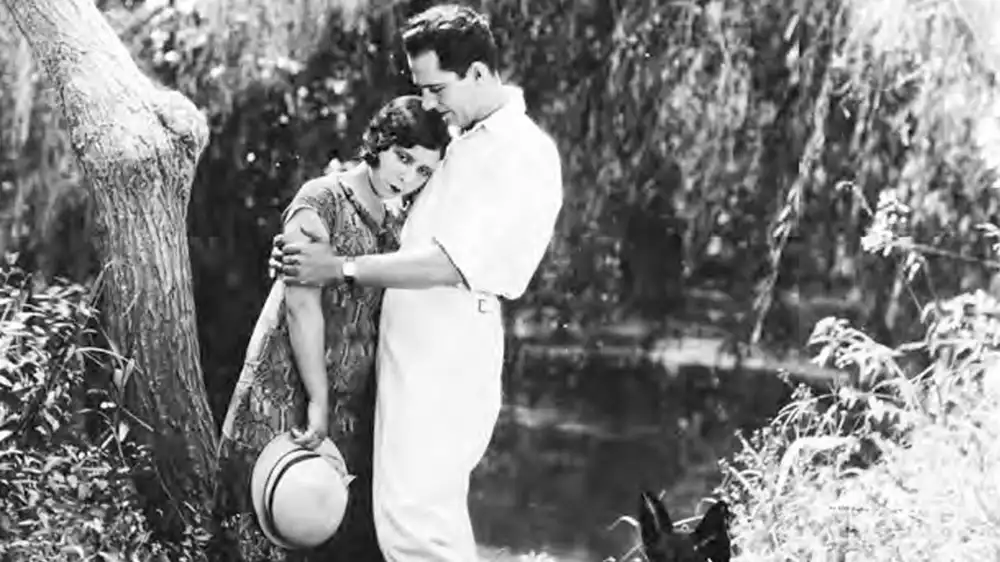
José Plá plays the village elder, and his scenes are always fascinating. He never directly explains the poncho, but he tells these rambling stories about the past, about how *things used to be*. You can almost feel the movie trying to convince you this moment matters. He glances at the poncho sometimes, a tiny, almost imperceptible shake of his head. It’s a very small thing, but it speaks volumes about a shared, unspoken history.
The director, whoever they are, really likes to use these long, static shots. You just watch the characters move slowly, or sometimes just sit there. There's a shot of the old man, Carlos Dux, just sitting on his porch, watching the road, for what feels like an eternity. Nothing happens. No dialogue. Just the wind and the dust. It feels oddly empty, like half the extras wandered off, but then you realize that *is* the point. The emptiness is part of the story. It’s the negative space where memory used to be.
I found myself getting a little annoyed sometimes, honestly. The pacing is brutally slow. There are moments where you just want someone to *do* something, to shout, to break the quiet. But they don't. It’s all this quiet acceptance, this slow fading. It’s hard to watch, in a way that feels almost personal. Like you’re witnessing something you shouldn’t.
The movie gets noticeably better once it stops trying to build up to some big reveal about the poncho. It never really explains *why* it makes people forget. It just *is*. And that’s fine. It becomes less about a magical object and more about the frailty of memory itself. A very human thing.
Felipe Farah’s character, the grandson, has this one, very brief scene where he almost, just almost, tries on the poncho himself. He picks it up, feels the fabric. His hand hovers. And then he puts it back down, almost with a gasp. It’s a tiny, blink-and-you-miss-it detail, but it speaks to the fear, the temptation, and the understanding of what
IMDb 6.1
1931
Community
Log in to comment.