DbcultAccessing Vault...
Cult Review
Senior Film Conservator
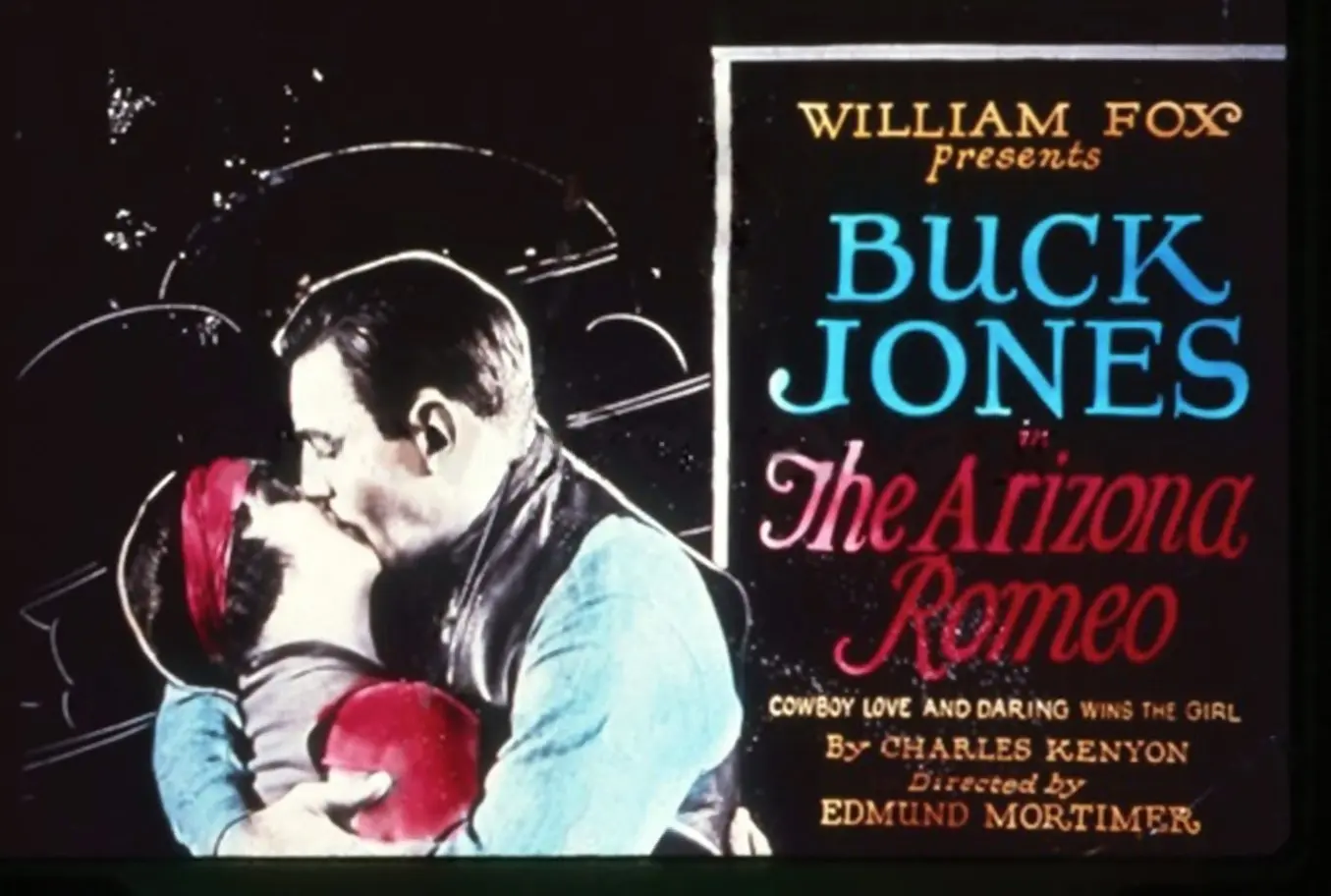
Is The Arizona Romeo a film worth unearthing from the silent era's vast catalog? Short answer: yes, but with significant caveats that ground its romantic escapism in the stark realities of early cinema. This is a picture that, while undoubtedly a product of its time, offers glimpses of spirited storytelling and a surprisingly modern female protagonist, making it a fascinating watch for those with a keen interest in film history and the evolution of the Western genre.
This film is best for viewers who appreciate silent films, particularly those with a fondness for early Westerns that blend action with romantic comedy. It’s ideal for film students, historians, or anyone looking to understand the narrative conventions and performance styles of the 1920s. Conversely, it is absolutely not for audiences seeking fast-paced plots, sophisticated character development by modern standards, or dialogue-driven narratives. If you struggle with the visual language of silent cinema, or find the melodramatic flourishes of the era off-putting, this particular Romeo might not sweep you off your feet.
At its core, The Arizona Romeo (1923) is a delightful, if somewhat predictable, exploration of rebellion, manipulation, and the surprising turns of true affection. Directed by Horace B. Carpenter, this silent-era gem, with a screenplay by Charles Kenyon and Edmund Mortimer, takes a classic 'city girl meets country boy' trope and injects it with enough silent-era charm and physical comedy to keep an engaged viewer entertained. The narrative, while simple by today's standards, is a robust framework for the kind of broad, expressive performances that defined the period.
The film opens with a rather antiquated premise: two powerful New York financiers, John Wayne (not the actor, but a character in this film) and Sam Barr, decide to merge their business empires through the strategic marriage of their offspring, Sylvia and Richard. This immediate plunge into an arranged marriage scenario sets the stage for Sylvia's spirited defiance, which becomes the emotional engine of the first act. Her refusal, rather than deterring Sam Barr, actually sparks a cunning plan, revealing a surprisingly astute understanding of human — or at least, female — psychology for a male character of the era. He believes that by opposing the match, he will inadvertently make it more appealing to Sylvia, a classic reverse psychology gambit.
Sylvia’s reaction is swift and decisive: she flees to Arizona, not to escape Richard, but to meet him, proving Sam’s theory correct in a delightfully mischievous way. This initial act of rebellion is crucial, establishing Sylvia as more than just a pawn in her father's game. Her journey to the West, a traditional symbol of freedom and self-discovery, is where the film truly begins to find its rhythm and introduce the elements that define its genre.
Upon arrival, Sylvia and her maid engage in a rather anachronistic pastime for the dusty frontier: offering manicures at the local barbershop. This seemingly trivial detail is a stroke of narrative genius, serving as the catalyst for the introduction of Tom Long, the quintessential rugged rancher. Tom's indignation at his men's newfound vanity—the image of cowboys getting manicures is inherently comedic and subversive—drives him into town, setting up the film's central romantic conflict. It’s a clever way to bring the two disparate worlds of Sylvia and Tom together, highlighting their cultural clash while paving the way for attraction.
The blossoming romance between Tom and Sylvia, sparked by his chivalrous defense of her, feels both inevitable and earned within the silent film context. The arrival of Richard from the East, followed by a telegram from Sylvia’s father offering a reward to prevent the marriage, layers the plot with further complications. Tom, initially believing Sylvia genuinely loves Richard, heroically helps them evade the sheriff, showcasing his noble character. This selfless act, however, is undercut by his accidental discovery of Sylvia’s true motivations: spite, not love, for Richard. This revelation shifts the film into its climactic chase, a thrilling sequence that sees Tom pursue the eloping couple by horse, culminating in a daring leap onto a moving train to declare his love. It’s a moment of pure, unadulterated silent film spectacle, a testament to the era’s capacity for physical storytelling.
“The Arizona Romeo” is a fascinating snapshot of early 20th-century entertainment, blending the dramatic flourishes of its time with a surprisingly modern undercurrent of female agency, even if that agency is often expressed through defiance rather than direct empowerment. Its charm lies in its earnestness and the sheer physical commitment of its performers.
This film works because of its unabashed embrace of silent film conventions, leveraging physical comedy, exaggerated expressions, and thrilling action sequences to tell a compelling story without a single spoken word. The core premise, while dated, provides ample opportunity for dramatic tension and comedic relief, particularly in the cultural clash between Sylvia's urban sophistication and Tom's rugged Western sensibilities. The film’s pacing, especially in its later acts, is surprisingly effective, building tension towards its climactic chase.
However, The Arizona Romeo fails because of its reliance on trope-heavy character motivations that can feel simplistic to a modern audience, particularly the father's initial manipulation and Sylvia's protracted defiance. While these are integral to the plot, they prevent deeper emotional resonance, often reducing characters to archetypes. The film also suffers from the inherent limitations of its era, with some performances bordering on the overly theatrical, which can be jarring for viewers unaccustomed to silent cinema's unique acting style.
You should watch it if you are a silent film enthusiast seeking a charming, action-packed Western romance with a strong female lead. It’s a prime example of how narratives were constructed and emotions conveyed in the absence of dialogue, offering valuable insights into the craft of early filmmaking. It's a journey back to a simpler, yet surprisingly effective, form of cinematic storytelling.
The cast of The Arizona Romeo delivers performances characteristic of the silent era, relying heavily on expressive physicality and facial gestures to convey emotion. Buck Jones, as Tom Long, embodies the stoic yet passionate Western hero with conviction. His performance is a masterclass in silent film heroism, projecting strength and sincerity through his posture and intense gaze. The scene where he first confronts Sylvia in the barbershop, his initial anger slowly giving way to captivated admiration, is particularly well-executed, showing a subtle shift in his demeanor that speaks volumes without a single intertitle.
Lucy Fox, as Sylvia, is a vibrant presence. She portrays Sylvia as a woman of undeniable spirit and independence, even if her motivations are sometimes driven by petulance. Her animated expressions and energetic movements effectively communicate Sylvia's inner turmoil and playful defiance. While some of her reactions might appear overly dramatic to contemporary viewers, they are entirely consistent with the acting conventions of the 1920s, designed to ensure emotions were legible even from the back rows of a large cinema hall. Her transformation from defiant socialite to a woman genuinely in love is conveyed through subtle changes in her interactions with Tom, moving from amused tolerance to genuine affection.
The supporting cast, including Harvey Clark and Thomas R. Mills as the scheming fathers, provides solid foundations for the plot. Their exaggerated gestures and conniving expressions clearly delineate their roles as the initial antagonists, driving the conflict with their patriarchal designs. Hank Mann, likely in a comedic role given his filmography, undoubtedly contributed to the film’s lighter moments, though the plot summary doesn't detail his specific antics.
Pacing in silent films can often feel erratic to modern eyes, but The Arizona Romeo maintains a surprisingly consistent rhythm. The initial setup in New York is brisk, quickly establishing the conflict. The shift to Arizona introduces a more leisurely pace, allowing for the development of the romance and the comedic elements of the manicures. The narrative accelerates significantly in the third act, culminating in the thrilling train chase. This escalation of tempo is crucial for building suspense and delivering a satisfying climax, a testament to Horace B. Carpenter's understanding of narrative flow even without the aid of synchronized sound.
Horace B. Carpenter's direction, while perhaps not groundbreaking, is competent and effective for the genre and era. He clearly understands the visual language required for a silent Western romance. The film makes good use of its Arizona setting, contrasting the opulent, confined spaces of New York City with the vast, open landscapes of the West. This visual dichotomy reinforces the thematic clash between arranged societal expectations and the freedom of individual choice.
The action sequences, particularly the climactic train chase and Tom Long's audacious horse jump onto the moving train, are highlights of Carpenter's direction. These moments would have been genuinely thrilling for audiences of the 1920s, showcasing practical stunts and dynamic camera work that effectively convey speed and danger. The framing of these scenes is crucial, ensuring that the audience can follow the action clearly despite the lack of sound effects, a common challenge for silent film directors.
Cinematography, while uncredited in the provided details, plays a vital role in establishing the film's tone and atmosphere. The contrast between the relatively static, interior shots of the New York offices and the expansive, sun-drenched vistas of Arizona is visually striking. The dusty streets of the Western town, the rugged terrain, and the dramatic backdrop for the train chase all contribute to the film's authentic feel. Lighting, often a subtle art in silent cinema, would have been employed to highlight facial expressions and create dramatic shadows, particularly in moments of conflict or heightened emotion.
One unconventional observation is how the film subtly critiques patriarchal control while simultaneously relying on traditional gender roles. Sylvia's rebellion is celebrated, yet her ultimate happiness is found within a new, albeit self-chosen, patriarchal structure. It’s a contradiction that reflects the societal tensions of the time, where women were gaining more independence but still largely defined by their relationships to men. The film doesn’t quite resolve this tension, but it certainly puts it on display.
The Arizona Romeo deftly juggles several tones throughout its runtime. It begins with a comedic, almost farcical tone surrounding the arranged marriage and Sam Barr's manipulative tactics. This lightheartedness continues with Sylvia's arrival in Arizona and the humorous concept of manicures in a rough-and-tumble barbershop. However, the film smoothly transitions into a more earnest romantic drama once Tom and Sylvia's connection deepens, punctuated by moments of genuine peril and dramatic tension during the chase sequences.
The primary theme is undoubtedly the triumph of true love over societal expectations and familial pressures. Sylvia’s journey is one of self-discovery, finding her own path to happiness rather than submitting to her father’s will. Her initial defiance, while perhaps childish, evolves into a genuine search for a partner who sees and values her for who she is, rather than as a transactional asset. This resonates even today, albeit in a different social context.
Another significant theme is the clash between urban sophistication and frontier ruggedness. Sylvia's 'civilizing' influence with the manicures is met with Tom's traditional masculinity, yet it's through this very clash that they find common ground. The West, in this film, is presented as a place of freedom and authenticity, a stark contrast to the calculating world of New York finance. It’s a classic romanticized view of the frontier, but one that effectively serves the narrative.
The film also touches on female agency and rebellion. Sylvia, though operating within the confines of a story written by men in the 1920s, actively resists being a passive object. She makes choices, even if those choices are sometimes born out of spite. This makes her a surprisingly relatable character, considering the era. It's a strong, debatable opinion that Sylvia's actions, while initially childish, ultimately showcase a proto-feminist spirit that sets her apart from many passive heroines of the time.
The Arizona Romeo is a compelling artifact from the golden age of silent cinema, a spirited Western romance that, despite its age and some inherent genre limitations, still manages to entertain. It’s not a lost masterpiece, nor does it redefine the boundaries of cinematic storytelling. But it’s an honest, earnest film that showcases the power of visual narrative and the enduring appeal of a good old-fashioned love story against an exciting backdrop. Buck Jones delivers a rugged, charismatic performance, and Lucy Fox brings a vibrant, if sometimes melodramatic, energy to her role as the defiant Sylvia.
The film's strengths lie in its dynamic action sequences, particularly the memorable train chase, and its ability to weave a romantic narrative through expressive silent acting. While its themes of female agency are filtered through the lens of its time, Sylvia's journey of self-determination, however flawed, remains intriguing. This is a film that works. But it’s flawed.
For those willing to engage with the unique language of silent film, The Arizona Romeo offers a rewarding experience. It’s a delightful journey back to a time when storytelling relied purely on image, expression, and the evocative power of a well-placed intertitle. Dive in if you're prepared for a charming, if slightly dusty, cinematic adventure.
IMDb —
1919
Community
Log in to comment.