DbcultAccessing Vault...
6.8/10
Senior Film Conservator
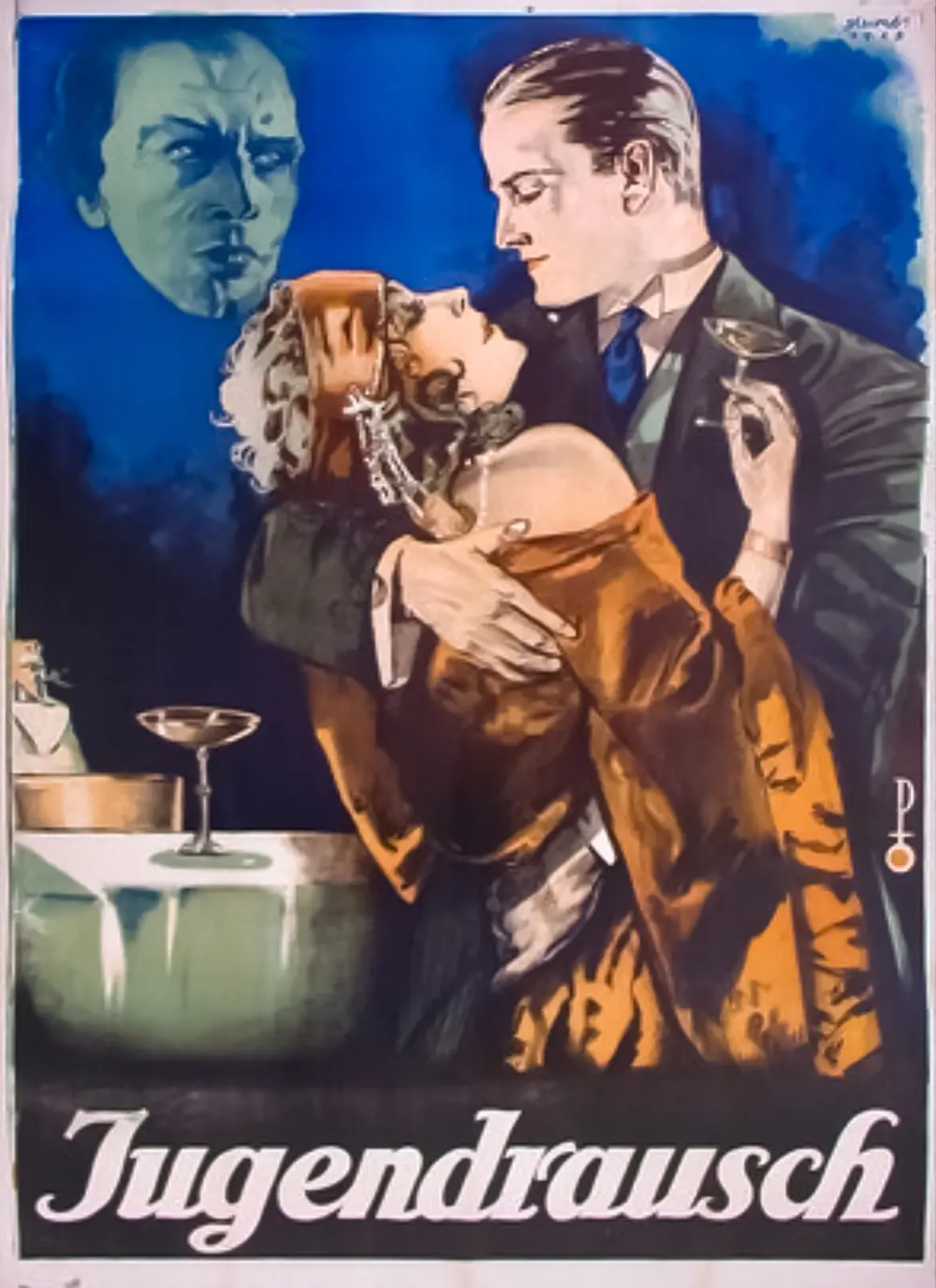
A definitive 6.8/10 rating for a film that redefined the boundaries of cult cinema. Eva and the Grasshopper remains a cornerstone of transgressive art.
Is 'Eva and the Grasshopper' a silent film worth unearthing in the modern cinematic landscape? Short answer: yes, but with significant caveats that demand a specific viewing disposition.
This film is unequivocally for devotees of early German cinema, particularly those fascinated by the nascent stages of Weimar-era melodrama and the performances of its foundational stars. It is decidedly not for audiences seeking fast-paced narratives, nuanced character development by contemporary standards, or a subtle emotional journey.
This film works because of its historical significance as an early example of director Wilhelm Thiele's craft and for the raw, often captivating, performances from its leads, particularly Camilla Horn, who embodies the 'grasshopper' with a magnetic, if archetypal, energy. It serves as a fascinating time capsule of societal anxieties and moralistic storytelling prevalent in the era.
This film fails because its narrative, while classic, often leans into heavy-handed moralizing that can feel dated to a contemporary viewer. The pacing, characteristic of silent cinema, demands patience, and certain character motivations lack the psychological depth we now expect, making some plot points feel less earned and more dictated by convention.
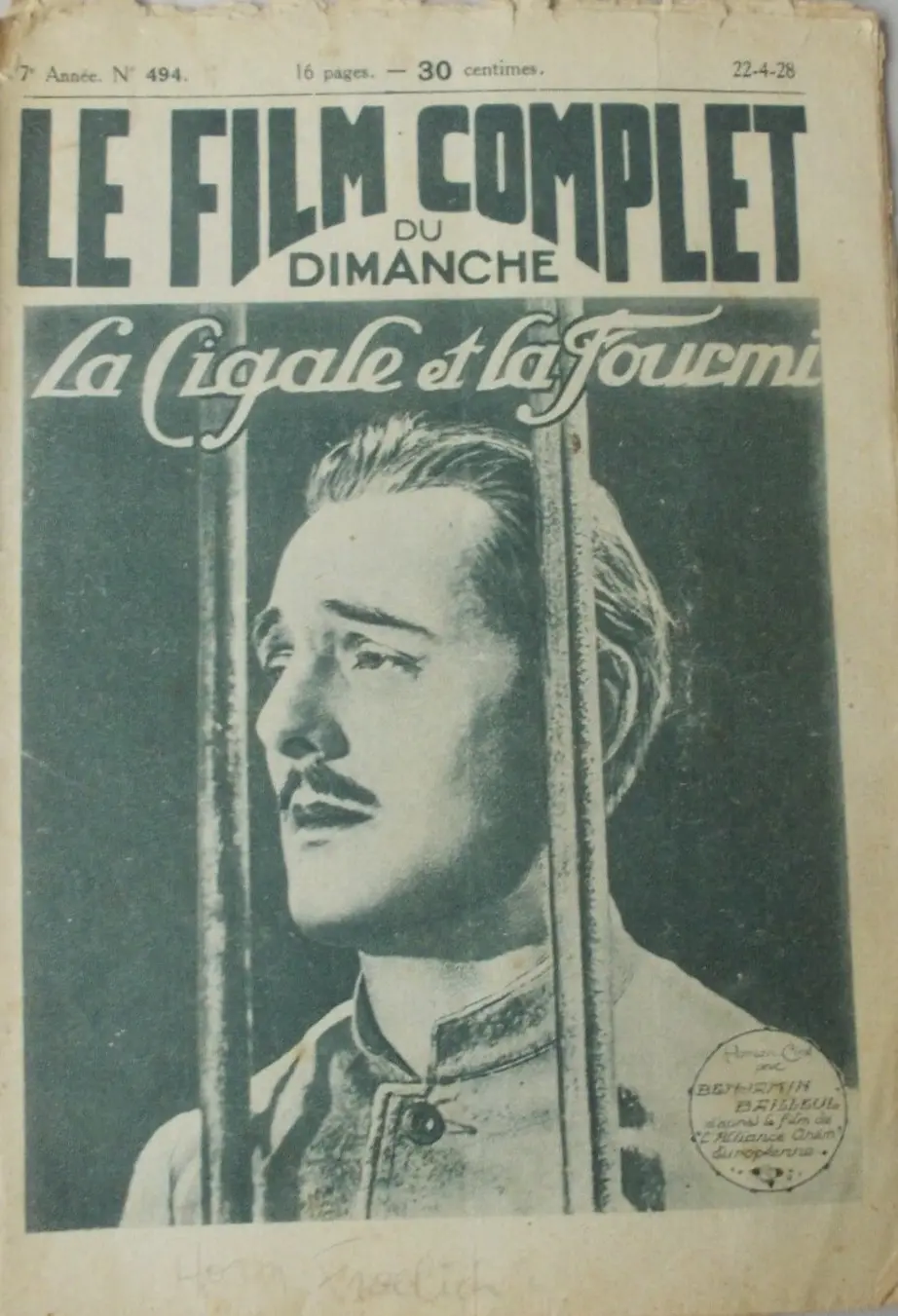
You should watch it if you are a student of film history, an admirer of silent era acting, or someone intrigued by the social commentaries embedded in early cinema. It offers a unique window into a bygone era of filmmaking and storytelling.
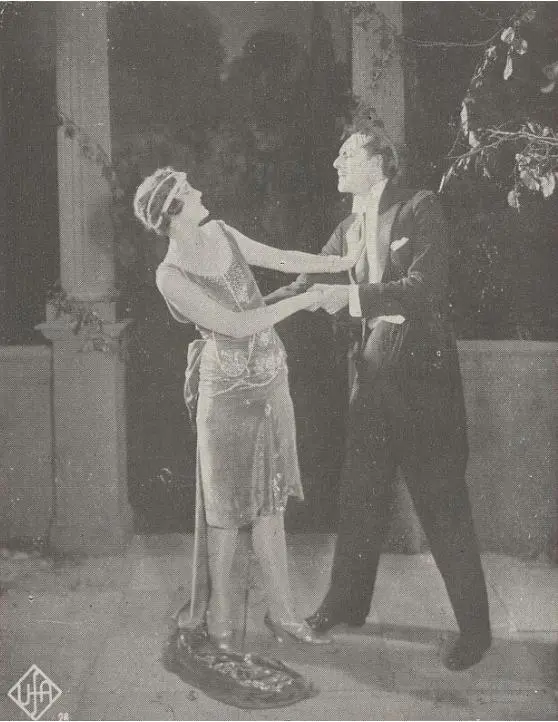
At its core, 'Eva and the Grasshopper' is a character study, albeit one painted with the broad, expressive strokes typical of the silent era. The titular Eva, portrayed by the incandescent Camilla Horn, is the film's undeniable gravitational center. Horn, fresh from her breakthrough in Murnau's 'Faust', brings a vibrant, almost ethereal quality to Eva. She’s not merely seductive; she’s a force of nature, driven by an insatiable hunger for the spotlight and the fleeting joys it promises. Her performance is a masterclass in silent film physicality, conveying ambition, fleeting joy, and eventual despair through exaggerated gestures and piercing gazes. Think of her revue scenes: every movement, every tilt of her head, speaks volumes about her desire to captivate, to be adored. It is a striking contrast to the more subdued performances of her contemporaries, echoing the theatricality seen in films like The Merchant of Venice.
Opposite her is Mary, played by Maria Andrejewa, the 'ant' of this fable. Andrejewa embodies quiet resilience and traditional virtue. Her performance is less overtly flamboyant than Horn's, relying instead on subtle shifts in expression to convey her unwavering loyalty and profound heartbreak. While she might seem overshadowed by Eva’s dynamism, Andrejewa's portrayal anchors the film in emotional reality. Her suffering, particularly as Armand's affections drift, feels genuinely poignant, a testament to her ability to evoke empathy without uttering a single word. The contrast between these two women is the film's most compelling element, a classic dichotomy that still resonates.
Gustav Adolf Semler as Armand, the man caught between them, struggles to maintain the same level of impact. His character often feels more like a plot device than a fully realized individual. Semler attempts to convey his internal conflict and infatuation, but his performance, while competent, lacks the magnetic pull of Horn's Eva or the quiet dignity of Andrejewa's Mary. He is the weak link, the easily swayed, and his motivations, particularly his sudden, intense love for Eva, feel somewhat underdeveloped, a common pitfall in melodramas where characters serve archetypes more than psychological realism. One could argue his susceptibility is a commentary on male weakness, but it often reads as narrative convenience.
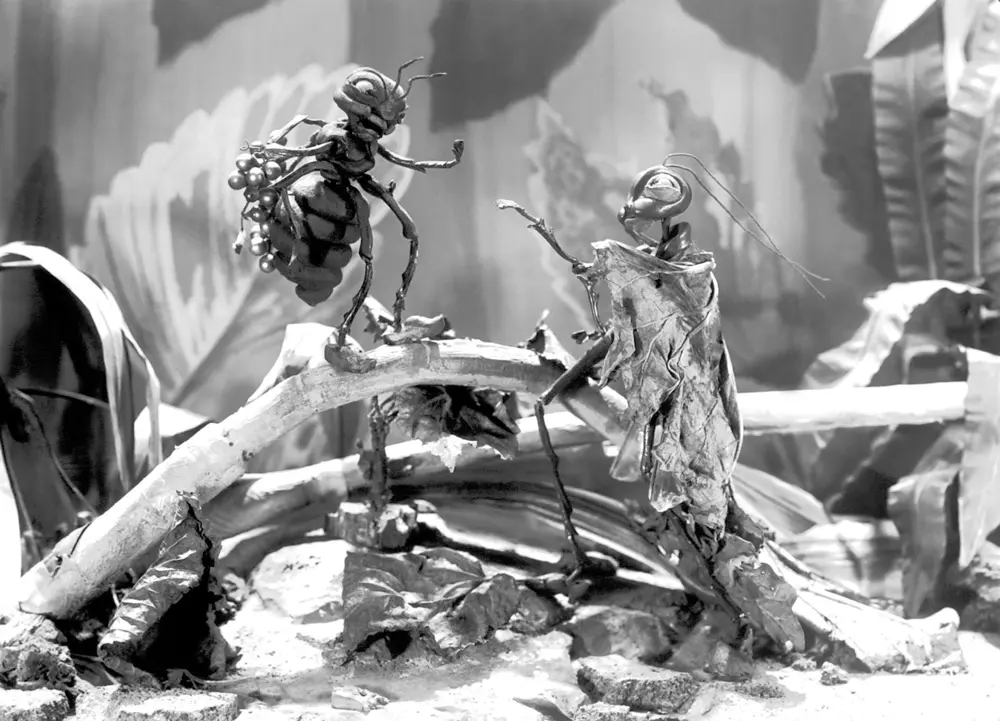
Wilhelm Thiele, who would later achieve greater renown with films like 'The Threepenny Opera', showcases an emerging directorial voice here. His staging, particularly in the revue sequences, is ambitious for its time. He understands how to use the confined space of the stage to create a sense of spectacle and Eva's burgeoning stardom. The use of dramatic lighting, contrasting bright spotlights on Eva with shadowed audiences, effectively emphasizes her isolation even amidst adoration. This visual storytelling elevates the otherwise straightforward narrative, giving it a theatrical flair that hints at Thiele's future prowess.
The cinematography, while not groundbreaking by today's standards, is effective. The black and white palette is utilized to great effect, particularly in differentiating the worlds of Mary and Eva. Mary's scenes often feature softer, more naturalistic lighting, reflecting her grounded nature. In contrast, Eva's world, especially the revue, is bathed in stark, high-contrast light, emphasizing its artificiality and glamour. Close-ups are employed sparingly but powerfully, allowing the audience to truly connect with the characters' raw emotions, such as Mary's tear-filled eyes after a confrontation with Armand. The visual language, though dated, serves its purpose in conveying the emotional stakes, much like early German expressionist works such as The Brand of Satan.
However, the film occasionally suffers from a static camera and a reliance on long shots that, while necessary for exposition, can sometimes dilute the emotional intensity. There are moments where a more dynamic camera movement could have heightened the drama, but this is a minor quibble, reflective of the technological and stylistic limitations of the era. Thiele's direction, while solid, rarely transcends the conventional melodramatic framework, choosing to reinforce established tropes rather than subvert them.
Pacing in 'Eva and the Grasshopper' is typical of silent cinema: deliberate, allowing scenes to unfold slowly, giving ample time for audience reaction to the actors' expressions and intertitles. For modern viewers accustomed to rapid-fire editing, this can feel sluggish. However, for those willing to adjust their expectations, this slower pace allows for a deeper immersion into the emotional landscape of the characters. The narrative builds gradually, allowing the emotional tension between Mary, Eva, and Armand to simmer before boiling over. The film's major dramatic beats, such as Eva's fall from grace or Armand's desperate attempts to help her, are given significant screen time to register their full impact.
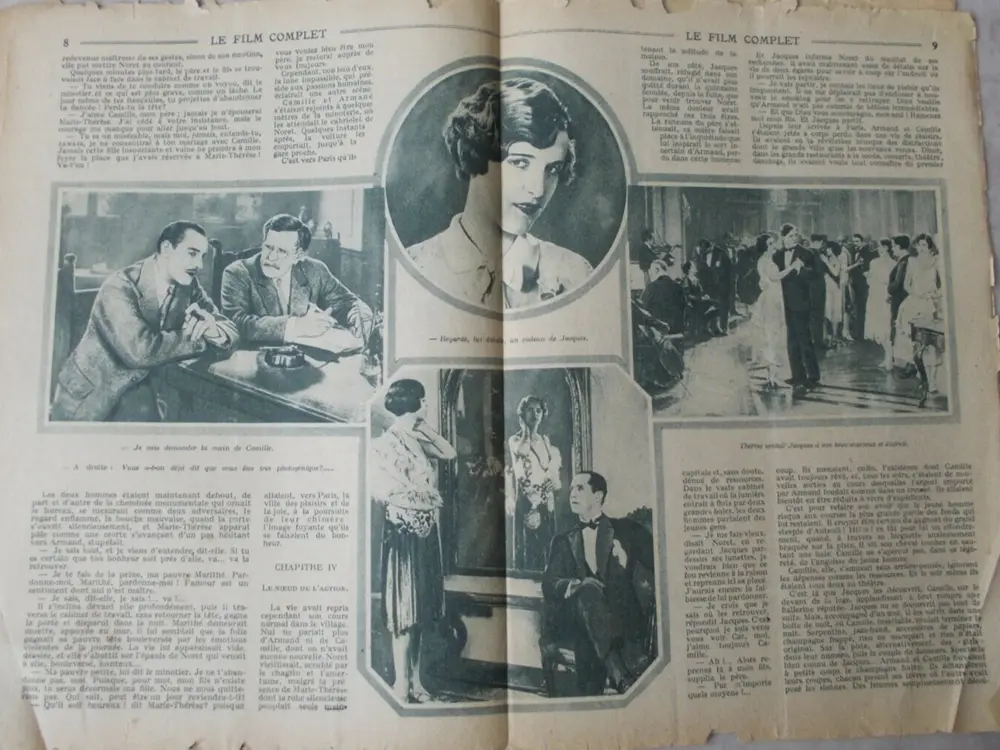
The tone is overtly melodramatic, a cautionary tale steeped in moralistic undertones, drawing directly from the Aesopic fable it references. The film doesn't shy away from presenting clear-cut virtues and vices, often with little room for ambiguity. Eva's ambition is portrayed as a dangerous indulgence, while Mary's steadfastness is championed as the ideal. This moral clarity, while perhaps appealing to audiences of the 1920s, can feel heavy-handed today. The film’s message is delivered with a blunt force that leaves little to the imagination, making it more of a moral lecture than a nuanced exploration of human frailty. It lacks the psychological complexity found in later, more mature Weimar dramas, opting for a straightforward good-versus-evil dynamic.
"The film's moralizing feels heavy-handed even for its era, often sacrificing character nuance for didactic messaging. It's a fascinating artifact, but a challenging watch if you seek subtlety."
Despite this, there's an undeniable charm to its earnestness. The film’s exploration of betrayal, the allure of fame, and the consequences of reckless choices remains a timeless theme, even if the execution feels dated. It's a reminder of how early cinema grappled with universal human experiences, albeit through a lens that was often less sophisticated than what we expect today. The film's emotional impact, though sometimes broad, is still present, particularly in the quieter moments of Mary's despair.
Absolutely, but with specific understanding of its context and limitations. 'Eva and the Grasshopper' is not a film for a casual Friday night viewing. It demands patience and a genuine interest in film history.
For those who appreciate the artistry of silent cinema, the film offers a valuable glimpse into early German filmmaking. It showcases the expressive power of actors like Camilla Horn and provides a window into the social and moral concerns of the Weimar Republic. Its historical value is undeniable.
However, if you're looking for modern pacing, complex characters, or subtle storytelling, this film will likely disappoint. Its melodrama is pronounced, its moralizing direct, and its narrative structure straightforward. It works. But it’s flawed.
Ultimately, its worth is subjective, dependent on your cinematic palate. It's a significant piece of cinematic archaeology, not a universally appealing entertainment.
'Eva and the Grasshopper' is more than just a forgotten relic; it's a compelling historical document. It's a window into the nascent stages of German cinema, showcasing a director finding his footing and an actress, Camilla Horn, beginning to solidify her star power. While its unabashed melodrama and deliberate pacing may not appeal to all, its value for film historians and enthusiasts of the silent era is undeniable. The film is a clear product of its time, delivering a moral fable with straightforward conviction, yet beneath its conventional surface lies a fascinating interplay of character and consequence.
It’s a film that asks you to step back in time, to appreciate a different rhythm of storytelling, and to engage with emotions conveyed through gesture and gaze rather than dialogue. If you approach it with this understanding, 'Eva and the Grasshopper' offers a rewarding, if occasionally challenging, viewing experience. It may not redefine the genre, nor will it be everyone's cup of tea, but it stands as a solid example of early Weimar cinema, reminding us of the foundations upon which cinematic art was built. It’s a film to be studied and appreciated, not merely consumed, a testament to the enduring power of classic fables adapted for the silver screen.
IMDb —
1926
Community
Log in to comment.