DbcultAccessing Vault...
Cult Review
Senior Film Conservator
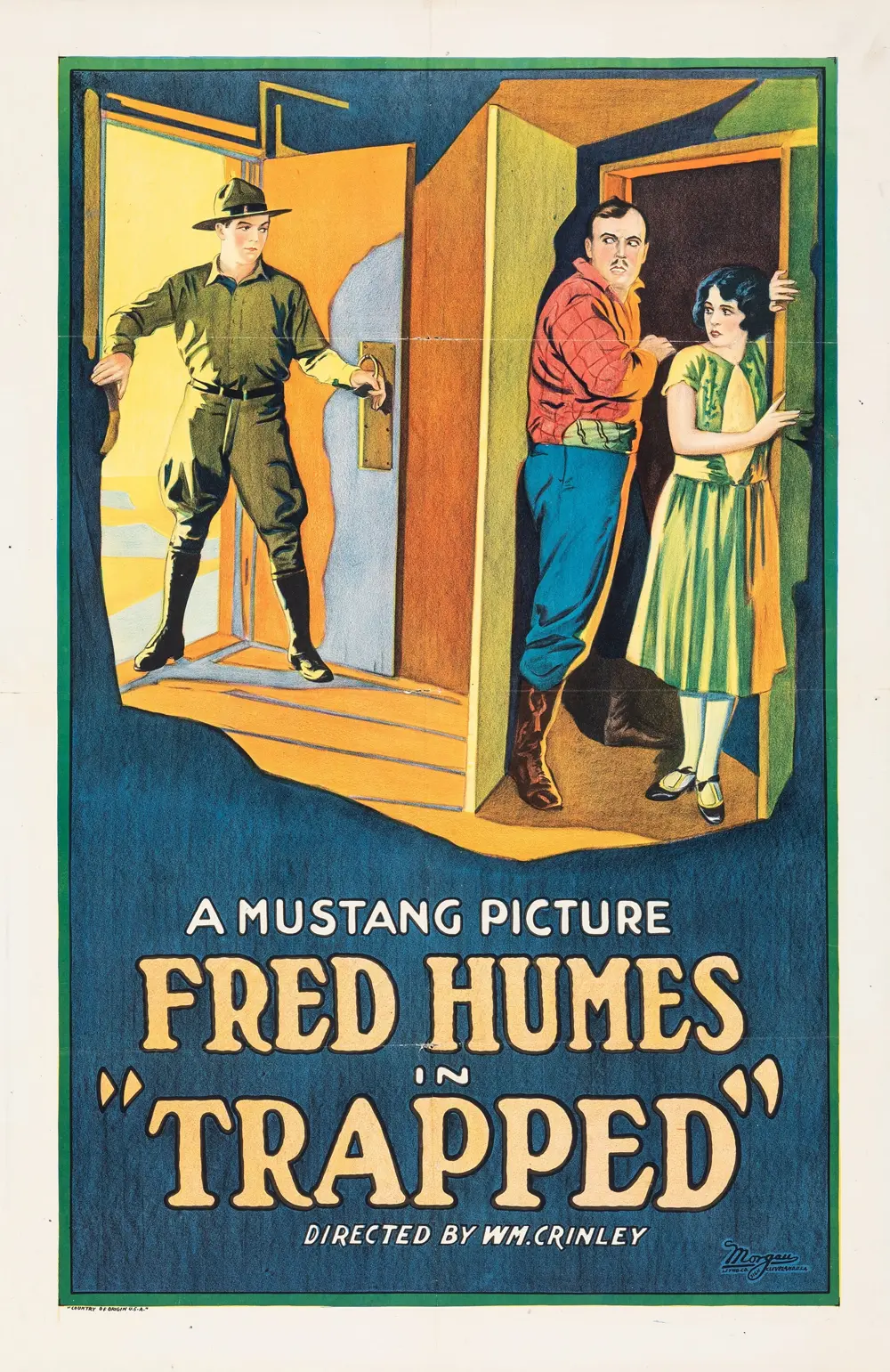
Is Trapped (1926) a forgotten relic or a hidden gem of the silent era? Short answer: It is a sturdy, blue-collar Western that serves as an essential watch for silent film completionists, though its predictable narrative may alienate those seeking modern complexity.
This film is specifically for viewers who appreciate the raw, unpolished energy of 1920s B-Westerns and the physical performance style of Fred Humes. It is not for audiences who require high-speed editing or intricate, multi-layered plot twists to remain engaged.
1) This film works because it leans into the visceral physicality of its lead, Fred Humes, and utilizes the natural landscape to create a sense of isolation that mirrors the characters' internal conflicts.
2) This film fails because the romantic subplot feels rushed and secondary to the action, lacking the emotional resonance needed to make the stakes feel truly personal.
3) You should watch it if you enjoy the historical evolution of the 'lawman' archetype or if you want to see a prime example of William Berke’s early narrative efficiency.
The 1920s were a transformative period for the Western genre, moving away from the epic scales of Griffith toward the more grounded, 'working-man' stories of the frontier. Trapped sits firmly in this latter category. It doesn't pretend to be high art. It is a functional piece of storytelling that prioritizes clarity over nuance.
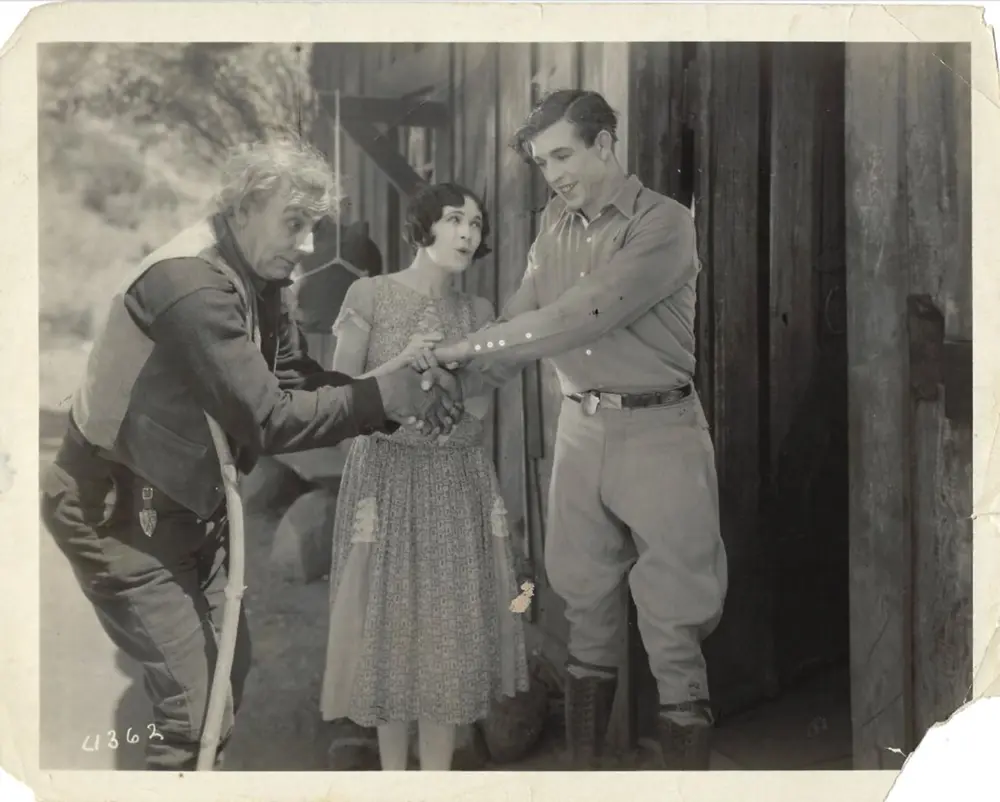
Fred Humes, playing Game Warden Donnelly, brings a certain ruggedness that feels authentic to the period. Unlike the more polished stars of the era, Humes has a way of moving that suggests a man who has actually spent time in the saddle. In the scene where he first encounters the fur thieves, his posture shifts from relaxed to predatory in a way that modern actors often over-calculate. It’s simple. It’s effective.
The plot, penned by William Berke, is a standard 'lawman vs. outlaws' setup, but the inclusion of the fur trade adds a specific texture. While other films of the time like Three Jumps Ahead focused on more traditional cattle rustling, Trapped looks at the peripheral economies of the wilderness. This choice makes the film feel slightly more grounded in the harsh realities of rural survival.
Velma Connor and Elinor Fair provide the emotional anchor for the film, though their roles are unfortunately limited by the conventions of 1926. Fair, in particular, manages to convey a significant amount of dread through her eyes alone. When her father is implicated, the conflict isn't just about the law; it's about the collapse of her domestic safety.
The chemistry between Humes and Fair is serviceable, but it lacks the spark found in more prestigious productions like The Burning Soil. In Trapped, the romance feels like a box that needed to be checked rather than a driving force of the narrative. However, the scene in the Moore household, where the tension between Donnelly’s duty and his affection for Mary is palpable, stands out as a rare moment of genuine dramatic weight.
Carl Miller’s presence as the antagonist adds a layer of menace that the film desperately needs. Miller doesn't play a cartoon villain; he plays a man who believes he has a right to the land’s resources, regardless of what the government in a far-off city says. This ideological clash is where the film finds its teeth.
William Berke, who would eventually become a prolific director of B-movies, shows his early promise here. The pacing is staccato. It moves with a briskness that prevents the viewer from dwelling too long on the thinner parts of the script. Berke understands that in a silent Western, the audience is waiting for the physical payoff.
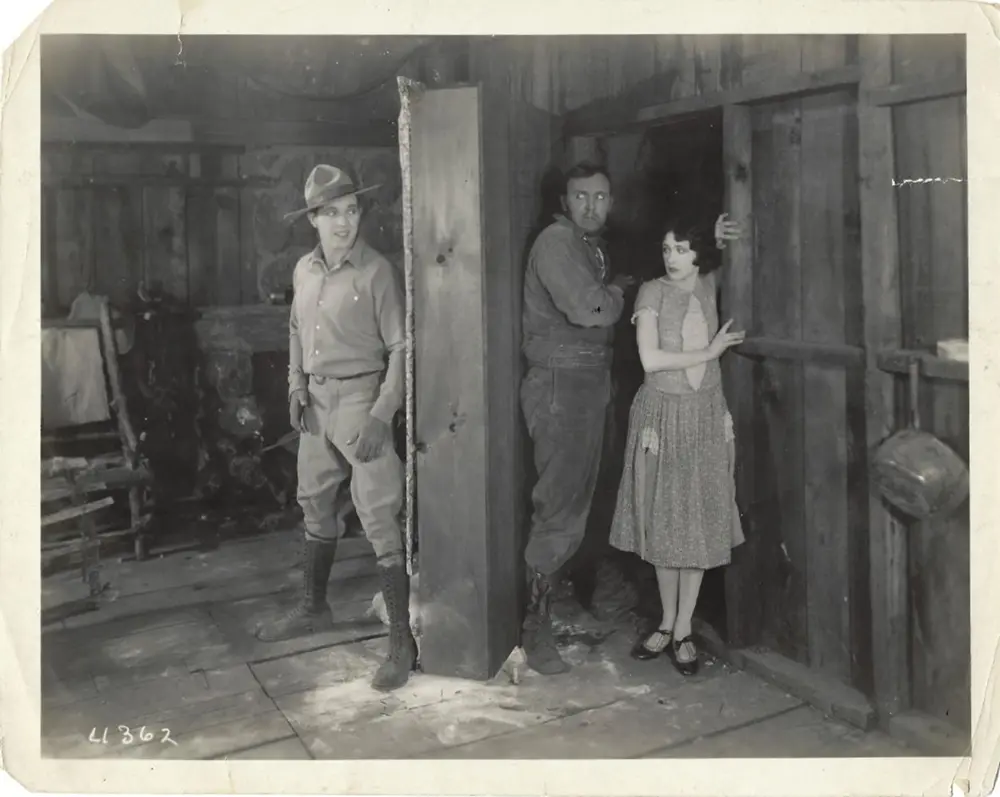
The climax in the cabin is a masterclass in low-budget tension. The choreography is messy—and I mean that as a compliment. It doesn't look like a dance; it looks like a struggle. Bodies collide with furniture, and the camera stays tight on the action, creating a sense of claustrophobia that contrasts sharply with the wide-open vistas of the earlier acts. It’s a brutal, simple sequence that justifies the film’s title.
Compared to the more maritime-focused action in Perils of the Coast Guard, the action in Trapped feels more intimate and personal. The stakes are small—a few pelts and a family’s honor—but the film treats them with the gravity of a Shakespearean tragedy.
Yes, if you value the history of the Western genre. Trapped provides a clear look at the transition from the silent era's reliance on spectacle to its focus on character-driven 'B-pictures.' It is a short, punchy experience that doesn't overstay its welcome.
For those who have seen The Courageous Coward, you will recognize similar themes of redemption and the burden of the badge. However, Trapped is arguably the more focused of the two, stripping away unnecessary subplots to focus on the central moral dilemma.
The cinematography in Trapped is utilitarian. It doesn't aim for the expressionistic shadows of European cinema or the sweeping grandeur of a Ford Western. Instead, it uses high-contrast lighting to emphasize the harshness of the environment. The forest is not a place of beauty; it is a place of labor and danger.
The tone is surprisingly somber for a film that ends in a 'happily ever after.' There is a lingering sense of loss regarding Mary’s father. His confession is a moment of weakness that leads to his downfall, and the film doesn't entirely celebrate Donnelly’s victory. It acknowledges that the law often tears families apart. This bit of maturity elevates the film above its peers.
One surprising observation: the film spends a significant amount of time on the logistics of the game warden's job. It’s almost a procedural. Watching Donnelly track the thieves isn't just about the chase; it's about the skill set required to survive in the 1920s wilderness. It works. But it’s flawed by the era's technical limitations.
Trapped (1926) is a workmanlike Western that succeeds because of its lack of pretension. It knows exactly what it is: a 50-minute burst of action and moral conflict. While it won't replace the classics of the genre, it remains a vital piece of the puzzle for anyone studying the evolution of the American action hero. It’s a film that understands the weight of the badge and the cost of the heart. It’s worth the watch for the cabin fight alone.
IMDb 3.4
1925
Community
Log in to comment.