DbcultAccessing Vault...
4/10
Senior Film Conservator
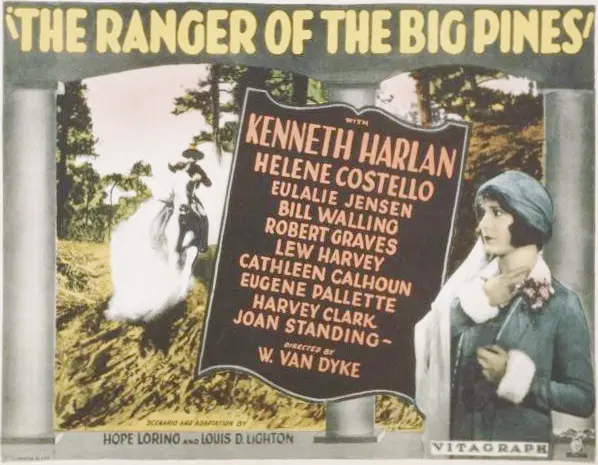
A definitive 4/10 rating for a film that redefined the boundaries of cult cinema. Ranger of the Big Pines remains a cornerstone of transgressive art.
Short answer: yes, but only if you enjoy morally ambiguous frontier tales. This 1930s Western blends rugged landscapes with complex family drama, though its pacing falters in the final act.
Cathleen Calhoun’s performance as Virginia is a masterclass in emotional restraint. Her quiet devastation during the hotel bar scene—where she confronts her mother’s hardened pragmatism—carries more weight than any dialogue. Director Will Walling uses the pine forests as both setting and character; the opening shot of Virginia riding through the mist captures the film’s central tension between isolation and connection.
The third act’s sudden shift to melodrama undercuts earlier thematic coherence. The final shootout between Ross and Sam Gregg feels rushed, resolving their conflict with a clichéd hero’s triumph instead of the nuanced power struggle suggested earlier. The film’s moral ambiguity evaporates in this final stretch, leaving the audience with a hollow victory.
You appreciate Westerns that prioritize character over action. The subplot about the government tax on grazing land (delivered in a tense tavern scene) offers subtle commentary on land rights that still resonates today.
Ranger of the Big Pines is a flawed but fascinating relic of 1930s Westerns. It fails to fully commit to its thematic potential, but rewards viewers with exceptional performances and atmospheric tension. For a more cohesive experience, consider pairing with The Red Ace, which handles similar family conflicts with more narrative precision.
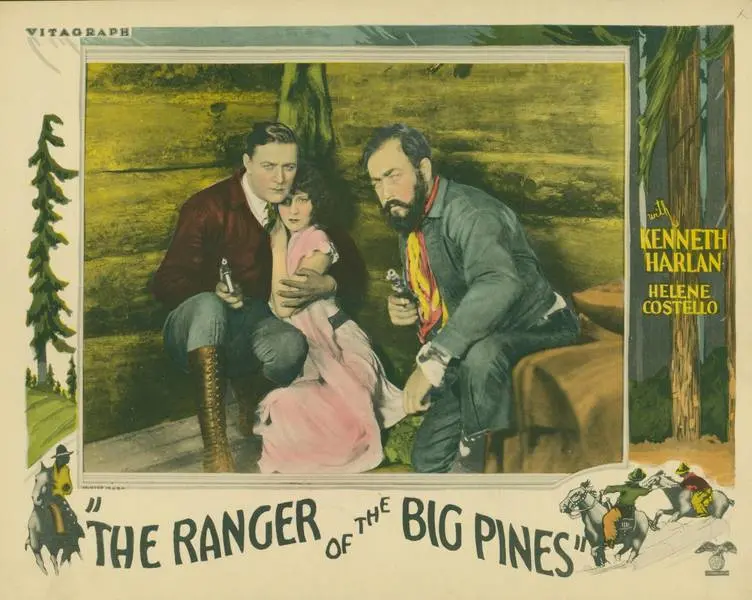
Watch it if you value character depth over action set pieces. Skip it if you prefer traditional Western archetypes resolved neatly. The film’s greatest strength—its exploration of generational trauma—is also its biggest weakness, as it falters when trying to resolve these complex themes within a genre framework.
The film’s most jarring choice is its refusal to sentimentalize Virginia’s relationship with Ross. Their romance is built on shared loneliness, not passion, and the final scene—where Ross takes Virginia east—feels less like a happy ending and more like a pragmatic escape. This emotional detachment is refreshing in a genre often obsessed with mythologizing love.
Lighting in the hotel scenes is masterfully uneven—contrast the harsh shadows in the barroom argument with the soft golden hues of Virginia’s childhood home. Cinematographer Eulalie Jensen uses depth of field to isolate characters, particularly in the tense tax debate scene where Ross is framed slightly off-center, visually emphasizing his alienation from the corrupt town elite.
The film’s exploration of land rights echoes The Soul of Kura San but lacks its cultural specificity. Unlike the tighter narrative of 99, Ranger of the Big Pines stretches its central conflict too thin, sacrificing impact for atmosphere.
It works. But it’s flawed. The decision to leave Virginia’s father’s secret unacknowledged in the final act is bold, but ultimately frustrating. This is a film that trusts its audience’s intelligence—sometimes too much. For a more satisfying exploration of frontier morality, try Human Desire, but be prepared for a far darker tone.
IMDb —
1920
Community
Log in to comment.