DbcultAccessing Vault...
Cult Review
Senior Film Conservator
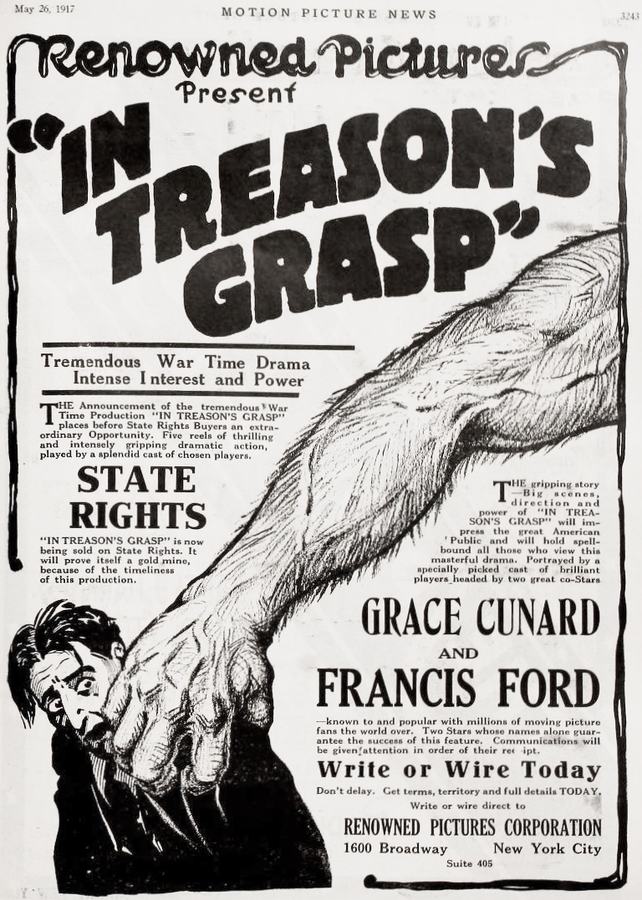
Delving into the cinematic archives, one occasionally unearths a narrative that, despite its vintage, resonates with an astonishing contemporary pertinence. Such is the case with In Treason's Grasp, a film from an era when cinema was still finding its voice, yet already masterfully exploring the darker corners of the human psyche. This particular melodrama, a potent cocktail of ambition, betrayal, and eventual redemption, stands as a testament to the enduring power of storytelling, even in its nascent form. It's a journey into a world where moral lines blur under the immense pressure of wartime, where personal vendettas can have devastating national implications, and where the long arm of justice, though sometimes slow, ultimately seeks its due.
The film unfolds against the backdrop of a munitions factory, a setting that immediately imbues the narrative with a sense of gravity and national importance. Here we meet Ralph Avery and Robert Young, partners whose professional collaboration is overshadowed by a fierce personal rivalry: both men are hopelessly enamored with Molly Carson. This romantic triangle, a staple of early cinema, serves as the initial spark for a conflagration that consumes lives and reputations. What distinguishes In Treason's Grasp from its contemporaries is not merely the presence of this love triangle, but the chilling intensity with which it is exploited, transforming a personal slight into a national scandal.
When government investigators descend upon their company, probing into the theft of vital wartime plans, Ralph Avery seizes an opportunity born of pure malevolence. In a calculated act of perfidy, he meticulously plants incriminating evidence in Robert Young's desk. This isn't merely a casual act of sabotage; it is a meticulously orchestrated frame-up designed to destroy his rival utterly. The consequences are immediate and devastating: Robert is convicted of treason, sentenced to a harrowing twenty-year incarceration. The sheer audacity of Ralph's deception, the cold calculation behind his actions, establishes him as a villain of profound depravity, his ambition eclipsing any semblance of moral compass. This initial act of betrayal sets the stage for a sprawling saga of injustice, illustrating how easily trust can be shattered and how profoundly one person's malice can derail another's entire existence. The weight of this injustice is palpable, a silent scream echoing through the frames, urging the audience to yearn for retribution.
While Robert languishes in the desolate confines of prison, Ralph's nefarious machinations continue unabated. He doesn't merely enjoy his ill-gotten freedom; he actively capitalizes on Robert's genius. Stealing one of Robert's invaluable formulas, Ralph leverages it to amass a considerable fortune, solidifying his position of power and wealth. His betrayal extends beyond the professional realm, reaching into the most intimate aspects of life: he marries Molly Carson, the woman who was once the object of both men's affections. Their union, built on a foundation of lies and stolen dreams, produces a daughter, Lucille. This narrative twist introduces a new layer of complexity, intertwining the fates of the innocent with the sins of the guilty. Molly's complicity, whether born of ignorance, desperation, or a tragic resignation, adds a poignant dimension to the unfolding drama, reminiscent of the emotional turmoil seen in films like Anna Karenina, where personal choices lead to inescapable tragic consequences.
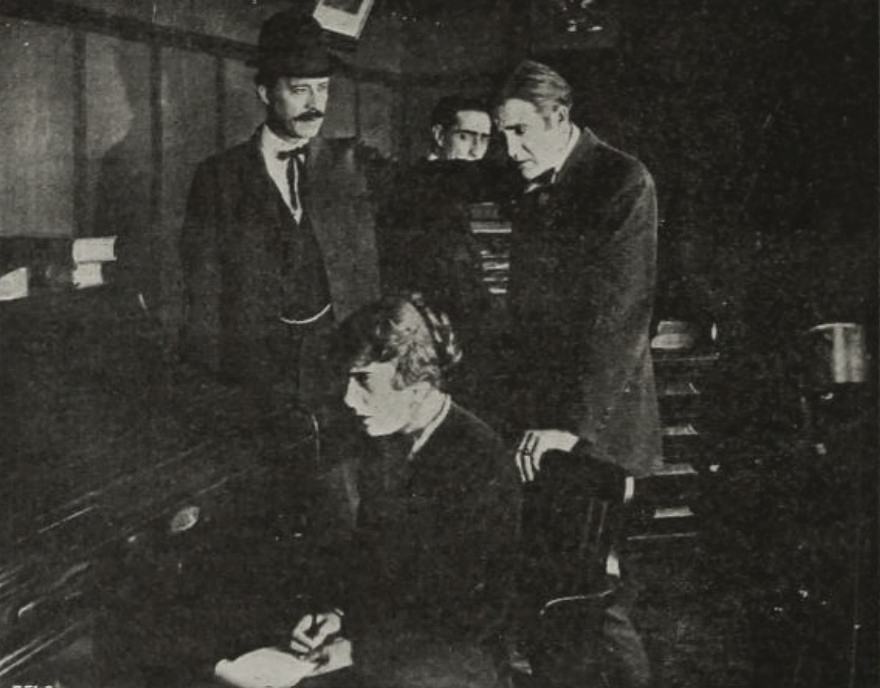
Years pass, and the ripple effects of Ralph's treachery begin to surface. Lucille, now a grown woman, discovers the devastating truth from her mother on her deathbed. Molly, burdened by guilt and perhaps a lifetime of suppressed sorrow, makes a dying plea: Lucille must make amends to Robert. This shift in narrative focus from the perpetrators and victims to the inheritors of their legacy is a powerful storytelling device. Lucille, thrust into a moral quandary not of her own making, becomes the unlikely agent of justice and redemption. Her quest isn't merely about clearing Robert's name or restoring his stolen wealth; it's about rectifying a profound ethical imbalance, a generational burden that she, as the innocent product of a tainted union, must shoulder. This theme of a child seeking to right the wrongs of their parents resonates with the moral explorations found in dramas like Father and Son, where familial duty often collides with inherited moral debts.
Ultimately, Lucille's perseverance and unwavering commitment to justice lead to Robert's exoneration and the restoration of his rightful place. More significantly, his stolen formula, now reclaimed, is finally deployed to aid the war effort in Europe, bringing the narrative full circle from betrayal to patriotic contribution. This resolution not only provides a satisfying sense of poetic justice but also underscores the film's deeper commentary on the triumph of good over evil, even when the path is fraught with immense personal sacrifice. The narrative arc, from individual treachery to collective benefit, elevates the film beyond mere melodrama, imbuing it with a sense of purpose and moral imperative.
In an era devoid of spoken dialogue, the burden of conveying complex emotions and intricate plot points fell squarely on the shoulders of the actors and the visual language of cinema. Francis Ford and Grace Cunard, both prolific figures in early Hollywood, would have brought their considerable experience to bear on In Treason's Grasp. Ford, often seen in roles requiring a certain gravitas or intensity, would have been perfectly cast as either the wronged Robert Young, his face etched with silent suffering and quiet dignity, or perhaps the cunning Ralph Avery, whose villainy would have been communicated through subtle gestures and piercing gazes. His ability to project internal turmoil without uttering a single word was a hallmark of the silent screen era, a skill that could make an audience feel the weight of a twenty-year sentence. Cunard, known for her strong female characters, would have had the challenging task of portraying Molly Carson, a woman caught between two men, her choices leading to unforeseen tragedy. Her performance would have needed to convey not just love, but perhaps regret, fear, and the quiet strength to eventually reveal the truth to her daughter. The emotional nuances required for such roles were immense, relying heavily on exaggerated facial expressions, body language, and the expressive power of the eyes.
The direction of In Treason's Grasp, typical of its time, would have relied on clear visual cues, dramatic staging, and the strategic use of intertitles to advance the plot and reveal character thoughts. Close-ups would have been employed sparingly but effectively to emphasize moments of high emotion – a tear rolling down Molly's cheek, the determined set of Lucille's jaw, or the triumphant glint in Robert's eye upon his release. The pacing, while perhaps deliberate by modern standards, would have been carefully controlled to build suspense and allow the audience to fully absorb the emotional impact of each scene. The use of lighting, even in its rudimentary form, would have been crucial in establishing mood, perhaps casting Ralph in perpetual shadow or highlighting Robert's despair with stark contrast. The visual storytelling would have been paramount, turning every gesture into a declaration, every glance into a secret. This reliance on purely visual narrative is something that modern filmmakers often strive to rediscover, and early silent films offer a masterclass in this art, proving that a story's power doesn't always require dialogue, only compelling imagery and deeply felt performances.
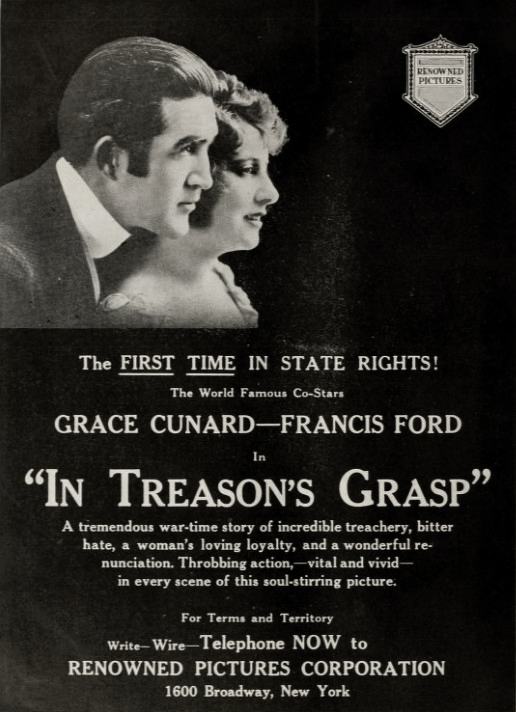
Beyond the individual drama, In Treason's Grasp delves into profound themes that transcend its specific historical context. The most prominent, of course, is betrayal – not just personal, but national. The theft of wartime plans and the framing of an innocent man for treason speak to a deep-seated fear of internal enemies and the fragility of trust during periods of national crisis. This resonates with the anxieties of an era gripped by global conflict, where loyalty and patriotism were paramount. The film serves as a cautionary tale, illustrating how easily personal grievances can be magnified into actions that endanger an entire nation. The moral ambiguity of Molly's position, caught between her love and the truth, offers a complex portrayal of complicity, echoing similar dilemmas found in films like The Captive, where characters are forced to navigate impossible choices under duress.
Another compelling theme is the nature of justice and redemption. Robert's twenty-year sentence, an egregious miscarriage of justice, fuels the audience's desire for his eventual vindication. The film meticulously builds this anticipation, making his eventual release and the triumph of his invention all the more satisfying. But it is Lucille's journey that truly elevates the film's exploration of redemption. Her quest is not for personal gain but for moral rectitude, a selfless act to right a historical wrong. This generational atonement suggests that the sins of the father can indeed be redeemed, not by the perpetrator, but by those who inherit the burden of their actions. It's a powerful statement on accountability and the enduring human capacity for good, even in the face of overwhelming injustice. This echoes narratives in films like Mary Jane's Pa, where familial ties are tested by past secrets and the need for moral reckoning.
The film also subtly touches upon the concept of intellectual property and its exploitation. Ralph's theft of Robert's formula is not just a plot device; it's a commentary on the value of ingenuity and the ethics surrounding its ownership. In an industrializing world, where innovation was key to both personal wealth and national strength, the unauthorized appropriation of intellectual capital would have been a particularly resonant theme. This economic aspect, intertwined with the personal drama, adds another layer of realism and societal relevance to the narrative, making it more than just a simple tale of good versus evil. The struggle over intellectual property and its misuse can be seen in other early films exploring themes of deceit and stolen fortunes, such as Tainted Money or even the intrigue surrounding valuable objects in The Ivory Snuff Box.
While specific production details for films of this vintage can be elusive, In Treason's Grasp undoubtedly contributed to the evolving language of cinema. It belongs to a period of prolific output, where filmmakers were experimenting with narrative structures, character archetypes, and visual techniques that would lay the groundwork for decades of cinematic innovation. The melodrama genre, often maligned in later years, was a vital form for audiences of the time, offering heightened emotions, clear moral lessons, and satisfying resolutions. This film, with its clear delineation of hero and villain, its tragic romance, and its eventual triumph of justice, would have perfectly fit the popular appetite for such dramatic storytelling. It's a reminder that even early cinema was capable of crafting complex, multi-layered narratives that engaged audiences on both an emotional and intellectual level.
The film's exploration of wartime paranoia and the inherent dangers of unchecked ambition remains remarkably prescient. The idea that a trusted partner could become an enemy, driven by jealousy and greed, is a timeless fear. Moreover, the narrative's emphasis on the long-term consequences of actions, particularly the burden placed on future generations, offers a profound ethical lesson. It suggests that true justice often requires an extended period of struggle and that collective responsibility can sometimes fall upon the innocent. In this regard, the film shares a thematic kinship with other dramas that explore the weight of legacy and the pursuit of truth, much like the intricate familial dynamics explored in The Dancing Girl or the struggles of innocent characters caught in larger machinations, as seen in Little Miss Nobody (1917).
Ultimately, In Treason's Grasp is more than just a historical curiosity; it is a powerful piece of early cinematic art that speaks to universal human experiences. Its narrative of betrayal, suffering, and ultimate vindication, propelled by the selfless actions of a daughter seeking to right past wrongs, underscores the enduring appeal of stories where morality is tested and justice, however delayed, eventually prevails. It reminds us that even in the silent era, films possessed a profound capacity to provoke thought, stir emotion, and reflect the societal concerns of their time, leaving an indelible mark on the evolving tapestry of cinematic history.

IMDb 6.2
1923
Community
Log in to comment.