DbcultAccessing Vault...
5.8/10
Senior Film Conservator
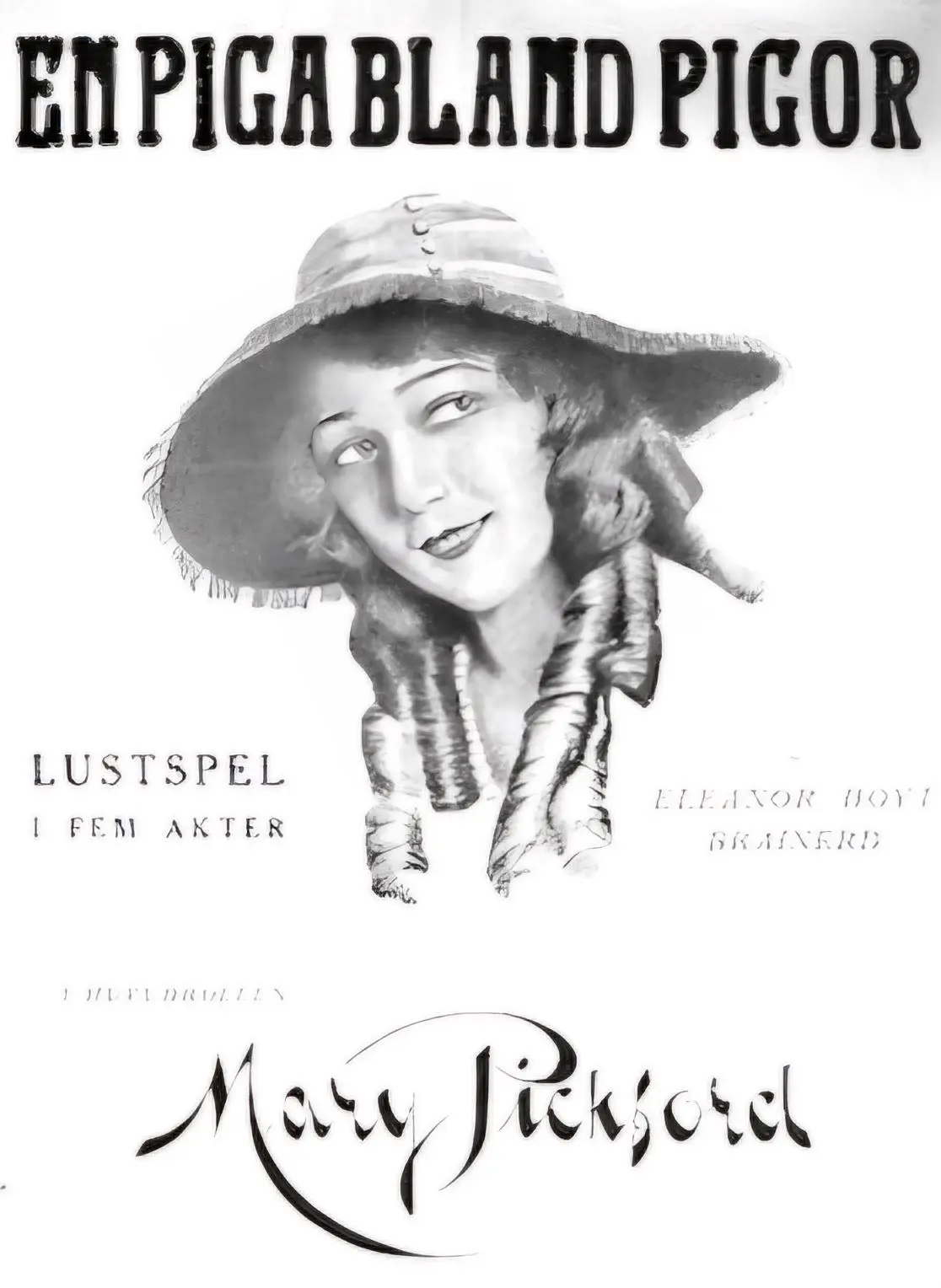
A definitive 5.8/10 rating for a film that redefined the boundaries of cult cinema. En piga bland pigor remains a cornerstone of transgressive art.
Stepping back into the cinematic landscape of the 1920s, especially to the often-overlooked treasures of Swedish silent film, is always an enriching experience. Among these, 'En piga bland pigor' (which translates to 'A Maid Among Maids' or 'A Girl Among Girls'), a compelling drama from 1924, stands as a fascinating artifact of its era, offering more than just a glimpse into past societal norms. It presents a nuanced narrative of female agency, class struggle, and the relentless pursuit of self-actualization, all rendered with the exquisite visual storytelling characteristic of the silent film medium. Directed with a keen eye for human emotion and social commentary, this film, penned by the insightful Carlo Keil-Möller and the pioneering journalist Ester Blenda E. Nordström, transcends its simple plot to deliver a potent message that resonates even today.
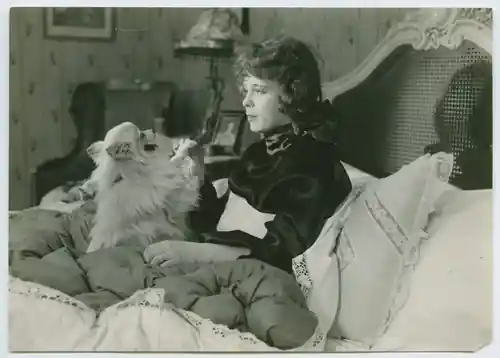
At its core, 'En piga bland pigor' introduces us to Alice, a young woman whose vivacious spirit and desire for genuine joy chafe against the restrictive expectations of her upper-class engagement to Sven. Sven embodies the staid, respectable, and ultimately stifling path society has carved out for her. Their engagement, rather than a union of hearts, feels more like a societal obligation, a preordained trajectory that Alice increasingly finds herself rebelling against. Her gaze, and indeed her very being, is drawn to the magnetic allure of Faustino della Novarro, a character who, though perhaps a fleeting fancy, represents an intoxicating freedom and an uninhibited zest for life that Sven utterly lacks. This attraction isn't merely a romantic dalliance; it's a symbolic yearning for a different kind of existence, one where her laughter isn't measured and her desires aren't suppressed. The ensuing conflict, a predictable but necessary clash between Alice's burgeoning autonomy and Sven's conventional indignation, culminates in the dissolution of their engagement. This pivotal moment, rather than a tragedy, becomes an unexpected liberation, a severing of chains that allows Alice to chart an entirely new course. She trades the suffocating silk of her former life for the rough-hewn practicality of a maid's uniform on a rural farm, a decision that is both a practical necessity and a profound act of self-reinvention. This dramatic shift forms the crux of the film, exploring the transformative power of experience outside one's accustomed social stratum. It's a journey into the unknown, a deliberate shedding of identity to discover a more authentic self, reminiscent in its spirit of breaking free from expectations, though perhaps less overtly scandalous, as seen in films like Diane of the Follies where characters navigate different social worlds.
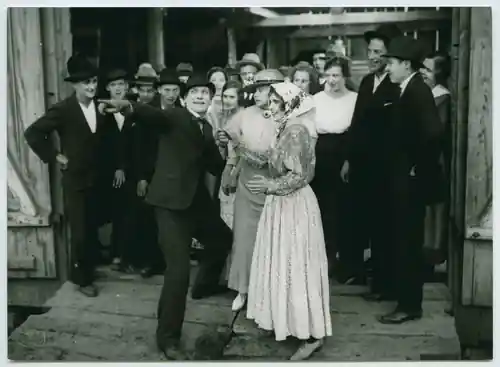
The strength of 'En piga bland pigor' lies not just in its narrative but in its masterful use of the silent film idiom. The film communicates volumes through nuanced facial expressions, deliberate body language, and evocative cinematography. The contrast between the opulent, albeit emotionally sterile, environments of Alice's former life and the rustic, physically demanding setting of the farm is visually striking. The camera lingers on Alice's initial discomfort and gradual adaptation, effectively conveying her internal struggles and eventual resilience. The performances, particularly that of Magda Holm as Alice, are central to the film's success. Holm imbues Alice with a captivating blend of youthful exuberance, vulnerability, and burgeoning strength. Her portrayal allows the audience to fully invest in Alice's journey, from her initial flights of fancy to her determined embrace of a new, harder reality. The supporting cast, including Ragnar Arvedson, Mademoiselle Cahier, Dagmar Carlin, Ella Lennartsson, Gustav Runsten, Georg Blomstedt, Rosa Tillman, Jullan Jonsson, Nils Lundell,
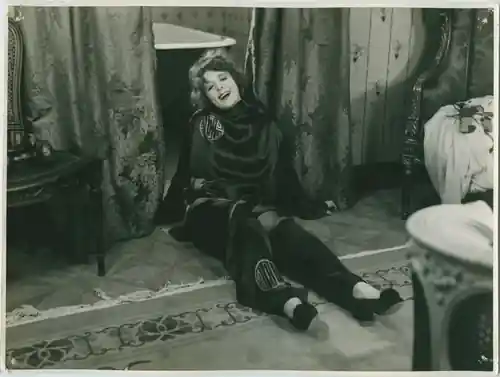
One of the most compelling aspects of 'En piga bland pigor' is its unflinching exploration of class dynamics and the quest for female independence. Alice's journey is not merely a romantic melodrama; it's a social commentary on the rigid stratification of early 20th-century Swedish society. Her descent from the privileged class to the working class is depicted with a surprising lack of judgment, instead highlighting the profound personal growth that accompanies her new circumstances. The farm, initially a place of hardship and unfamiliarity, gradually becomes a crucible for her transformation. Here, away from the superficialities of her former life, Alice learns the value of honest labor, the camaraderie of her fellow maids, and perhaps most importantly, a truer sense of self-worth that isn't dictated by her social standing or marital prospects. This thematic thread of finding freedom and purpose outside traditional societal roles echoes the struggles depicted in films like Salvation Nell, where women often navigate difficult social terrains to forge their own paths.
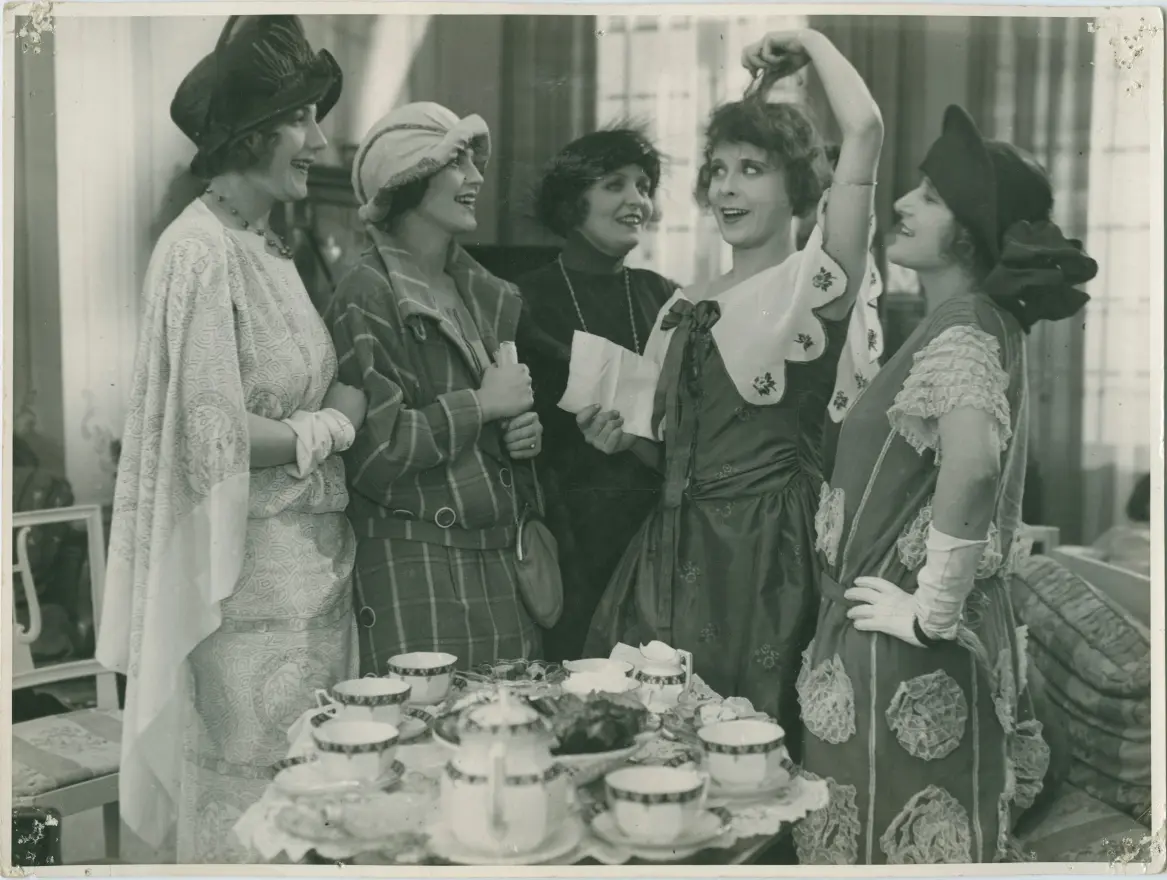
The film subtly questions the notion that happiness is inherently tied to wealth or social status. Alice's initial dissatisfaction, despite her engagement to a seemingly suitable man and her comfortable life, underscores the idea that true contentment stems from authenticity and personal fulfillment. Her experiences on the farm, though physically demanding, offer a different kind of richness – one of genuine connection, purpose, and self-reliance. This narrative arc, where a character sheds a privileged but unfulfilling life for a harder but more authentic one, is a timeless trope, but 'En piga bland pigor' executes it with a refreshing sincerity and a distinctly Nordic sensibility. It's a quiet rebellion against the expectations of a patriarchal society, advocating for a woman's right to choose her own destiny, even if that destiny leads her away from the gilded cage and into the fields.
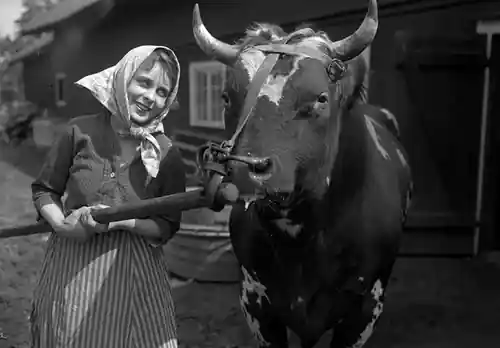
The collaborative genius of Carlo Keil-Möller and Ester Blenda E. Nordström in crafting this narrative cannot be overstated. Nordström, a celebrated investigative journalist, was known for her pioneering work in undercover reporting, famously posing as a farm maid herself to expose the harsh realities of rural labor. This background undoubtedly infused the screenplay with an unparalleled authenticity and a deeply empathetic understanding of Alice's eventual plight. Her personal experience likely lent a gritty realism to the farm sequences, elevating them beyond mere plot devices to a genuine exploration of a different way of life. Keil-Möller, who also took on an acting role in the film, demonstrated a versatile talent, guiding the visual narrative with a sensitivity that allowed the story's emotional weight to shine through. The direction avoids sensationalism, opting instead for a grounded portrayal of Alice's internal and external conflicts. The pacing is deliberate, allowing moments of quiet reflection to underscore the larger dramatic shifts. This thoughtful approach ensures that Alice's transformation feels earned and believable, rather than rushed or contrived. The film's ability to balance social critique with personal drama is a testament to their combined vision, creating a work that is both entertaining and thought-provoking. The film doesn't preach; it simply observes, inviting the audience to draw their own conclusions about class, happiness, and personal freedom. The understated yet powerful storytelling evokes a similar quiet strength found in films that explore individual journeys against societal backdrops, such as The Little Minister, where characters navigate personal convictions within community expectations.
While 'En piga bland pigor' might not be as widely known as some of the more internationally acclaimed silent films, its significance within Swedish cinema, and indeed within the broader context of early feminist narratives in film, is undeniable. It's a film that quietly champions the individual spirit, particularly that of a woman seeking to define her own terms of existence. In an era where female characters were often relegated to roles of romantic interest or tragic figures, Alice's journey offers a refreshing portrayal of resilience and self-determination. Her decision to embrace a life of manual labor, rather than succumbing to a loveless marriage for social standing, is a powerful statement. It's a cinematic precursor to later narratives that would more overtly challenge gender roles and class boundaries, making it a vital piece of cinematic history for those interested in the evolution of social commentary in film.
The film's exploration of urban versus rural life also adds another layer of depth. The city, with its promise of excitement and glamour (represented by Faustino), ultimately proves to be a superficial distraction for Alice. It's in the simplicity and hard work of the countryside that she finds genuine connection and purpose. This isn't to say the film romanticizes rural poverty, but rather highlights the potential for growth and self-discovery that can arise from stripping away societal artifice. It's a poignant reminder that true wealth often lies not in material possessions or social status, but in personal integrity and meaningful labor. This exploration of divergent lifestyles and their impact on character development can be subtly observed in films such as New York Luck, which often juxtaposes different environments to highlight personal journeys.
Furthermore, the film's production quality, from its set design to its costumes, provides an authentic window into 1920s Sweden. The meticulous attention to detail, whether in the grand interiors of Alice's former home or the humble settings of the farm, enhances the viewer's immersion in the narrative. The cinematography, while perhaps not groundbreaking for its time, is competent and effective, using close-ups to convey emotion and wider shots to establish setting and mood. The overall aesthetic contributes significantly to the film's ability to transport the audience to another era, making it not just a story but a historical document. This careful world-building is a hallmark of quality cinema, much like the intricate settings seen in films such as The Marionettes, where the environment plays a crucial role in the narrative.
In conclusion, 'En piga bland pigor' is far more than a simple period piece. It is a thoughtful, emotionally resonant film that uses its silent medium to tell a powerful story of personal growth and societal critique. Alice's journey from a constrained socialite to a self-reliant farm maid is both specific to its time and universally resonant in its themes of freedom, authenticity, and the pursuit of a life truly lived. The film's enduring appeal lies in its empathetic portrayal of a woman daring to defy convention, choosing a path less traveled but ultimately more fulfilling. It's a testament to the enduring power of cinema to reflect and question the human condition, even without the aid of spoken words. For those interested in Swedish film history, the evolution of women's narratives in cinema, or simply a compelling human drama, 'En piga bland pigor' is an essential watch. It's a quiet triumph that continues to speak volumes, reminding us that sometimes, the greatest adventures begin when we shed the expectations of others and bravely step into the unknown. The film's nuanced character development and its exploration of societal pressures make it a valuable piece for comparison with other historical dramas focusing on individual agency, such as Um eines Weibes Ehre or even the more adventurous spirit in The Mutiny of the Elsinore, albeit in very different contexts. It is a film that rewards attentive viewing, revealing layers of meaning with each passing frame, solidifying its place as a significant contribution to the cinematic canon.
IMDb —
1918
Community
Log in to comment.