DbcultAccessing Vault...
5.7/10
Senior Film Conservator
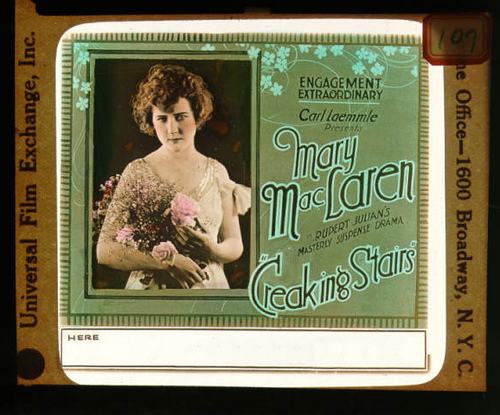
A definitive 5.7/10 rating for a film that redefined the boundaries of cult cinema. Creaking Stairs remains a cornerstone of transgressive art.
In the annals of silent cinema, where shadows danced and emotions were writ large across the silver screen, certain films emerge not just as historical artifacts but as resonant narratives that speak to the timeless anxieties of the human condition. Rupert Julian's 1924 domestic thriller, 'Creaking Stairs,' is undeniably one such work. It is a film that, despite its sepia-toned origins and the inherent limitations of its medium, crafts a narrative of burgeoning love, shadowed pasts, and a sudden, macabre descent into desperation with an almost surgical precision. The very title itself, evocative and unsettling, hints at the gradual, inexorable unraveling of a carefully constructed facade, a slow-motion catastrophe played out within the confines of a seemingly ordinary home. It’s a testament to the power of early filmmaking that such a simple premise could be imbued with such palpable tension, drawing the audience into a web of deceit and fear that feels remarkably modern in its psychological underpinnings.
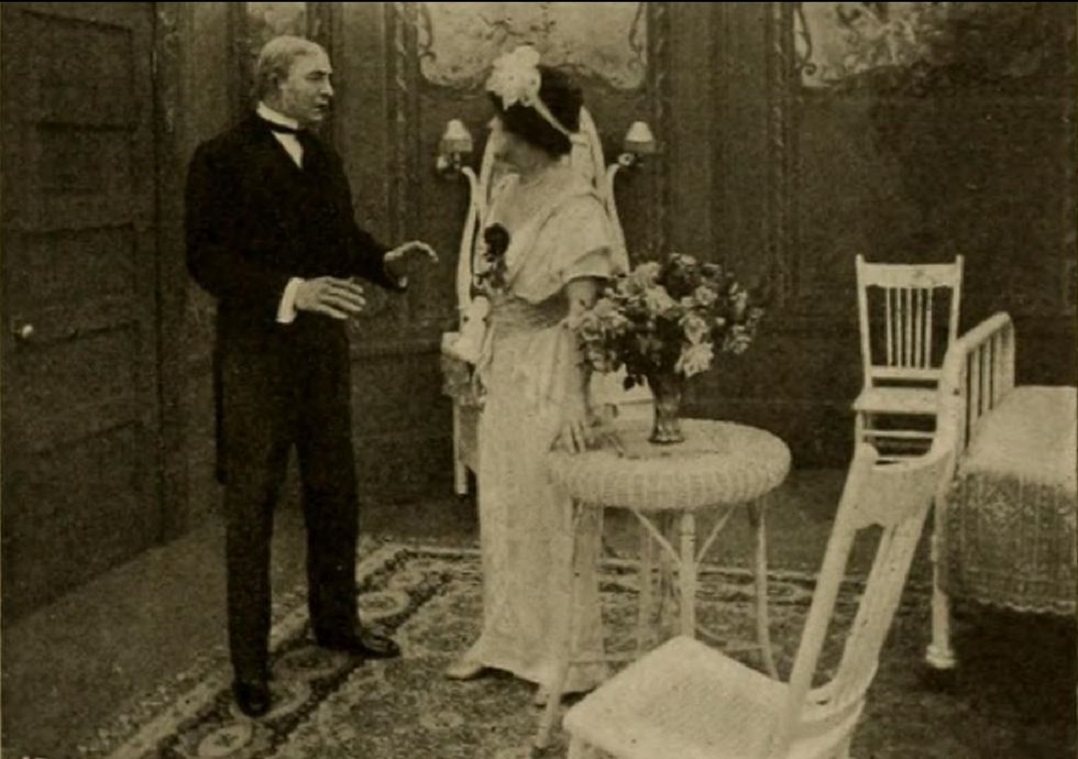
The film introduces us to Dearie Lane, portrayed with a compelling blend of vulnerability and resolve by Mary MacLaren, a woman whose heart yearns for the stability and affection offered by Fred Millard (Jack Mulhall). Their courtship, however, is not a straightforward path to matrimonial bliss. Dearie carries a secret, a heavy burden from a past liaison with the disreputable Mark Winfield, a shadow that she believes renders her unworthy of Fred's untainted love. This initial dilemma sets the stage for the entire drama, highlighting the societal pressures and moral codes prevalent in the era, where a woman's past could irrevocably define her future. Her reluctance to accept Fred's proposal is not born of indifference, but a profound fear of judgment and a desire to protect him from the perceived stain of her history. It's a poignant portrayal of a woman grappling with her perceived imperfections, a theme that resonates deeply and establishes Dearie as a character of considerable internal complexity. This exploration of a woman's past impacting her present and future echoes themes found in other melodramas of the era, such as Without Honor, where characters frequently contend with the weight of societal expectations and personal histories that threaten to derail their aspirations for happiness. The film, from its very outset, promises a journey into the moral quandaries of its protagonist, a promise it meticulously fulfills.
Fred Millard, in a gesture that speaks volumes of his character and the strength of his affection, forgives Dearie, accepting her past without condemnation. This act of grace allows them to marry, building a modest home and, for a fleeting period, enjoying a seemingly idyllic existence. This segment of the film is crucial, establishing the domestic tranquility that will soon be shattered, making the subsequent events all the more jarring and tragic. The early scenes of their married life, though brief, are designed to create an emotional baseline, a sense of what is at stake. The audience is invited to invest in their happiness, to believe in the possibility of overcoming past transgressions through love and understanding. Jack Mulhall's portrayal of Fred is earnest and compassionate, making his later descent into suspicion and rage all the more impactful. He represents the ideal husband, understanding and forgiving, which makes Dearie's subsequent actions, driven by fear of losing this very understanding, a tragic irony. This delicate balance of initial happiness followed by an external threat is a common trope in silent era dramas, often used to amplify the stakes, as seen in the domestic intricacies of films like Other Men's Daughters, where external forces or hidden pasts similarly disrupt marital harmony. The film masterfully builds up this sense of peace only to dismantle it with ruthless efficiency.
The arrival of Mark Winfield, played by Herbert Prior, is the catalyst that plunges Dearie’s world into chaos. Winfield, revealed to be their landlord, appears not as a spectral figure from the past, but as a tangible, pressing threat, demanding delinquent payment. His presence alone is enough to rekindle Dearie’s anxieties, but it is his sudden, inexplicable death that transforms the film from a domestic drama into a chilling thriller. The sheer abruptness of his demise is a masterful stroke of screenwriting, instantly escalating the tension from psychological unease to outright panic. There's no time for deliberation, no slow build-up to the macabre; Winfield simply falls, a lifeless heap, leaving Dearie stranded in a nightmare of her own making. The camera, one can imagine, would linger on Dearie’s face in these moments, capturing the dawning horror and the frantic calculations of a woman trapped. This sudden, shocking turn of events is reminiscent of the kind of unexpected twists that characterized many early thrillers, where the narrative pivots on an unforeseen tragedy, much like the dramatic reversals in films such as A Crooked Romance, which often relied on sudden plot developments to propel the story forward. The film doesn't just present a problem; it presents an immediate, overwhelming crisis.
Dearie’s immediate reaction is not to seek help or explain, but to conceal. Her fear that Fred, despite his earlier forgiveness, would never comprehend the bizarre circumstances of Winfield’s death, or worse, suspect her of foul play, drives her to a desperate, ill-conceived plan. She enlists the reluctant aid of her boarder and cook, creating a conspiratorial trio bound by a shared, terrible secret. The act of hiding the body is depicted with a visceral sense of urgency and dread. This sequence is the narrative heart of the film's suspense, a masterclass in silent film tension. The decision to involve others, rather than mitigating her burden, only magnifies the scope of the deception, creating additional layers of complicity and potential exposure. The silent film medium, with its reliance on visual storytelling and exaggerated gestures, would have excelled in conveying the furtive movements, the wide-eyed terror, and the sheer physical exertion of these characters attempting to dispose of a corpse. The scene would have been punctuated by the dramatic use of light and shadow, emphasizing the clandestine nature of their grim task.
The titular 'creaking stairs' become more than just a architectural feature; they transform into a character in their own right, an auditory manifestation of Dearie’s escalating guilt and the imminent threat of discovery. At the stroke of midnight, as the trio laboriously transport Winfield’s body down to the countryside, each groan and shudder of the old wooden stairs becomes a hammer blow, not just to the silence of the night, but to Dearie’s dwindling hope of secrecy. And, inevitably, the sound reaches Fred. His awakening, his ears straining against the darkness, signifies the beginning of the end for Dearie’s desperate charade. The creaking stairs are a brilliant narrative device, simple yet profoundly effective, symbolizing the inescapable consequences of their actions and the way hidden truths inevitably make noise. This moment of auditory suspense is a classic example of how silent films, despite lacking dialogue, could manipulate sound (or the suggestion of it) to create profound dramatic impact. It's a tension-building technique that finds parallels in any film where a single, seemingly innocuous sound can betray a clandestine act, creating a feeling of impending doom for the audience. The slow, deliberate pace of the body's descent, punctuated by the escalating creaks, would have been agonizingly effective in its time, a testament to Julian's directorial prowess in building suspense without a single spoken word.
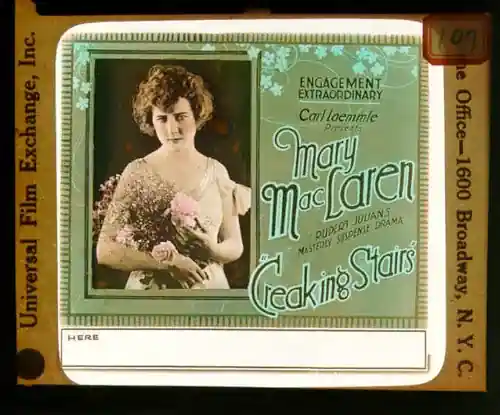
The discovery of Winfield’s body by the police is merely a procedural formality; the real drama unfolds within the Millard home as Fred’s suspicions begin to solidify. His initial unease, sparked by the midnight creaks, morphs into a cold, hard certainty with a series of damning discoveries. First, Winfield’s hat, a forgotten relic of his fatal visit, tucked conspicuously beneath a couch – a seemingly minor detail that becomes a monumental piece of evidence in Fred’s mind. Then, the ultimate betrayal: Dearie’s private trunk, a sanctuary of personal secrets, yields a cache of fancy clothes, gifts from Winfield. These garments, symbols of her past, now stand as irrefutable proof, in Fred’s eyes, of her continued, clandestine connection to the deceased. The visual impact of these discoveries would have been immense in a silent film, with close-ups on Fred’s face as understanding, then fury, washes over him. The juxtaposition of the hat, a mundane object, with the extravagant clothes, representing a life of indulgence, paints a vivid picture of Dearie’s dual existence and the deception she has perpetrated. This unraveling of trust through a series of physical clues is a classic device in mystery and suspense, a narrative structure that keeps the audience engaged in Fred's detective work, much like the meticulous piecing together of evidence in early detective serials. The film expertly uses these objects as silent witnesses, each one a nail hammered into the coffin of Dearie's fragile domestic peace.
Fred’s reaction is primal, visceral. The man who once forgave Dearie’s past now sees only betrayal, a calculated deceit that has made a fool of him. His fury manifests in a terrifying, almost animalistic rage, culminating in a harrowing scene where he pursues Dearie, ax in hand, relentlessly chopping through the closet door behind which she desperately hides. This sequence is the emotional apex of the film, a stark contrast to the quiet domesticity of their early marriage. It's a powerful depiction of a man utterly consumed by jealousy and a sense of profound betrayal, his actions driven by a primal need for retribution. The visual spectacle of the splintering wood, the desperate pleas of Dearie, and the wild-eyed intensity of Fred would have been truly electrifying for audiences of the era. The scene’s raw intensity, its focus on domestic violence driven by shattered trust, positions 'Creaking Stairs' as a precursor to many later psychological thrillers, where the greatest dangers lurk not in shadowy alleys, but within the walls of one’s own home. The sheer desperation of Dearie, trapped and facing the wrath of the man she loves, is a moment of profound cinematic anguish, a testament to MacLaren’s ability to convey such terror without words. This kind of intense, almost operatic confrontation within a domestic setting finds a thematic resonance in films like The Darling of Paris, where emotional stakes are often escalated to dramatic, life-or-death confrontations, albeit in a different historical context. The ax, a tool of domesticity, is transformed into an instrument of terror, underscoring the perversion of their home life.
In the climactic moments, Dearie, cornered and terrified, finally compels Fred to listen. Her explanation is simple, yet profoundly impactful: Winfield died of a heart attack, and she had kept his fancy clothes not out of lingering affection, but in a misguided attempt to possess items she thought Fred would admire. This eleventh-hour revelation forces both Fred and the audience to re-evaluate everything that has transpired. It shifts the narrative from one of deliberate deceit to one of tragic misunderstanding and desperate, albeit misguided, actions. The film asks us to consider the fine line between truth and perception, and how fear can lead even well-intentioned individuals down a path of profound deception. The ambiguity of her explanation, whether it fully absolves her or merely mitigates her culpability, is left to the audience’s interpretation, a sophisticated narrative choice for its time. This moment of truth, where a character's life hangs on the veracity of their words, is a powerful dramatic device, highlighting the fragility of trust and the often-complex motivations behind human actions. The film doesn't simply resolve; it presents a resolution that forces contemplation, a hallmark of more mature storytelling.
The performances are central to the film’s success. Mary MacLaren, as Dearie, carries the emotional weight of the narrative with remarkable intensity. Her expressions, her body language, and her ability to convey a spectrum of emotions from love and fear to desperate cunning, are a testament to the power of silent film acting. Jack Mulhall’s transformation from the loving husband to the enraged avenger is equally compelling, providing a powerful counterpoint to MacLaren’s more internal performance. The supporting cast, including Lucretia Harris and Clarissa Selwynne, though in less prominent roles, contribute to the sense of a world teetering on the brink of exposure, their complicity in the body disposal scene adding layers of tension. Rupert Julian, as both writer and director (co-written with Evelyn Campbell), demonstrates a keen understanding of suspense and character psychology, crafting a narrative that steadily builds towards its explosive climax. The direction would have relied heavily on visual metaphors, chiaroscuro lighting, and rapid cutting during moments of high tension, all hallmarks of effective silent film storytelling. The film showcases the collaborative genius of its creators in conveying such a complex emotional landscape without the benefit of spoken dialogue.
'Creaking Stairs' stands as a compelling example of how silent cinema could masterfully explore themes of domestic drama, psychological suspense, and moral ambiguity. It delves into the fragility of trust, the burden of a hidden past, and the desperate measures individuals might take when confronted with overwhelming fear. The film's enduring power lies in its ability to tap into universal human emotions – love, fear, jealousy, and the yearning for acceptance – all conveyed through the evocative language of silent film. The metaphorical weight of the 'creaking stairs' itself resonates long after the credits roll, a chilling reminder of how secrets, no matter how deeply buried, often leave tell-tale sounds. It’s a film that, in its quiet intensity, proves that true suspense doesn't require elaborate special effects or booming soundtracks, but rather a profound understanding of human nature and the art of visual storytelling. Its narrative structure, which builds from a quiet domesticity to a sudden, shocking event, then to a frantic cover-up, and finally to a violent confrontation, is a blueprint for countless thrillers that followed. The film's ability to maintain high tension throughout, largely through the internal struggles of its characters and the ever-present threat of discovery, marks it as a significant work in the silent era's contribution to the suspense genre. The psychological depth, even in a silent film, is remarkable, making Dearie's motivations understandable, even if her actions are questionable. This exploration of the human psyche under duress is what elevates 'Creaking Stairs' beyond mere melodrama, cementing its place as a fascinating, if often overlooked, gem of early cinematic history. Its exploration of the domestic sphere as a site of both love and terror is a theme that continues to captivate audiences, a testament to the film's lasting relevance. The film, in essence, is a masterclass in how to convey profound drama and psychological complexity without uttering a single word, relying instead on the nuanced performances and the evocative power of visual narrative, ensuring its place as a compelling and important piece of silent film heritage.
The film’s focus on a woman’s past coming back to haunt her, and the extreme measures taken to protect a new life, can be seen as a commentary on societal expectations of purity and the unforgiving nature of judgment in the early 20th century. Dearie's fear is not just of legal repercussions, but of social ostracization and the loss of her hard-won happiness. This moral quandary, wrapped in a suspenseful package, makes 'Creaking Stairs' more than just a thriller; it's a social commentary. The film offers a glimpse into the anxieties of an era, where reputation could be shattered by a whisper and a past indiscretion could dictate a person's entire future. It's a powerful reminder of the enduring human struggle for acceptance and the lengths to which individuals will go to maintain the illusion of a perfect life. The film's legacy lies not only in its narrative ingenuity but also in its ability to reflect and critique the societal norms of its time, making it a valuable piece for understanding the cultural landscape of the 1920s. Its narrative echoes the dramatic tension found in films like Infidelity, where the hidden truths and personal betrayals form the core of the dramatic conflict, driving the characters to desperate acts. 'Creaking Stairs' is a film that demands rediscovery, a testament to the enduring power of silent cinema to tell profoundly human stories with captivating intensity. It is a work that, through its compelling narrative and evocative imagery, continues to resonate, demonstrating that the whispers of the past, like the creaking of old stairs, can echo through time, demanding to be heard and understood.
IMDb —
1915
Community
Log in to comment.