DbcultAccessing Vault...
Cult Review
Senior Film Conservator
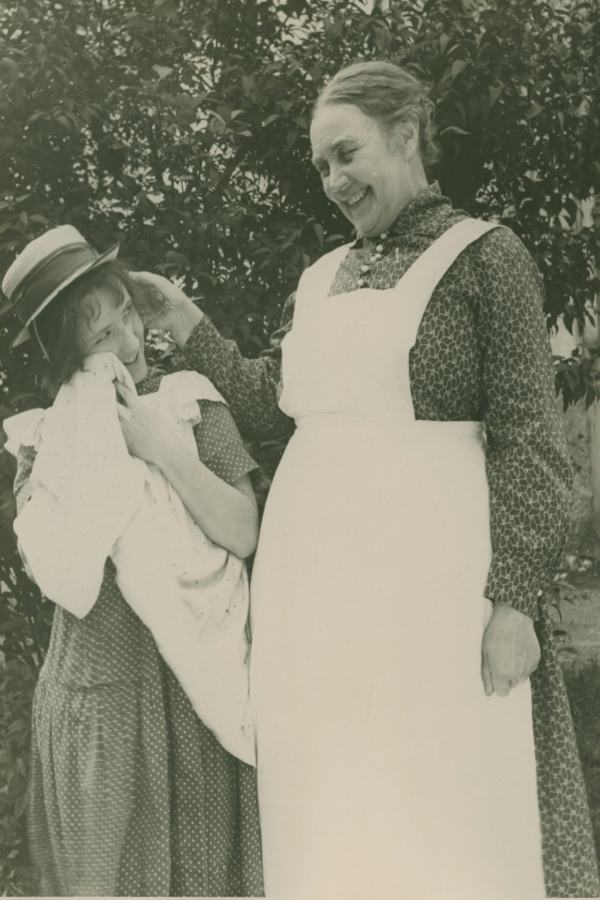
Stepping into the annals of early cinema, particularly the vibrant, often overlooked corners of Nordic film history, one occasionally unearths a true marvel. Such is the case with En rackarunge, a 1923 Swedish silent film that, despite its age, resonates with an astonishing freshness and an almost prophetic glimpse into character archetypes that would define children's literature and film for decades to come. Penned by the formidable Ester Blenda E. Nordström, whose own life was a testament to independence and adventurous spirit, the film introduces us to a character so vivacious, so utterly uncontainable, that she immediately draws comparisons to a certain red-haired, super-strong literary icon who would burst onto the scene years later.
At its core, En rackarunge is a celebration of childhood, not as an idyllic, sanitized phase, but as a crucible of boundless energy, curiosity, and an inherent, often hilarious, disregard for convention. The film's unnamed protagonist, brought to life with captivating energy by Ellen Ädelstam, is a mischievous little girl whose every action is a ripple in the calm pond of adult order. She is a force of nature, a pint-sized whirlwind of pranks and playful rebellion that, rather than alienating, endears her to the audience. Ädelstam's portrayal is a masterclass in silent film acting; her expressive face and animated physicality convey a world of inner life without uttering a single word.
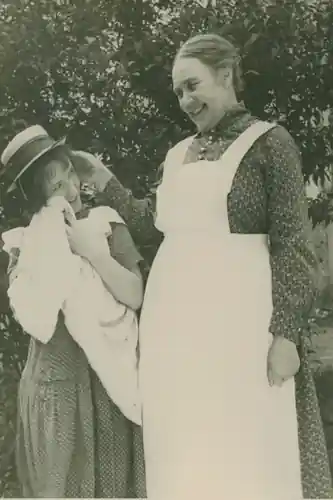
This character, a veritable whirlwind of chaotic charm, is far from a mere nuisance. Her mischief, whether it's disrupting a somber adult gathering or orchestrating a comical escape from a perceived injustice, always stems from a place of innocent logic, a child's understanding of fairness, or simply an unadulterated zest for life. She doesn't seek to harm; she seeks to engage, to challenge, and perhaps, to alleviate the stifling seriousness that often pervades the adult world. In this sense, she is a liberator, albeit an unwitting one, forcing those around her to confront their own rigidities.
It is impossible to discuss En rackarunge without acknowledging the striking parallels to Astrid Lindgren's iconic Pippi Longstocking. While the film predates Lindgren's books by decades, the spirit of Ädelstam's character is undeniably Pippi-esque. Both are independent, resourceful, and utterly defiant of adult authority, operating on their own unique moral compasses. They embody a fantasy of childhood autonomy, a dream of living life on one's own terms, free from the constraints of grown-up rules and expectations. This makes En rackarunge not just a delightful watch, but a fascinating historical artifact, showcasing how certain archetypes of female strength and independence were already bubbling to the surface in early 20th-century Scandinavian storytelling.
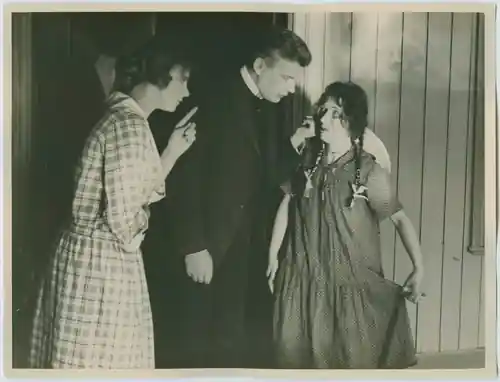
The film's exploration of a child's perspective, unburdened by the weight of adult concerns, offers a refreshing contrast to some of its cinematic contemporaries. For instance, while a film like Sperduti nel buio delves into the melancholic plight of a blind girl navigating a harsh world, En rackarunge opts for a more buoyant, albeit still insightful, examination of childhood resilience. Here, the challenges are less existential and more about navigating the social landscape with a mischievous grin. Similarly, one might contrast the protagonist's robust spirit with the more somber fate often depicted for female characters in films like The Sacrifice of Pauline or La malchanceuse, where women are often victims of circumstance or societal pressures. Our 'rackarunge' is anything but a victim; she is an agent of her own, albeit small, destiny.
Beyond its central character, En rackarunge offers a fascinating window into early 20th-century Swedish life. The settings, whether quaint rural landscapes or the interiors of bustling homes, are rendered with an authenticity that transports the viewer. The film's production values, while modest by today's standards, demonstrate a keen understanding of visual storytelling inherent in the silent era. The pacing is deliberate, allowing moments of quiet observation to intersperse with bursts of comedic action, a rhythm that feels both natural and engaging.

The supporting cast, featuring talents like Torsten Lennartsson, Aina Bergström, and John Norrman, provide excellent foils to Ädelstam's effervescent performance. They embody the various shades of adult reaction to the child's antics – from exasperated frustration to grudging amusement, and occasionally, a flicker of genuine fondness. These interactions are key to the film's charm, highlighting the universal dynamic between youthful exuberance and adult attempts at control. It's a dance as old as time, played out here with a particular Swedish sensibility.
Ester Blenda E. Nordström's writing shines through, not just in the characterization of the protagonist, but in the crafting of situations that are both humorous and subtly insightful. Her background as a journalist and adventurer undoubtedly informed her ability to create a character who is unafraid to challenge norms and explore the world on her own terms. This spirit of independent inquiry is palpable throughout the narrative, making the film feel remarkably progressive for its time. It champions a certain kind of spirited self-reliance that was perhaps less commonly celebrated in the cinema of the era, which often leaned towards more conventional portrayals of childhood innocence or moral instruction.

While undeniably lighthearted, En rackarunge isn't devoid of deeper thematic resonance. It subtly questions the very nature of 'good' and 'bad' behavior, suggesting that what adults perceive as naughtiness might simply be a child's unadulterated expression of vitality. The film encourages viewers to look beyond superficial transgressions and appreciate the underlying spirit of joy and curiosity. This is a film that implicitly argues for a more understanding, less rigid approach to child-rearing, advocating for space for children to be, well, children.
The film's humor, often physical and situation-based, is universally understandable, transcending the language barrier of silent cinema. The comedic timing, particularly from Ädelstam, is impeccable, eliciting genuine chuckles even a century later. This timeless quality of its humor is a testament to the universal appeal of a child's mischievous nature. In an era where many films aimed for grand melodrama or stark realism, En rackarunge confidently carved out its niche as a delightful, life-affirming comedy.
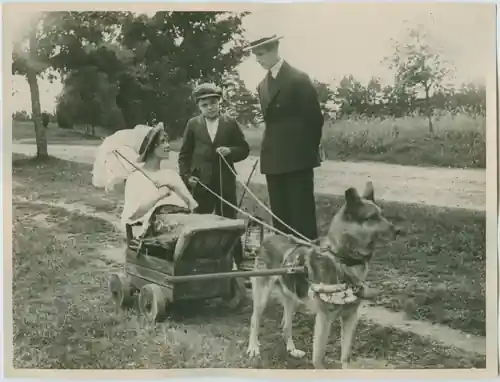
Comparing it to other films of the period, one might find interesting parallels in the exploration of character. While The Grouch, for instance, might focus on the transformation of a curmudgeonly adult, En rackarunge celebrates the unchanging, infectious spirit of a child who, through her very being, subtly transforms the world around her. She doesn't need to change; the world needs to adjust to her. This inversion of the typical character arc is another element that makes the film feel remarkably modern.
En rackarunge may not be as widely known as some of its contemporary blockbusters, but its significance lies in its unique contribution to the portrayal of childhood in cinema. It's a film that, perhaps unintentionally, laid groundwork for future generations of creators to explore the untamed spirit of youth. It reminds us that long before the advent of sound and color, filmmakers were already crafting narratives rich in character and universal appeal.
For cinephiles and enthusiasts of early European cinema, discovering En rackarunge is akin to finding a hidden treasure. It offers not just historical insight but genuine entertainment, a testament to the enduring power of simple, well-told stories centered around compelling characters. The film's cheerful defiance of cinematic conventions of its time, its embrace of a female protagonist who is powerful in her own unique way, sets it apart.
In an era dominated by dramatic narratives and often moralizing tales, En rackarunge stands out as a beacon of pure, unadulterated joy and spirited rebellion. It's a film that encourages us to embrace the playful, the unconventional, and the utterly charming chaos that a truly free spirit can bring into the world. It’s a compelling reminder that sometimes, the most profound statements are made with a mischievous twinkle in the eye and a playful disregard for the rules.
Ultimately, En rackarunge is more than just a historical curiosity; it's a vibrant, engaging piece of cinematic art that speaks to the timeless appeal of childhood innocence and the enduring power of a personality too big to be contained. It’s a delightful journey back in time, offering laughter, warmth, and a subtle nod to the enduring spirit of independent thought, all wrapped up in the charming antics of a truly unforgettable little girl. It deserves its place in the spotlight, not just for its historical value, but for its sheer, undeniable entertainment factor. A truly golden age gem.
IMDb 5
1914
Community
Log in to comment.