DbcultAccessing Vault...
Cult Review
Senior Film Conservator
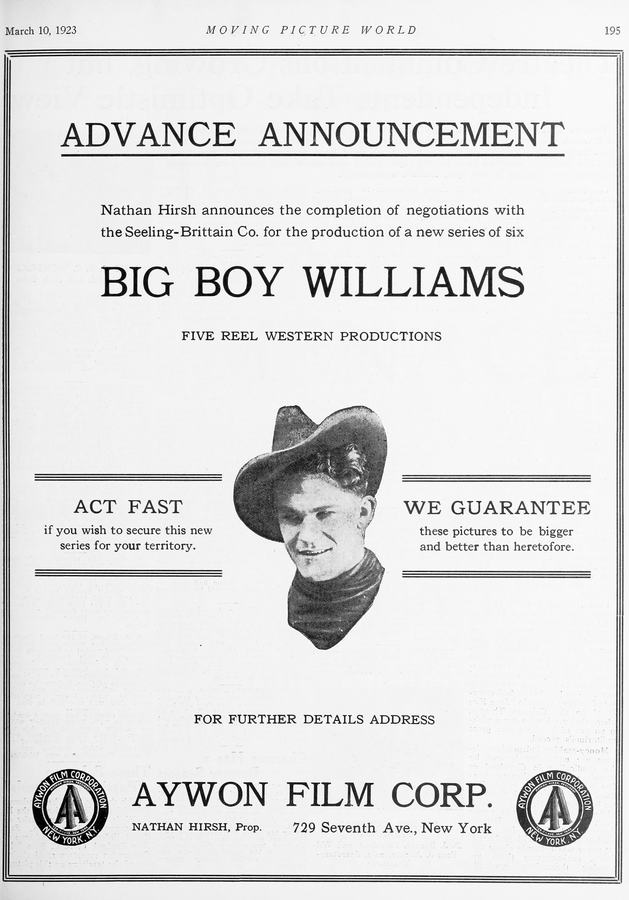
There's a certain raw, untamed energy that emanates from the golden age of the Western, a genre that, despite its often formulaic structure, managed to capture the expansive spirit and brutal realities of a nascent nation. 'End of the Rope', a film that might otherwise be lost in the vast cinematic prairie of its era, emerges as a surprisingly robust and thematically resonant entry, largely propelled by the formidable presence of Guinn 'Big Boy' Williams. This isn't just another tale of good versus evil under a big sky; it's a stark, almost existential exploration of identity, justice, and the relentless pursuit of truth when all odds are stacked against you.
Williams, an actor whose very moniker suggests a certain larger-than-life quality, delivers a performance here that is both physically imposing and subtly nuanced. As Jim 'Rope' Randall, he embodies the archetype of the stoic, wronged man with a quiet intensity that speaks volumes. His eyes, often narrowed against the harsh glare of the desert sun, convey a deep reservoir of resilience and an unspoken determination. It's a portrayal that transcends mere physicality, delving into the psychological toll of being falsely accused and the desperate fight for one's very existence. One can sense the weight of the world on his shoulders, the palpable frustration of being misunderstood, yet never a flicker of surrender. His performance anchors the film, preventing it from devolving into a mere chase narrative and elevating it to a character study of a man pushed to his absolute limits.
The plot, though ostensibly straightforward, is rich with the kind of moral ambiguity that often elevates a genre piece. Randall's arrival in Redemption isn't merely coincidental; it feels predestined, a collision course with the town's entrenched corruption. Silas Blackwood, the film's antagonist, is drawn with broad strokes of villainy, yet his power feels chillingly real, a reflection of the unchecked authority that could fester in isolated communities. The script, while not revolutionary in its structure, excels in building suspense, meticulously tightening the noose around Randall's neck, both literally and figuratively. The false evidence, the biased lawman, the whispering townsfolk – each element contributes to a suffocating atmosphere of injustice that Randall must navigate. This deliberate pacing allows the audience to fully immerse themselves in Randall's predicament, feeling the urgency of his quest for exoneration.
The cinematography, for its time, is remarkably effective in conveying the vastness and unforgiving nature of the Western landscape. Wide shots of galloping horses against an endless horizon, dusty streets baking under a relentless sun, and the stark, angular shadows cast by barren hillsides all contribute to the film's atmospheric weight. The visual aesthetic is unpretentious, yet powerful, using the natural environment not just as a backdrop, but as an active participant in the drama. The landscape mirrors Randall's own isolation and the monumental task before him. There's a particular sequence where Randall, on the run, traverses a particularly desolate stretch of desert, the camera lingering on his solitary figure, emphasizing his vulnerability and the sheer scale of the wilderness that offers both refuge and peril. This approach to visual storytelling lends an authenticity that many contemporary films often miss, preferring elaborate sets over the raw power of nature itself.
'End of the Rope' isn't content with merely being a thrilling adventure; it delves into profound thematic territory. The central struggle for justice against an overwhelming tide of corruption is timeless. Randall's journey is one of redemption, not in the spiritual sense of atoning for past sins, but in the societal sense of reclaiming his good name and proving his worth. It speaks to the fundamental human need for fairness and the devastating impact of its absence. The film subtly critiques the ease with which a community can be swayed by powerful interests, highlighting the fragility of truth when confronted by fear and greed. This thematic depth sets it apart from more simplistic Westerns, offering a more nuanced perspective on morality in the frontier. The film's resolution, while satisfying, doesn't gloss over the scars left by such an ordeal, suggesting that true vindication often comes at a steep personal cost.
When placed alongside its contemporaries, 'End of the Rope' reveals its strengths and its subtle influences. While it lacks the overt melodramatic flourish of something like Rose Bernd, it shares a similar commitment to exploring individual suffering against a backdrop of societal judgment. The relentless pursuit of the protagonist by an unjust system echoes the tension found in crime thrillers like The Drug Traffic, albeit in a vastly different setting. Guinn 'Big Boy' Williams's portrayal of a man fighting for his name also brings to mind the determined heroism seen in films such as Fighting for Love, though 'End of the Rope' imbues its struggle with a more profound sense of existential threat. The film's depiction of a close-knit, yet easily manipulated, town offers a stark contrast to the more lighthearted community dynamics often presented in comedies like Meet My Husband, underscoring the darker aspects of human nature that can emerge in isolated environments.
Comparatively, the film's embrace of classic Western tropes, such as the lone rider and the showdown, aligns it with genre staples like Colorado. However, 'End of the Rope' distinguishes itself through its heightened focus on the psychological torment of the protagonist rather than just external action. It eschews the whimsical elements sometimes found in other films of the era, such as the fantastical mystery of The Ghost House, opting instead for a grounded, gritty realism that makes Randall's plight all the more compelling. There's a certain unvarnished quality to its storytelling that feels more akin to the stark character studies one might find in films like The Hater of Men, albeit translated through the lens of a frontier drama. While it doesn't possess the overt political undertones of a film like Extravagance (1919), 'End of the Rope' subtly comments on power structures and the abuse of authority, a theme that resonates across different genres and eras.
The film's exploration of being an 'outsider' or 'out of place' is a recurrent motif, much like the title of Out of Place suggests, as Randall navigates a town that views him with suspicion and hostility. His struggle to clear his name is not just a legal battle but a fight for acceptance and belonging. The narrative's tight focus on the central conflict, without diverting into extraneous subplots, gives it a lean, efficient quality that some other films of the period, which sometimes meandered, could learn from. While not a spy thriller like Haldane of the Secret Service, 'End of the Rope' certainly employs elements of detection and intricate plotting as Randall pieces together the truth behind his framing. The film's character dynamics, particularly the interplay between the 'tamer' elements of civilization and the 'wilder' aspects of the frontier spirit, could be seen as an antecedent to the explorations in The Tamer, the Wilder, albeit in a more direct conflict rather than a psychological study. The film avoids the more overtly sentimental or comedic tones of features such as Mary's Lamb or the societal pressures often depicted in The Garter Girl, choosing instead a path of stark realism and unyielding determination.
While 'End of the Rope' might not command the same immediate recognition as some Hollywood blockbusters of its era, its enduring appeal lies in its honest depiction of a man's struggle against overwhelming odds. It's a testament to the power of a compelling narrative and a strong central performance. The film serves as a reminder that even within the confines of a genre that could sometimes be predictable, there was room for nuanced storytelling and powerful thematic exploration. It solidifies Guinn 'Big Boy' Williams's place as a memorable figure in Western cinema, showcasing his ability to imbue his characters with both rugged strength and a vulnerable humanity. This is a film that deserves to be rediscovered, not just as a historical artifact, but as a vibrant piece of storytelling that continues to resonate with its timeless themes of justice, perseverance, and the indomitable human spirit.
The uncredited writers, whoever they may have been, crafted a narrative that, while perhaps adhering to certain genre conventions, managed to inject a palpable sense of urgency and emotional depth. They understood the power of a simple, yet profound, premise and allowed Williams's performance to carry much of the story's emotional weight. The script avoids overly verbose dialogue, favoring action and visual cues to advance the plot and reveal character, a hallmark of effective early sound cinema. This efficiency in storytelling ensures that the film never drags, maintaining a brisk pace that keeps the audience invested in Randall's fate until the very last frame. It’s a compelling example of how a well-executed Western, even without the grand budgets or star power of later productions, can achieve a lasting impact through sincerity and a keen understanding of its core narrative.
IMDb 5.2
1932
Community
Log in to comment.