DbcultAccessing Vault...
5.4/10
Senior Film Conservator

A definitive 5.4/10 rating for a film that redefined the boundaries of cult cinema. The Winning of Sally Temple remains a cornerstone of transgressive art.
A nitrate fog of footlights and fistfights, The Winning of Sally Temple arrives like a thrown gauntlet from 1917, daring modern viewers to dismiss silent cinema as delicate china. It is, instead, a baroque tankard of porter—smoky, frothing, liable to leave your sensibilities reeling.
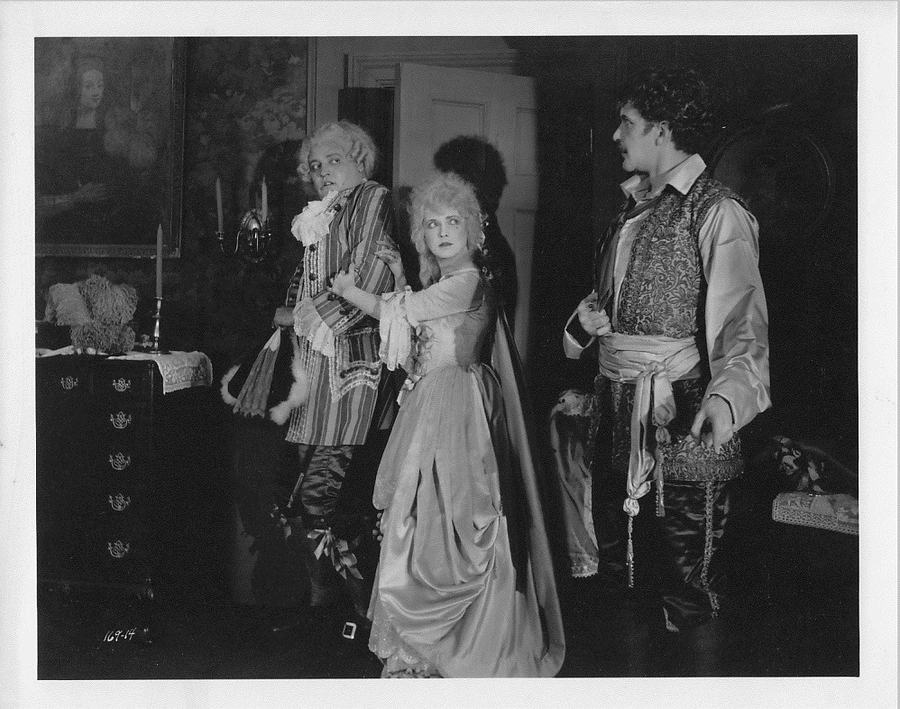
Rupert Sargent Holland and Harvey F. Thew lace their scenario with Jacobean disguises, then whip it into a Georgian romp. Note the symmetry: actress becomes lady; lord becomes laborer; oppressed tenantry becomes sovereign commune. Every reversal is a stiletto jab at Britain’s calcified hierarchy. When Sally swaps her threadbare cloak for Pamela’s embroidered mantle, the costume-change is filmed in a single, unbroken shot—her silhouette dissolving behind a Chinese screen, re-emerging like a butterfly shedding chrysalis. The camera does not cut; it inhales.
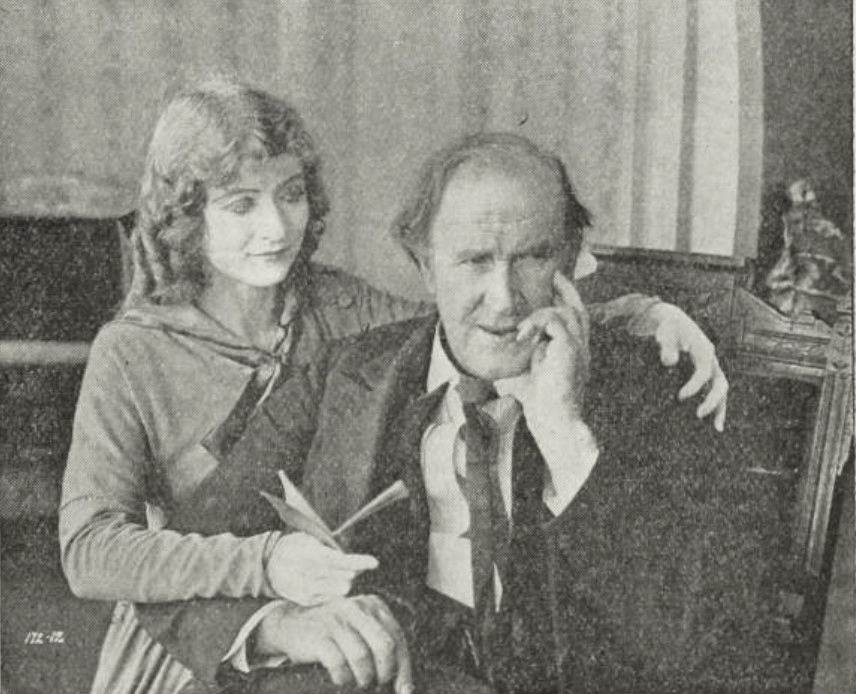
Fannie Ward—nicknamed “The Girl with the Million Dollar Smile” long before insurance on a face was thinkable—imbues Sally with mercurial ardor. Watch her eyes during the boudoir imprisonment: they toggle between stage-flash and animal panic, a stroboscope of terror. Opposite her, Jack Dean’s Romsey channels a Byronic cocktail of entitlement and sudden, disarming tenderness; the moment he rips his cravat, revealing the hollow of his throat to Sally’s contempt, feels almost indecently intimate. Eugene Pallette, as Jellitt, provides granite-comic ballast—his torso like a cathedral buttress, his timing as precise as a metronome.
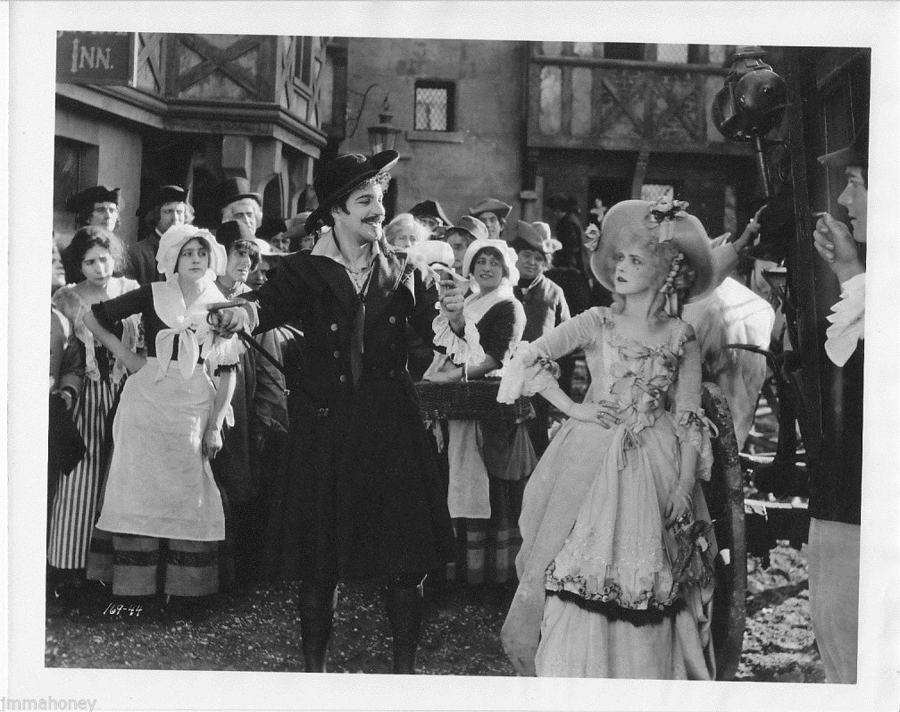
Director Paul Weigel (also essaying the dastardly Duke) paints chiaroscuro with hand-tinted nitrate. Candle-glow flickers in umber, while Sally’s first entrance on stage is bathed in a hallucinatory cobalt, as though moonlight itself has curtsied. Intertitles—lettered in an angular Arts-and-Crafts font—flicker yellow for comedy, crimson for danger, sea-blue for yearning. The palette is not mere ornament; it is a semiotic Morse code.
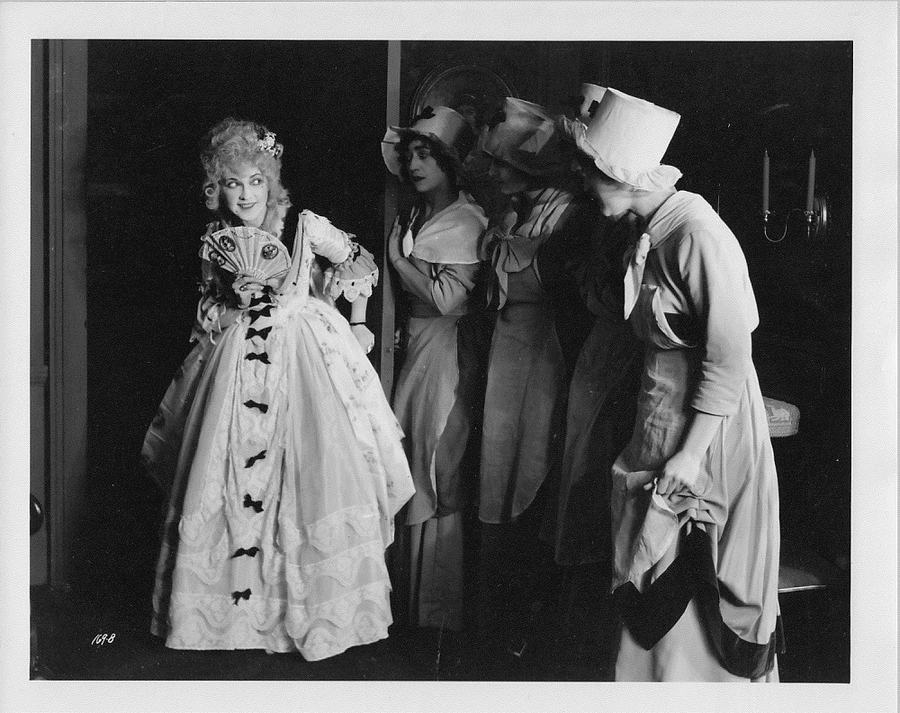
Holland’s narrative is a stealth-feminist grenade. Sally’s body is the contested battlefield, yet her wit commandeers the artillery. When Romsey locks her in, the key turns with a metallic shriek that reverberates across a century of #MeToo headlines. Her escape is not through masculine rescue but through coalition: she negotiates safe-passage with the coachman, barters her earrings for speed, and drafts Jellitt as ally rather than savior.

Stack this against Fürst Seppl’s alpine class satire or Sweet Kitty Bellairs’ regency flirtations: all three vivisect feudal residue, yet Sally Temple alone grants its heroine proprietary deed to the narrative real estate. Where Ingeborg Holm drowns in systemic despair, this film pirouettes on the knife-edge between despair and delirious hope.
The reels unspool like a concerto: allegro coach-chase, andante of burgeoning respect, presto finale where torches gutter against velvet night. Note the absence of filler—each vignette is a domino meticulously aligned. Even the comic interlude of Romsey shoeing a horse reverberates later when he must ride bareback to Sally’s rescue, sparks cascading from the iron like comets.
Original cue sheets called for Mendelssohn-esque strings, yet many nickelodeons improvised ragtime. I recommend a contemporary viewing with live cello: the guttural tremolo underscores Sally’s tremulous breathlessness during her escape, while a sudden pizzicato mirrors the snap of Romsey’s fractured pride. Silence, when deployed, is scalpel-sharp—four seconds of black-screen between Sally’s abduction and the rescue party’s mobilization feel like asphyxiation.
Long presumed lost, a 35mm Dutch print surfaced in a Haarlem attic in 1998; the Nederlands Filmmuseum struck a lavender-tinted restoration. Streams occasionally on Criterion Channel under the Silent Rebellions collection, paired with The Long Chance. Blu-ray remains elusive, though boutique label rumours swirl like cigar smoke at a Fenian gambling den.
The Winning of Sally Temple is no quaint curio; it is a gauntlet thrown at every costume drama content to luxuriate in bustles and bodice-ripping without interrogating who laces whom. It wins your heart, then has the audacity to hand you the deed. Walk arm-in-arm with it into the flicker of your nearest screen; emerge blinking, electrified, ready to burn a landlord’s eviction notice by the glow of the projector bulb.
IMDb 5.7
1936
Community
Log in to comment.