DbcultAccessing Vault...
5/10
Senior Film Conservator
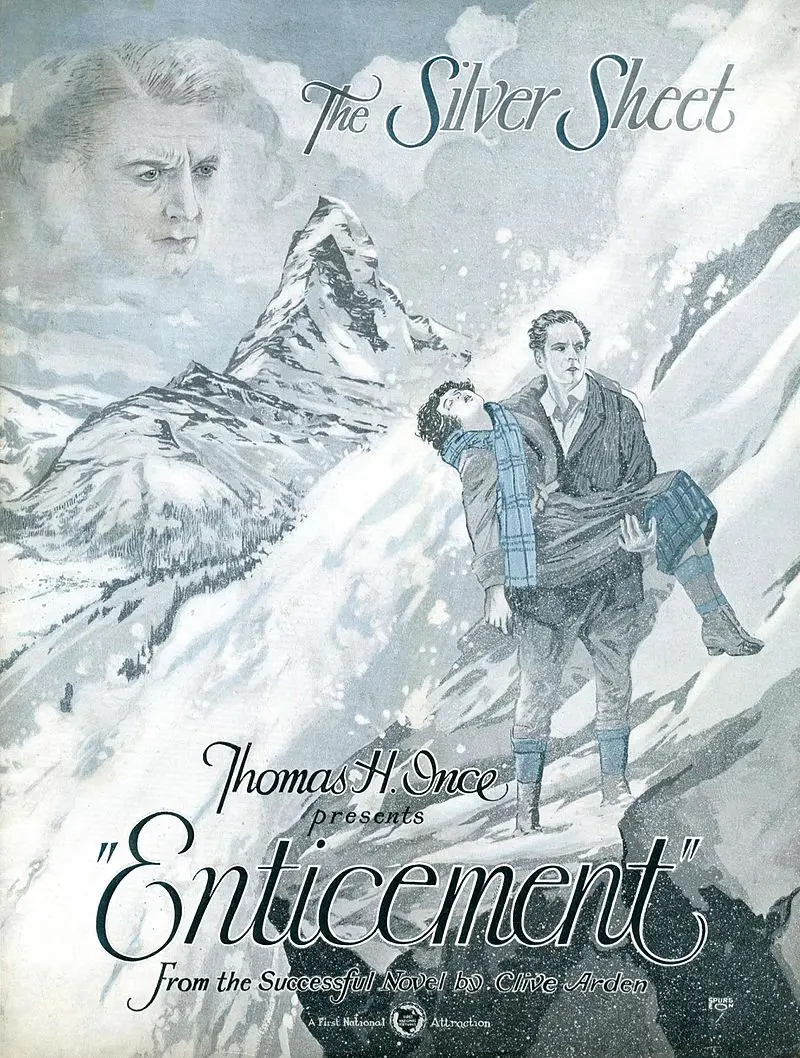
A definitive 5/10 rating for a film that redefined the boundaries of cult cinema. Enticement remains a cornerstone of transgressive art.
In the aftermath of the Great War, the world was left in a state of uncertainty and change. In this turbulent period, the film 'Enticement' offers a poignant and nuanced exploration of the human condition, focusing on the complex interplay of love, desire, and the consequences of our actions. The narrative is set against the backdrop of post-war Europe, specifically in Switzerland and London, where the lives of Leonore Bewlay and Richard Valyran intersect, dramatically altering the course of their lives.
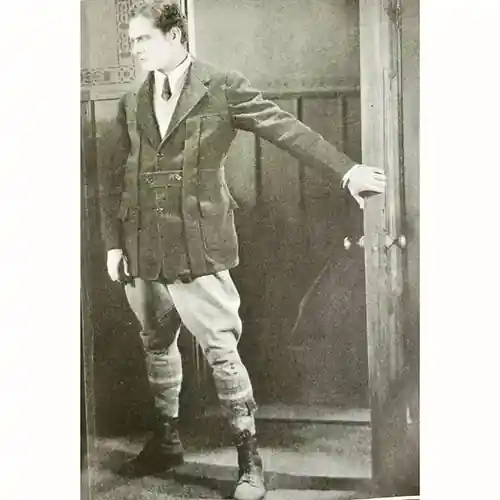
Leonore and Richard, once close friends, find themselves reunited after years apart. Their reunion is marked by a mutual attraction that neither can ignore. As they make their way to an inn in the Swiss Alps, a snowstorm forces them to seek refuge. In this isolated environment, their friendship is tested, and their desires are revealed. Richard's actions in carrying Leonore to the inn, removing her clothes, and kissing her passionately, are not merely physical but also a manifestation of their growing emotional and sexual connection. This moment, though intense and momentous, ultimately serves to destroy the platonic bond they once shared.
Upon returning to London, Leonore marries Henry Wallis, a man she truly loves. However, her presence in the household is met with resistance from Henry's conservative family, who find her outspoken and independent. The tension between tradition and modernity is palpable, and Leonore's character is a symbol of the changing times, embodying the spirit of independence and the pursuit of personal happiness.

The narrative takes a dark turn when Leonore is named as the corespondent in a divorce suit filed by Richard's estranged wife. This revelation, along with the strain on her relationship with Henry, causes Henry to lose faith in her. Richard, embittered by the loss of his friendship with Leonore, seeks her out for comfort. Their meeting is charged with unresolved emotions, and the film delves into the complexity of their relationship and the sacrifices each must make.

The final scene is both poignant and tragic. In a moment of clarity, Richard, lying in a hospital, sees Leonore and Henry reconciled, a bittersweet resolution that comes with the understanding that their relationship was ultimately doomed by the decisions they made. This scene serves as a commentary on the futility of certain desires and the inevitability of consequences, even when the outcome is not what one hopes for.

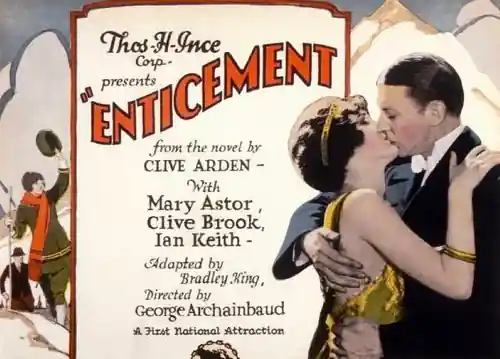
Clive Arden and Bradley King's screenplay masterfully captures the essence of this complex narrative, weaving together elements of romance, drama, and social commentary. The performances, particularly by Lorimer Johnston and Fenwick Oliver, are raw and intense, bringing depth to their characters and the story. The film is a testament to the power of storytelling in exploring the depths of human emotion and the consequences of our choices.
'Enticement' stands out among other films of its era, such as 'West Meets East' and 'Young Ideas,' not only for its compelling narrative but also for its ability to address contemporary issues through a lens of historical context. It is a film that invites viewers to reflect on the nature of love, desire, and the choices we make in the face of moral and social pressures.
In conclusion, 'Enticement' is a powerful and thought-provoking film that delves into the intricacies of human relationships and the consequences of our actions. It is a must-watch for those interested in exploring the complexities of love, desire, and the impact of the past on the present. The film's ability to balance historical context with contemporary themes makes it a timeless piece of cinema, worthy of discussion and analysis.
IMDb 5.7
1919
Community
Log in to comment.