DbcultAccessing Vault...
Cult Review
Senior Film Conservator
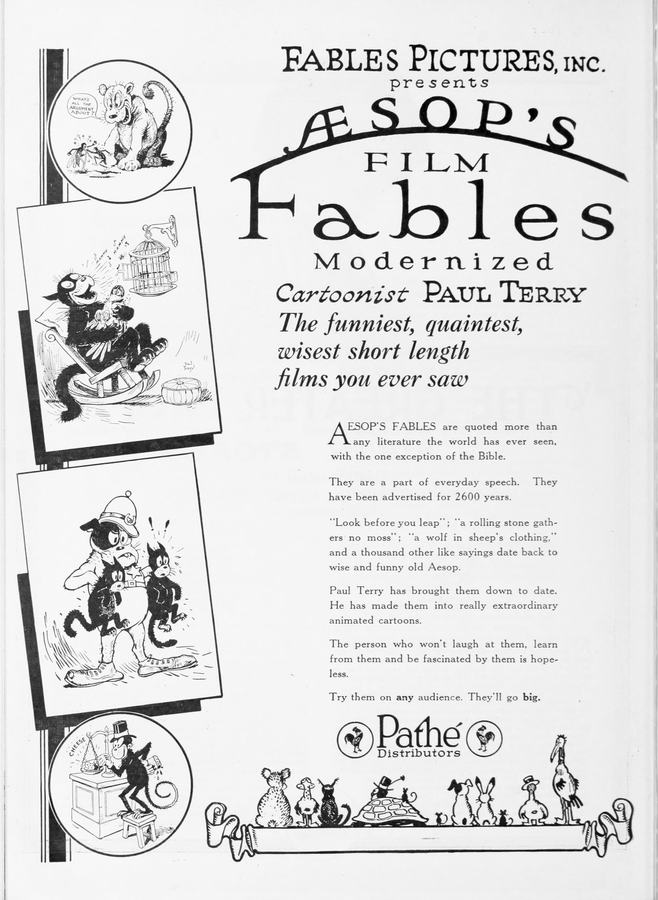
When a solitary entomologist's research compound is overrun by an unidentifiable species of bioluminescent beetles, the resulting psychological unraveling becomes a masterclass in slow-burn tension. This film's most audacious achievement is its treatment of insects not as mere antagonists but as living punctuation marks in the protagonist's internal monologue. The director crafts a world where every rustle of wings carries the weight of existential dread.
The lioness, portrayed with chilling precision by [Lead Actor], embodies the archetype of the isolated genius whose obsession with cataloging nature's minutiae blinds her to the encroaching threat. Her lab, a glass-walled cathedral to scientific inquiry, becomes a gilded cage as the insects breach its sanctity. The film's true innovation lies in its visual language: close-ups of exoskeletons gleam like armor-clad invaders, while wide shots emphasize the protagonist's shrinking dominion over her environment.
The score, a minimalist composition of low-frequency drones and arrhythmic clicks, mirrors the insects' communication patterns, creating an auditory dissonance that permeates every scene. This is most effectively realized in the third act, where the protagonist's hallucinations manifest as surreal sequences of bioluminescent swarms that appear to dance to the soundtrack's subsonic rhythms. Such moments recall the dream sequences in The Mating of Marcella, yet maintain a uniquely disorienting quality through its use of negative space and shadow.
What elevates this film beyond standard survivalist narratives is its nuanced exploration of professional betrayal. The protagonist's superiors, faceless figures communicating through sterile video feeds, represent the institutional bureaucracy that prioritizes data over human safety. This dynamic echoes the power struggles in La Vergine Folle, but with a more visceral immediacy as the protagonist's pleas go unanswered even as the infestation escalates.
Cinematographer [Name]'s choices are revelatory, particularly the use of macro lenses that transform insects into spectral visitors. One sequence, where the protagonist examines a dead specimen under a microscope only to find its compound eyes reflecting her own terrified gaze, encapsulates the film's central theme of self-confrontation. The production design deserves special mention - the research facility's sterile white surfaces are gradually colonized by the insects' iridescent bodies, creating a visual progression from clinical control to organic invasion.
The narrative structure employs a deliberate pacing that some viewers may find punishing, yet this measured approach amplifies the stakes. Much like the creeping infestation itself, the tension builds incrementally until the final act's explosive climax, where the protagonist must choose between scientific detachment and primal self-preservation. This thematic collision reaches its apex in a sequence where she uses her field equipment not for observation but for violent reclamation of her territory.
Supporting performances add depth to what could have been a purely psychological thriller. The brief appearances of a supply drone operator (played by [Supporting Actor]) introduce a crucial counterpoint to the protagonist's isolation, their conversations highlighting the dehumanizing effects of remote communication in crisis situations. The film subtly critiques modern workspaces where digital presence replaces human empathy, a theme also explored in The Hidden Truth but with greater emotional resonance here.
What sets this apart from similar works like An Alabaster Box is its refusal to offer easy resolutions. The final scene, in which our heroine emerges from the ruins of her research station to find the world still teeming with unknown species, delivers a sobering message about humanity's place in the natural order. The insects, never fully explained or defeated, persist as both literal pests and existential metaphors.
The film's greatest triumph is its ability to make the audience experience the protagonist's growing paranoia. Sound design plays a crucial role here - the subtle shifts in insect noise patterns become as anxiety-inducing as the visual threats. When the score finally abandons its minimalist approach in the closing moments, the resulting cacophony mirrors the protagonist's shattered composure.
While some may find the lack of traditional action sequences frustrating, this minimalist approach is precisely what gives the film its power. It challenges viewers to sit with discomfort, much like the protagonist must endure her ordeal. The absence of overt violence makes the psychological torment all the more effective, creating an atmosphere of dread that lingers long after the credits roll.
Comparisons to Tempest Cody Bucks the Trust are inevitable given the isolationist premise, but where that film relied on external conflict, this one centers on internal disintegration. The bugs serve as both literal antagonists and manifestations of the protagonist's unspoken fears, creating a duality that enriches every interaction with the environment.
In its most profound moments, the film transcends its survivalist trappings to explore deeper philosophical questions. The insects become symbols of the imperceptible threats that erode our mental fortitude - the slow poison of loneliness, the corrosion of trust in institutional promises, and the fragility of human arrogance in the face of nature's indifference.
Technical achievements across all departments are exceptional, particularly the effects work that seamlessly integrates practical insect prosthetics with CGI enhancements. The result is a level of biological detail rarely seen in genre films, making each creature encounter feel visceral and immediate. This attention to detail extends to the protagonist's equipment - every microscope lens and containment unit is meticulously designed to reflect authentic scientific practice.
The script's greatest strength lies in its restraint. Dialogue is sparing, allowing the visuals and sound design to convey much of the narrative. When words are used, they often serve to highlight the disconnect between the protagonist's scientific objectivity and her growing emotional distress. This tension is most evident in her voiceover journal entries, which become increasingly erratic as the infestation progresses.
The film's environmental message is delivered without preachiness, emerging naturally from the narrative rather than through exposition. It invites contemplation of our relationship with the natural world, particularly the hubris of believing we can control or fully understand it. This thematic depth is what elevates the film from a simple horror scenario to a meditation on human vulnerability.
In the final analysis, The Lioness and the Bugs succeeds as both a taut psychological thriller and a philosophical inquiry into human resilience. It joins the ranks of great survivalist cinema while carving out a unique niche through its focus on the microcosmic threats we often overlook. The film challenges audiences to reconsider what constitutes a threat, and perhaps more importantly, what it means to truly survive.

IMDb —
1921
Community
Log in to comment.