DbcultAccessing Vault...
5.8/10
Senior Film Conservator
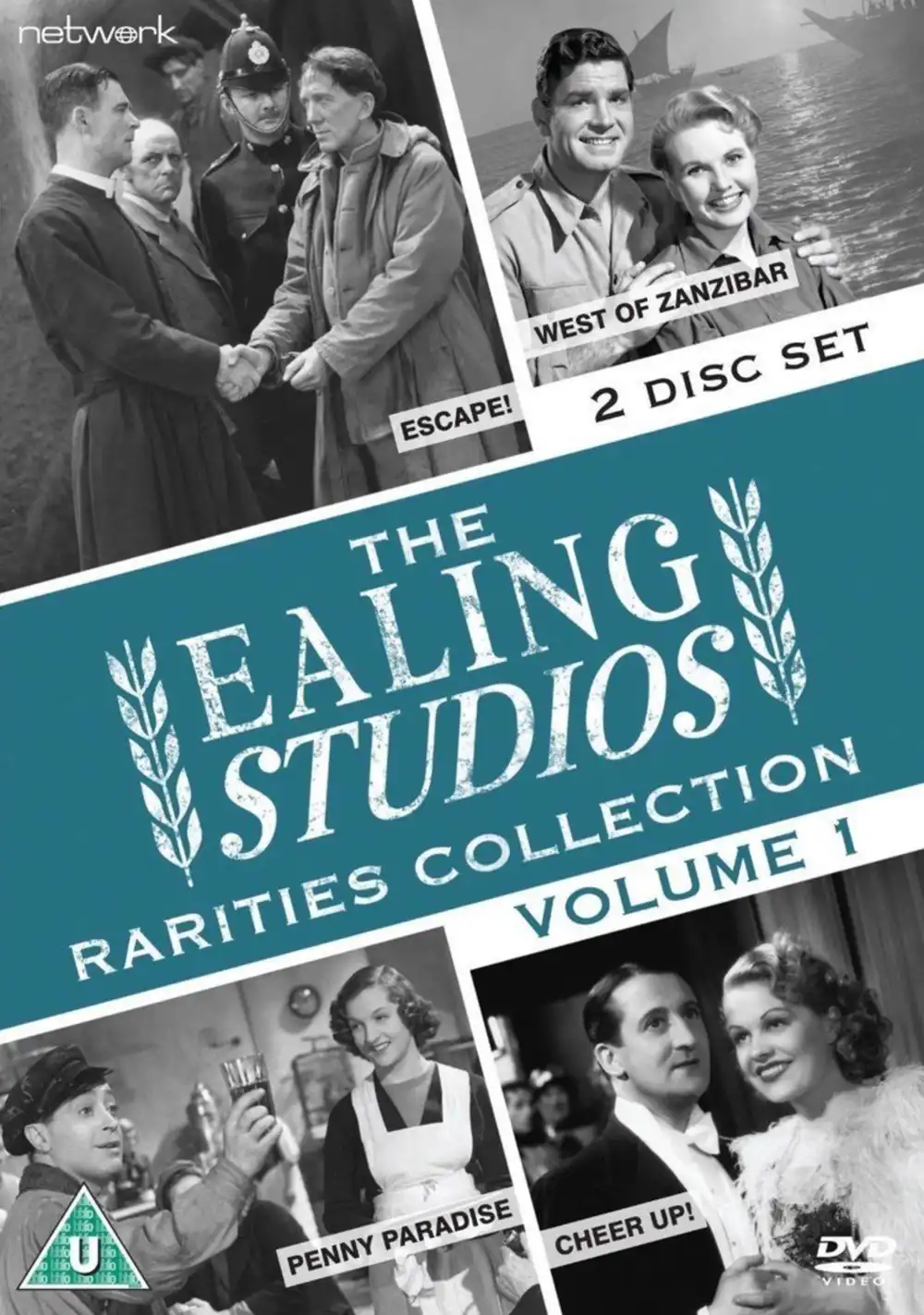
A definitive 5.8/10 rating for a film that redefined the boundaries of cult cinema. Escape! remains a cornerstone of transgressive art.
Is this movie worth your time today? Honestly, only if you have a soft spot for those very early talkies where everyone sounds like they are performing for the back row of a theater.
If you like British dramas about honor and 'doing the right thing,' you might find it charming. If you want a gritty prison break movie, you are going to be bored out of your mind in about ten minutes.
The movie starts with Matt Denant, played by Gerald du Maurier, just hanging out in a park. He meets a girl, a plainclothes cop starts bothering her, and Matt steps in.
He punches the cop once. Just one time. And the guy falls back, hits his head on a railing, and dies instantly.
It is one of those movie deaths that feels way too fast. One second they are arguing, the next second Matt is a killer. It felt a bit like a sketch comedy bit, even though it was meant to be tragic.
I found myself rewinding it just to see if I missed a second punch. Nope. Just a very fragile policeman, apparently.
Once Matt escapes from Dartmoor prison, the movie gets a lot more atmospheric. There is so much fog.
I mean, it is thick. You can barely see the actors sometimes. It reminded me of The Unknown in how it tries to use atmosphere to hide a small budget.
There is this one shot where Matt is hiding behind a rock and the searchlights are swinging around. It actually looks pretty cool for 1930.
But then someone speaks and the illusion breaks. The sound recording is so rough. You can hear the hiss of the equipment every time someone opens their mouth.
The weirdest thing about Escape! is how the people he meets treat him. He is an escaped convict!
But because he is a 'gentleman' and was an officer in the war, everyone is kind of cool with him. He breaks into a house and the sisters who live there just sort of chat with him.
One of them, played by Phyllis Konstam, is actually really good. She has this look of genuine conflict on her face.
They talk about whether it is 'sporting' to turn him in. It feels like they are discussing a fox hunt rather than a man who killed a cop.
It is very British. Painfully British.
I noticed that the movie uses real locations for some of the moor shots. That was rare back then. Usually, it would all be painted backdrops.
You can see the wind actually blowing the grass. It makes the studio scenes feel even more fake by comparison.
There is a moment where Matt is hiding in a bedroom and a little girl finds him. The way he talks to her is so sweet it almost feels like a different movie.
Du Maurier is okay, but he feels very old-fashioned. He stands very still. He projects his voice like he is trying to reach the balcony.
It’s not as fun as something like The Americano, which has a lot more energy. This one feels heavy.
The dialogue is the real star, or the real problem, depending on how you feel about John Galsworthy’s writing. It is very 'theatrical.'
I kept waiting for someone to break into song, even though it isn't a musical. The rhythm of the speech is just so formal.
Without giving it away, the ending happens in a church. It’s all about sacrifice and not wanting to cause trouble for other people.
The priest is a bit of a caricature. He’s very 'holy' and wise.
I think the movie is trying to say something about how the law doesn't always match up with what is right. But it says it very loudly and very often.
One reaction shot of a villager near the end lingers for about five seconds too long. It becomes funny. You can almost hear the director off-camera saying 'keep looking sad!'
Overall, it is a decent look at how movies were changing when sound first came in. It’s not a masterpiece. It’s just a stiff little story about a man who had a very bad day in a park.
If you have seventy minutes and want to see some nice fog and hear some posh accents, give it a go. Just don't expect it to change your life.
IMDb —
1916
Community
Log in to comment.