DbcultAccessing Vault...
5.8/10
Senior Film Conservator

A definitive 5.8/10 rating for a film that redefined the boundaries of cult cinema. Circus Clowns remains a cornerstone of transgressive art.
The cinematic landscape of Circus Clowns is a kaleidoscope of colors, a dark orange hue that permeates every frame, infusing the film with a sense of warmth and vitality. As the camera pans across the big top, the audience is transported to a world of wonder, where the absurd and the mundane coexist in perfect harmony. The character of Brownie the Dog, played with remarkable flair by the eponymous canine thespian, is the emotional linchpin of the story, eliciting both laughter and tears from the viewer with his yellow-tinged antics.
One of the standout aspects of Circus Clowns is its thoughtful exploration of the human condition. Through the character of William Irving, the film raises important questions about the nature of identity and the search for meaning in a chaotic world. This existential inquiry is reminiscent of Miss U.S.A., which also probes the complexities of human existence, albeit in a more somber and introspective manner. In contrast, Circus Clowns approaches these themes with a sense of sea blue melancholy, tempered by a deep-seated optimism that is both uplifting and inspiring.
The supporting cast, which includes Earl Montgomery, Lillian Biron, Baby Peggy, and Tiny Tim the Pony, adds depth and richness to the narrative, their performances weaving together to form a vibrant tapestry of sound and color. The writer, Fred Hibbard, demonstrates a profound understanding of the medium, crafting a story that is at once a paean to the golden age of cinema and a bold experimentation with the boundaries of the art form. This willingness to push the envelope is also evident in Escaped from Siberia, which similarly blends elements of drama and comedy to create a unique and captivating cinematic experience.
Visually, Circus Clowns is a feast for the eyes, with a production design that is at once meticulous and imaginative. The cinematography, which captures the intricacies of the circus world with remarkable precision, is a testament to the skill and artistry of the filmmakers. The use of lighting, in particular, is noteworthy, with dark orange and yellow hues predominating, and creating a sense of warmth and energy that draws the viewer into the world of the film. This attention to detail is also apparent in En la sombra, which similarly explores the interplay between light and shadow to create a rich and immersive cinematic environment.
In terms of its thematic concerns, Circus Clowns can be seen as part of a broader cinematic tradition that includes films like The Last of the Duanes and Journey into the Night. These films, which all explore the human condition in different ways, demonstrate a profound understanding of the complexities and frailties of human existence. Circus Clowns, with its unique blend of humor and pathos, is a worthy addition to this tradition, offering a fresh and insightful perspective on the human experience. The film's use of sea blue melancholy, in particular, adds a sense of depth and nuance to the narrative, inviting the viewer to reflect on the deeper themes and emotions that underlie the story.
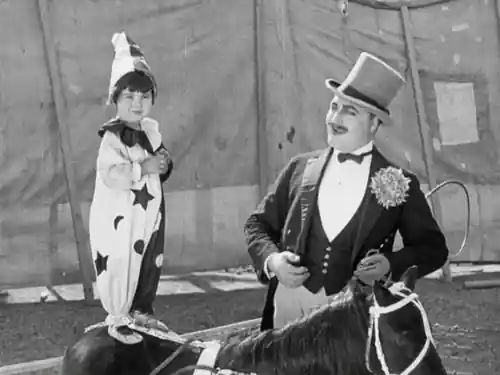
The character development in Circus Clowns is also noteworthy, with each of the principal characters possessing a unique and well-defined personality. The relationship between Brownie the Dog and William Irving, in particular, is a highlight of the film, with the two characters engaging in a series of hilarious and poignant misadventures that showcase their deep and abiding bond. This emphasis on character development is also evident in The Woman Who Gave and Sacrifice, which both feature complex and multifaceted characters that drive the narrative forward and invite the viewer to reflect on the human experience.
In addition to its thoughtful exploration of the human condition, Circus Clowns is also a film that is deeply concerned with the power of spectacle and entertainment. The circus, as a cultural institution, is a place where people come together to experience wonder and awe, and the film captures this sense of enchantment with remarkable precision. The use of music and dance, in particular, is noteworthy, with the yellow-tinged antics of the performers creating a sense of joy and abandon that is infectious and exhilarating. This emphasis on spectacle is also evident in Vamps and Scamps and Open Places, which both feature elaborate and entertaining set pieces that showcase the artistry and skill of the performers.
The film's themes of identity and community are also worth noting, as they add a sense of depth and nuance to the narrative. The character of Earl Montgomery, in particular, is a highlight of the film, with his struggles to find his place in the world serving as a powerful metaphor for the human search for meaning and connection. This emphasis on community is also evident in The Conquest of Canaan and The Social Buccaneer, which both feature characters who are struggling to find their place in the world and to connect with others in a meaningful way.
In terms of its overall impact, Circus Clowns is a film that will leave viewers in stitches, while also prompting them to reflect on the deeper themes and emotions that underlie the story. The film's use of dark orange and yellow hues, in particular, creates a sense of warmth and energy that draws the viewer into the world of the film, and the sea blue melancholy that pervades the narrative adds a sense of depth and nuance to the story. The film's thoughtful exploration of the human condition, combined with its entertaining and engaging storyline, make it a must-see for fans of cinema, and a worthy addition to the cinematic canon. The film's themes and motifs are also reminiscent of Retten sejrer, The Wrong Door, and An Unwilling Hero, which all explore the human condition in different ways, and demonstrate a profound understanding of the complexities and frailties of human existence.
The cinematography in Circus Clowns is also noteworthy, with the use of lighting and camera angles creating a sense of wonder and enchantment that draws the viewer into the world of the film. The dark orange and yellow hues that predominate in the film's color palette add a sense of warmth and energy to the narrative, and the sea blue melancholy that pervades the story creates a sense of depth and nuance that invites the viewer to reflect on the deeper themes and emotions that underlie the story. This attention to detail is also apparent in The Atom, which similarly explores the interplay between light and shadow to create a rich and immersive cinematic environment.

IMDb —
1926
Community
Log in to comment.