DbcultAccessing Vault...
7.9/10
Senior Film Conservator
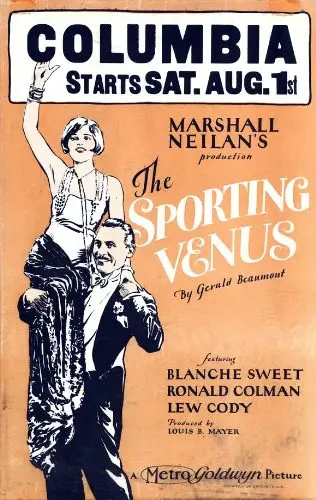
A definitive 7.9/10 rating for a film that redefined the boundaries of cult cinema. The Sporting Venus remains a cornerstone of transgressive art.
In the rarefied world of 1920s high society, the wealthy heiress, played by Gwen Lee, is a paragon of elegance and refinement. Her life is one of lavish parties, exotic getaways, and high-stakes social maneuvering. Yet, beneath the surface of her polished existence, she seethes with discontent. Engaged to a foreign prince, she finds herself inexorably drawn to a dashing medical student, played by Edward Martindel.
This fatal attraction sets in motion a chain of events that will forever alter the course of her life. As she navigates the treacherous waters of her own desires, she must confront the societal expectations that threaten to suffocate her. Will she find the courage to defy convention and follow her heart, or will duty and obligation prevail?

The Sporting Venus is a masterful exploration of the tensions between class and identity, duty and desire. The film's nuanced portrayal of its protagonist's inner turmoil is both deeply relatable and profoundly cinematic. The supporting cast, which includes Clark Gable and Ronald Colman, adds depth and nuance to this already-compelling tale of love, loss, and liberation.
In its thoughtful examination of the human condition, The Sporting Venus recalls other notable films of its era, such as The Triumph of Love and The Master Cracksman. Yet, its unique blend of drama, romance, and social commentary sets it apart as a timeless classic.

The film's use of visual motifs and cinematographic techniques is equally noteworthy. The lush landscapes and opulent interiors serve as a backdrop for the protagonist's emotional journey, while the innovative camera work adds a sense of dynamism and energy to the narrative.
In the context of its time, The Sporting Venus is a remarkably progressive work, tackling themes that were considered taboo or controversial in the 1920s. Its portrayal of a strong-willed, independent female protagonist was a bold move, one that helped to pave the way for future generations of women in film.

While some may argue that The Sporting Venus is a product of its time, its themes and messages remain remarkably relevant today. In an era where social media and reality TV often blur the lines between reality and fantasy, this film's exploration of identity and perception feels eerily prescient.
In conclusion, The Sporting Venus is a cinematic treasure that continues to captivate audiences with its timeless themes and enduring beauty. If you're a fan of classic cinema, or simply looking for a film that will resonate with you on a deep level, then The Sporting Venus is an absolute must-see. And for those interested in exploring more films from this era, The Greek Interpreter and Unknown Switzerland are excellent companion pieces that offer a glimpse into the social and cultural landscape of the time.
IMDb —
1922
Community
Log in to comment.