DbcultAccessing Vault...
6/10
Senior Film Conservator
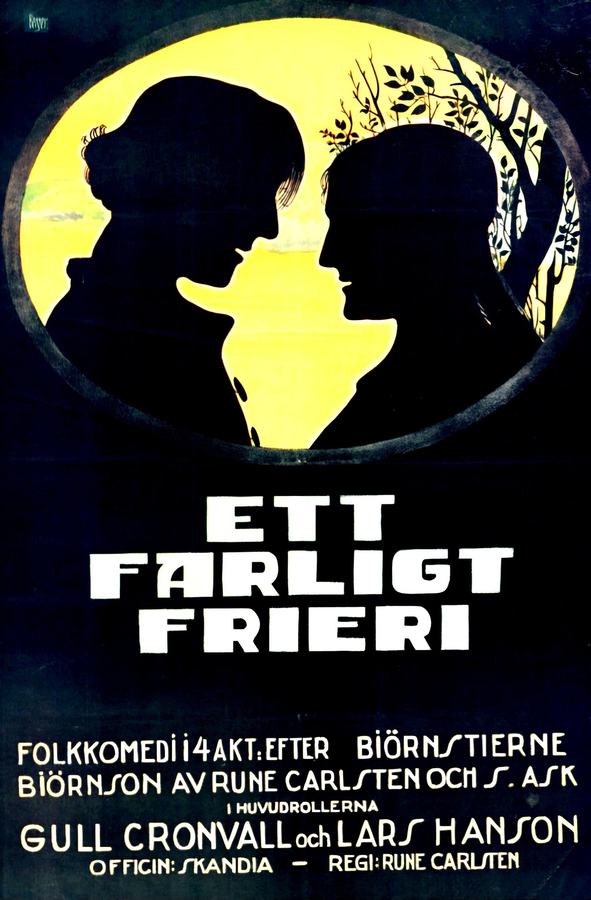
A definitive 6/10 rating for a film that redefined the boundaries of cult cinema. Ett farligt frieri remains a cornerstone of transgressive art.
When the black‑and‑white frames of Ett farligt frieri flicker to life, the viewer is instantly thrust into a landscape that feels both mythic and palpably real. The film, directed by the collaborative pen of Rune Carlsten and the literary giant Bjørnstjerne Bjørnson, unfolds like a folk saga, its narrative threads woven from the raw wool of rural tradition, patriarchal authority, and the irrepressible yearning of youth.
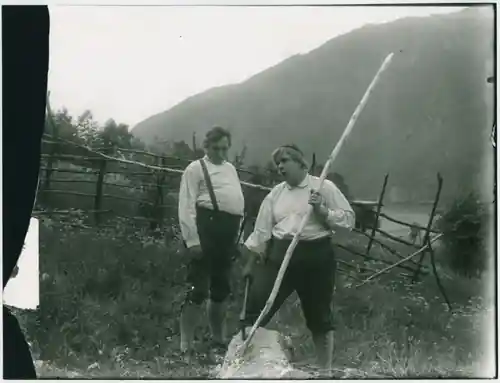
The opening shots linger on jagged peaks that loom like ancient sentinels, their silhouettes cutting stark silhouettes against a bruised sky. The cinematographer, whose name has been lost to the annals of time, employs a chiaroscuro that accentuates the oppressive atmosphere of the Husaby farm. The stark contrast between the dim interiors—lit only by the amber glow of oil lamps—and the blinding, almost ethereal light of the mountain pasture creates a visual metaphor for the dual worlds Aslaug inhabits: the suffocating domestic sphere and the liberating, albeit treacherous, heights where she feels truly alive.
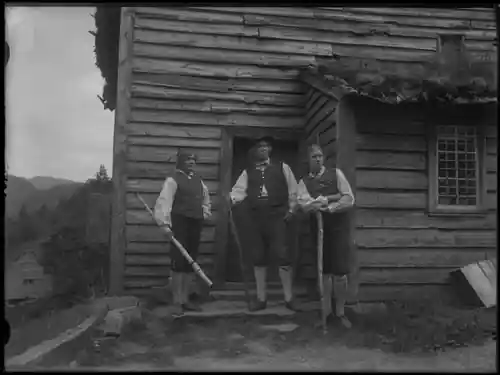
Gull Cronvall, as Aslaug, delivers a performance that balances delicate vulnerability with an undercurrent of steel‑tempered resolve. Her eyes, often narrowed against the wind, convey a silent defiance that speaks louder than any dialogue could. Theodor Blich, embodying the stoic Tore Naesset, brings a quiet intensity; his clenched jaw and the subtle tremor in his voice when he whispers Aslaug’s name are a masterclass in restrained passion. The patriarch, Knut Husaby (Lars Hanson), is a towering presence—both physically and thematically. Hanson's booming baritone, punctuated by sardonic chuckles, reinforces the character’s role as the embodiment of feudal authority. Meanwhile, the bumbling Ola Thormundson (Uno Henning) provides a necessary foil, his exaggerated gestures and ill‑timed laughter offering moments of levity amidst the film’s mounting tension.
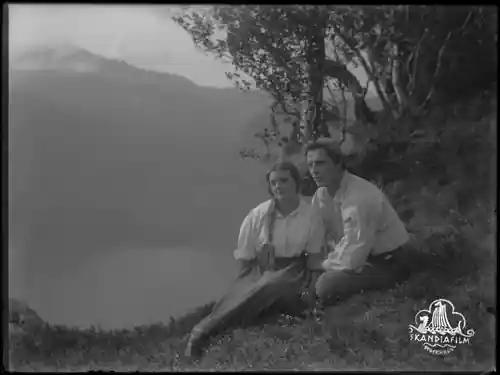
The plot advances with a deliberate pacing that mirrors the slow, arduous climb of the mountain itself. Each act is demarcated by a physical obstacle: the initial courtship, the brutal beating, and finally, the cliff‑side ascent. These obstacles are not merely plot devices; they serve as allegories for the social strata that imprison the characters. The film’s central conflict—Aslaug’s love for a low‑born suitor versus her father’s mercenary ambitions—mirrors the broader societal tensions of 1930s Scandinavia, where agrarian reforms and class mobility were hotly debated topics. In this sense, Ett farligt frieri functions as both a love story and a subtle political commentary, a duality that invites comparison to other period pieces such as Pyotr Velikiy, which also intertwines personal drama with societal upheaval.
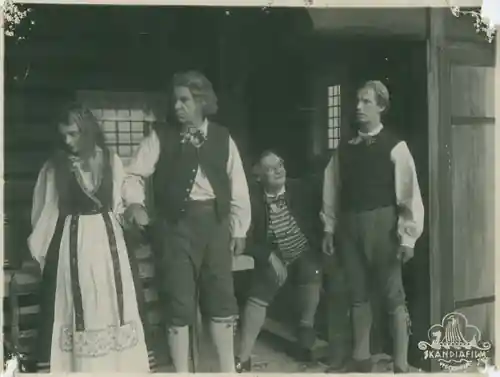
The mountain, rendered in stark monochrome, becomes a character in its own right. Its sheer cliff—an imposing 50‑meter wall of rock—symbolizes the insurmountable barriers erected by class and tradition. Tore’s decision to traverse the fjord in a rickety rowboat and then scale the cliff is a visual metaphor for his willingness to defy nature and societal expectation alike. The recurring motif of cattle, shepherded up to the summer farm, underscores themes of stewardship and inheritance. The livestock, moving in orderly rows, contrast sharply with the chaotic emotional currents that drive the human protagonists. The film’s use of colour—though limited to the grayscale of its era—finds its emotional echo in the modern promotional palette: dark orange (#C2410C) for passion, yellow (#EAB308) for fleeting hope, and sea blue (#0E7490) for the cold, indifferent fjord that separates lovers.
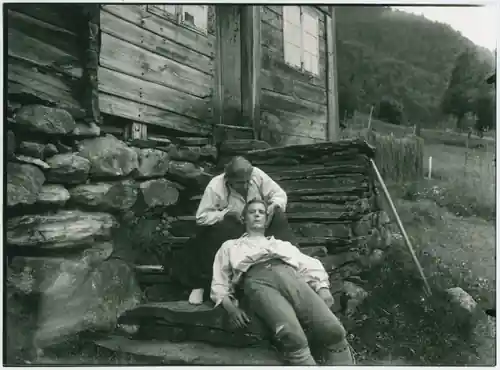
While the film predates synchronized sound, its accompanying score—performed live in many original screenings—utilizes folk instruments to amplify the rustic ambiance. The low drone of the fiddle during the farm scenes grounds the viewer in the agrarian setting, while a plaintive accordion motif swells during Tore’s ascent, heightening the emotional stakes. The occasional die‑getic sound of cattle lowing or the creak of a wooden boat adds an authentic texture that modern audiences often miss in contemporary cinema, where sound design can feel over‑engineered.
When placed alongside other Scandinavian classics such as His Enemy, the Law or the more whimsical Hotel Paradiso, Ett farligt frieri stands out for its unflinching portrayal of class oppression. Unlike the comedic misadventures of Pots‑and‑Pans Peggy, this film embraces a tragic realism that foreshadows the later existential works of Ingmar Bergman.
The editing is deliberately measured; long takes allow the audience to soak in the rugged scenery and the characters’ internal turmoil. The camera often adopts a low angle when filming the patriarch, reinforcing his dominance, while high‑angle shots of Tore’s climb emphasize his vulnerability against the indifferent mountain. A particularly striking sequence features a cross‑cut between Tore’s laborious ascent and Aslaug’s solitary vigil atop the cliff’s summit. The intercutting creates a rhythmic tension that crescendos as the two finally glimpse each other, a moment that is both visually poetic and emotionally resonant.
Without resorting to melodramatic clichés, the film concludes with an ambiguous resolution that leaves viewers pondering the cost of love in a world governed by rigid hierarchies. The final frame—Tore perched on the cliff’s edge, his silhouette framed against a waning sun—offers a visual echo of Aslaug’s earlier silhouette against the same horizon, suggesting that love, though perilous, endures beyond the constraints of earthly authority. This lingering ambiguity is what cements Ett farligt frieri as a timeless piece of cinema; it refuses to provide tidy answers, instead inviting contemplation on the nature of freedom, sacrifice, and the human spirit’s capacity to scale even the most unforgiving cliffs.
In sum, Ett farligt frieri is a masterful blend of visual poetry, robust performances, and thematic depth. Its portrayal of a love that dares to defy entrenched power structures remains as relevant today as it was in the early twentieth century. For scholars of Nordic film, or any cinephile seeking a work that marries raw naturalism with heartfelt drama, this film is an indispensable addition to the canon.
IMDb 7.3
1930
Community
Log in to comment.