DbcultAccessing Vault...
Cult Review
Senior Film Conservator
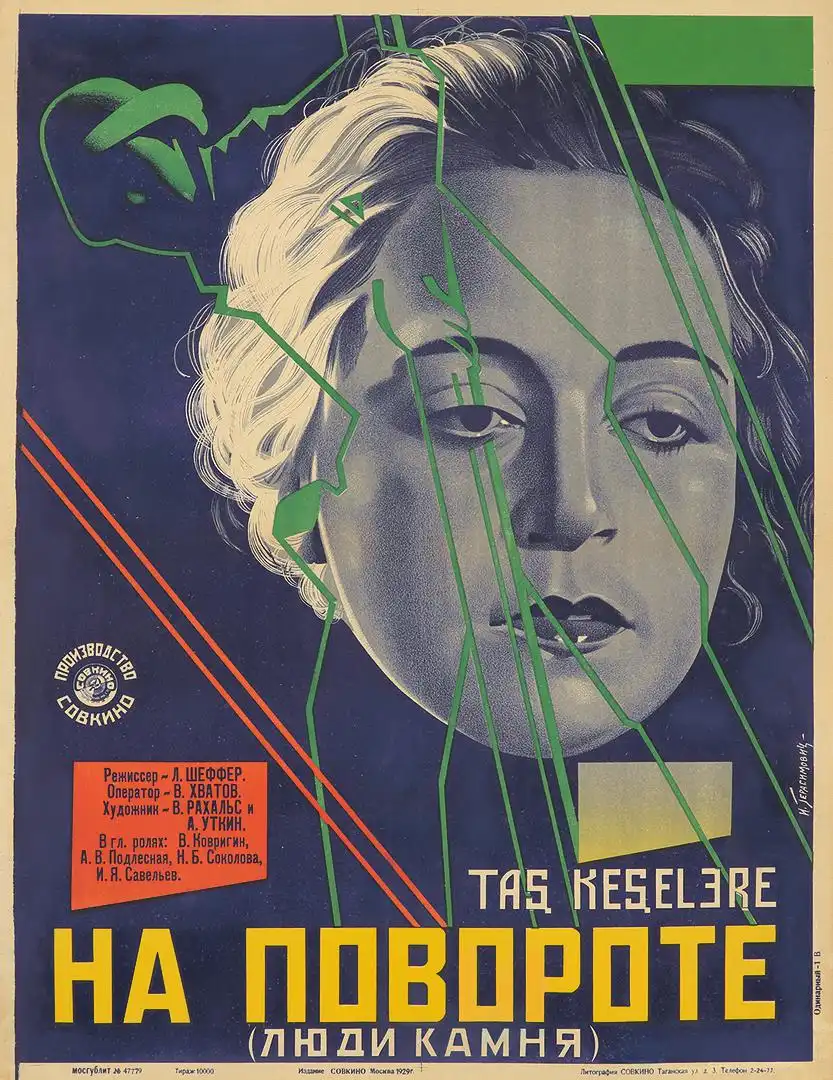
Is 'Na povorote' something you absolutely *must* see today? Probably not for most folks. This one is more for the deep cuts crowd, the kind of movie lovers who enjoy digging into cinema history, especially if you're curious about less-trodden paths. If you thrive on modern pacing, clear-cut stories, or big special effects, you'll likely find it a real slog. But if you appreciate the raw, sometimes clunky charm of older films and don't mind a bit of a puzzle, then maybe, just maybe, there's something here for you. It's a look back, for sure. 🕰️
The opening sequence, if you can even call it that, sets a tone. It’s all a bit hazy, like watching through a smudged window. You know, like some old film prints can be. You spend the first ten minutes just trying to *adjust* your eyes, your brain, to the rhythm. The silent film quality, it's something else. Or maybe it wasn't silent originally? Hard to tell with these older finds. 🤷♀️
There's a lot of staring. Like, *a lot*. N. Sokolova has this particular look, almost haunted, that just sort of holds the frame. You wonder what she's thinking. Or if the director just held the shot a bit too long, hoping for something to *happen* within that stillness. It borders on awkward, then loops back to strangely compelling.
Pyotr Zinovyev's character, I think he was the one always pacing. Back and forth. It felt like he was constantly on the verge of making a big decision, but the film never quite gives you *why*. Or perhaps the context is just lost to time, or to my own inability to catch every nuance of early Russian cinema. The way the light catches his profile, though, that was something. Very deliberate.
And the crowds! There are moments with what seem like many people, but they never feel quite *full*. More like a scattered group. You get the sense of a grander scale being hinted at, but the budget or the logistics just couldn't quite get there. It gives a slightly lonely feeling, even in a supposed gathering.
One thing that really stuck with me was a scene involving Vasili Kovrigin and Aleksey Muravin. It's a tense exchange, mostly through gestures and intense eye contact. The dialogue, what little translated title cards offered, felt almost secondary. The *weight* of the moment was all in their faces. You can almost feel the movie trying to convince you this moment matters, even if you’re not entirely sure *what* just happened.
There’s this odd cut, like someone just clipped a chunk out. One minute Oksana Podlesnaya is walking towards something, the next she's suddenly *there*. No real transition. It’s jarring. And it happens a few times. Makes you wonder about the prints available, honestly. Or if that was just how they edited things back then. A kind of abruptness that feels almost modern, but probably wasn't intended that way.
The whole *theme* of being 'on the turn' or 'at the crossroads' really comes through, even if the specifics are hazy. It's less about a grand political statement and more about the personal struggle of these individuals caught in *something*. Ivan Savelyev's character, for instance, has this sudden outburst towards the end. It's raw. Unexplained, really, but you *feel* the frustration. Like everything's been building up for him, silently, for the whole runtime.
The pacing is, well, *deliberate*. Some might call it slow. I think it forces you to really sit with the images. To let them wash over you. It's not a film that gives you answers easily. It asks you to *work* for them. And sometimes, you just don't get there. And that’s okay, I think. It's part of the experience of these older, less accessible films. They’re glimpses, really, more than full narratives.
It’s almost like a silent play in some parts. The blocking of the actors — N. Sokolova especially — feels very theatrical. Like they’re performing for an audience in a hall, rather than a camera lens. It’s a subtle distinction, but it makes the performances feel very *present* even through the grainy footage.
There's a scene, or perhaps a series of scenes, where the environment itself feels like a character. Not just a backdrop. The textures of the buildings, the way shadows fall. It’s a very grounded kind of realism, even when the plot feels abstract. You can almost smell the dust in the air. Or maybe that's just the old film stock. 😂
The resolution, or lack thereof, is something else. It doesn’t tie things up neatly. It just… stops. Leaves you hanging. Which, honestly, is probably the most realistic part of the whole thing. Life doesn't always give you a clean ending, right? So why should a film that seems to be about life's messy turns?
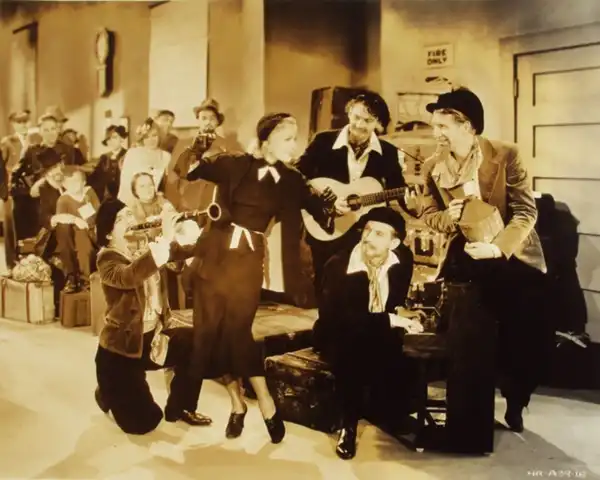
IMDb 5.5
1936
Community
Log in to comment.