Summary
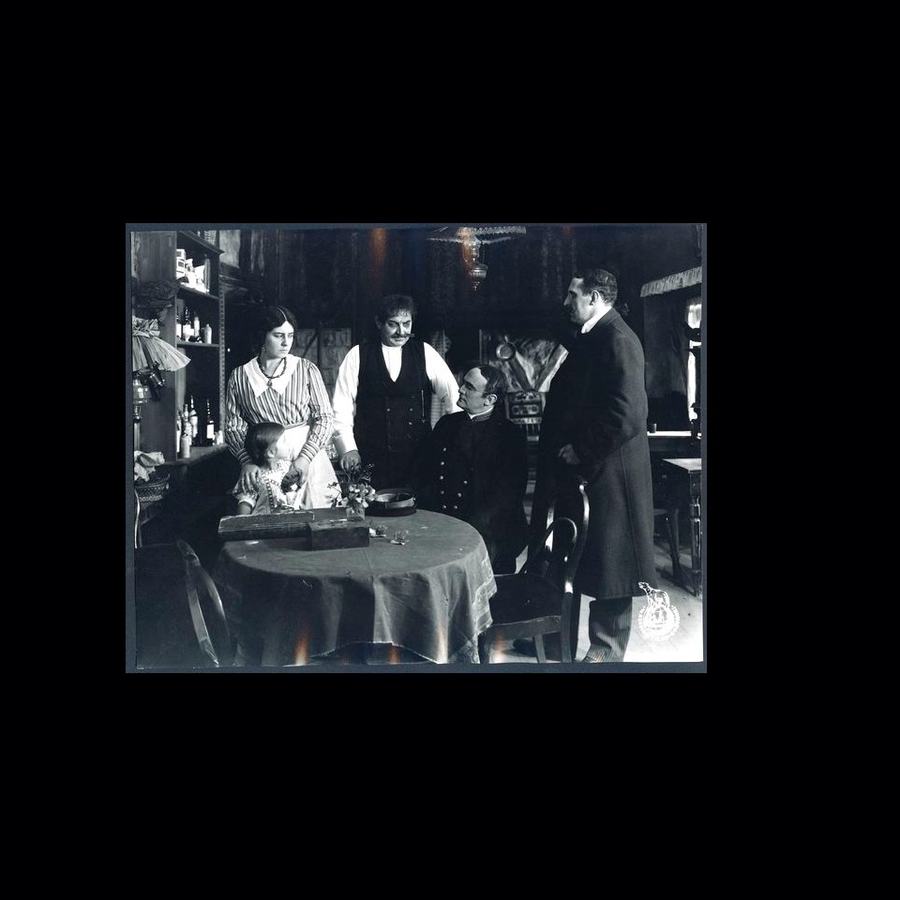
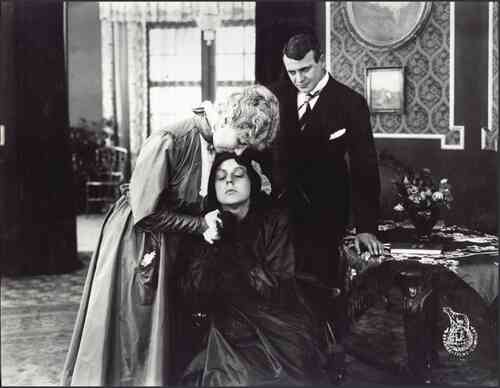
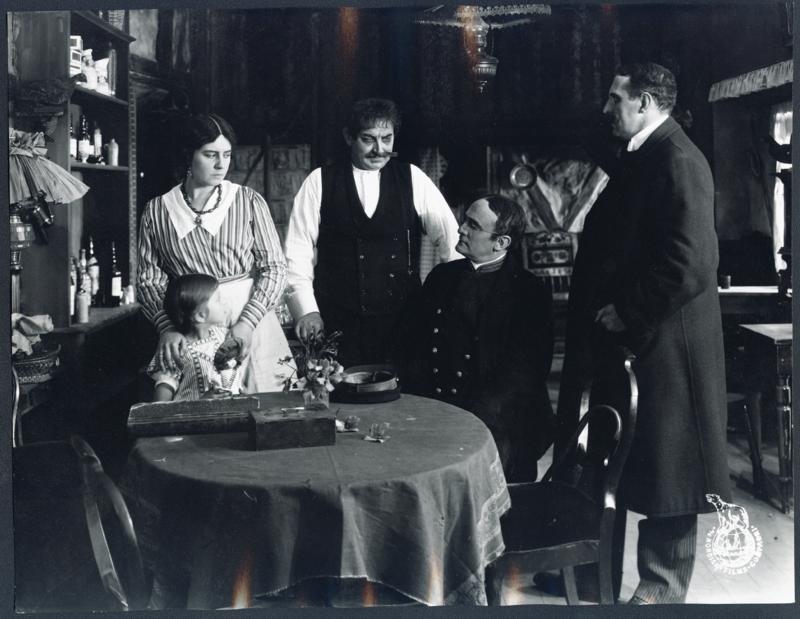
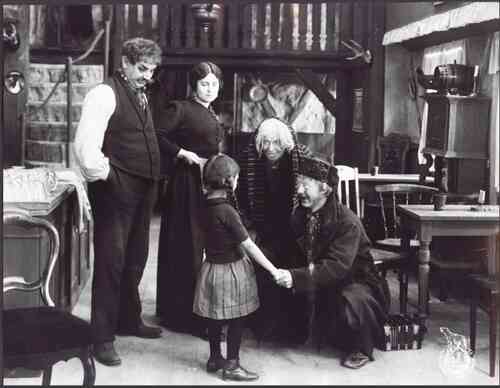
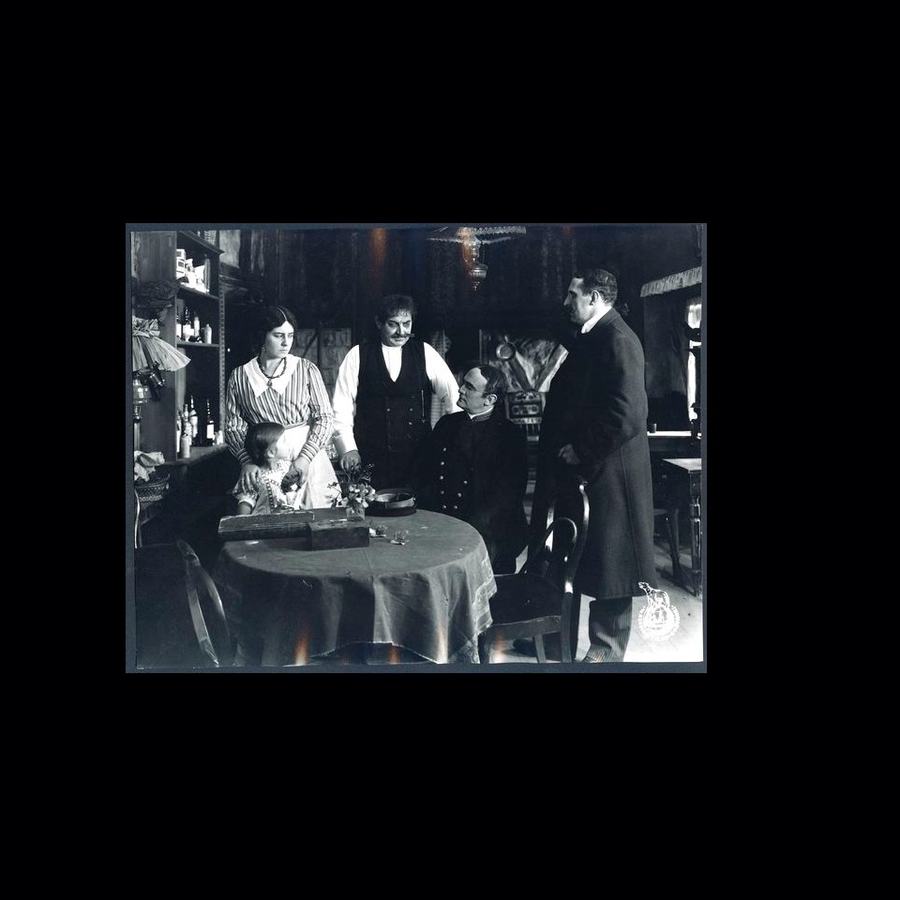
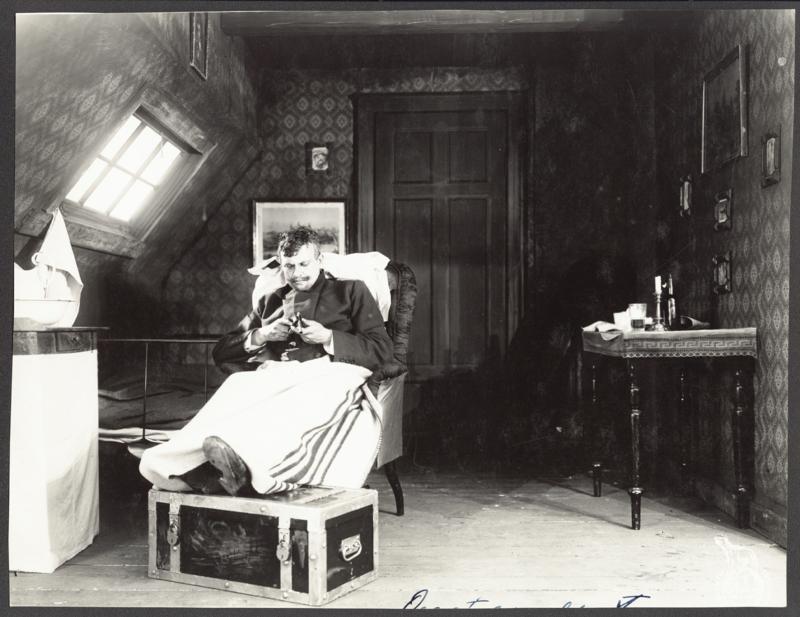
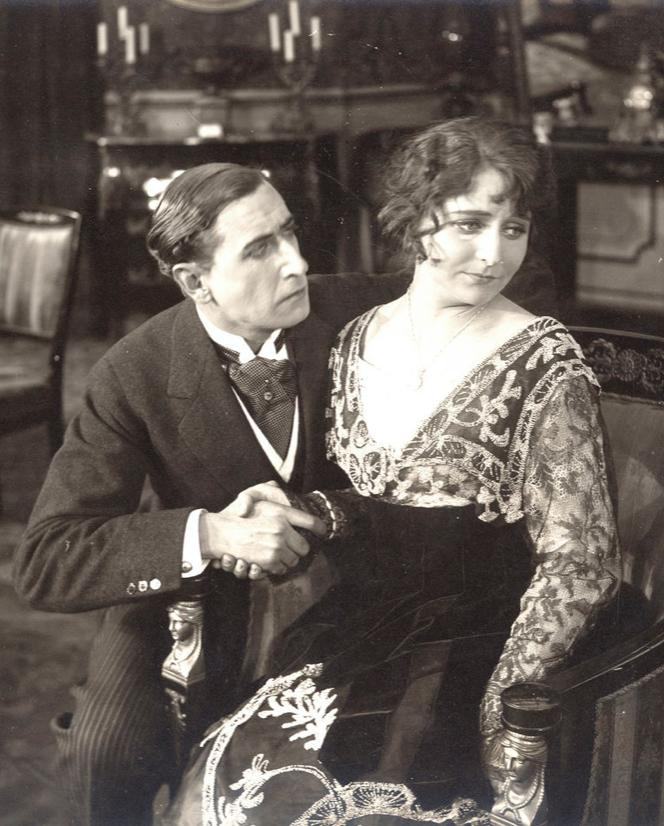
A creaking provincial guesthouse, half-swallowed by dunes of yellowed stationery and the sour breath of cancelled trains, becomes the stage for a grotesque pastoral. The proprietor—Sommerfeldt’s Monsieur Boniface—pads through corridors like a bloodless matador, waving a napkin instead of a cape while the walls bleed plaster. His wife, the ineffably bored Angelica (Larsen), has turned marital ennui into chamber music: every slammed cupboard a cymbal crash, every withheld kiss a violin screech. Into this aquarium of petty tyrannies lopes Peter Fjelstrup’s Max, a traveling salesman whose sample case rattles with broken promises and dented libido. Max books the attic room that used to be a nun’s cell; the crucifix outline still ghosts the wallpaper, grinning through newer floral sins. Downstairs, Kai Lind’s morphine-addled doctor sketches cadaverous cherubs on tablecloths, convinced the world ended in 1899 and everyone forgot to lie down. Ingeborg Spangsfeldt arrives as a mute widow in perpetual second-mourning, clutching a hatbox rumored to contain her own severed braid; children whisper she combs it at night like a pet. Emma Wiehe plays the parlor maid who reads Maeterlinck to the cockroaches, while Ebba Thomsen’s honeymoon bride keeps trying to hang herself with the same sash she uses to open curtains every dawn. The plot, or rather the anti-plot, is a slow infestation: Max seduces Angelica inside a linen closet so narrow their pulses echo like moth wings; the doctor misdiagnoses death itself, signing certificates for guests who still walk and talk; the widow’s hatbox finally opens to reveal not hair but hotel keys from every room—she has been collecting thresholds instead of memories. When the boiler explodes, the building does not burn; instead it exhales a chalky sigh, and every door locks from the inside. The last shot freezes on Sommerfeldt’s face reflected in a cracked mirror: twenty identical Bonifaces recede into darkness, each smaller and more transparent, as if the film itself were checking out one frame at a time.
Review Excerpt
"
Spoilers flutter like moths around a lantern—impossible to cage without crushing their wings.
There is, lodged between the vertebrae of film history, a runtish sibling to Alexandra’s stateliness and The Price of Crime’s expressionist gloom: Hotel Paradiso, Carl Theodor Dreyer’s lone comedy—though calling it comic is like calling rigor mortis a posture. Shot in the anemic chill of a Danish autumn, the picture exudes the sulfuric cheer of a closed amusement park. From the first frame, a stationa..."