DbcultAccessing Vault...
6.8/10
Senior Film Conservator
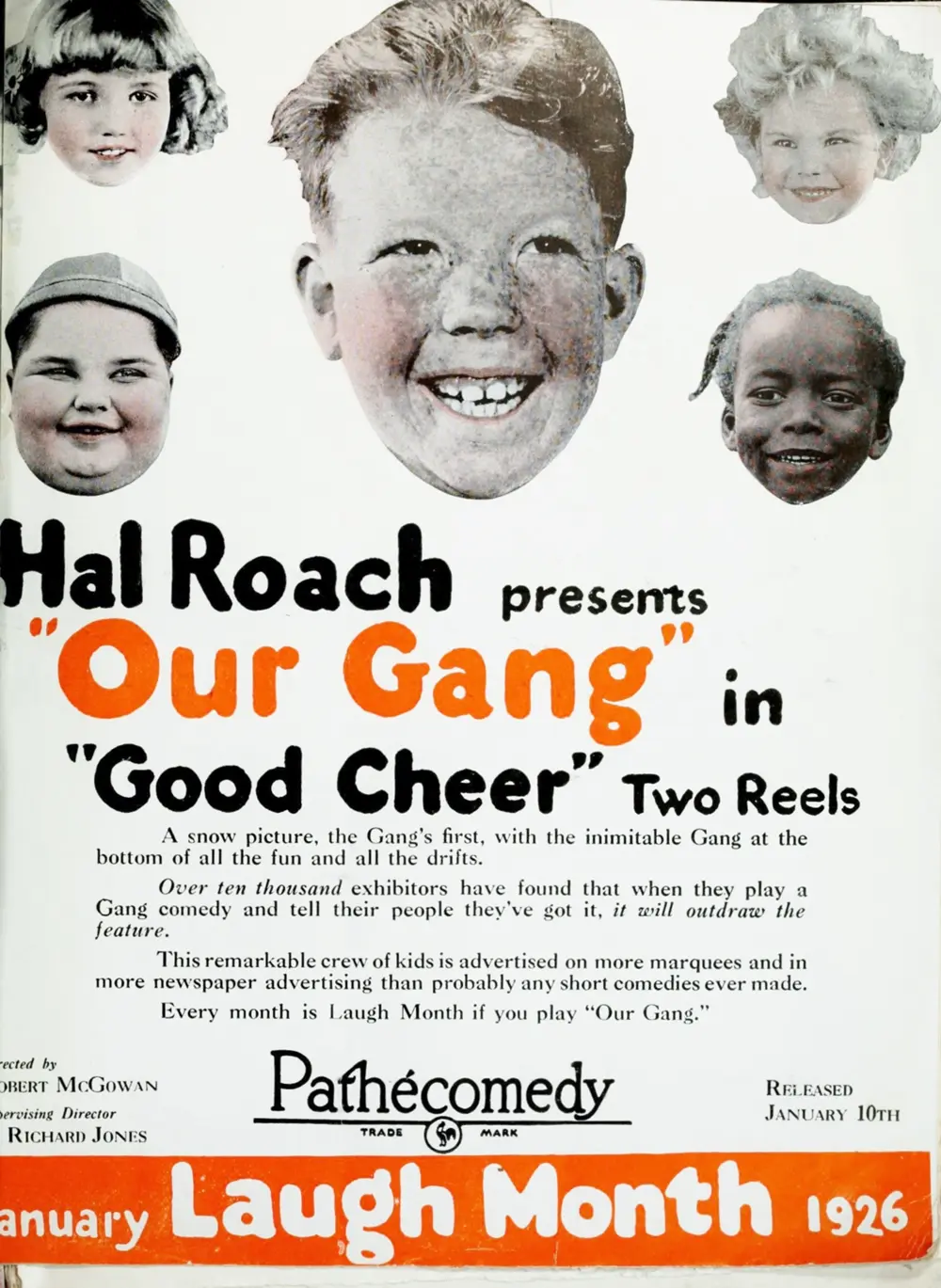
A definitive 6.8/10 rating for a film that redefined the boundaries of cult cinema. Good Cheer remains a cornerstone of transgressive art.
Is Good Cheer worth your time today? The short answer is a resounding yes, but with a significant asterisk. This early Hal Roach production is a fascinating historical artifact and a surprisingly heartfelt holiday tale, making it essential viewing for silent film enthusiasts and those curious about the roots of the 'Our Gang' dynamic. However, its pacing and narrative simplicity might test the patience of modern viewers accustomed to contemporary cinematic rhythms.
This film works because of its raw, unvarnished charm and the genuine, if often exaggerated, performances from its young cast. It captures a specific, nostalgic vision of childhood resilience. This film fails because its episodic structure can feel disjointed, and the comedic beats, while historically significant, don't always land with modern audiences. The technical limitations of its era are also evident. You should watch it if you appreciate silent cinema, have an interest in the early work of Hal Roach and the 'Our Gang' ensemble, or are seeking a genuinely old-fashioned, earnest Christmas story that isn't afraid to show a little grit.
Directed by Hal Roach, with a story conceived by Roach himself and H.M. Walker, Good Cheer offers a unique window into the nascent stages of what would become the iconic 'Our Gang' series. Released during an era when cinema was still finding its voice, this film stands as a testament to Roach's early understanding of child actors and slapstick comedy. It’s a foundational piece, demonstrating the raw talent that would later define a generation of young performers.
The film’s tone manages a delicate balance, oscillating between the stark realities of poverty and the whimsical innocence of childhood belief. It’s not afraid to show the grittier side of life, a characteristic that sets it apart from many overtly sentimental holiday features. This unflinching honesty, even within a comedic framework, is perhaps its most surprising strength, giving the narrative a grounding that elevates it beyond mere farce.
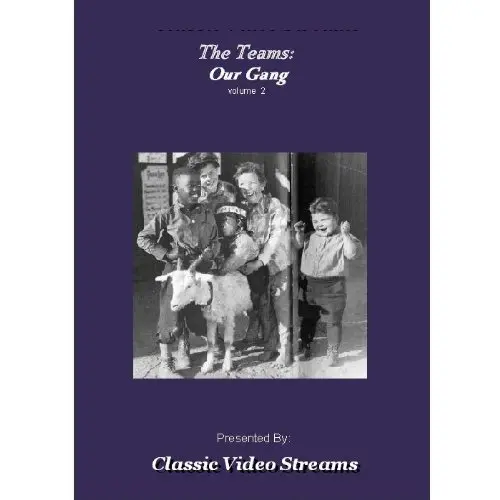
Watching it today, one can clearly discern the embryonic stages of the 'Our Gang' formula: a group of resourceful, often mischievous children navigating a world that frequently presents them with adult-sized problems. The camaraderie, the quick thinking, and the underlying sense of optimism despite adversity are all present, albeit in a more nascent form than what audiences might recall from later, more polished entries like The Milky Way or even earlier shorts like The Mystery Box.
Set against the backdrop of a bleak Christmas Eve, Good Cheer doesn't shy away from presenting the children, notably figures like Jules Mendel and Joe Cobb, with genuine economic hardship. This isn't just a plot device; it's a character-defining circumstance that colors every interaction and decision. Their struggle for a semblance of holiday joy in the face of scarcity forms the narrative's emotional core, making their simple desires all the more resonant.
The film then pivots, rather abruptly, into a secondary plotline involving a gang of thieves. This shift, while somewhat jarring, injects a dose of low-stakes adventure into the proceedings. The children, through a series of coincidences and their inherent pluck, find themselves inadvertently involved in thwarting these opportunistic criminals. It’s a classic 'kids outsmarting adults' trope, executed with a charming, if unsophisticated, energy.
Yet, the true heart of the film beats in its final act. The revelation that Santa Claus 'really exists for those who wish fervently enough' is not delivered as a simple magical deus ex machina. Instead
IMDb 5.3
1927
Community
Log in to comment.